Deep Dives
In-depth AI analysis, industry observations, and technical insights — slow down and read.

PyTorch Tensors from Beginner to Practice: A Complete Guide to Core Concepts and Operations
A systematic breakdown of PyTorch tensor core concepts: scalars, vectors, matrices, and higher-dimensional tensors; device management and CPU/GPU switching; broadcasting, reshape, matrix multiplication rules, and transpose/permute axis swapping, with hands-on code explanations.

Bilibili's Step-by-Step Codex Guide: AI Coding Agents from Beginner to Hands-On
Based on a popular Bilibili tutorial, this guide explains the AI coding agent Codex: core capabilities, a four-module learning path, and practical tips to go from installation to real projects while avoiding the mistake of treating it as just a code chat tool.

DeepSeek Harness Enterprise Practice: Three Modes and Plugin-Based Agent Design
A deep dive into the DeepSeek Harness local Agent framework: plugin-based design, workspace and model configuration, and the task orchestration differences and token consumption comparison across four modes—Standard, PTC, Assembly, and Creation—helping you understand the underlying logic of enterprise Agent deployment.

DeepSeek Harness Installation and Hands-On Tutorial: Getting Started with AI Agents from Scratch
DeepSeek Harness client installation and hands-on tutorial: from Node.js environment setup to Harness installation, plus three plugin installation methods—a step-by-step guide to building an AI assistant that can read and write local files and supports multi-agent collaboration.

Getting Started with LangChain: From Model Invocation to Building Agent Memory Systems
What is LangChain? This article starts from model invocation and explains how it solves three major LLM limitations: limited knowledge, inability to interact with external systems, and stateless memory. It also provides an official documentation learning path and practical Agent development directions.

Milvus 2.6 in Practice: High-Performance RAG from Vector Principles to Enterprise Q&A
Based on Li Jin's course, this article details Milvus 2.6 vector database architecture, similarity retrieval principles, and high-performance RAG project practice, covering tiered storage, eviction policies, warm-up mechanisms, and 2026 AI large model job trends.

Claude Mythos 5 Becomes a Red Teaming Powerhouse: Cisco's Adaptive Red Teaming Engine Gets an Upgrade
Cisco integrates Claude Mythos 5 into its Adaptive Red Teaming Engine, giving defenders and purple teams a frontier offensive security model backed by strict governance.

CodeRabbit CEO: Using OpenAI to Review AI-Generated Code in Practice
CodeRabbit CEO Harjot Gill shares how he built an AI code review service with OpenAI reasoning models, pushing thousands of pull requests in 30 days, using cyber models for internal penetration testing, and Codex-powered daily reports.
Why Are AI Companies Cracking Down on 'Reverse Engineering Everything'?
A Reddit thread sparks debate: why are AI companies restricting users from doing reverse engineering with large models? This article analyzes the trend from copyright compliance, security abuse, and commercial moats, and offers practical advice for developers.

WhatsApp's New Chief: Making the App Easier to Use and AI More Powerful
WhatsApp's new head Kunal Shah says he will make the app easier to use and add more AI capabilities, noting that WhatsApp's AI will remind users of appointments rather than book them—a pragmatic product approach.

Gemini 4 Carbon Released: Major Leap in Agentic Workflows and Cybersecurity Capabilities
Gemini 4 Carbon is released, ranking first on CursorBench 4.0 and other benchmarks with per-task cost over 2x lower than the next-best model. It supports Antigravity /swarm multi-agent collaboration, achieves 100% recall in cybersecurity scanning, and upgrades scientific reasoning and alignment safety.
Meta AI Assistant Muse Lands on Apple Watch and Wear OS
Meta AI assistant Muse launches on Apple Watch and Android Wear OS with voice calls, text messages, and dictation. This analysis covers the value of wearable AI scenarios, cross-platform strategy, and implications for developers and users.
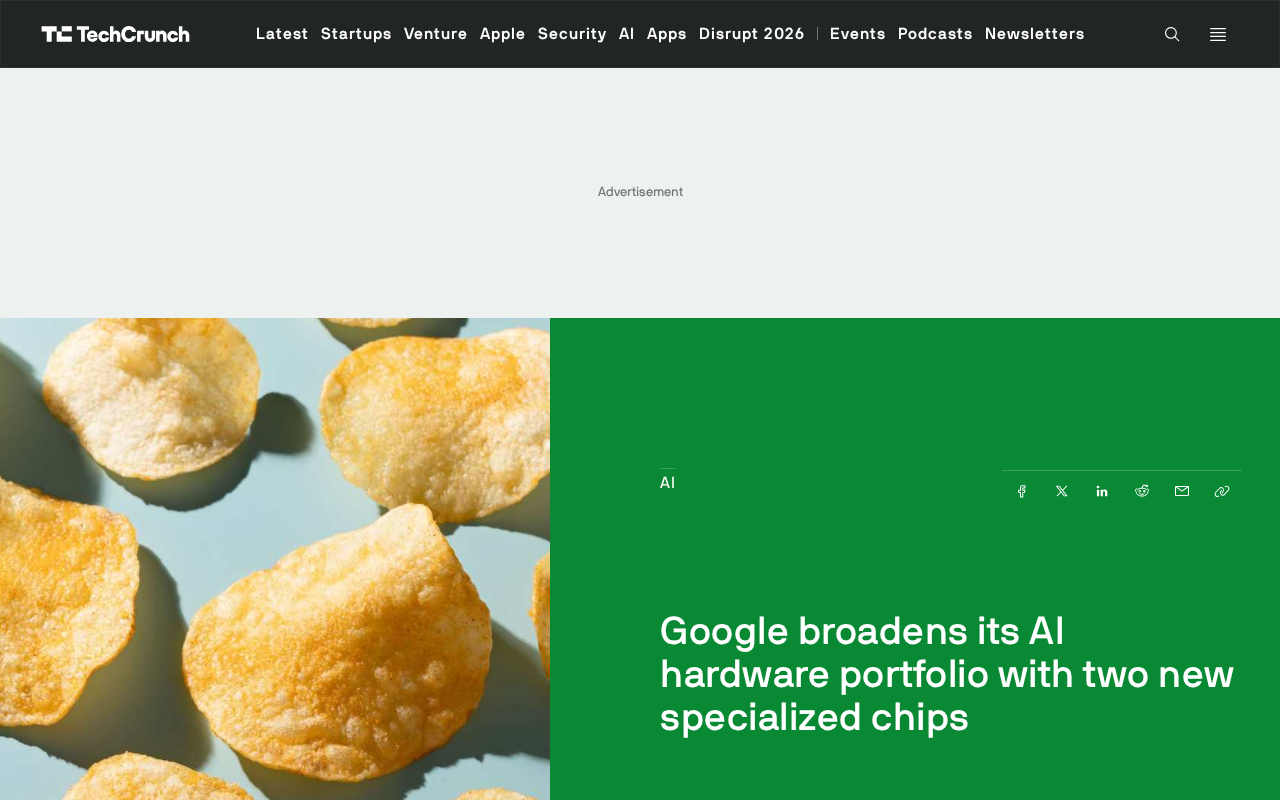
Google Expands AI Chip Lineup: Two New Purpose-Built TPUs Target Confidential Training and Larger Memory
Google launches two new TPUs for confidential model training and larger memory capacity, expanding its AI chip lineup. We analyze their positioning and strategy.
N-able Remote Access Service Hit by Zero-Day Vulnerabilities: Emergency Shutdown and Security Reflections
N-able urgently took its remote access service offline after a researcher publicly released dozens of zero-day vulnerabilities, and urged self-hosted customers to shut down servers. This article analyzes the incident, the security risks of remote access services, the zero-day disclosure controversy, and enterprise response recommendations.
Apple TV Builds Sign Language Into the Player: Accessibility Evolves Again
Apple TV adds built-in sign language interpretation to its player. We analyze how this accessibility feature affects deaf users, player design, and the streaming accessibility race.

Ember Self-Heating Mug Drops 33% to $99.99
Ember Mug 3 14 oz self-heating mug is 33% off at $99.99, with promotions at Amazon, Ember's official site, and Best Buy. Learn discount details, product highlights, and buying advice.

Deploying AV Inference Models Under Constrained Onboard Compute
NVIDIA's developer blog notes that autonomous driving inference models must run within onboard compute and latency limits. This article analyzes the structural conflict between large models and vehicle-side deployment, and the implementation approach of three-layer co-optimization across model, runtime, and hardware.
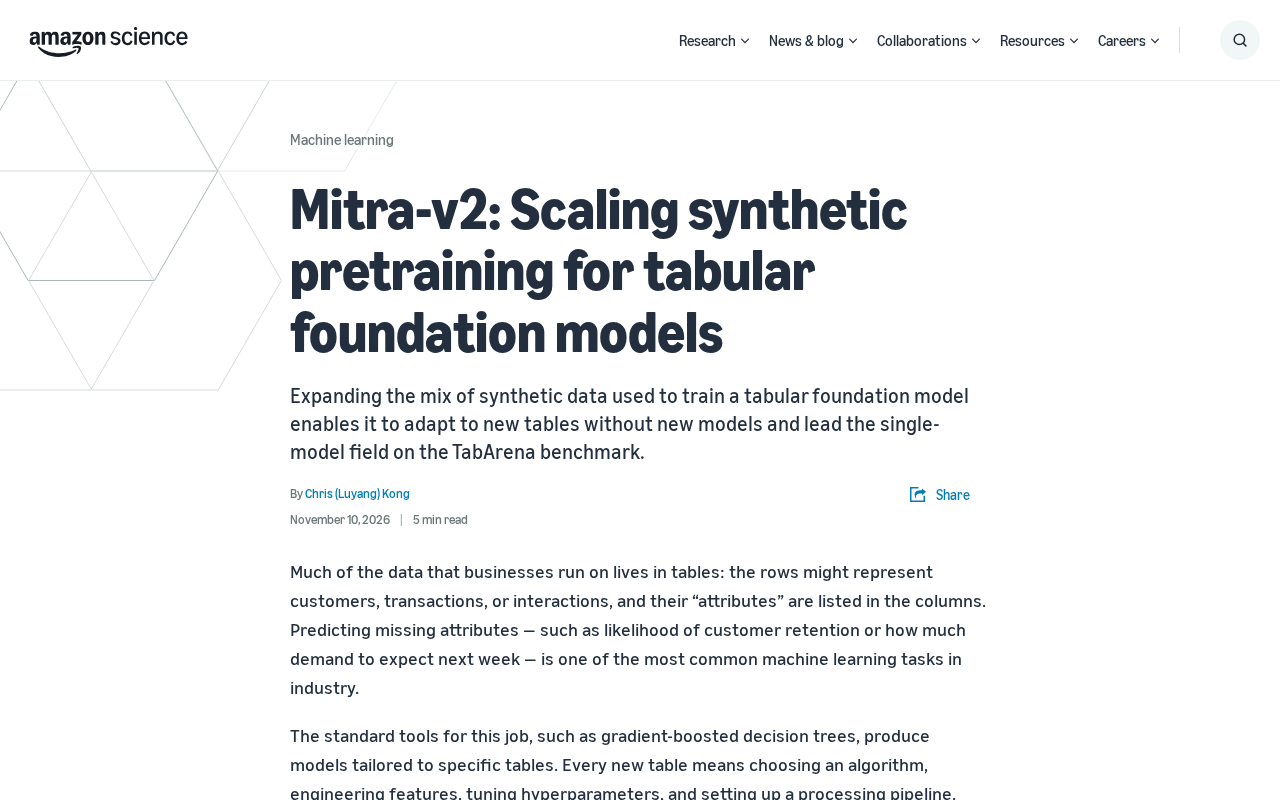
Mitra-v2: How Synthetic Pretraining Is Reshaping Tabular Foundation Models
Mitra-v2 improves tabular foundation model pretraining by expanding the synthetic data mixture, enabling a single model to adapt to new tables without retraining and leading the single-model track on TabArena. This article analyzes its synthetic pretraining approach, benchmark performance, and practical implications.
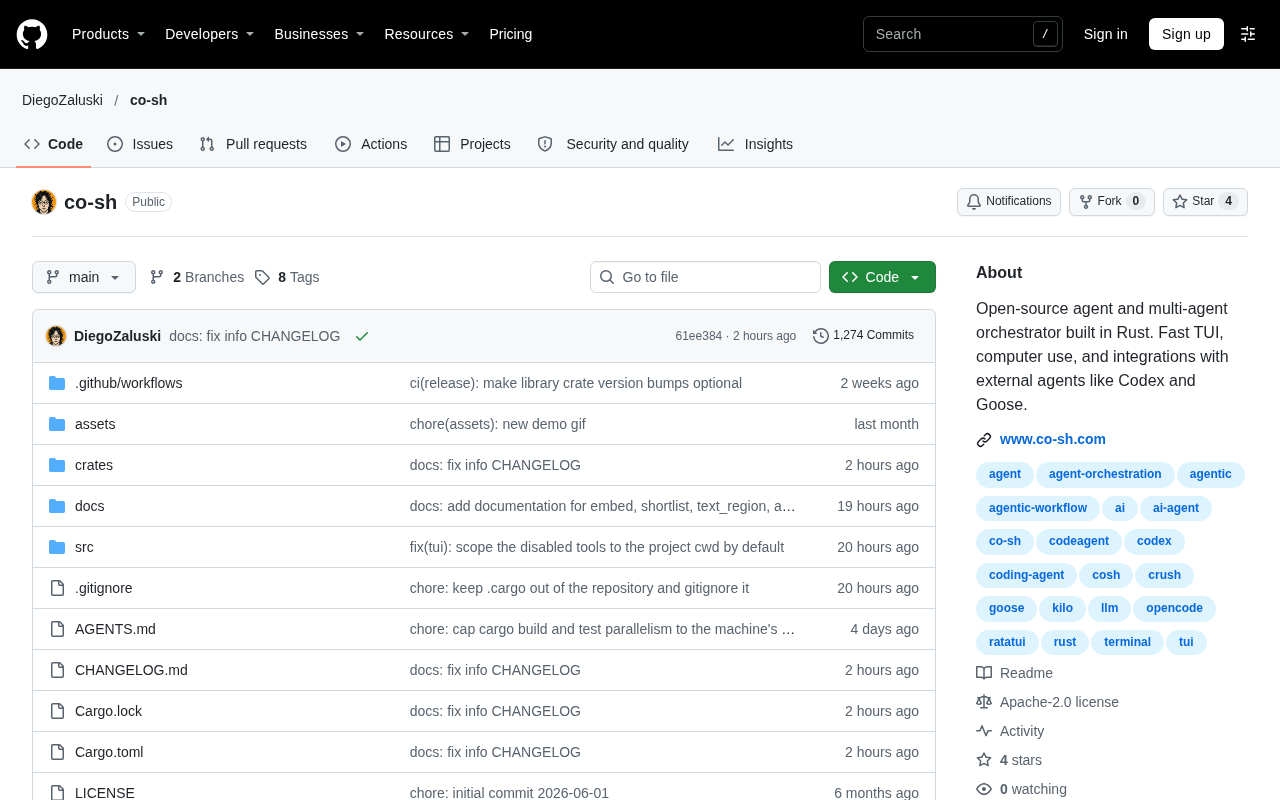
Cosh: Open-Source AI Agent Orchestrator Debuts on Hacker News
Cosh is an open-source AI agent orchestrator that debuted on Hacker News Show HN. This article covers its positioning, early community feedback, and the value of open-source orchestrators in the agent ecosystem.

DiDi Open-Sources X-Helix: Making AI Coding Tools Truly Understand Enterprise Java Microservices
DiDi open-sources X-Helix, an AI coding engineering framework that adds a standards layer on top of Claude Code and Codex to solve compilation failures and missed internal method calls in enterprise Java microservice projects, with knowledge accumulation and team reuse.