#AI编程
9355 related articles

Ghostty: A Cross-Platform Terminal Emulator with Native UI and GPU Acceleration
Ghostty is a cross-platform terminal emulator written in Zig with native platform UI and GPU acceleration, surpassing 63,000 GitHub stars. This article analyzes its technical approach, GPU rendering advantages, and what its community popularity means.

NeatRL: An Open-Source Library That Implements Reinforcement Learning Algorithms from Scratch
NeatRL is an open-source library that implements reinforcement learning algorithms from scratch, including DQN, REINFORCE, PPO, and SAC — ideal for quickly understanding how they work.

Five Qwen3.8-27B Models Team Up to Beat Fable 5: The Memdoor Multi-Agent Approach
The Memdoor open-source project showcases the team-solve workflow: 5 Qwen3.8-27B models collaborate through role division and a memory layer to beat Fable 5 on LiveCodeBench Hard, exploring how multi-agent orchestration can achieve more with less.
 Tech Frontiers
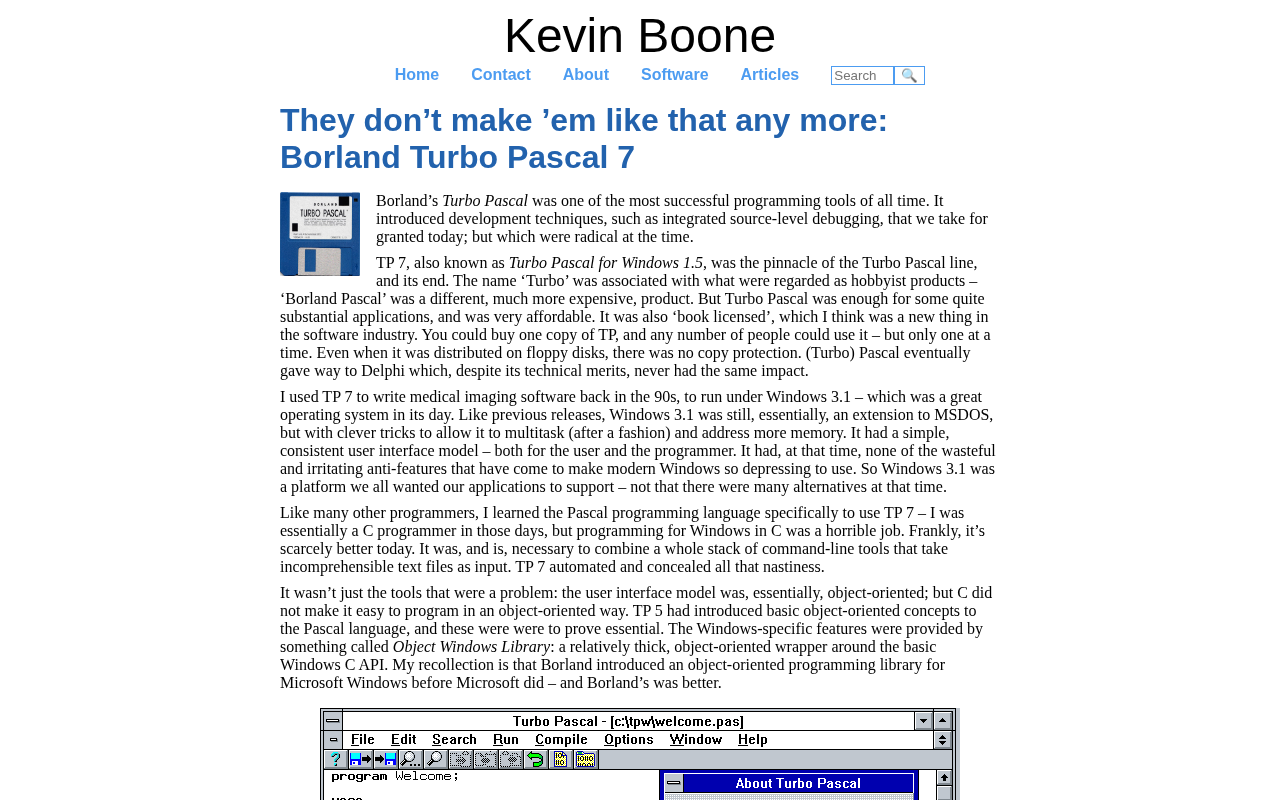
Borland Turbo Pascal 7: Why Old-School Programming Tools Are Missed
Borland Turbo Pascal 7 sparked 207 upvotes and 113 comments on Hacker News. This analysis explores why this DOS-era programming tool is still missed and what it teaches modern IDE and tool design.
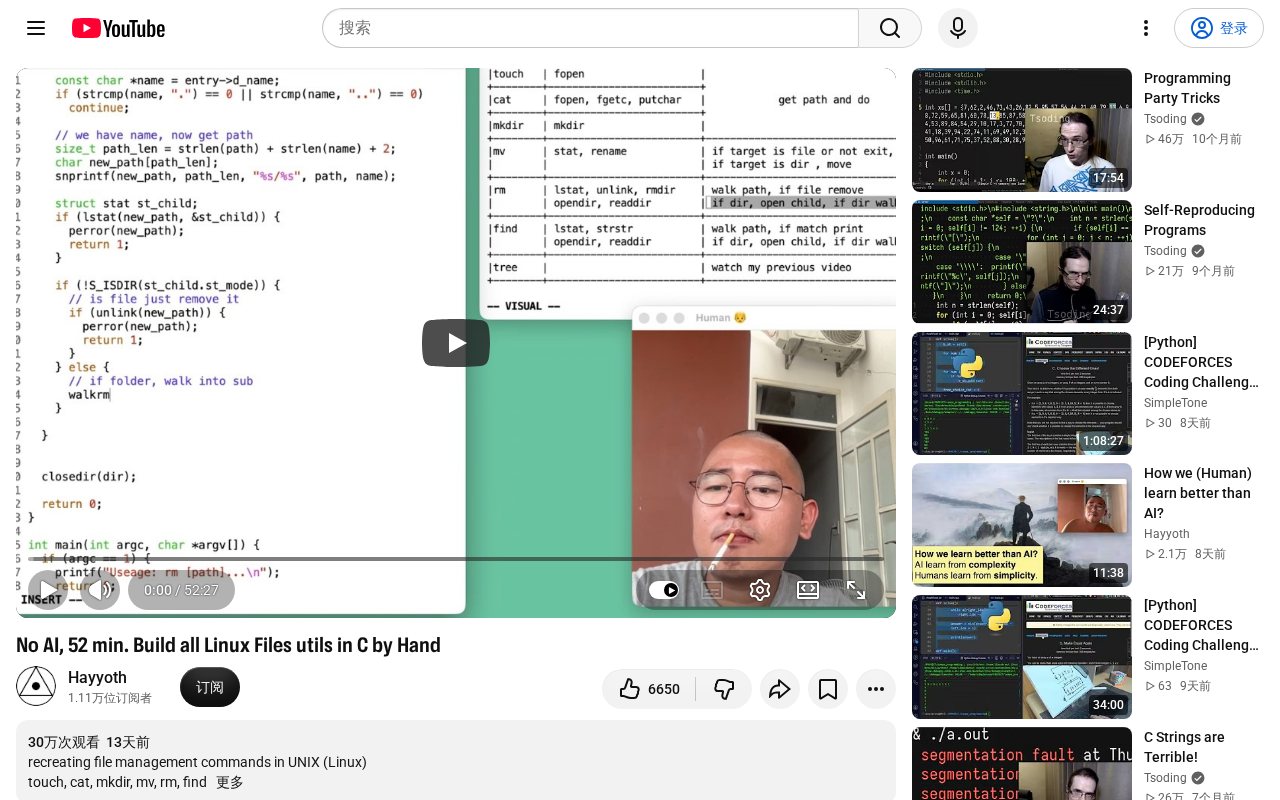
No AI, 52 Minutes: Hand-Writing a Linux File Utilities Suite
A developer hand-writes a Linux file utilities suite in C in 52 minutes without AI, sparking Hacker News discussion on manual systems programming vs. AI-assisted coding.

Why Five Small Models Teamed Up Can Beat a Large Model: Lessons from Memdoor
A hot Reddit post discusses how Memdoor's team of five Qwen3.8-27B models beat Fable 5 on LiveCodeBench Hard, sparking deep discussion on multi-agent parallel vs. sequential collaboration and model usage under compute constraints.

Rewriting an IDE in Rust: What New Possibilities Does OpenIDEA Bring?
The OpenIDEA project attempts to rewrite a familiar IDE in Rust, exploring the possibilities of native performance, memory safety, and concurrency models in developer tools. This article analyzes its technical motivations and practical impact on developers.

Is It Still Worth Learning LangChain and LangGraph in 2026?
Is learning LangChain and LangGraph worth it in 2026? Based on a Reddit question, this article analyzes their value, prerequisites, learning path, and resources for CS students and developers.

DeepSeek Open-Sources dsh-superagent: Router-Worker Architecture Reshapes Coding Agents
DeepSeek open-sources the MIT-licensed dsh-superagent research prototype, using router-worker architecture to turn GitHub and Feishu requests into parallel worker sessions; in simulation, p95 task completion time drops from 29.5 to 15.7 minutes.

From ChatGPT Content Restrictions to Eval, Observability, and Guardrail in Practice
Through a hands-on e-commerce order Agent, this article explains the engineering logic behind ChatGPT content restrictions and how Eval, Observability, and Guardrail work together to prevent same-name user data leaks and prompt injection risks.
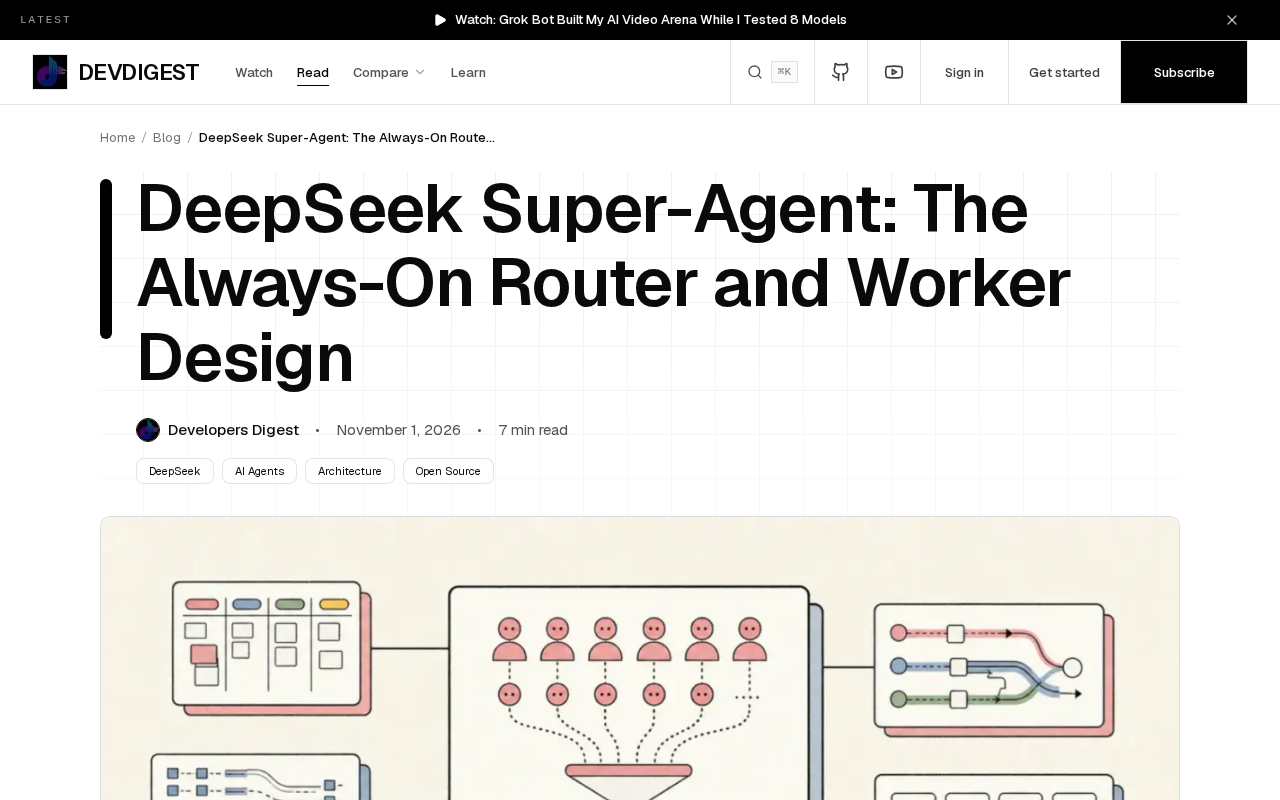
DeepSeek Open-Sources Super-Agent: An Architecture Deep Dive into the Router and Worker Design of an Always-On Coding Assistant
DeepSeek open-sources the always-on coding agent dsh-superagent, using a separated Router-Worker architecture that balances continuous operation and permission control. This article analyzes its design approach, what the code actually delivers, and the safety debate surrounding autonomous coding assistants, helping developers decide whether it is worth learning from.

LangChain4j Decision Models: Validating Java Tool Calls Locally
LangChain4j community proposes Decision Models to validate Java tool calls locally, moving control logic from the LLM back to the app side for reliability.

The AI Cost of JavaScript Frameworks: Why AI Coding Tools Favor React and Vue
JavaScript framework selection gains a new dimension: AI cost. We explain why some frameworks are harder for AI to understand and generate, whether convention-driven design helps or hurts, and how teams should adjust framework selection and code review practices in the age of AI-assisted coding.

FreeLLMAPI: Unlocking Claude Code's 7.4B Token Pool for Free
FreeLLMAPI is a GitHub project that routes Claude Code requests to a free model pool via an API router, offering 7 billion free tokens per month. This article analyzes its working principles, potential risks, and use cases.

Free Tool Code Review Graph Saves Up to 49x Tokens for Claude Code
Free tool Code Review Graph locally maps functions, classes, and imports so Claude Code reads only relevant files—up to 49x token savings in self-tests, 14x on coding tasks, 6.8x on code review, compatible with Claude Code, Codex, Cursor, and more.

8 Free Claude Code Commands That Make AI Agents Speak Plain English
Introducing OpenSteps, a free open-source command pack shared on YouTube with commands like done or not, check work, and what could go wrong, helping Claude Code and other AI agents turn technical output into easy-to-understand conclusions, works across Cursor, Codex, and Gemini CLI.

Google's Free AI Coding Agent Tested: 1,380 Requests, Zero Files Generated
Testing Google's free AI coding agent: 1,380 requests all errored, zero files generated. Learn about quota limits and reliability issues of free AI coding tools.

Free Access to Gemini, Claude, and GPT: Hands-On with the Antigravity CLI Terminal
A YouTube demo of Antigravity CLI: install with one command in the VS Code terminal, type ag to freely switch between Gemini 3.1 Flash, Claude Sonnet, and GPT with no API key, plus analysis of use cases and the real limits of free mode.

Free AI Coding Models: The OpenCode + OpenRouter + Kilo Code Combo
A free AI coding model combo built on OpenCode, OpenRouter, and Kilo Code: registration, API Key setup, free model selection, who it suits, and the risks.

The Truth About Free LLM APIs: No Account Needed, But Limits Are Tighter Than You Think
The state of free LLM APIs in 2026: GitHub Models is gone, OpenCode Xen needs no account, and OpenRouter's 50 requests/day cover only 6-8 small fixes. 429s stem from single hosts.