#MCP
473 related articles

Connecting an AI Agent to an MCP Server ≠ Full Tool Access
An AI agent connecting to an MCP server doesn't mean it can use all its tools. Doordash's Gateway authenticates and authorizes every call, separates read/write permissions, propagates identity with requests, and centralizes permission management.

The Biggest Hidden Risk of MCP Servers: Connecting Tools Doesn't Mean Understanding the Business
MCP lets AI Agents easily connect to enterprise tools, but brings two hidden risks: tool overload and missing semantics. This article explains why MCP only connects and doesn't understand the business, and how a context layer standardizes metrics, unifies entities, and constrains execution to build reliable Agent automation.

Storrito Agent Integrates MCP Server: Demo and Setup Tutorial
Storrito Agent adds MCP server connections. This article breaks down the official demo's full setup flow—conversation trigger, reading official docs, account authorization, and querying social accounts—and analyzes MCP's significance for AI agent integration and its design trade-offs.
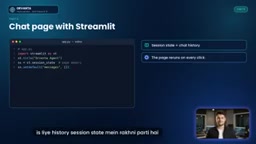
Building an AI Agent with a Chat Interface Using Python and MCP
Build a chat interface for an AI Agent with Python and Streamlit, complete with history and authorization buttons, integrate ready-made MCP servers for file system, Web, and GitHub, and use simple RAG to let the agent search your own documents.
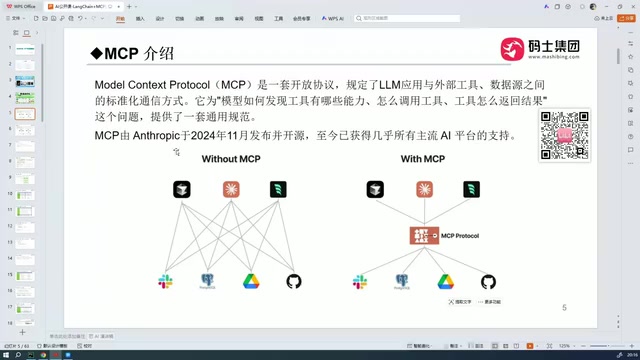
LangChain and MCP Integration in Practice: From Framework to Agent Development
Explaining how LangChain and MCP fit together: LangChain as an AI app framework and MCP as a tool-calling protocol, enabling reusable, cross-framework agent tools. Covers agent wrapping, function calling vs. MCP, and practical learning advice.

GoHighLevel Conversational AI Adds MCP: Agents Can Call 40+ External Apps
GoHighLevel's conversational AI now supports MCP, enabling agents to call 40+ external apps during chats to book appointments, send payments, and write to spreadsheets. Learn about limitations, configuration, and launch timing.
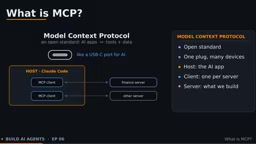
Build an MCP Server in 30 Lines of Python and Connect It to Claude Code
Package finance tools into an MCP server in about 30 lines of Python and connect it to Claude Code via stdio. This article breaks down MCP's three roles and its Tools, Resources, and Prompts capabilities, explains decorators and type hints, the MCP Inspector self-test workflow, and the claude mcp add command format and scope settings.

What Is MCP? The Open Standard That Connects AI to Every Tool
MCP (Model Context Protocol) is the open standard that lets AI apps connect to tools uniformly. This article explains MCP's Host, Server, and Client roles, the Tools, Resources, and Prompts building blocks, the full path of a tool call, plus two-way use in n8n and security risks.
MCP Explained: How AI Agents Connect t…
MCP Explained: How AI Agents Connect to Your Apps
Using an e-commerce support bot scenario, this visual guide explains how MCP solves the M×N AI-tool integration problem, why raw REST calls fall short, the Tools/Resources/Prompts primitives, and Host-Client-Server security.
Analyzing Stock Portfolios with AI Agents: Zerodha Kite MCP + NSE MCP in Practice
Based on a YouTube demo, this guide explains how to connect Zerodha Kite MCP and NSE MCP in Google Antigravity so an AI agent can read holdings, diagnose risk, compare indices, and generate investment plans—all while keeping a read-only security boundary.
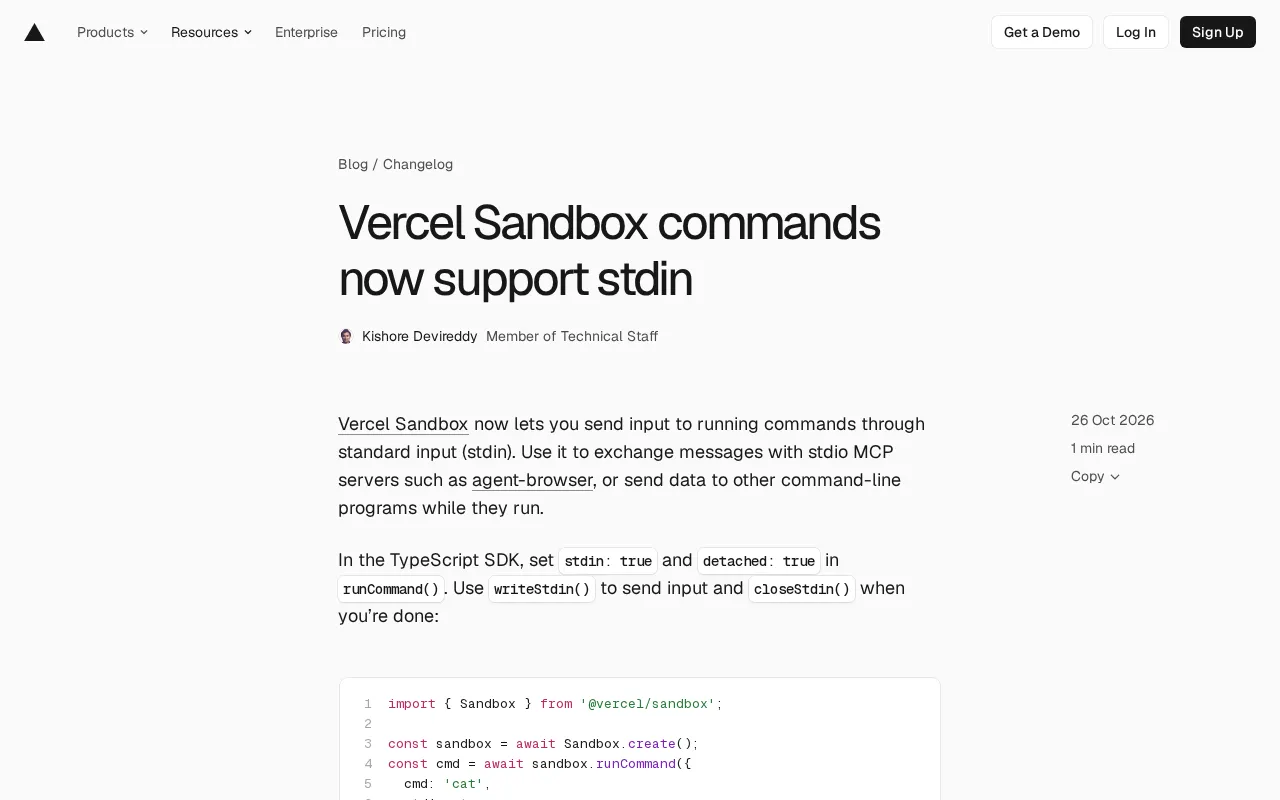
Vercel Sandbox Adds stdin Support: Opening Interactive Command Channels for AI Agents
Vercel Sandbox now supports stdin, letting running commands receive standard input. This article explains TypeScript and Python SDK usage, and what it means for stdio MCP servers, agent-browser, and other Agent toolchains, plus caveats.

Podia Integrates ChatGPT and Built-in Agent: A Hands-On Guide to Creator AI Tools
Podia launches MCP connections and a built-in AI Agent, letting creators link accounts to ChatGPT or use built-in tools to query products, generate course drafts, and build email sales funnels. This hands-on guide, based on the official demo, walks through both paths, quota limits, and usage boundaries.
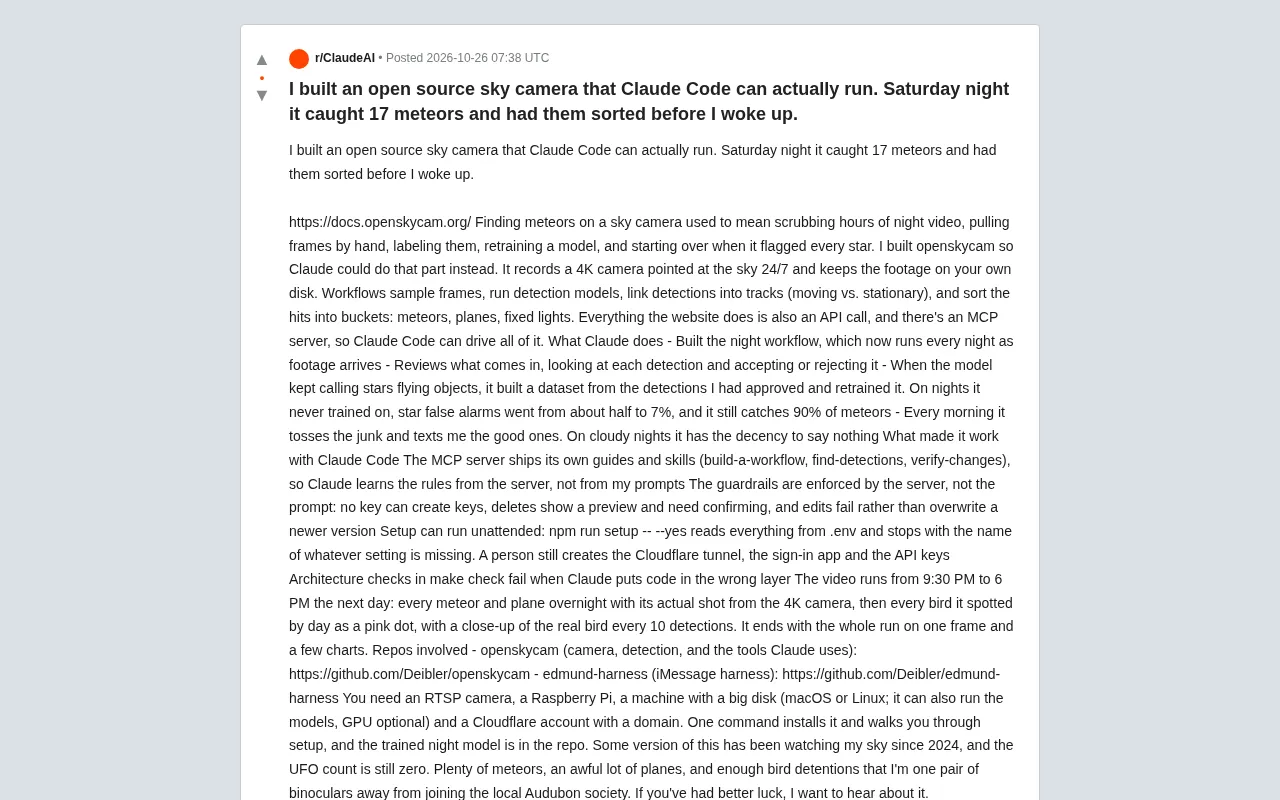
Open-Source Sky Camera: Claude Code Automatically Catches Meteors, Spotting 17 in One Night
Open-source sky camera openskycam lets Claude Code autonomously run nighttime meteor detection: auto frame extraction, classifying meteors vs. planes, retraining the model to cut star false positives from about half to 7%, catching 17 meteors in one night and auto-pushing results.
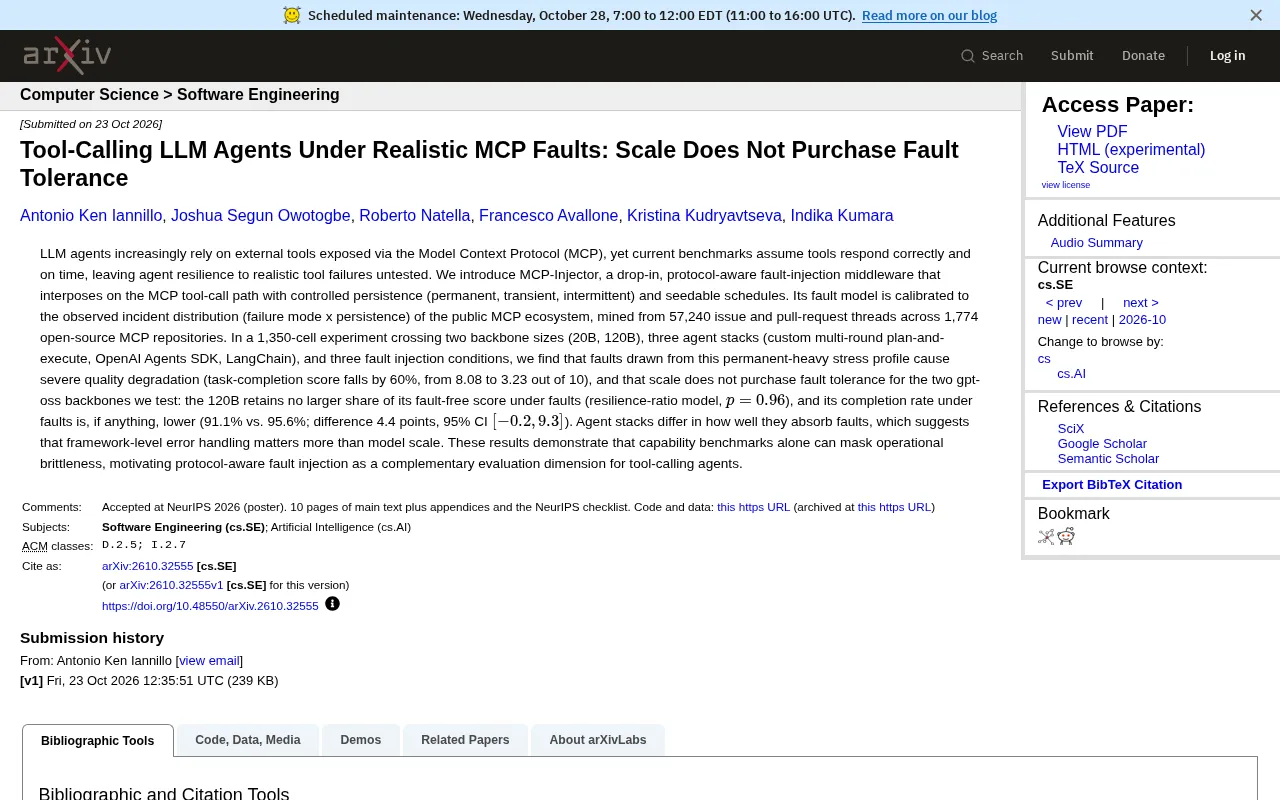
Do Larger LLMs Handle Errors Better? MCP Fault Injection Experiment Says No
A study using MCP-Injector fault injection shows tool-calling LLM Agents drop ~60% in task scores under real MCP faults, while 20B and 120B models show no significant difference in fault tolerance (p=0.96), making framework-level error handling more critical than model scale.
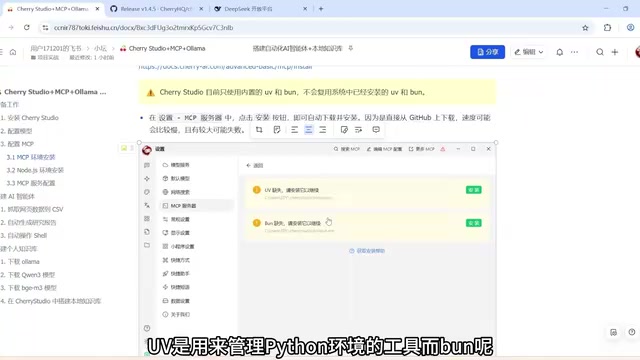
Hands-On: Building Automated AI Agents and a Local Knowledge Base with Cherry Studio + MCP
A hands-on guide to configuring MCP servers in Cherry Studio with DeepSeek V3 for file and web automation, plus a private local knowledge base using Ollama and bge-m3.

How AI Agents Call GitHub Tools: Secure Automation Under the MCP Protocol
A deep dive into how AI Agents call GitHub tools via the MCP protocol: from model tool selection and human confirmation to API execution and JSON communication, revealing the full secure automation workflow.

MCP Protocol Explained: Giving AI Agents Tools and Memory
MCP lets AI agents securely connect to Gmail, Slack, and other tools with persistent memory. This article explains the three-step loop—connect tools, add memory, define goals—and how it eliminates repetitive work, turning AI from a chat tool into a practical productivity system.

Building Jarvis with Claude + MCP: Smart Home Access Without Hardware Modifications
A creator used Claude Code to generate an MCP Server and connect directly to a smart bulb via the Tuya Smart Life API, bypassing Alexa and Google Home for a Jarvis-style voice-controlled light experience. This article breaks down the four-step setup, technical principles, and limitations.
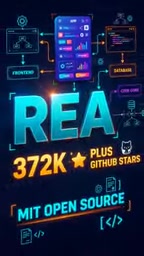
REA: Reverse Engineering Any Software with AI Agents
REA is an MCP server and skill pack for AI coding agents like Claude Code and Cursor that reverse engineers JavaScript, Electron, binaries, Android apps, and firmware. This article covers its workflow, supported platforms, local analysis benefits, limitations, and lawful use.

REA: Five-Step Reverse Engineering of Any App with AI Agents
REA is an open-source tool that lets AI agents like ClaudeCode connect to and drive reverse engineering tools such as Ghidra and IDA via MCP, completing analysis of binaries, Electron apps, .NET programs, or websites in five steps with evidence-backed reports—all running locally.