#Claude Fable
10 related articles
·2 min
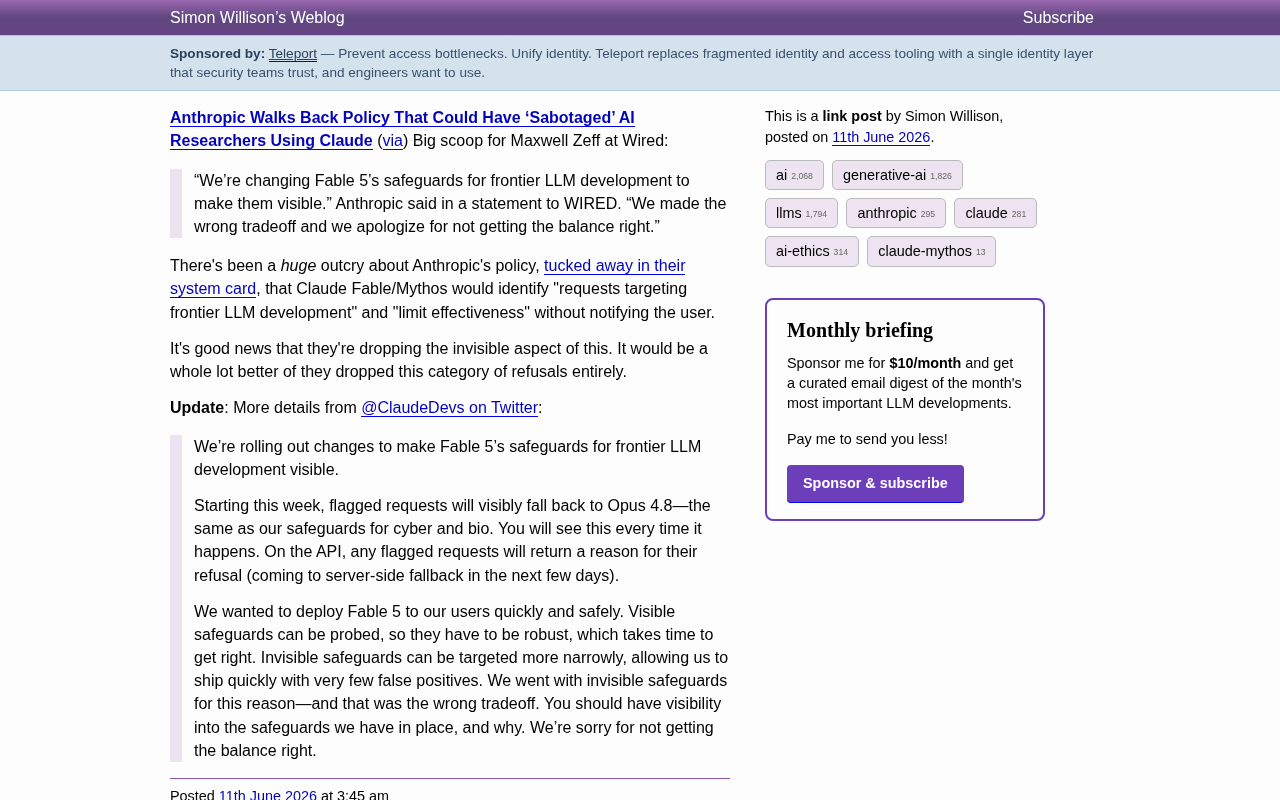
Anthropic Reverses Controversial Policy of Secretly Throttling AI Researchers Using Claude
Anthropic reverses its controversial policy of secretly throttling Claude Fable/Mythos responses to frontier LLM development requests after community backlash, raising critical questions about AI transparency.
Read more →
·1 min
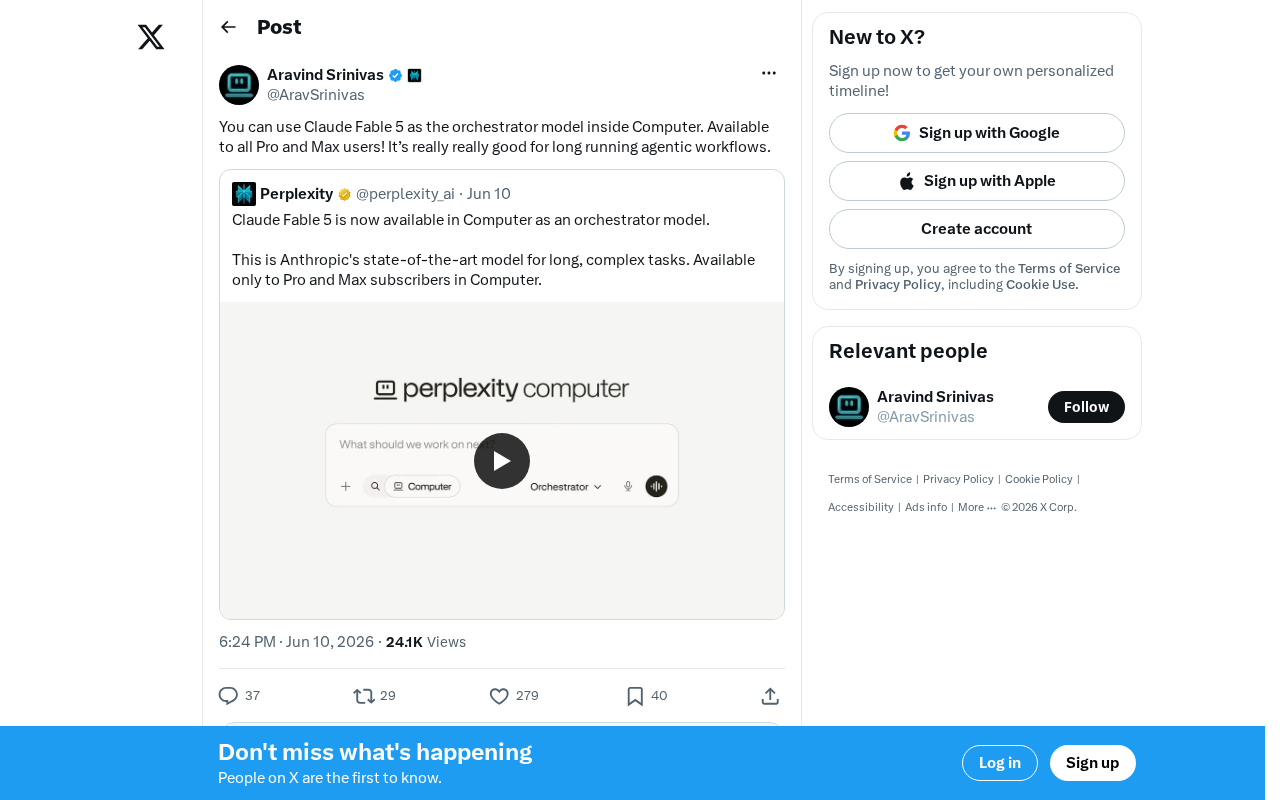
Claude Fable 5 as a Computer Use Orchestrator Model: Excelling in Long-Running Agent Workflows
Anthropic launches Claude Fable 5 as a Computer Use orchestrator model for Pro and Max users, excelling in long-running agent workflows for automation tasks.
Read more →
·2 min
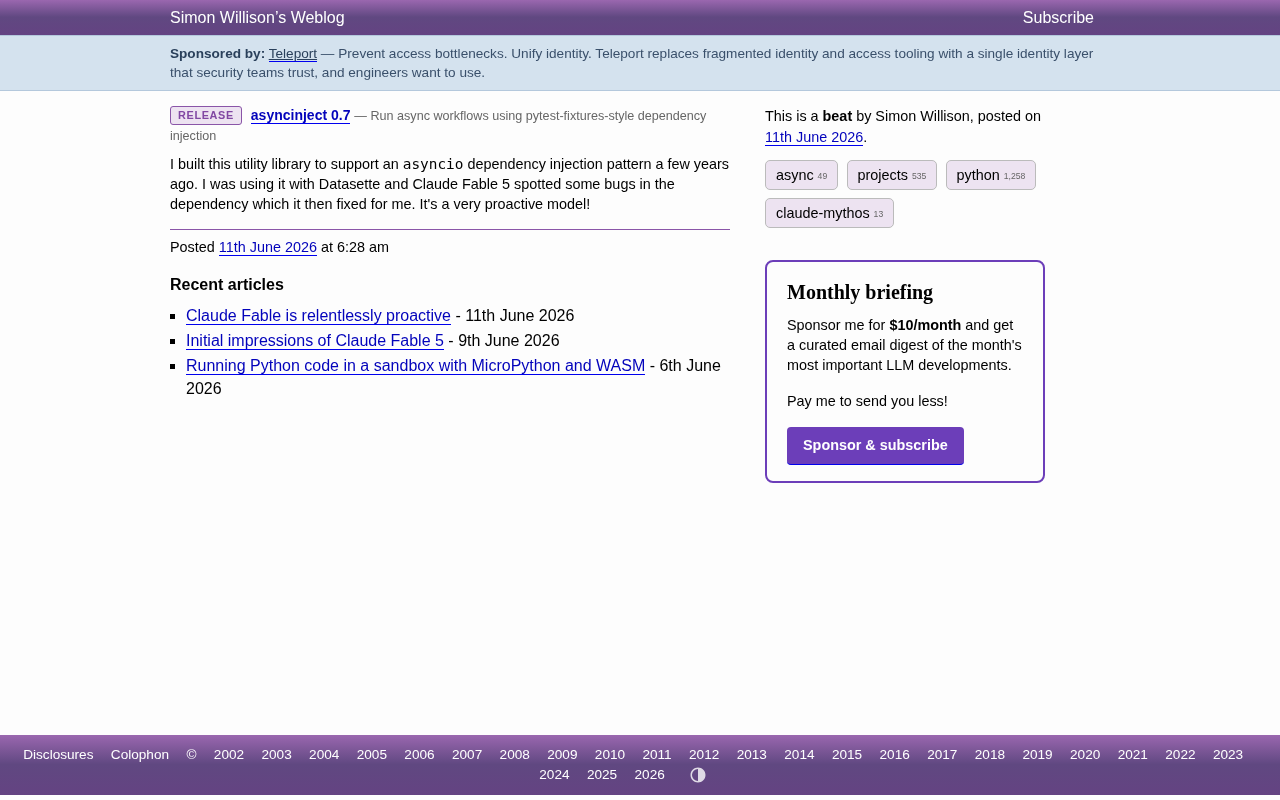
Claude Proactively Discovers Bugs in an Open-Source Library: AI Evolves from Coding Assistant to Collaborator
Simon Willison releases asyncinject 0.7, fixing bugs proactively discovered by Claude. This case shows AI evolving from passive coding assistant to active code reviewer and collaborator.
Read more →
·3 min
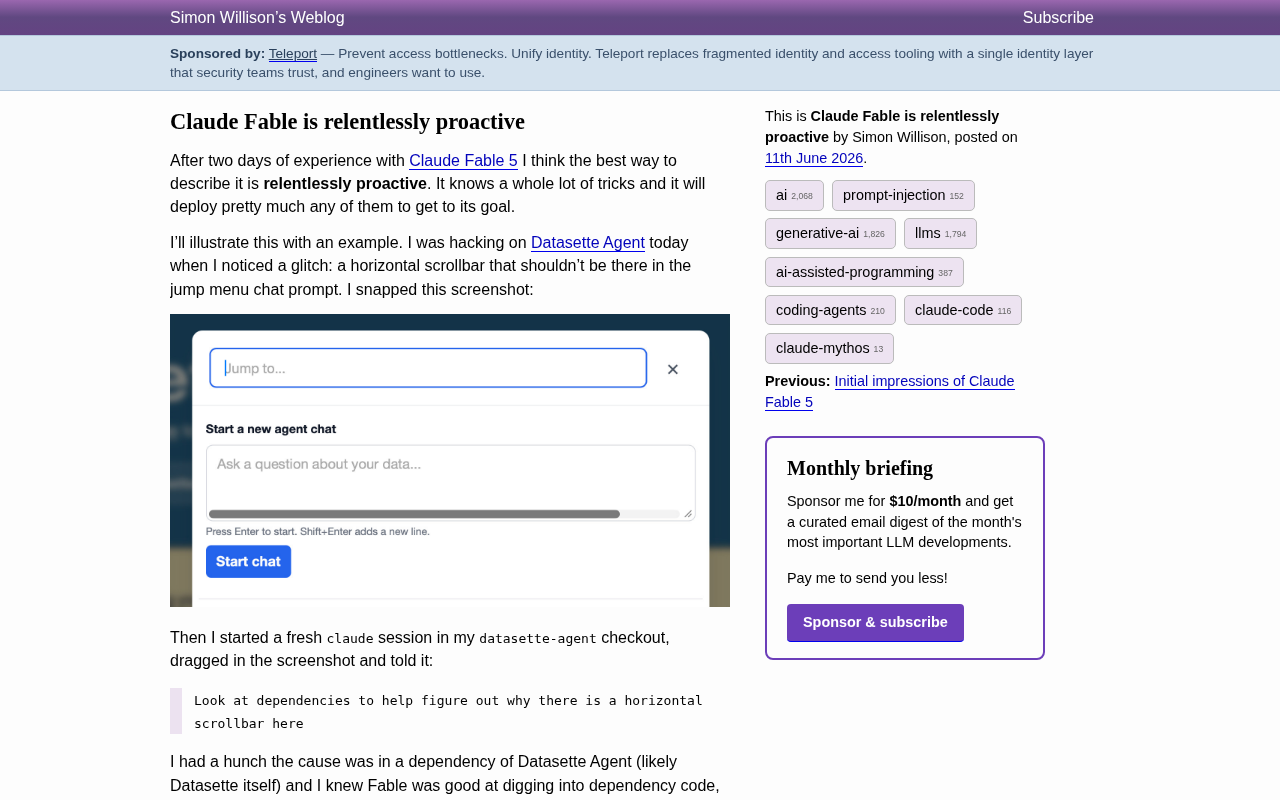
Claude Sonnet 4 Invents Its Own Browser Automation: The Wild Debugging Journey of a CSS Bug
Simon Willison shares how Claude Sonnet 4 (Fable) autonomously invented PyObjC screenshots, built a CORS server, and penetrated Shadow DOM to debug a CSS bug — revealing both tool-making power and security risks.
Read more →
·2 min
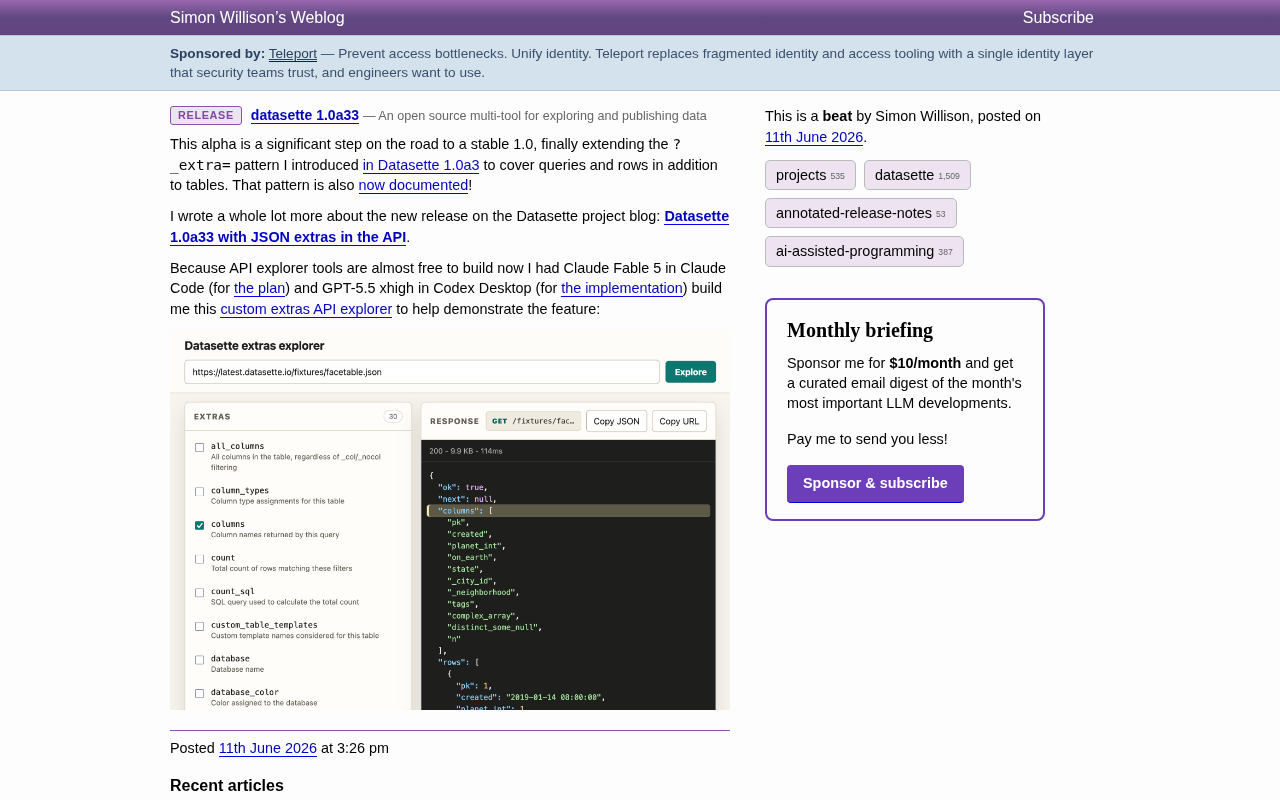
Datasette 1.0a33 Released: Comprehensive JSON Extras API Expansion and AI-Assisted Development in Practice
Datasette 1.0a33 extends the ?_extra= pattern from tables to queries and rows. Simon Willison uses dual-AI workflow with Claude and GPT to build an interactive API Explorer tool.
Read more →
·2 min
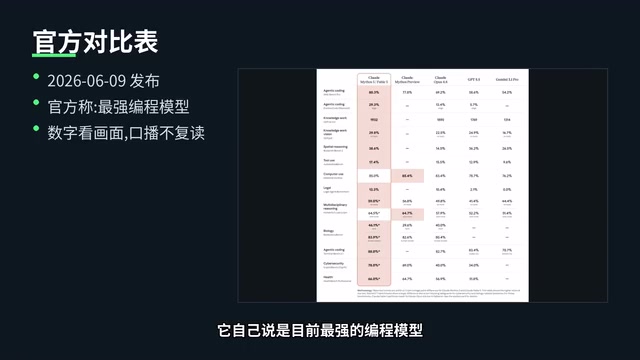
Claude Fable 5 Coding Stress Test: Three Hardcore Tasks, All Passed — Plus a Hybrid Cost-Saving Strategy
Hands-on test of Claude Fable 5 on 3D world generation, real repo bug fixing, and physics coupling simulation — all passed first try. Plus a hybrid cost-saving strategy with DeepSeek.
Read more →
·4 min
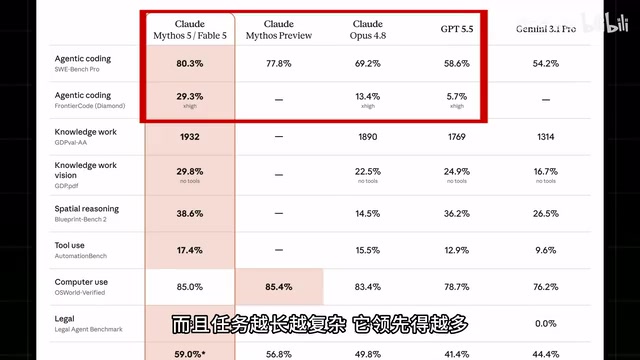
Claude Fable 5 Hands-On Review: Crushes GPT 5.5, But the Cost Is Brutal
In-depth hands-on review of Claude Fable 5's coding capabilities through full-stack and long-form complex tasks, comparing performance, costs, and use cases vs GPT 5.5 and Opus 4.8.
Read more →
·2 min
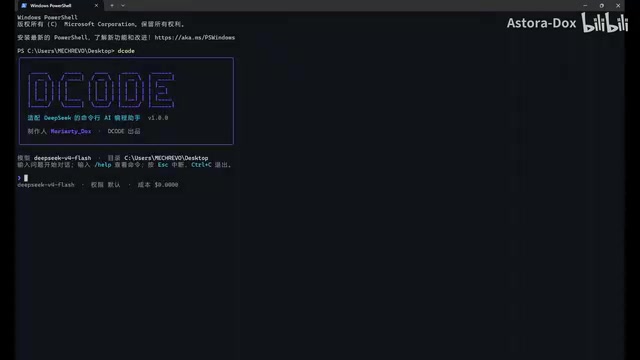
Building a CLI Coding Tool for DeepSeek with Claude Fable
A developer used Claude Fable to build a CLI coding tool powered by DeepSeek API — no VPN or subscription needed, just a DeepSeek API Key for command-line AI coding.
Read more →
·2 min
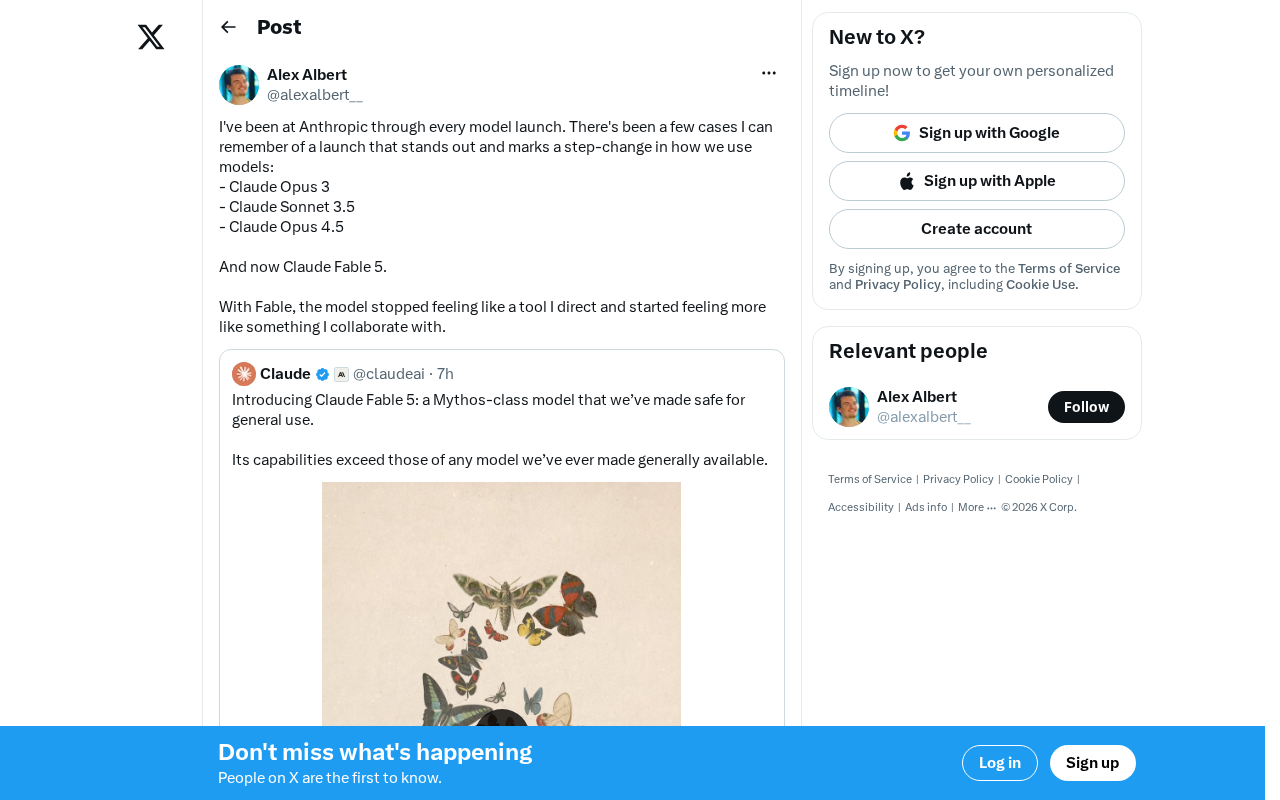
An Anthropic Employee's Firsthand Account: How Claude Fable 5 Evolved from Tool to Collaborative Partner
A veteran Anthropic employee shares observations on Claude's evolution from Opus 3 to Fable 5, highlighting four milestone releases and how Fable 5 marks the shift from tool to collaborative partner.
Read more →
·2 min
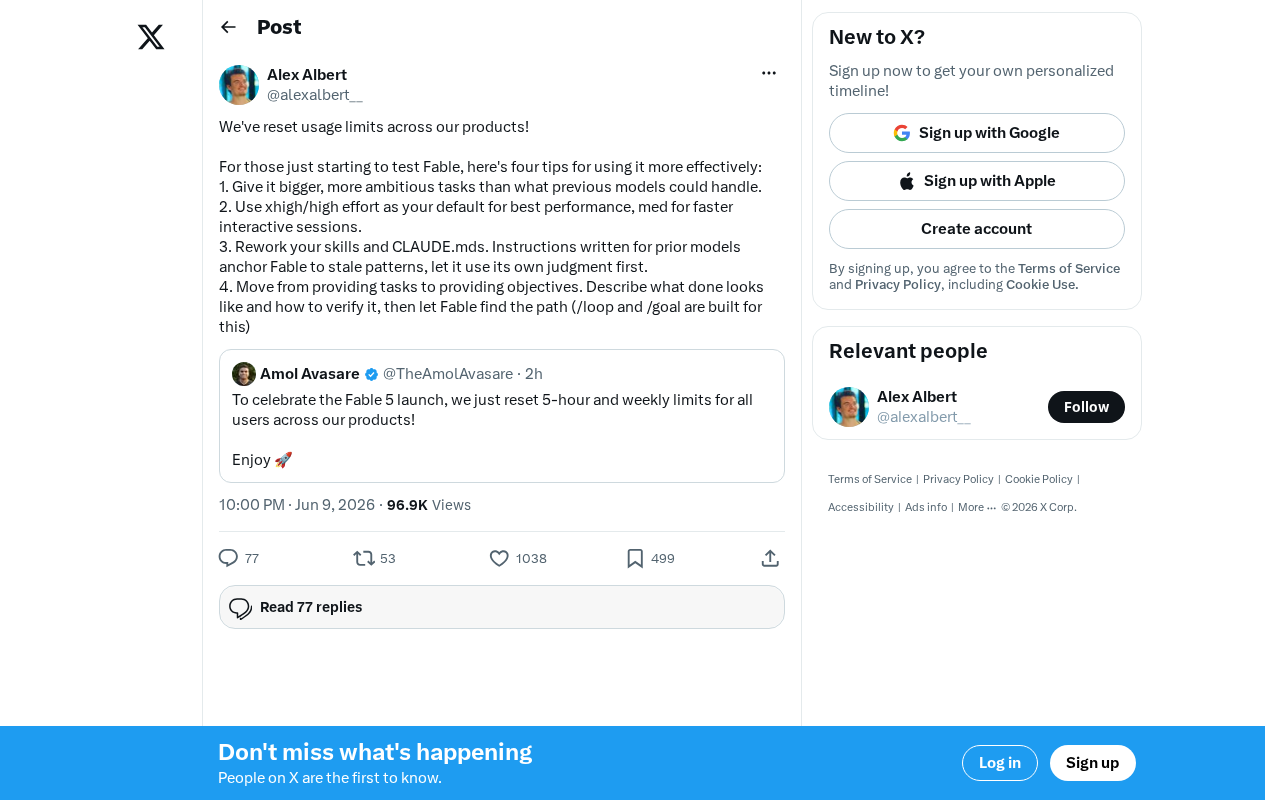
Claude Fable User Guide: Four Core Tips to Boost AI Development Efficiency
Anthropic shares four key tips for Claude Fable: assign bigger tasks, choose effort levels wisely, rewrite old instructions, and shift from tasks to goals.
Read more →