#Lost in the Middle
68 related articles
Tutorials
AI Programming Spec Sheets: 30 Lines o…
·3 min
AI Programming Spec Sheets: 30 Lines of Configuration Saves Five Rounds of Rework
Replace vague prompts with spec sheets—30 lines of config gets AI coding right the first time. Covers the six-element framework, three-tier boundaries, and three iron rules to eliminate rework.
Read more →
Product Reviews
Claude Opus 4.8 Deep Dive: A Comprehen…
·2 min
Claude Opus 4.8 Deep Dive: A Comprehensive Review of Judgment, Honesty, and Cost-Effectiveness
Deep dive into Claude Opus 4.8's core upgrades: improved judgment, optimized honest feedback, and Fast Mode costs cut to one-third. Compared with DeepSeek and GPT-5.5 for AI coding and long-context reasoning.
Read more →
 Deep Dives
·3 min
Single-Agent vs Multi-Agent: A Three-Step Decision Framework for Choosing the Right Architecture
Based on Anthropic's engineering practices, a detailed three-step decision framework for single-agent vs multi-agent architecture: bottleneck identification, technical feasibility, and business value filtering.
Read more →
 Tutorials
·3 min
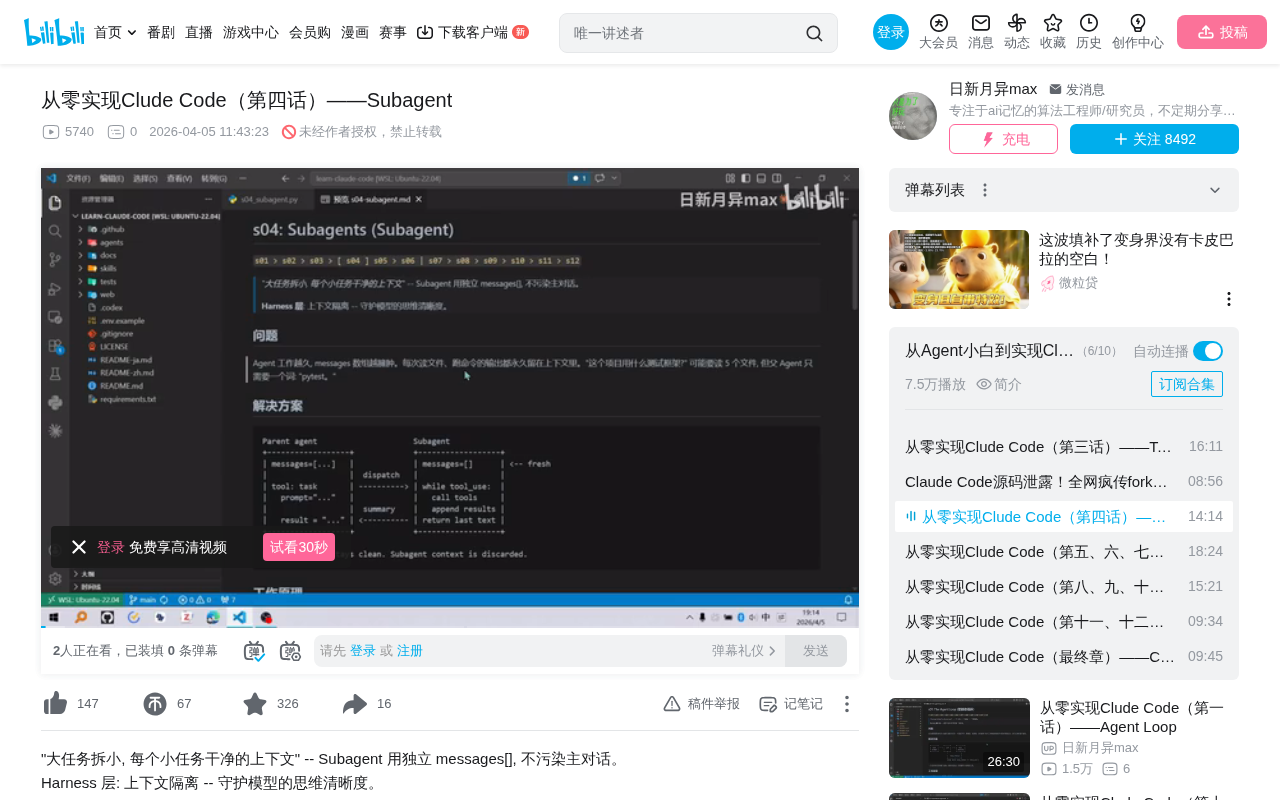
SubAgent Architecture: The Core Implementation for Context Isolation
Deep dive into SubAgent context isolation architecture, covering parent-child Agent roles, tool definitions, run_subagent implementation, and differences from TodoList and Agent Teams.
Read more →
 Tutorials
·2 min
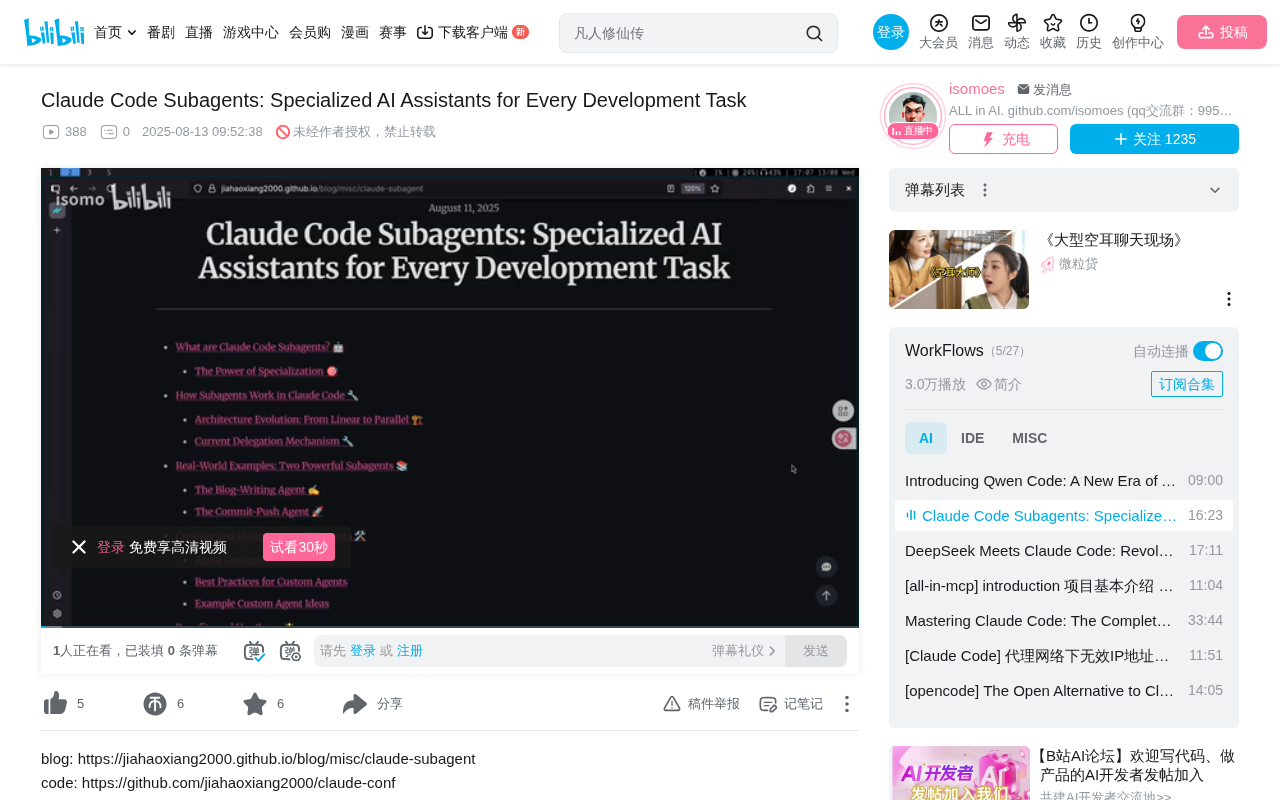
Claude Code Sub-Agent: A Practical Guide to Multi-Agent Collaboration for Enhanced Development Efficiency
Deep dive into Claude Code Sub-Agent mechanism with a practical blog writing + Git commit case study, showing how multi-agent collaboration solves instruction loss and context bloat issues.
Read more →
 Deep Dives
·3 min
Deep Dive into MCP Code Execution & Agent Skills: Compressing 150K Tokens Down to 2,000
Deep analysis of two MCP ecosystem breakthroughs: code execution compresses tool definitions from 150K to 2K tokens, and Agent Skills enable capability packaging and reuse.
Read more →
 Deep Dives
·2 min
Agents Need Control Flow, Not More Prompts
Why do longer Prompts make AI Agents less stable? This article explains the control flow first architecture, replacing natural language control flow with code orchestration to boost multi-step reliability from 40% to over 90%.
Read more →
 Tutorials
·3 min
Deep Agents: Enterprise-Grade Agent Engineering and Deep Research Implementation Guide
Learn how the Deep Agents framework solves enterprise AI Agent challenges like tool sprawl and context pollution, with a complete Deep Research implementation guide covering task decomposition, multi-source integration, and structured report generation.
Read more →