#Lost in the Middle
67 related articles

·3 min
Enterprise-Level AI Project Rules Files: 5 Hard Rules + 6 Writing Techniques
AI keeps messing up your code? Learn 5 hard rules and 6 writing techniques for enterprise-level Rules files in Claude Code, Cursor & more, with templates.
Read more →
·2 min
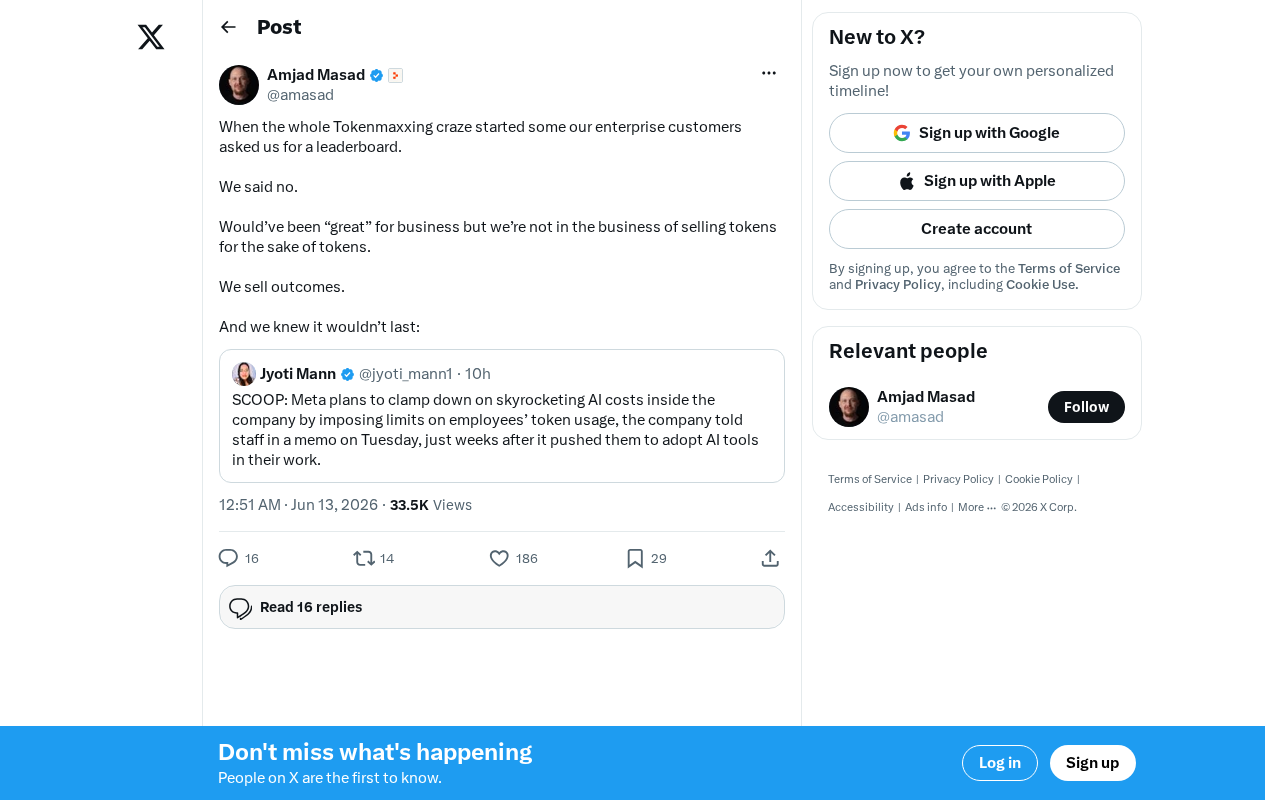
The Decline of Tokenmaxxing: Why Selling Outcomes Matters More Than Selling Tokens
The Tokenmaxxing craze is fading as enterprise AI procurement shifts from chasing Token counts to focusing on actual business outcomes. Learn why outcome-based AI evaluation is the right approach.
Read more →
·3 min
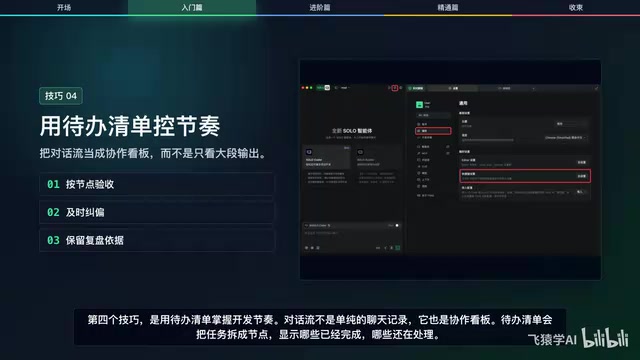
12 Practical Tips for Vibe Coding with Trae SOLO: From Getting Started to Efficient Collaboration
12 practical tips for vibe coding with Trae SOLO covering agent selection, Plan mode, context management, custom rules, and more to build an efficient AI programming workflow.
Read more →
·4 min
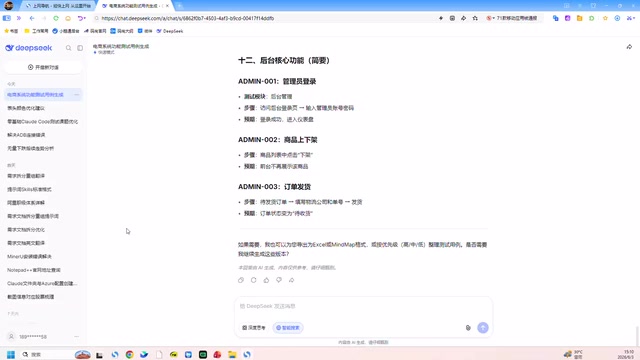
Claude Code + Skills: A Practical Guide to AI-Powered Test Case Generation
Learn how to use Claude Code + Skills to auto-generate enterprise-grade test cases. Covers AI Agent vs LLM differences, the four core capabilities, and the complete workflow from requirements to test cases.
Read more →
·3 min
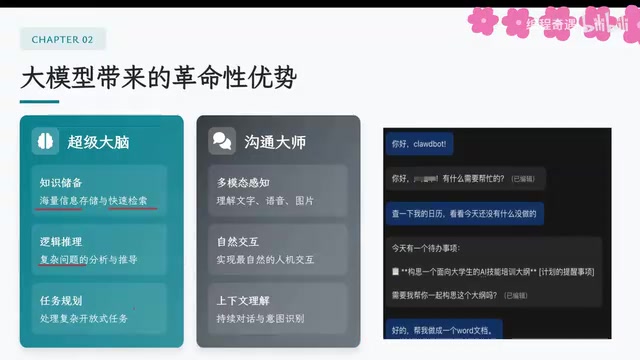
AI Agent Core Architecture Breakdown: From Concept to Enterprise-Grade Intelligent Agent Development
Deep dive into AI Agent architecture: perception, brain, and action modules. Covers RAG memory systems, tool calling mechanisms, Chain of Thought reasoning, and enterprise agent development roadmap.
Read more →
·3 min
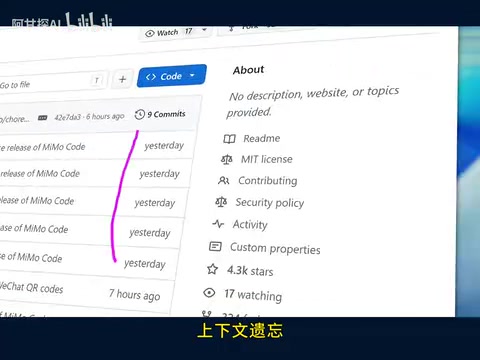
Xiaomi Open-Sources MiMo Code: Can an Infinite Memory Mechanism Solve AI Coding's Biggest Pain Point?
Xiaomi open-sources MiMo Code, an AI coding tool with infinite memory, multi-Agent collaboration, and Claude Code compatibility — solving context forgetting in large projects.
Read more →

·3 min
Hermes Agent Deep Dive: A Self-Evolving Agent Architecture with Practical Implementation Guide
Deep dive into Hermes Agent's core architecture: four-layer memory system, Skill self-evolution mechanism, Harness Engineering methodology, OpenCloud comparison, and Feishu integration tutorial.
Read more →
·2 min
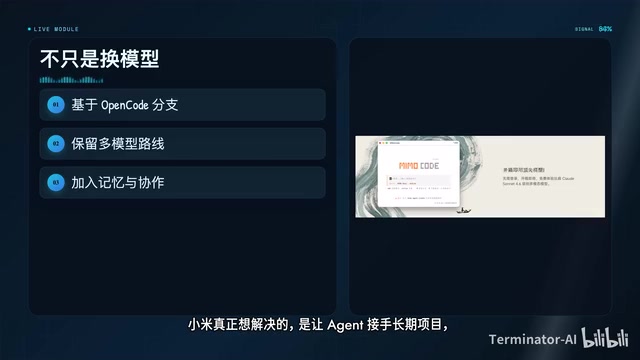
Xiaomi MiMo Code Goes Open Source: How Cross-Session Memory Is Changing AI Programming Collaboration
Xiaomi's MiMo Code is an open-source terminal programming Agent with cross-session memory and multi-Agent collaboration. Explore its memory system, self-evolution mechanism, and how it differs from Claude Code.
Read more →
·3 min
What Is Cursor? A Complete Guide to the AI Coding Tool's Core Features and Target Users
A deep dive into Cursor AI coding tool's five core features, six advantages over traditional IDEs, and ideal user profiles. Learn how this AI-native editor boosts developer productivity.
Read more →

·3 min
Android Skills Explained: An Open-Standard Instruction Set System for AI
Deep dive into Google's Android Skills open standard: how this AI instruction set uses structured Markdown files to solve LLM training data lag, covering XML-to-Compose migration, Navigation 3, and custom authoring best practices.
Read more →
·3 min
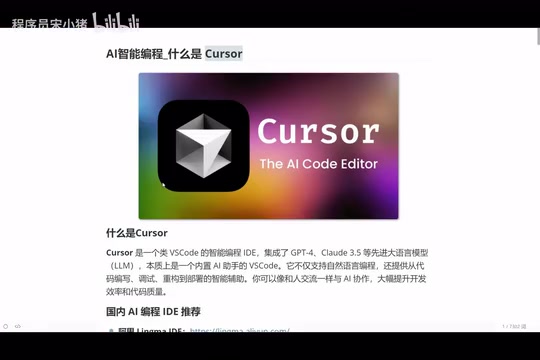
Complete Cursor Tutorial: Core Advantages and Use Cases of the AI-Native Programming Tool
In-depth analysis of Cursor's five core features as an AI-native programming tool, comparing six key differences with traditional IDEs, covering intelligent code generation, context awareness, and multi-model support.
Read more →
·3 min
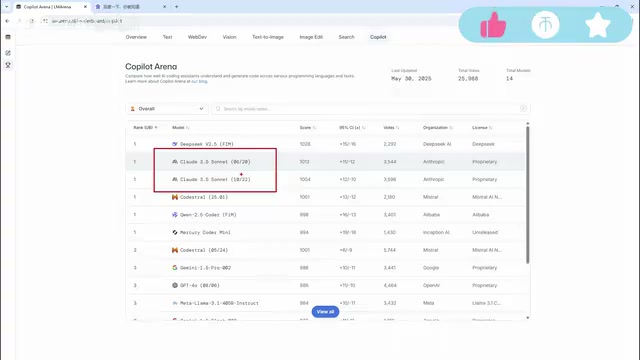
Cursor Programming Tool Deep Dive: Core Advantages and Usage Guide for This AI-Native IDE
A comprehensive analysis of Cursor AI programming tool's core features including intelligent code generation, context awareness, and multi-model switching, with a six-dimension comparison to traditional IDEs.
Read more →

·3 min
Claude Code Context Management in Practice: The Five-Layer Backpack and Token Optimization Principles
Deep dive into Claude Code's context mechanics: the five-layer backpack structure, 200K Token boundaries, three optimization strategies, and sub-agent isolation to cut Token costs and prevent AI degradation.
Read more →

·4 min
7 Context Management Tips to Save Tokens in AI Conversations
AI conversations getting worse over time? Master these 7 context management tips—including manual compression, cache rules, and streamlined instructions—to save tokens and boost Claude and GPT output quality.
Read more →
·3 min
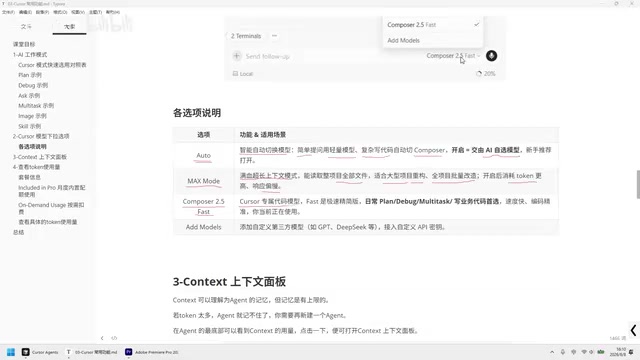
The Complete Guide to Cursor Model Selection, Context, and Token Mechanisms
A detailed guide to Cursor AI's model selection (Auto/Max Mode/Compose 2.5 Fast), Context panel metrics, and token billing mechanisms to help developers use Cursor efficiently.
Read more →
·4 min
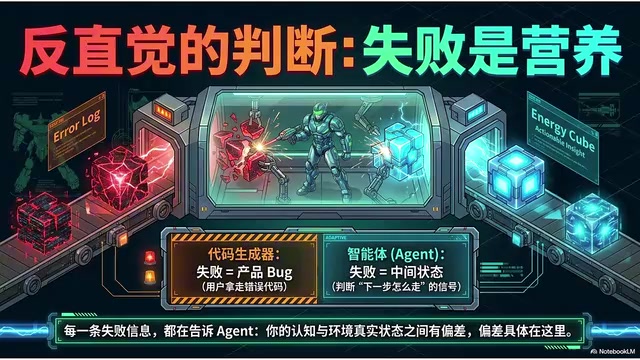
Feedback Loops in Coding Agents: How Failure Becomes Fuel for Fixes
Deep dive into coding Agent feedback loops: how AI tools turn errors and test failures into correction signals. Covers context management, root cause analysis, death loop avoidance, and more.
Read more →
·3 min
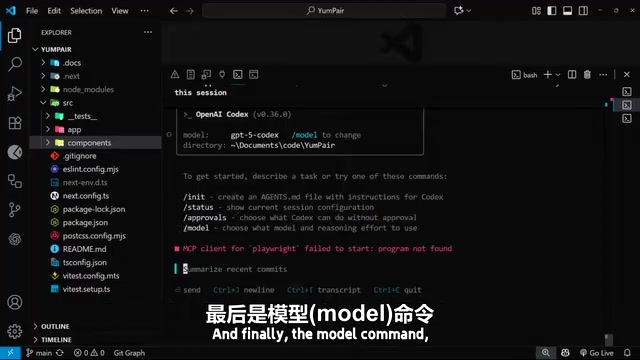
Complete Guide to OpenAI Codex CLI Built-in Commands and Session Recovery
Complete guide to all OpenAI Codex CLI slash commands including /compact, /status, /model, /approvals, plus codex resume session recovery tips for efficient AI coding workflows.
Read more →
Deep Dive into the Three AI Programmin…
·3 min
Deep Dive into the Three AI Programming Frameworks: The Right Way to Do Specification-Driven Development
Deep dive into the three frameworks of Specification-Driven Development (SDD) for AI programming: Blueprint, Execution Flow, and Change Records — solving the problem of AI code going off the rails.
Read more →
·4 min
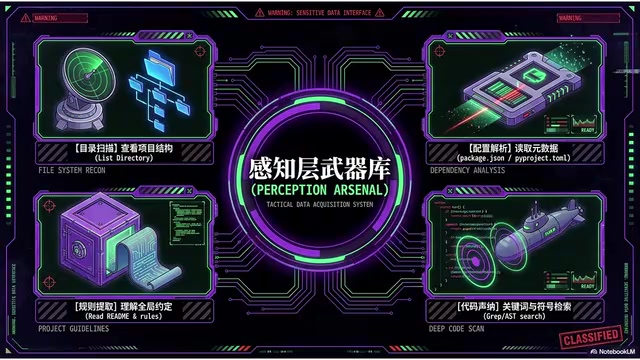
Core Principles of Coding Agents: How Perception and Context Engineering Determine AI Coding Effectiveness
Deep dive into why coding Agents differ: perception lets Agents understand projects first, context engineering precisely filters information within limited token budgets.
Read more →
·3 min
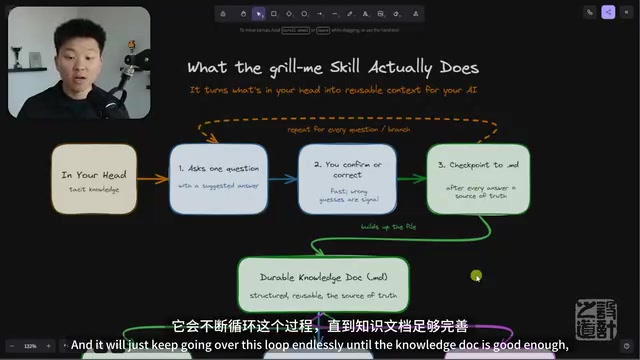
Grill Me Skill: Let AI Interrogate You to Rapidly Extract Tacit Knowledge and Boost Project Efficiency
Learn how the Grill Me skill uses AI-driven systematic questioning to extract tacit knowledge, with checkpoint mechanisms to optimize context quality and boost first-iteration success from 70% to 90%.
Read more →