#PPO
1636 related articles
·3 min
Cursor Account-Sharing "Refill" Plugins: How They Work, the Risks, and Compliant Alternatives
Deep dive into Cursor refill plugins: account pool sharing, pay-per-use billing, risks of ToS violations, privacy leaks, and bans, plus compliant AI coding alternatives.
Read more →
·3 min
Codex Setup Guide: From Environment Configuration to Core Features Explained
Complete guide to installing and configuring OpenAI Codex, covering Git, Node.js prerequisites, sandbox permissions, multi-task parallelism, and context management for developers.
Read more →
·2 min
ROS2 Robot Development Beginner's Guide: Career Paths & Salary Prospects
A deep dive into ROS2's nature, applications, learning paths, and career prospects. Covers autonomous driving, robotic arms, and mobile robots with salary data and core technical requirements.
Read more →
·3 min
Three Essential Tools to Install Before Setting Up OpenAI Codex
Learn how to install and configure Git, Node.js, and VS Code before setting up OpenAI Codex. Complete guide with download steps, verification methods, and troubleshooting tips.
Read more →
·3 min
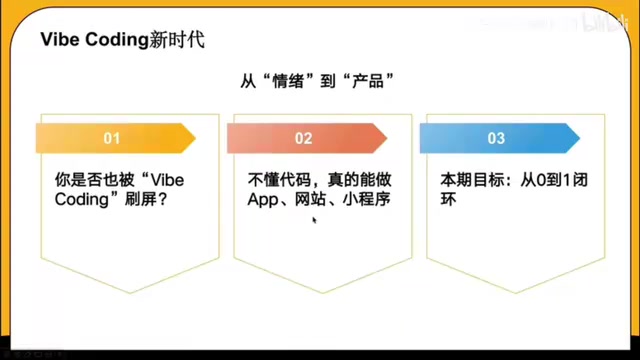
The Complete Vibe Coding Workflow: Ship a Product Without Writing a Single Line of Code
A complete guide to the Vibe Coding workflow: ship products without writing code using Gemini for docs, Figma Make for design, and Cursor for AI coding.
Read more →

·4 min
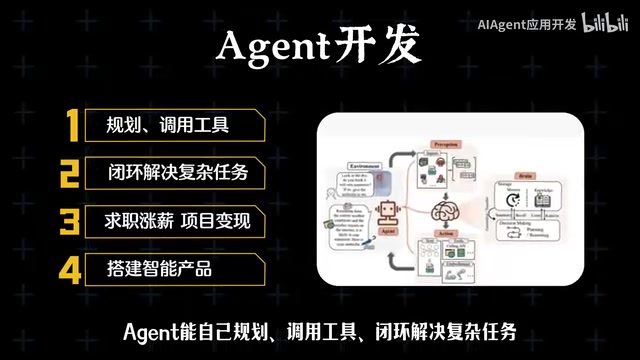
AI Agent Development Learning Roadmap: A Complete Four-Stage Plan from Zero to Production
A systematic AI Agent development learning roadmap covering LLM API calls, ReAct framework, memory mechanisms, and multi-agent collaboration across four stages with timeline and project suggestions.
Read more →
·3 min
AI Agent Development Learning Roadmap: A Complete Four-Stage Guide from Beginner to Practitioner
A systematic AI Agent development learning roadmap covering core concepts, ReAct/CoT paradigms, multi-agent collaboration, and hands-on projects across four stages.
Read more →
·3 min
Learning AI Agent Development from Scratch: A Beginner's Path and Monetization Guide
A comprehensive guide to AI Agent development for beginners, covering low-code platforms, LangChain framework, and monetization strategies for building and deploying intelligent agents.
Read more →
·4 min
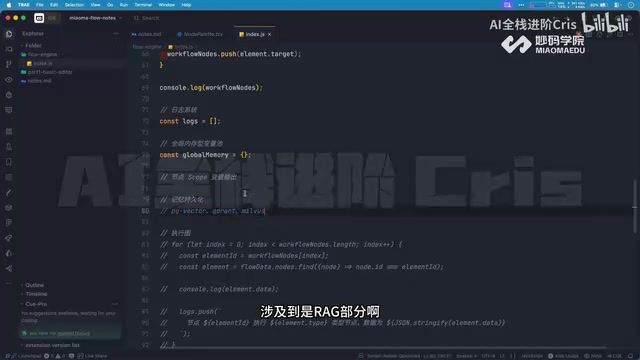
AI Agent Global Variable Pool & Memory Mechanisms: A Practical Guide to Workflow Node Data Passing
Deep dive into global variable pool design for AI Agent development, covering three memory types, variable scoping, node execution architecture, and placeholder variable replacement workflows.
Read more →

·4 min
Self-Study Guide to AI Agent Development: A Complete Path from Zero to Production
A practical self-study roadmap for AI Agent development: covering core skills, common pitfalls, phased learning plans, and interview prep to help developers go from concept collectors to builders.
Read more →
·3 min
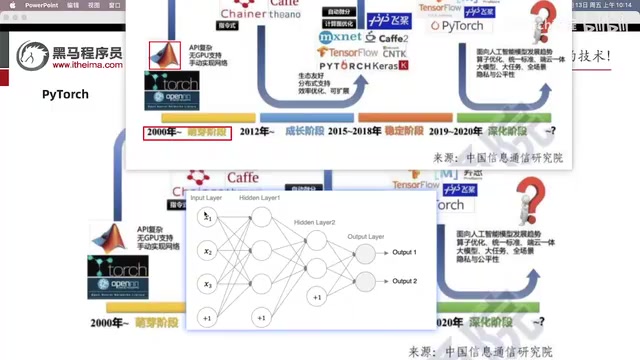
PyTorch Beginner's Guide: A Complete Analysis of Deep Learning Framework Selection and Evolution
A comprehensive analysis of why PyTorch became the most mainstream deep learning framework. Covers framework history, comparisons with TensorFlow and Keras, dynamic graphs, Tensors, installation guide, and cloud trends.
Read more →

·3 min
One-Click JMeter Script Generation with AI Skill: A Practical Technique for 12x Efficiency Gains
Automate JMeter script generation with AI Skills, cutting manual configuration from 1 hour to 5 minutes. Learn the core Skill template elements, real efficiency data, and team standardization value.
Read more →
·3 min
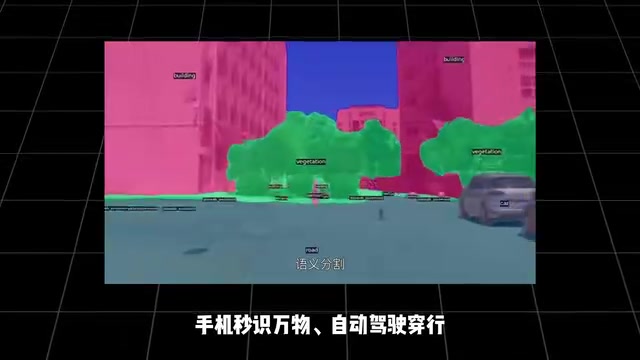
LangChain from Beginner to Agent Development: A Complete Learning Path for LLM Application Development
A systematic guide to LangChain LLM application development, covering environment setup, core components (RAG, Chain, Memory), and Agent development to help developers master LLM app building.
Read more →

·3 min
AI Large Language Model Learning Roadmap for Beginners: A Three-Month Hands-On Guide
A detailed zero-to-hero AI large model learning roadmap covering four phases—fundamentals, RAG, Agents, and engineering deployment—with a practical three-month study plan and career advice.
Read more →
·3 min
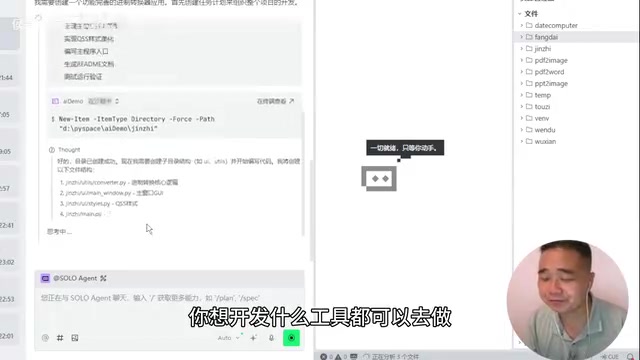
Complete Hands-On Tutorial: Building a Base Converter with Trae + PySide6 from Scratch
A detailed guide on using Trae AI IDE with PySide6 to build a desktop base converter from scratch — covering prompt writing, code generation, testing, and EXE packaging.
Read more →

·2 min
A Beginner's Guide to Vibe Coding: Build Software with Natural Language, No Coding Required
Vibe Coding lets anyone build software without coding skills. Learn what it is, how to get started, and how to use natural language and AI to go from idea to app.
Read more →

·3 min
Vibe Coding for Absolute Beginners: Let AI Be Your Personal Programmer
A beginner's guide to Vibe Coding: learn the core philosophy, set up Miniconda virtual environments, and use natural language to let AI write code for you — no programming experience required.
Read more →
·2 min
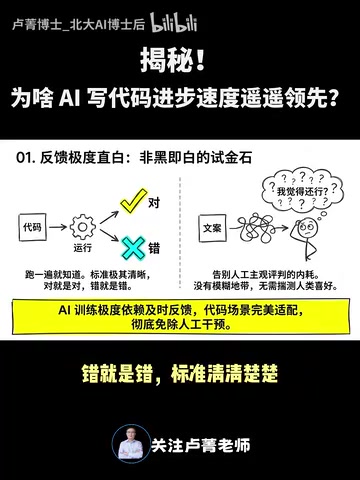
Why Is AI Progressing Fastest in Coding? A Deep Dive into Four Structural Advantages
AI coding advances faster than writing or image generation due to four structural advantages: instant feedback, GitHub's natural high-quality data, unified quantifiable standards, and perfect fit for reinforcement learning.
Read more →

·4 min
AI Coding Skill Mechanism Explained: Making AI Work Efficiently with Professional SOP Workflows
Deep dive into the Skill mechanism in AI coding: definition, purpose, and usage. Learn how Skills differ from Agent Constitutions and enable AI to follow professional workflows for tasks like debugging, code review, and requirements analysis.
Read more →
·3 min
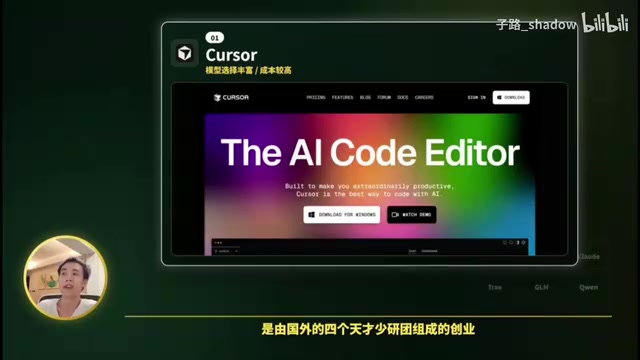
The Complete Vibe Coding Tool Landscape: From Cursor to CodeBuddy — How to Choose Among Nine Leading Tools
Compare 9 leading Vibe Coding tools — Cursor, CodeBuddy, Codex, Trae & more. Find the best AI coding assistant for beginners to pro developers.
Read more →