#ROS
1883 related articles
·4 min
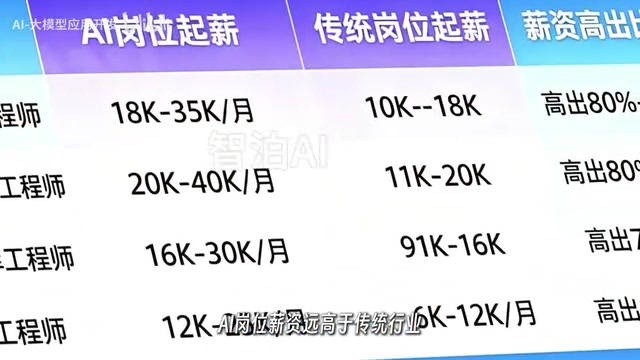
AI Large Language Model Learning Roadmap: A Complete Guide from Zero to Project Implementation
A systematic AI LLM learning roadmap covering prompt engineering, RAG, AI Agent development, and fine-tuning — with beginner-friendly paths and practical tips.
Read more →
·3 min
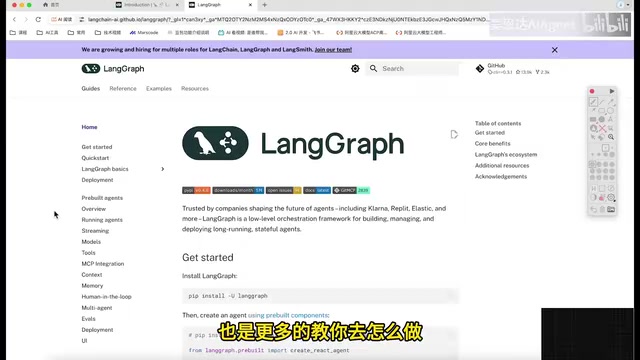
LangGraph Core Explained: Its Relationship with LangChain and Multi-Agent Orchestration Principles
Deep dive into LangGraph's core positioning, its relationship with LangChain, practical code comparisons of Chain vs Graph, understanding Agent essentials, and multi-agent orchestration design.
Read more →
·4 min
AI Agent Development Learning Roadmap: A Complete Four-Stage Plan from Zero to Production
A systematic AI Agent development learning roadmap covering LLM API calls, ReAct framework, memory mechanisms, and multi-agent collaboration across four stages with timeline and project suggestions.
Read more →
·3 min
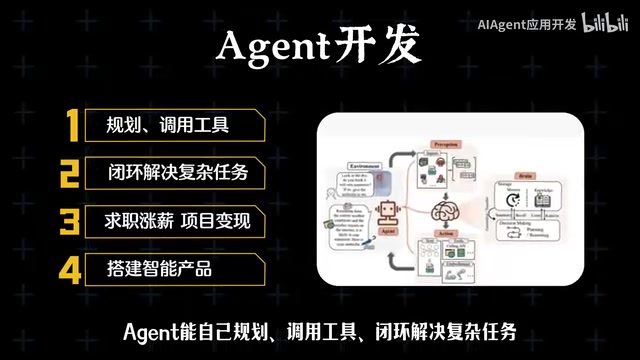
AI Agent Development Learning Roadmap: A Complete Four-Stage Guide from Beginner to Practitioner
A systematic AI Agent development learning roadmap covering core concepts, ReAct/CoT paradigms, multi-agent collaboration, and hands-on projects across four stages.
Read more →
·3 min
Learning AI Agent Development from Scratch: A Beginner's Path and Monetization Guide
A comprehensive guide to AI Agent development for beginners, covering low-code platforms, LangChain framework, and monetization strategies for building and deploying intelligent agents.
Read more →
·4 min
AI Agent Global Variable Pool & Memory Mechanisms: A Practical Guide to Workflow Node Data Passing
Deep dive into global variable pool design for AI Agent development, covering three memory types, variable scoping, node execution architecture, and placeholder variable replacement workflows.
Read more →

·4 min
Self-Study Guide to AI Agent Development: A Complete Path from Zero to Production
A practical self-study roadmap for AI Agent development: covering core skills, common pitfalls, phased learning plans, and interview prep to help developers go from concept collectors to builders.
Read more →
·3 min
PyTorch Beginner's Guide: A Complete Analysis of Deep Learning Framework Selection and Evolution
A comprehensive analysis of why PyTorch became the most mainstream deep learning framework. Covers framework history, comparisons with TensorFlow and Keras, dynamic graphs, Tensors, installation guide, and cloud trends.
Read more →
·3 min
Complete Hands-On Tutorial: Building a Base Converter with Trae + PySide6 from Scratch
A detailed guide on using Trae AI IDE with PySide6 to build a desktop base converter from scratch — covering prompt writing, code generation, testing, and EXE packaging.
Read more →

·2 min
A Beginner's Guide to Vibe Coding: Build Software with Natural Language, No Coding Required
Vibe Coding lets anyone build software without coding skills. Learn what it is, how to get started, and how to use natural language and AI to go from idea to app.
Read more →
·3 min
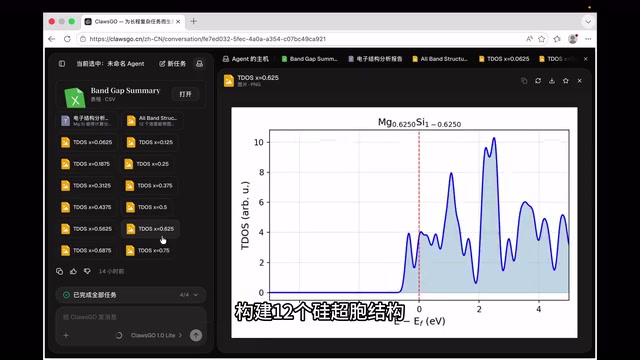
Deep Dive into Closco: The Research Automation Platform That Goes from Natural Language to Complete Reports
Deep analysis of Closco's research automation platform covering cloud sandbox architecture, self-healing execution, batch computing, and applications in computational materials science, drug design, and genomics.
Read more →
·3 min
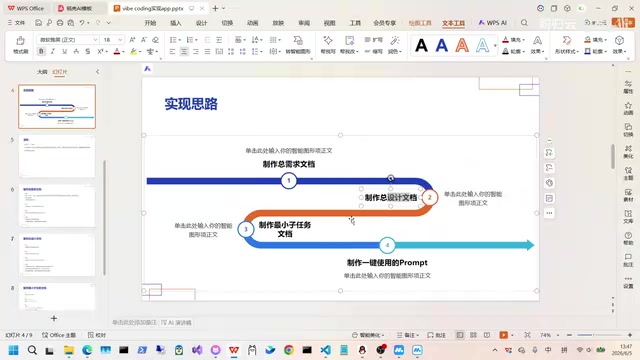
Vibe Coding in Practice: Building a GPS Check-in App from Scratch with AI — A Complete Walkthrough
A detailed guide to the four-step document-driven Vibe Coding method: from requirements docs to code generation, building a GPS check-in app with AI from scratch.
Read more →
·2 min
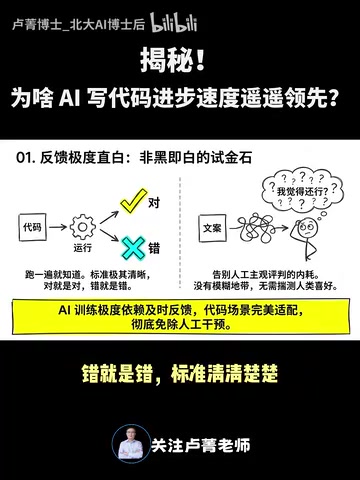
Why Is AI Progressing Fastest in Coding? A Deep Dive into Four Structural Advantages
AI coding advances faster than writing or image generation due to four structural advantages: instant feedback, GitHub's natural high-quality data, unified quantifiable standards, and perfect fit for reinforcement learning.
Read more →
·3 min
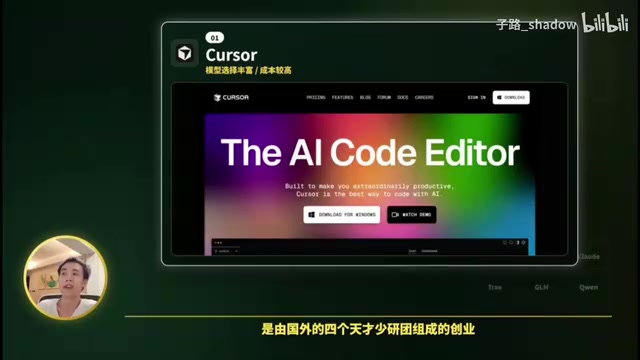
The Complete Vibe Coding Tool Landscape: From Cursor to CodeBuddy — How to Choose Among Nine Leading Tools
Compare 9 leading Vibe Coding tools — Cursor, CodeBuddy, Codex, Trae & more. Find the best AI coding assistant for beginners to pro developers.
Read more →
·2 min
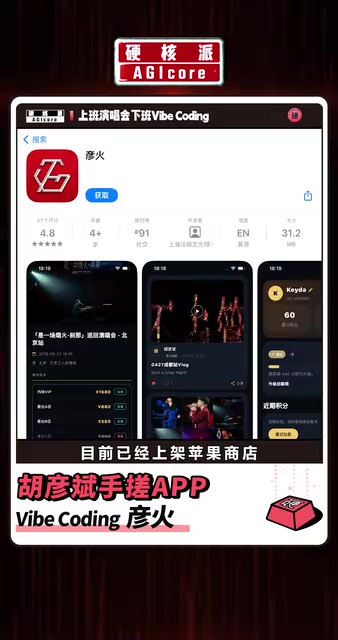
Singer Hu Yanbin Ships an App in 45 Days Using Claude Code: A Zero-to-App-Store Vibe Coding Journey
Singer Hu Yanbin built a fan app from scratch using only VS Code and Claude Code in 45 days with zero coding experience. A deep dive into how Vibe Coding is reshaping software development.
Read more →
·2 min
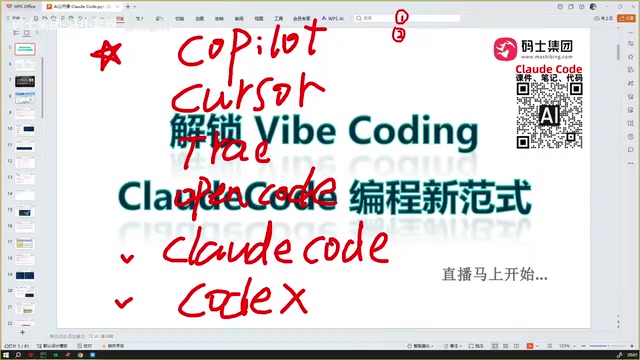
The Complete Guide to Claude Code: A Practical Deep Dive into AI Programming from Beginner to Expert
Deep dive into Claude Code's core strengths, Prime mode, and interrogative programming. Compare with Cursor and Copilot, analyze AI coding in 0-to-1 vs 1-to-100 scenarios.
Read more →

·3 min
A Beginner's Guide to Vibe Coding: Turning Product Ideas into Reality with AI Programming — No Coding Experience Required
Vibe Coding lets non-technical people build products using natural language and AI. Learn the core concepts, virtual environment setup, and practical tips to start AI programming from scratch.
Read more →
·2 min
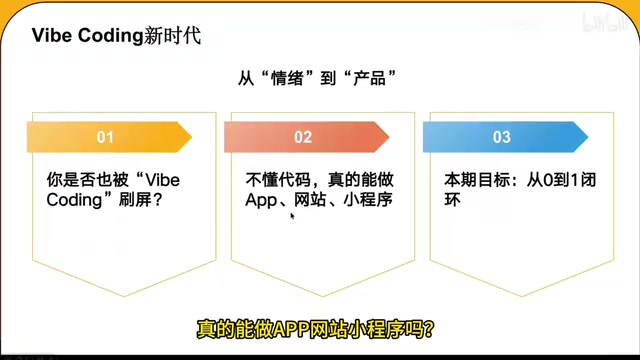
The Complete Vibe Coding Workflow: A Guide to Launching Apps with Zero Code
A detailed guide to the complete Vibe Coding workflow — from idea structuring and AI-driven UI design to automatic code generation — helping non-coders launch apps fast.
Read more →
·3 min
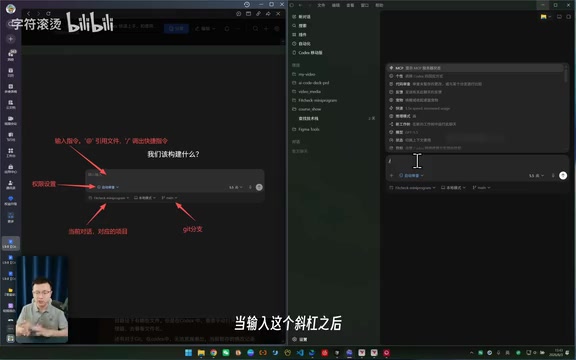
Codex Beginner's Guide: Lessons Learned from 660 Million Tokens of Real-World Usage
Deep dive into OpenAI Codex Agent's core features, Skill ecosystem, context compression, and project-level Harness management tips from 660M tokens of real-world usage.
Read more →
·3 min
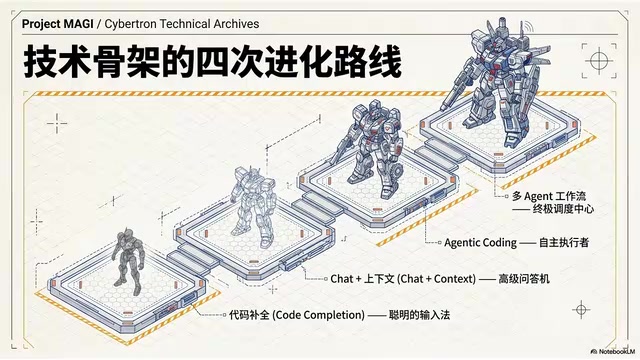
The Four Stages of AI Coding Tool Evolution: From Code Completion to Multi-Agent Collaboration
A deep dive into the four stages of AI coding tool evolution: from code completion and chat Q&A to Agentic Coding and multi-Agent collaboration, explaining the design logic behind Claude Code, Cursor, and Codex.
Read more →