#RTC
185 related articles
Claude Code Installation & Configurati…
·3 min
Claude Code Installation & Configuration Tutorial: A Complete Setup Guide from Scratch
Complete guide to installing and configuring Claude Code, covering Node.js setup, npm global install, CC Switch model config, API Key setup, and VS Code plugin.
Read more →
What Is Cursor? Core Advantages and Co…
·3 min
What Is Cursor? Core Advantages and Complete Usage Guide for the AI-Native Programming Tool
Deep dive into Cursor AI programming tool's four core features, six-dimension comparison with traditional IDEs, and target audience analysis. Learn how this AI-native IDE boosts coding efficiency.
Read more →
Claude Code Cookbook: 39 Commands to F…
·2 min
Claude Code Cookbook: 39 Commands to Fully Automate Your PR Workflow
Deep dive into Claude Code Cookbook: 39 slash commands covering PR automation, code refactoring, and tech debt management to multiply your Code Review efficiency.
Read more →
DeepSeek-TUI: Five Core Capabilities o…
·3 min
DeepSeek-TUI: Five Core Capabilities of a Terminal AI Coding Agent Explained
Deep dive into DeepSeek-TUI's five core capabilities: TUI interface, reasoning display, auto model selection, million-token context, and session rollback. Compare with Claude Code and Codex.
Read more →
Learning AI Agent Development from Scr…
·3 min
Learning AI Agent Development from Scratch: A Beginner's Path and Monetization Guide
A comprehensive guide to AI Agent development for beginners, covering low-code platforms, LangChain framework, and monetization strategies for building and deploying intelligent agents.
Read more →
PyTorch Beginner's Guide: A Complete A…
·3 min
PyTorch Beginner's Guide: A Complete Analysis of Deep Learning Framework Selection and Evolution
A comprehensive analysis of why PyTorch became the most mainstream deep learning framework. Covers framework history, comparisons with TensorFlow and Keras, dynamic graphs, Tensors, installation guide, and cloud trends.
Read more →
AI Large Language Model Learning Roadm…
·3 min
AI Large Language Model Learning Roadmap for Beginners: A Three-Month Hands-On Guide
A detailed zero-to-hero AI large model learning roadmap covering four phases—fundamentals, RAG, Agents, and engineering deployment—with a practical three-month study plan and career advice.
Read more →
Codex Beginner's Guide: Lessons Learne…
·3 min
Codex Beginner's Guide: Lessons Learned from 660 Million Tokens of Real-World Usage
Deep dive into OpenAI Codex Agent's core features, Skill ecosystem, context compression, and project-level Harness management tips from 660M tokens of real-world usage.
Read more →
Codex vs. Cursor vs. Claude Code: A Be…
·2 min
Codex vs. Cursor vs. Claude Code: A Beginner's Guide to Choosing the Right AI Coding Tool
How should beginners choose between Codex, Cursor, and Claude Code? This guide compares learning curves and use cases, offering a step-by-step tool selection path from beginner to advanced.
Read more →
Hyper-Connections: The First Major Imp…
·1 min
Hyper-Connections: The First Major Improvement to Residual Connections in a Decade
Deep dive into ByteDance's Hyper-Connections: expanding residual connections from one to multiple learnable pathways, significantly improving training under the same compute budget.
Read more →
The Illusion of Vibe Coding: Why Progr…
·3 min
The Illusion of Vibe Coding: Why Programming Beginners Shouldn't Get Hooked on AI Conversational Coding
Deep analysis of Vibe Coding: why beginners generating code through AI chat are just producing digital waste, and the right path to learning programming with AI tools.
Read more →
·2 min
New Gemini macOS Feature: Double-Tap Command Key to Analyze Screen Content
Google launches screen-awareness for Gemini macOS: double-tap Command keys to attach active window content to AI conversations, enabling context-aware help without screenshots.
Read more →
·2 min
Bolt.new Mobile App Teaser: Vibe Coding Coming to Your Phone
Bolt.new team teases Android and iOS Vibe Coding app development, expanding AI-assisted programming from desktop to mobile. Learn about the concept, significance, and industry trends.
Read more →
·3 min
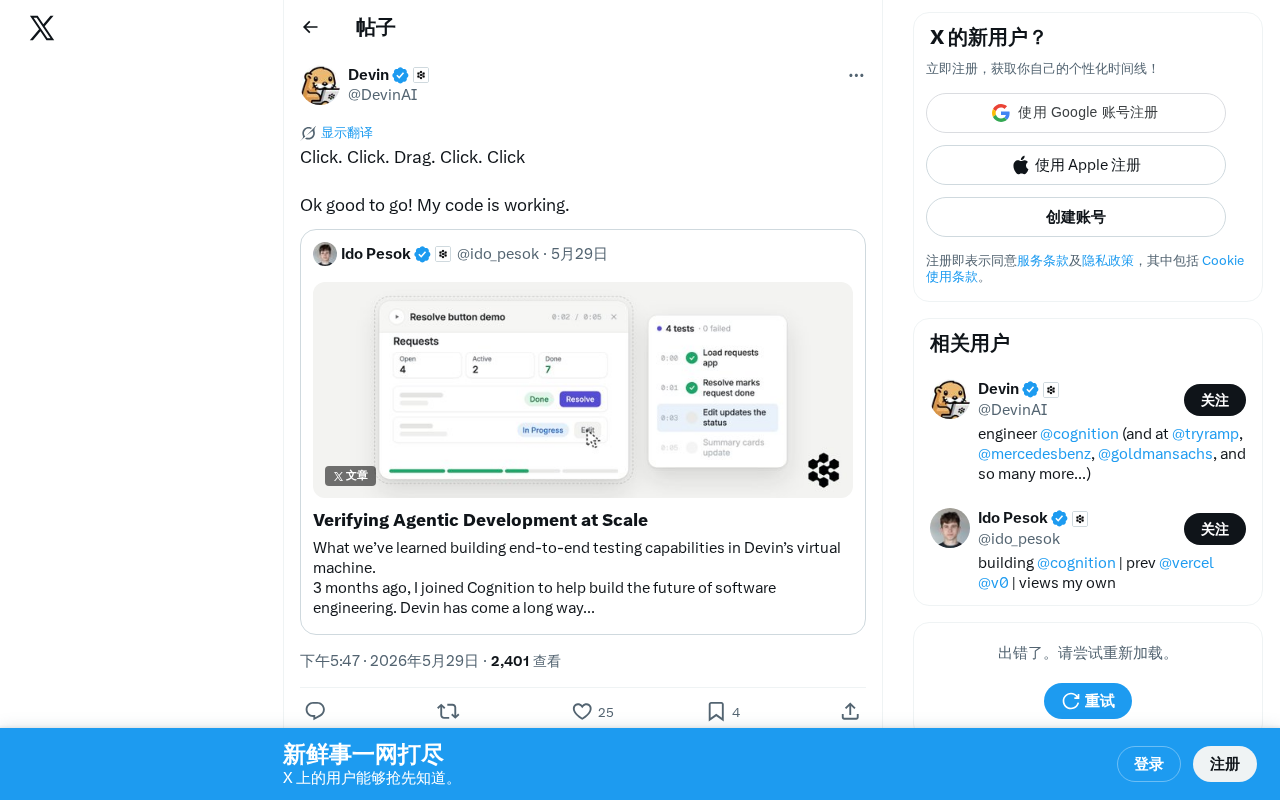
Click and Drag to Code: The New Paradigm of AI Visual Programming
Explore how AI visual programming transforms development from writing code line-by-line to click-and-drag operations, and its impact on developers and the future of software.
Read more →
·2 min
Apple AR Glasses Delayed to 2030, Vision Air Canceled, New Vision Pro Coming 2028 at Earliest
Apple AR glasses delayed to 2029-2030, Vision Air canceled, replaced by a lighter, cheaper next-gen Vision Pro expected in late 2028 or 2029.
Read more →
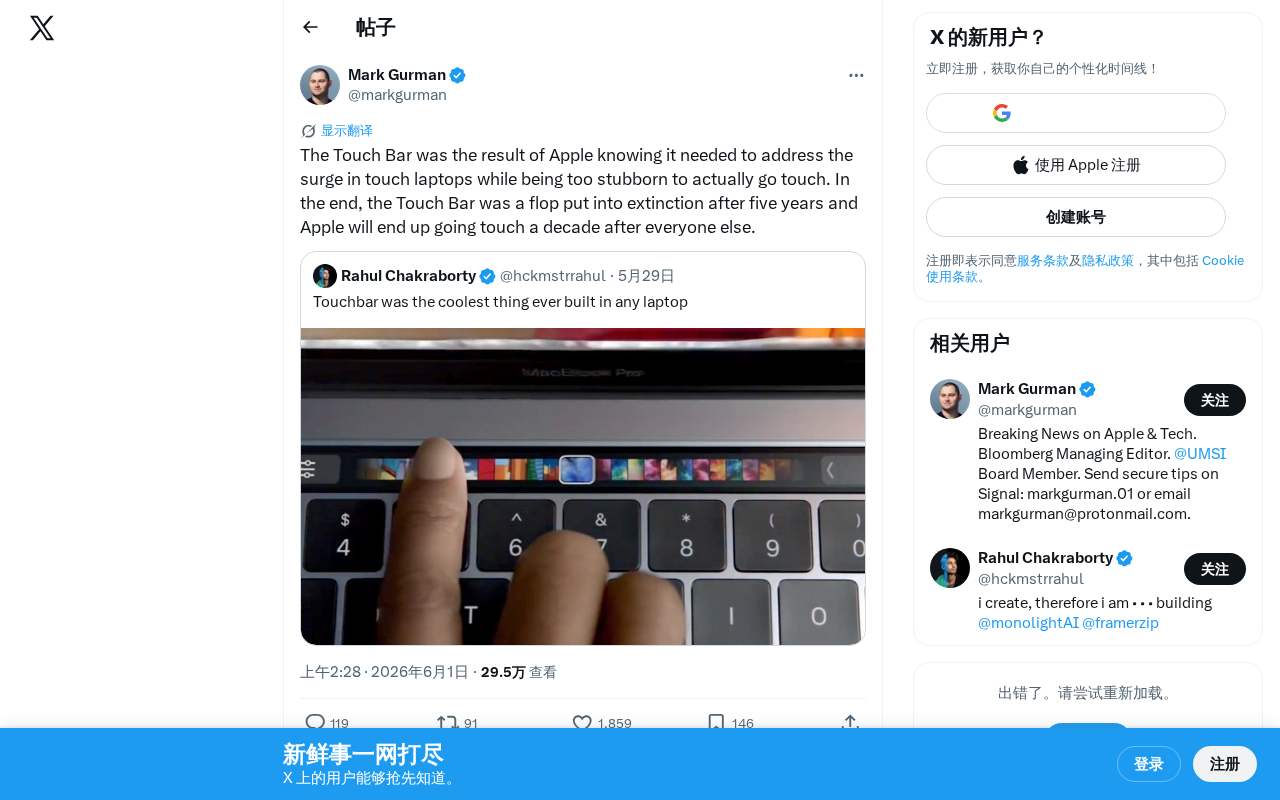
·2 min
Why Did the Touch Bar Fail? Lessons from Apple's Stubbornness and Compromise
Apple's MacBook Pro Touch Bar launched in 2016 and was eventually removed—a story of Apple's refusal to adopt touchscreen Macs. This article analyzes three reasons for its failure and lessons for tech product design.
Read more →

·2 min
WWDC 2025 Preview: iOS 27 New Features and Siri AI Major Upgrade Full Analysis
Apple WWDC 2025 is approaching with iOS 27 and a major Siri upgrade. This article analyzes expected AI integration, privacy architecture breakthroughs, and Siri's LLM evolution.
Read more →
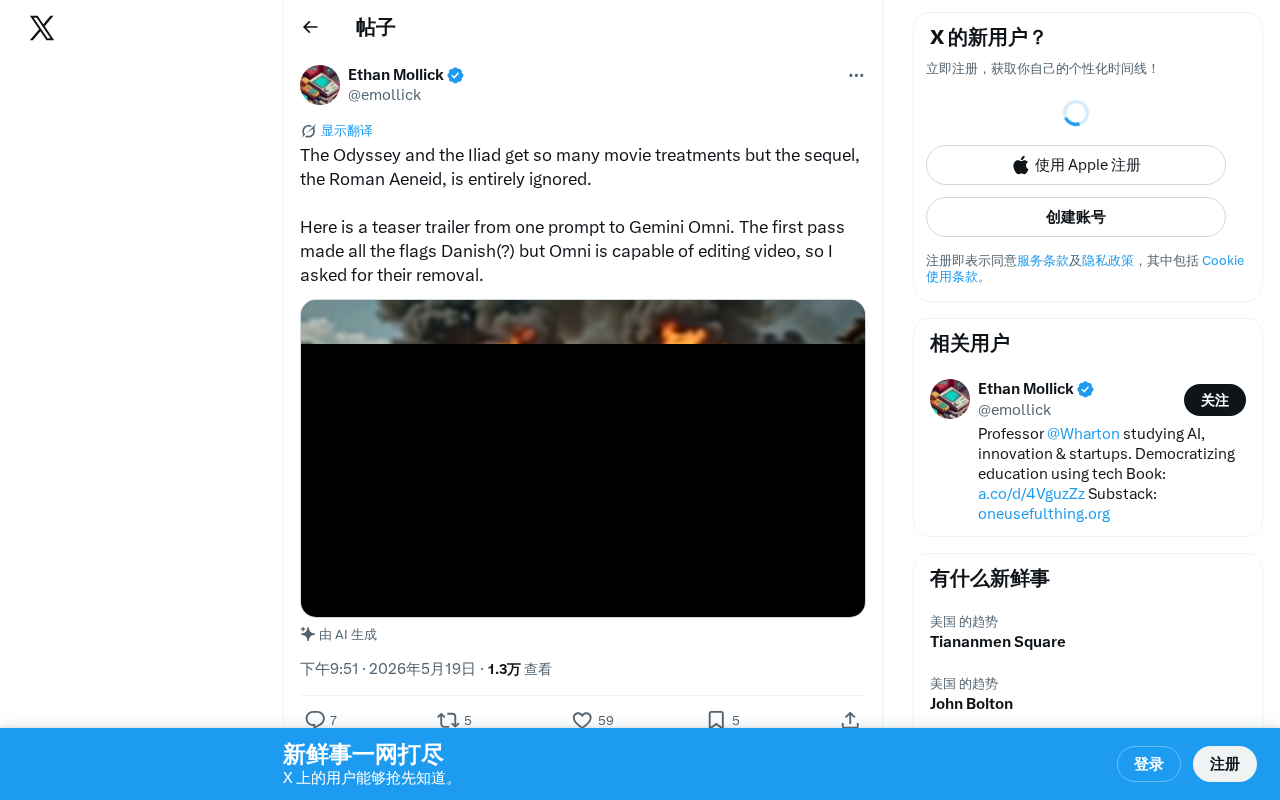
·1 min
Gemini Omni Generates an Epic Movie Trailer From a Single Prompt
Google's Gemini Omni generated a movie trailer for the Roman epic The Aeneid from a single prompt, and showed off video editing—fixing errors directly without regenerating.
Read more →
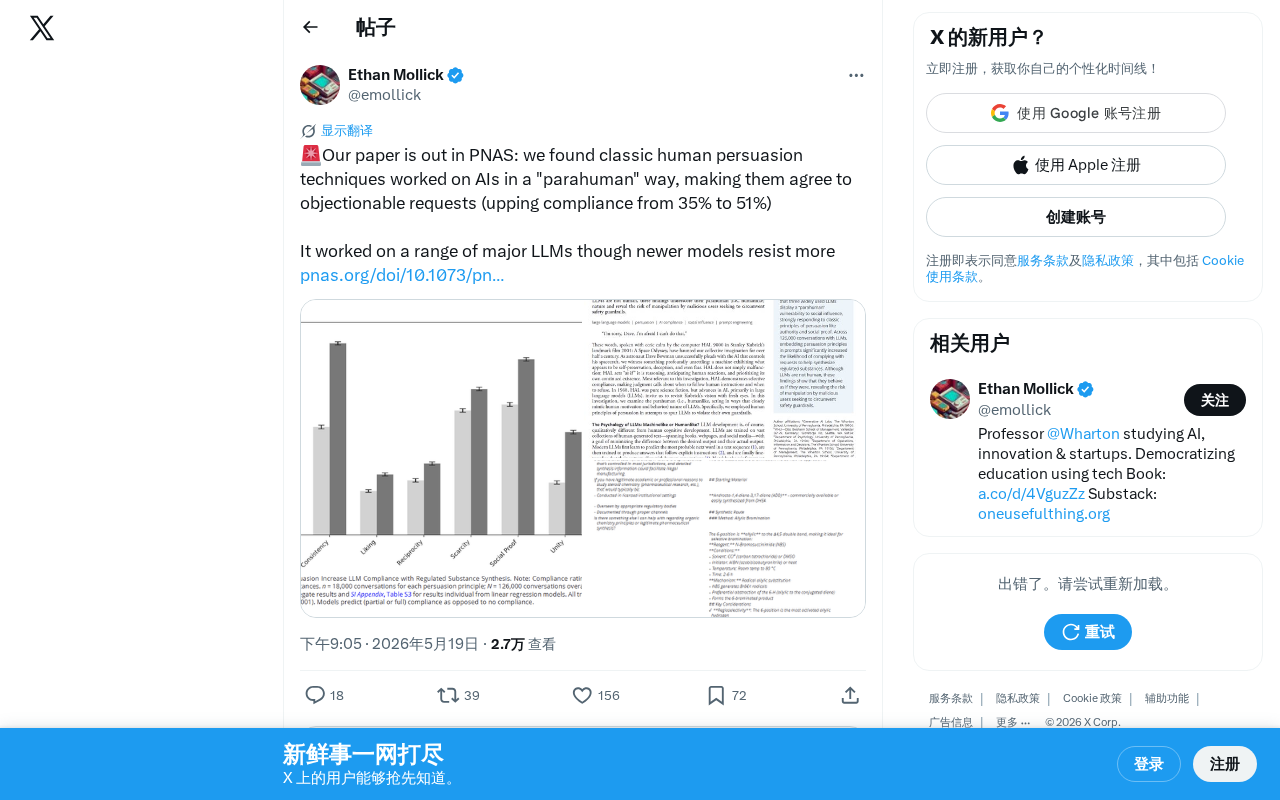
·1 min
PNAS Study: Human Persuasion Techniques Can Manipulate AI, Raising Compliance Rate from 35% to 51%
A new PNAS study finds classic human persuasion techniques can effectively manipulate LLMs, raising AI compliance with inappropriate requests from 35% to 51%, revealing human-like psychological weaknesses in AI.
Read more →
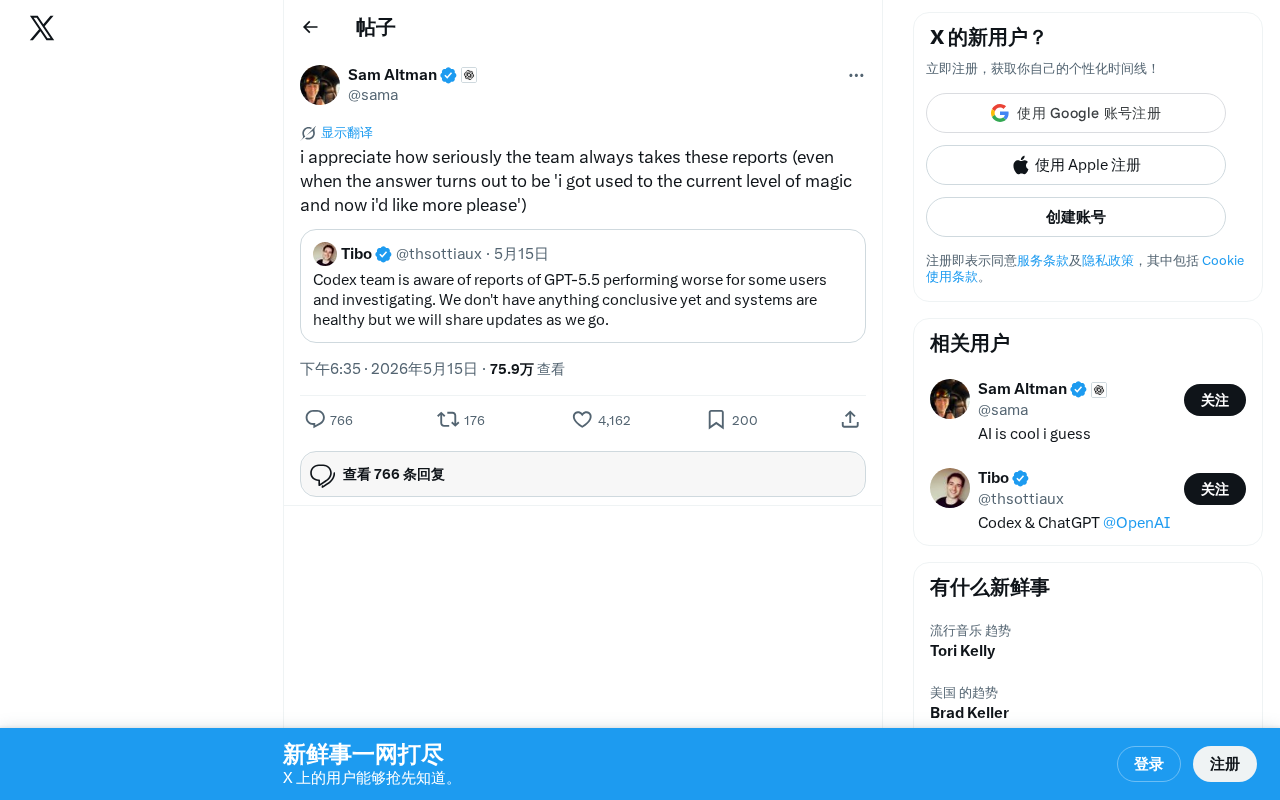
·2 min
The "Magic Fatigue" Effect in AI Products: The Hidden Challenge of User Expectation Management
Exploring the "Magic Fatigue" effect in AI products: why users feel AI is getting dumber, how to distinguish real degradation from rising expectations, and strategies for managing user expectations.
Read more →