Deep Dives
In-depth AI analysis, industry observations, and technical insights — slow down and read.

Ur-Nammu: Founder of the Sumerian Renaissance
Ur-Nammu, founder of the Third Dynasty of Ur, drove the Sumerian Renaissance. This article, inspired by a Hacker News post, analyzes his systematic rebuilding in law, architecture, economy, and administrative technology, and explores its implications for modern institutional design and standardization.

Surrogate Quality Score: A New Metric for Model Selection that Balances Accuracy and Complexity
Introducing the Surrogate Quality Score (SQS) composite performance metric from an arXiv paper, which integrates prediction accuracy and model complexity via a weighted product, allowing users to adjust the accuracy-complexity trade-off through a parameter and providing a systematic, quantifiable decision framework for engineering model selection.

OPO: A PPO Improvement That Replaces Fixed Clipping with Ordering
OPO revisits PPO's fixed clipping by sorting importance ratios and assigning adaptive per-sample clipping radii to control extreme ratios, with strong results on MuJoCo and Atari and lightweight implementation changes.

The Value of Weak Supervisors: What the Student Inherits, Not How Accurate the Supervisor Is
New research on weak supervision shows a supervisor's value depends not on its accuracy but on what the student model inherits from its errors. This article explains student-relative value theory, identifiability limits, and practical implications.

Energy-Based Reasoners: Teaching Recurrent Models When to Stop Thinking
Energy-Based Reasoners (EBRs) reformulate recurrent reasoning as gradient descent on an energy function, enabling adaptive stopping and 345x inference compute savings with 99.9% accuracy on Sudoku-Extreme.
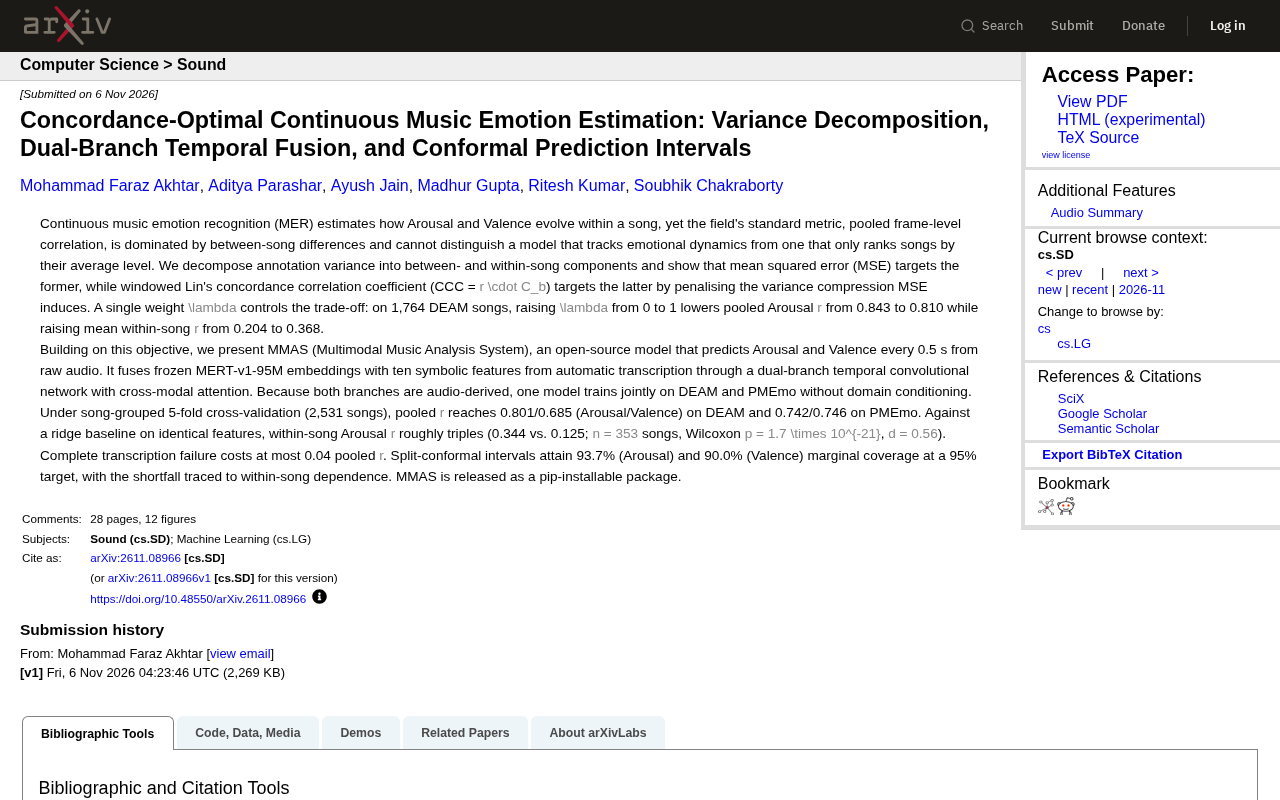
MMAS: Dual-Branch Temporal Fusion for Continuous Music Emotion Estimation
New continuous music emotion recognition research proposes the MMAS model, using variance decomposition to reveal the evaluation blind spot of pooled correlation coefficients, and employing dual-branch temporal fusion with cross-modal attention to significantly improve within-song emotion dynamics tracking on DEAM and PMEmo, while introducing conformal prediction intervals to quantify uncertainty.
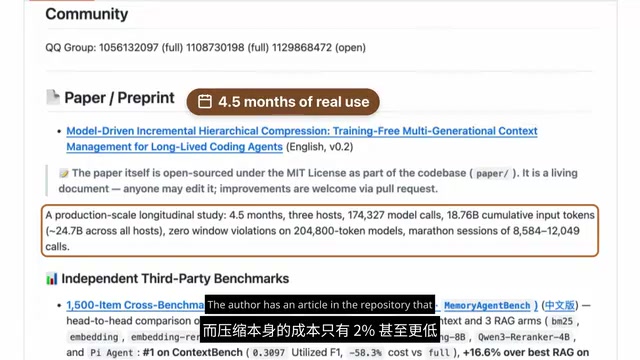
GitHub Hit: The Proxy Solution That Gives Claude Code Unlimited Context
GitHub project Billion Context uses a reversible compression proxy to give Claude Code and DeepSeek unlimited context—58% cheaper with zero context overflow. Here's how it works, how to set it up, and its limitations.
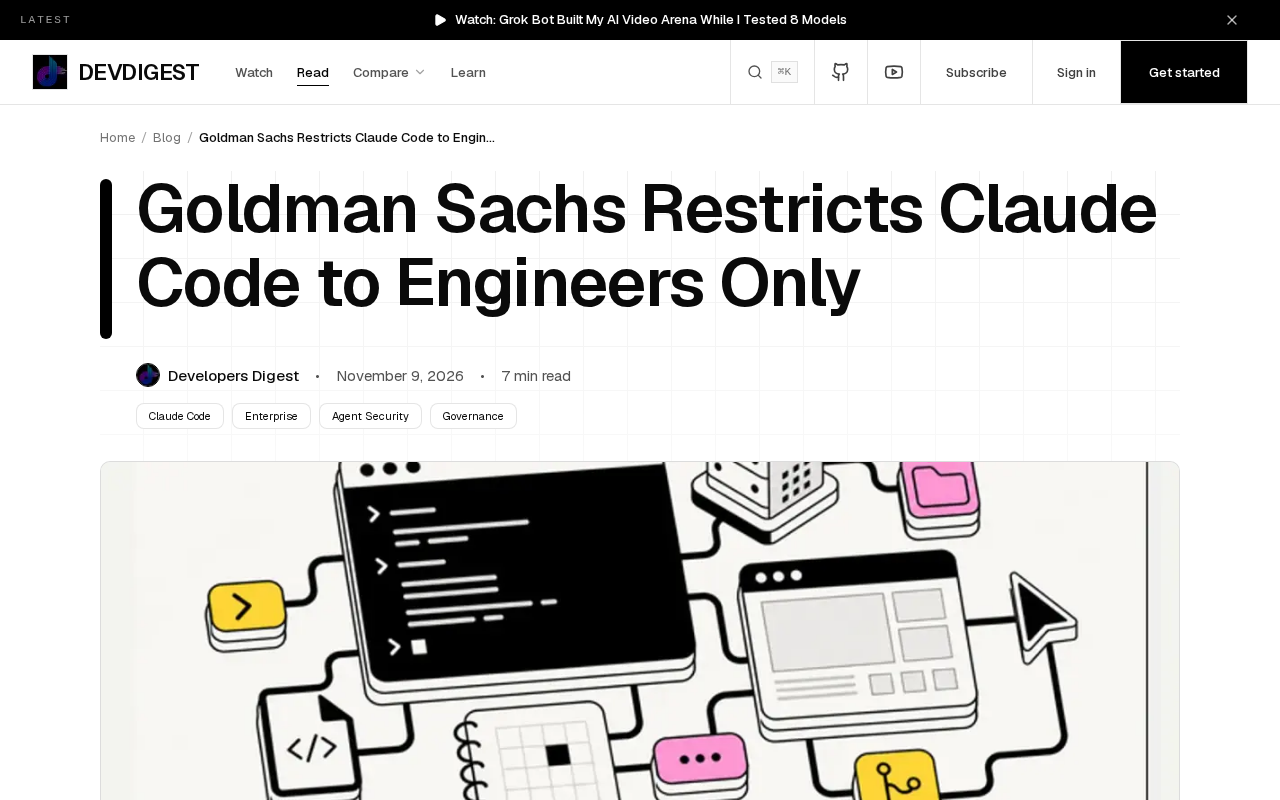
Goldman Sachs Restricts Claude Code to Engineers Only, a Bellwether for AI Deployment in Banking
Goldman Sachs restricted Claude Code and GitHub to engineers only last October. Bloomberg's report reveals the deployment logic for AI coding tools in regulated industries. This article analyzes the compliance and security considerations behind banks' caution and provides a launch checklist for AI tools in regulated teams.
$6,000 Local AI Machine Hands-On: Is the Dell DGX Spark Worth It?
Hands-on with the $6,000 Dell DGX Spark: from Open Web UI + Ollama chat to Hermes agents running scripts, plus vLLM and dual-machine scaling — local AI's layers, engines, and hardware trade-offs explained.
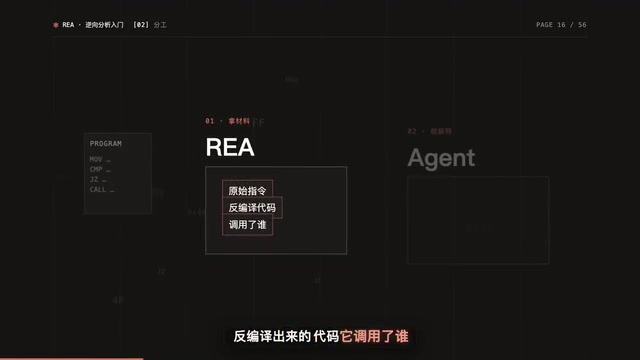
REA Goes Viral on GitHub: Using AI Agents to Reverse Engineer Finished Software
REA is an open-source reverse engineering tool that connects agents like Claude Code via MCP to read raw instructions and decompiled code from finished programs, letting AI explain software rules in plain language with supporting evidence.

Running a 284B-Parameter LLM on 64GB RAM and CPU Alone? Open-Source Project LamaMotric Sparks Debate
Open-source LamaMotric 2.4 claims a 284B-parameter model can run on 64GB RAM and CPU alone, using custom second-order compression to shrink it to 56.56G. We break down the compression approach, real-world speed on a 16-core Ryzen, and the practical barriers to local deployment.
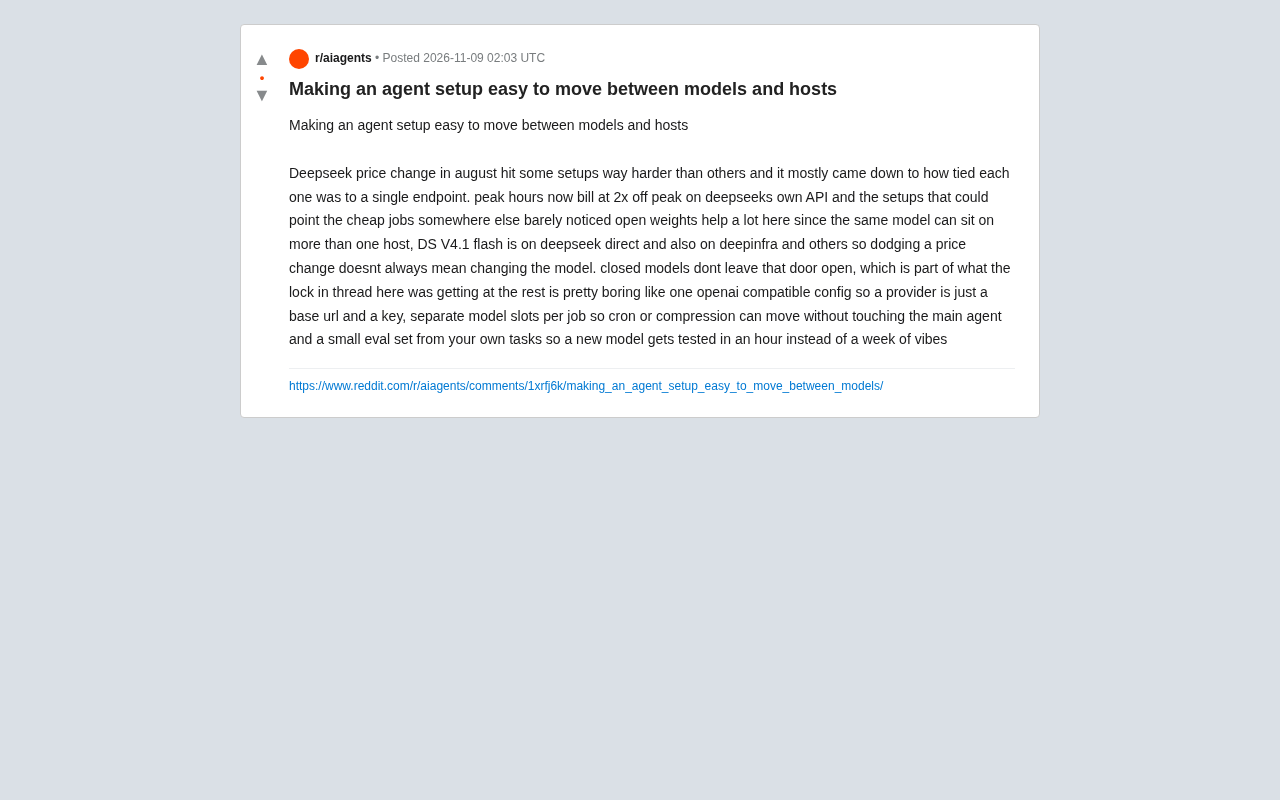
Switch Between Models and Hosts Freely: A Practical Guide to Decoupling AI Agent Configuration
Deepseek's price change exposed Agent configuration's dependence on a single vendor. Learn how unified OpenAI-compatible interfaces, task-level model slots, and a custom eval set let AI Agents switch freely between models and hosts, reducing cost and lock-in risk.
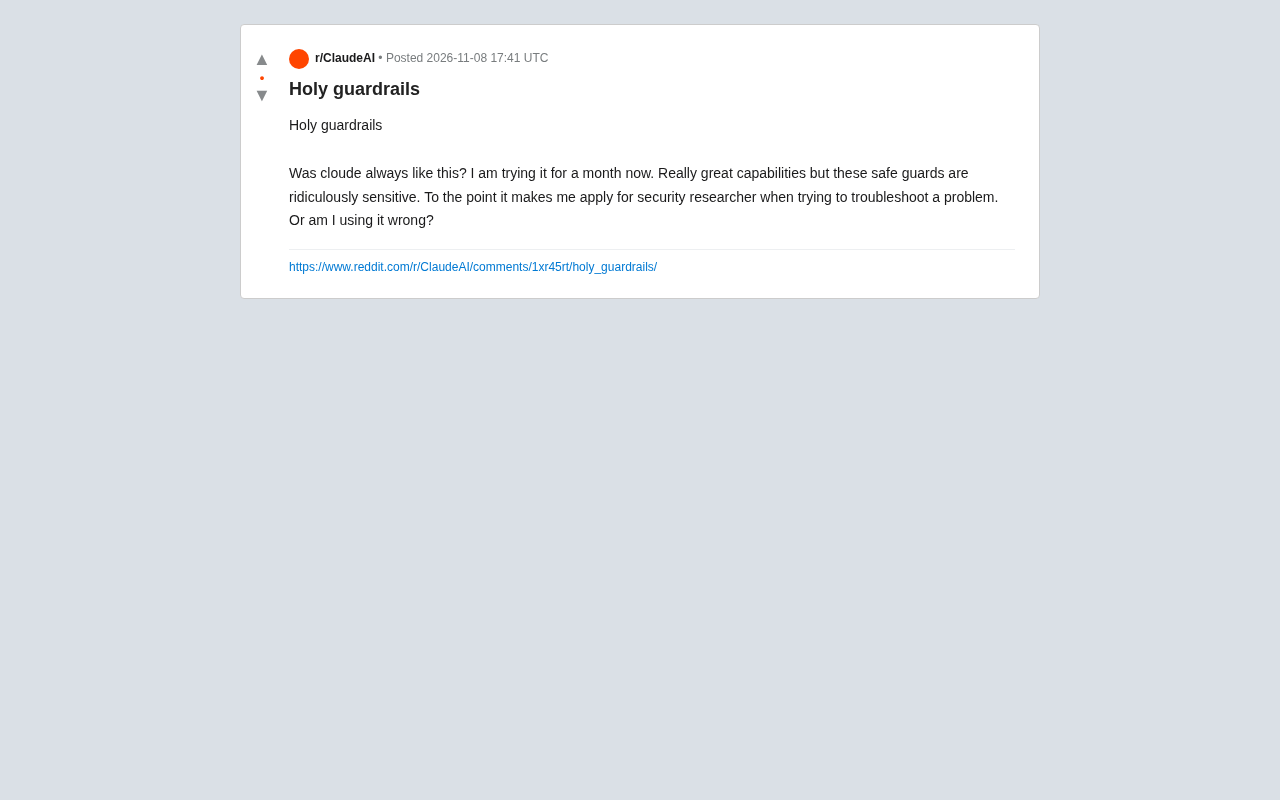
Claude's Safety Guardrails Too Sensitive? User Complaints and Usage Tips
Reddit users complain Claude's safety guardrails are overly sensitive and hinder normal use. This article analyzes the design philosophy, user feedback, and coping strategies, exploring the balance between safety and usability.
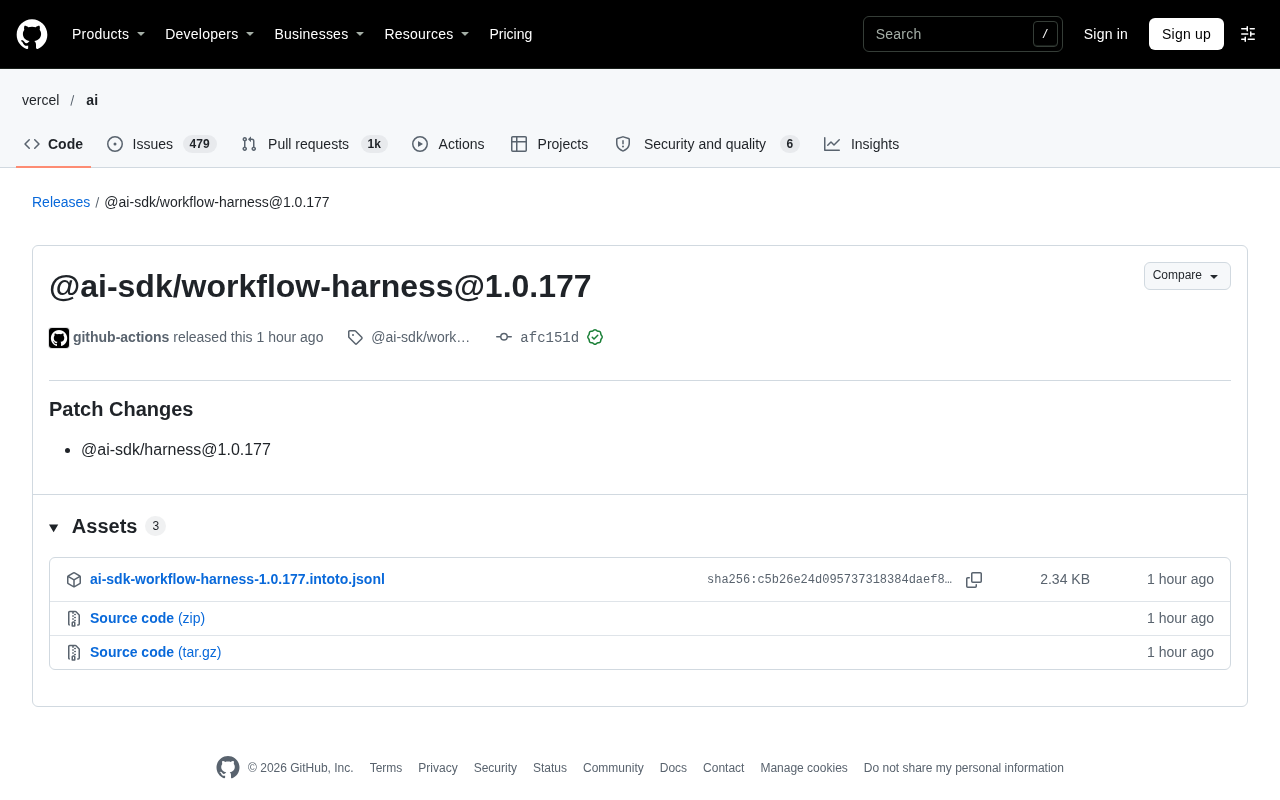
@ai-sdk/workflow-harness 1.0.177 Patch Update Analysis
@ai-sdk/workflow-harness releases patch 1.0.177, syncing @ai-sdk/harness. This article analyzes the release positioning, signature verification, and dependency linkage to help developers decide on an upgrade strategy.
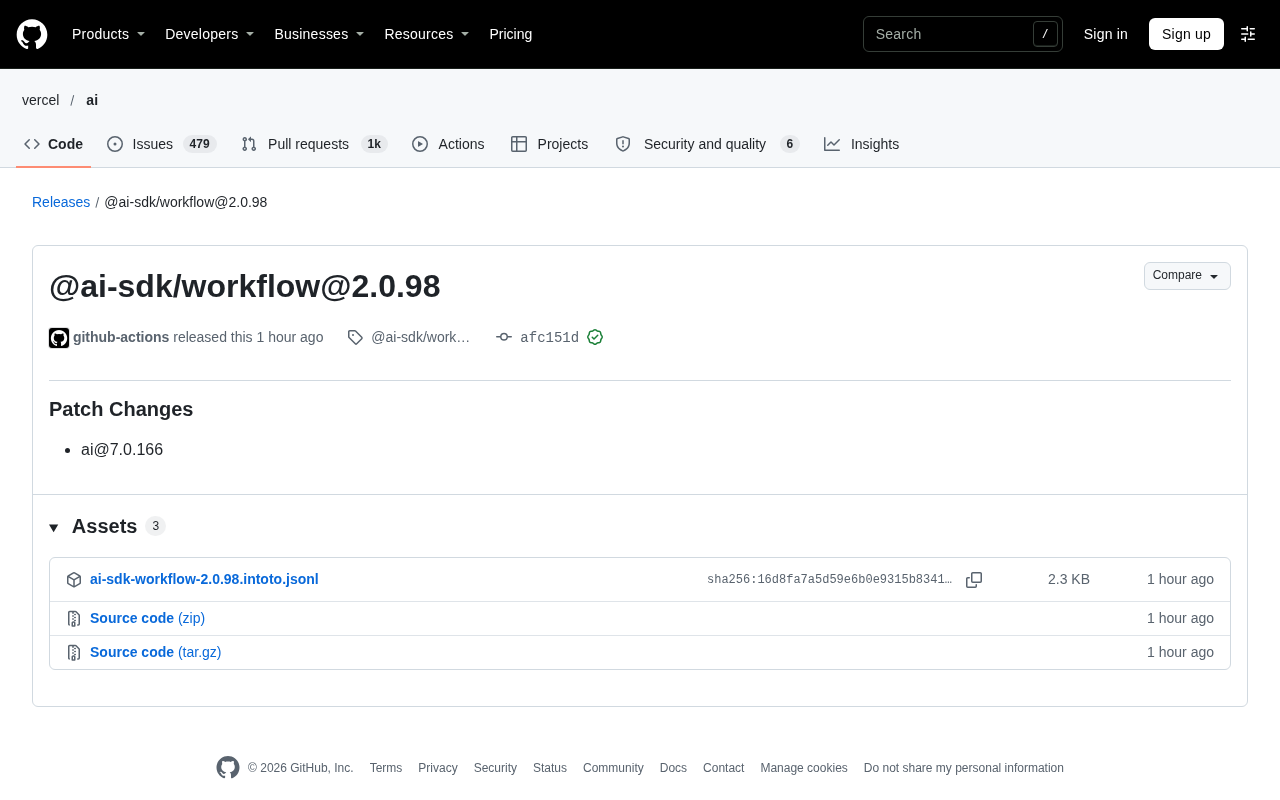
@ai-sdk/workflow 2.0.98 Patch Released: AI SDK Workflow Capabilities Upgraded Again
@ai-sdk/workflow releases patch 2.0.98, syncing the ai package to 7.0.166. We break down the practical impact on AI SDK workflow developers and share dependency version management and upgrade advice.
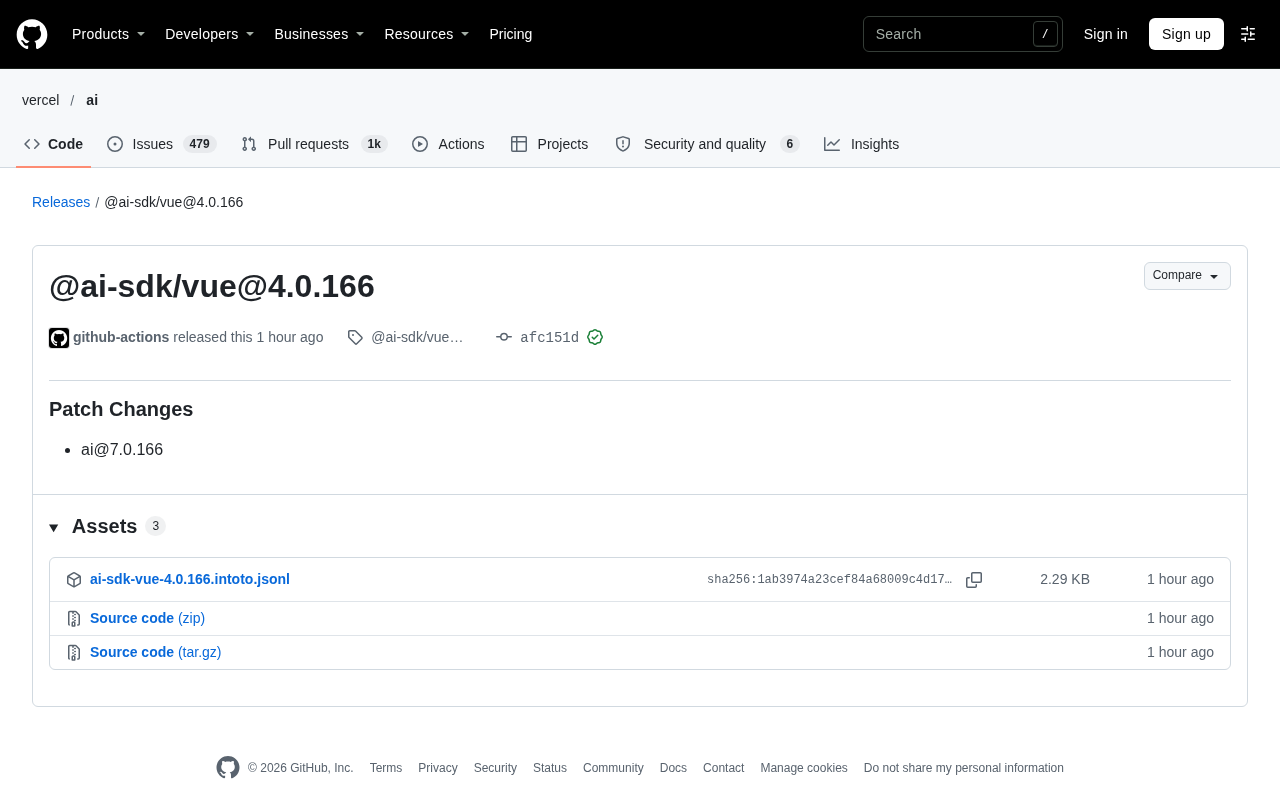
AI SDK Vue 4.0.166 Release Update Explained
Explaining the @ai-sdk/vue 4.0.166 patch update: automated release, GPG signature verification, synchronization with ai@7.0.166, and what developers should check when upgrading.

Claude Code Config File Leaks Secrets: Over a Thousand Repos Affected
Security firm Apiiro found real secrets in Claude Code settings.local.json files across 1,122 public repos. Learn what the file stores, Anthropic's response, and how to clean up in 10 minutes.
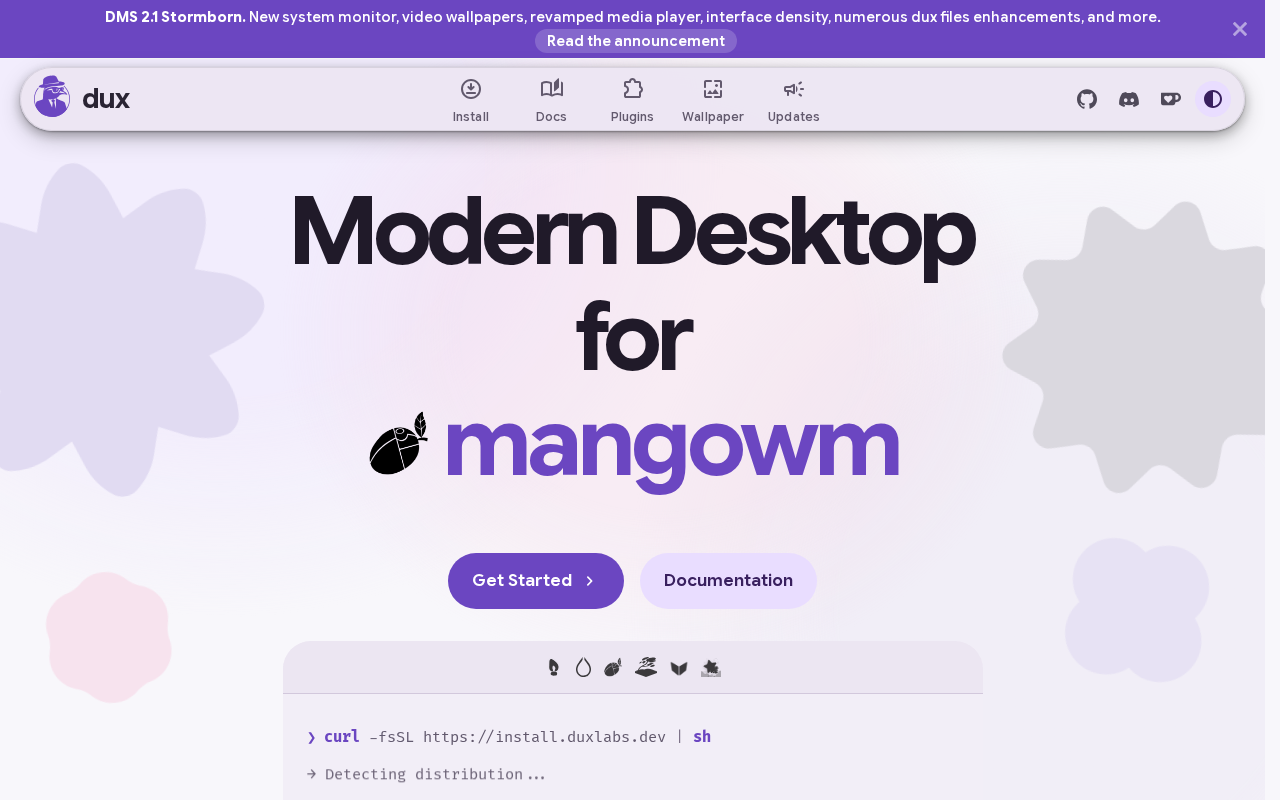
Dux: A Free, Open-Source Wayland Desktop Shell with Built-in File Manager and Theming System
Dux is a free, open-source Wayland desktop shell with a built-in file manager and theming system. This article covers its positioning, design philosophy, and why the Wayland ecosystem needs new desktop shell implementations.
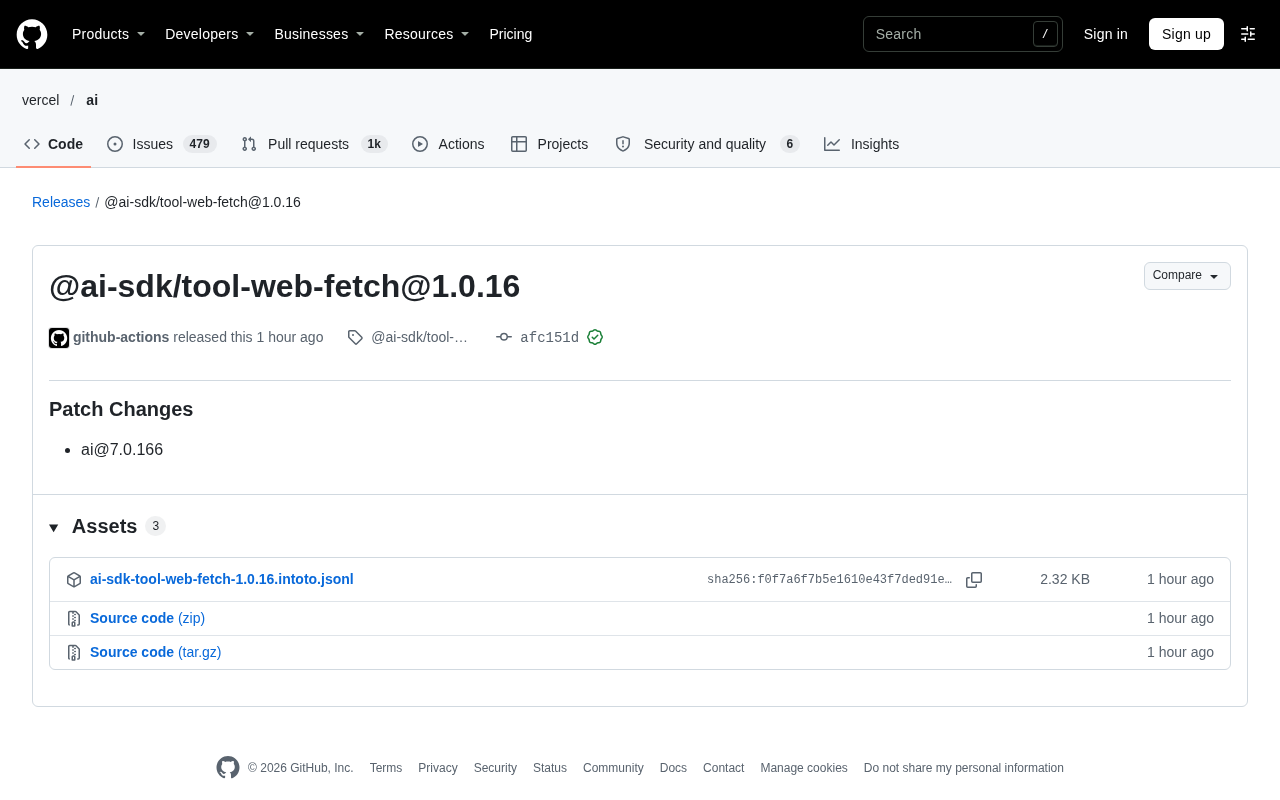
AI SDK Toolkit Update: @ai-sdk/tool-web-fetch 1.0.16 Released
AI SDK's @ai-sdk/tool-web-fetch releases patch 1.0.16, tied to core package ai@7.0.166. We explain the change, the tool-calling ecosystem, and upgrade tips.
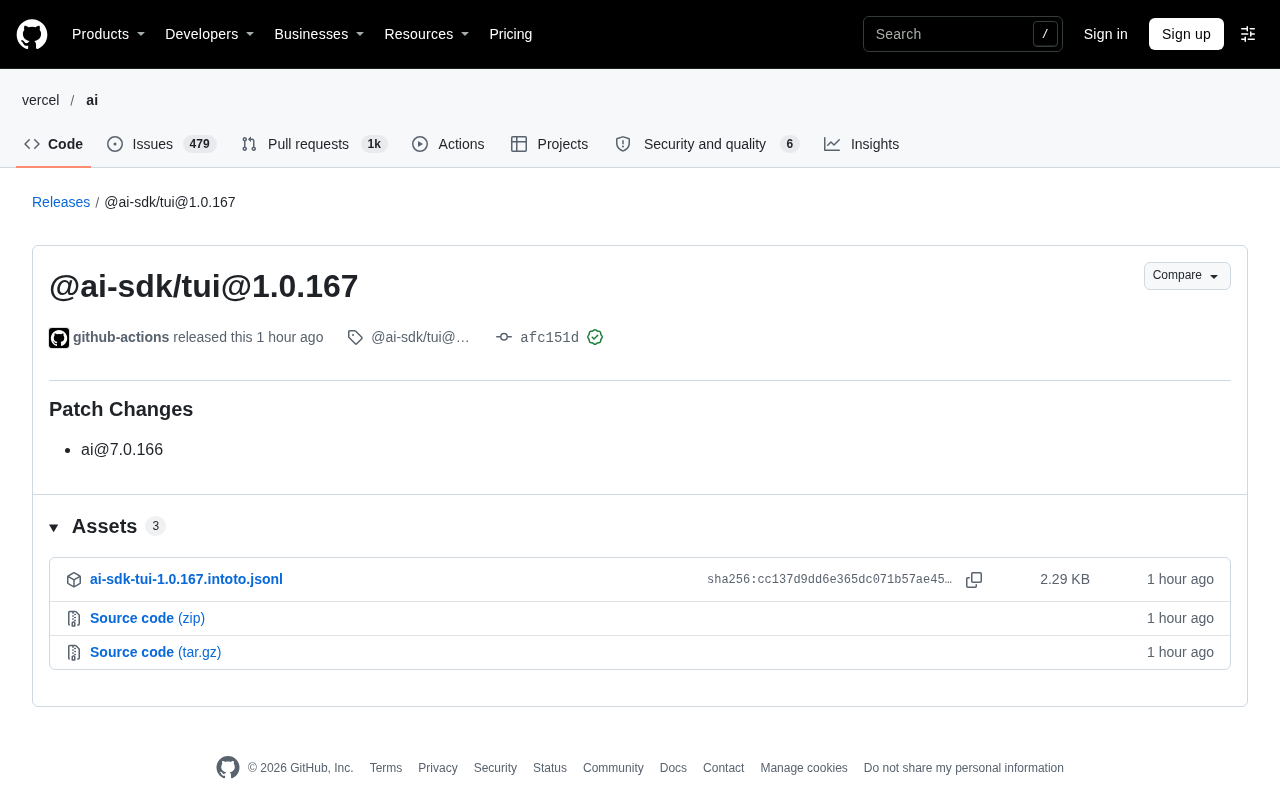
@ai-sdk/tui 1.0.167 Released: Minor Update to AI SDK Terminal UI
@ai-sdk/tui 1.0.167 patch release syncs the ai@7.0.166 dependency. Here's what changed in this terminal UI component, where it fits, and upgrade advice.