#AI编程
9359 related articles

AI Large Model Interview Deep Dive: Agent Architecture and Project Practice
A Bilibili creator shares an in-depth AI large model interview guide: a three-month learning path covering Agent architecture, prompt engineering, the full RAG pipeline, and hands-on projects, teaching you how to speak with depth and avoid quick-success traps.

Stanford CS336: The Hardcore Philosophy of Building Large Models from Scratch
An in-depth look at Stanford CS336's third iteration: why building large models from scratch still matters. Covers BPE tokenization, Transformer architecture, systems optimization, scaling laws, data processing, and RLHF alignment, emphasizing efficiency thinking and transferable mechanics and intuitions.

Carnegie Mellon's Agent Course: Agent Development from Tool Calling to Reinforcement Learning
A comprehensive breakdown of Carnegie Mellon's 11-768 "AI Agents" course: from the basic agent loop and tool calling to six core capabilities, LLM training versus harness engineering, and systems engineering practices such as sandboxes, monitoring, and reinforcement learning.
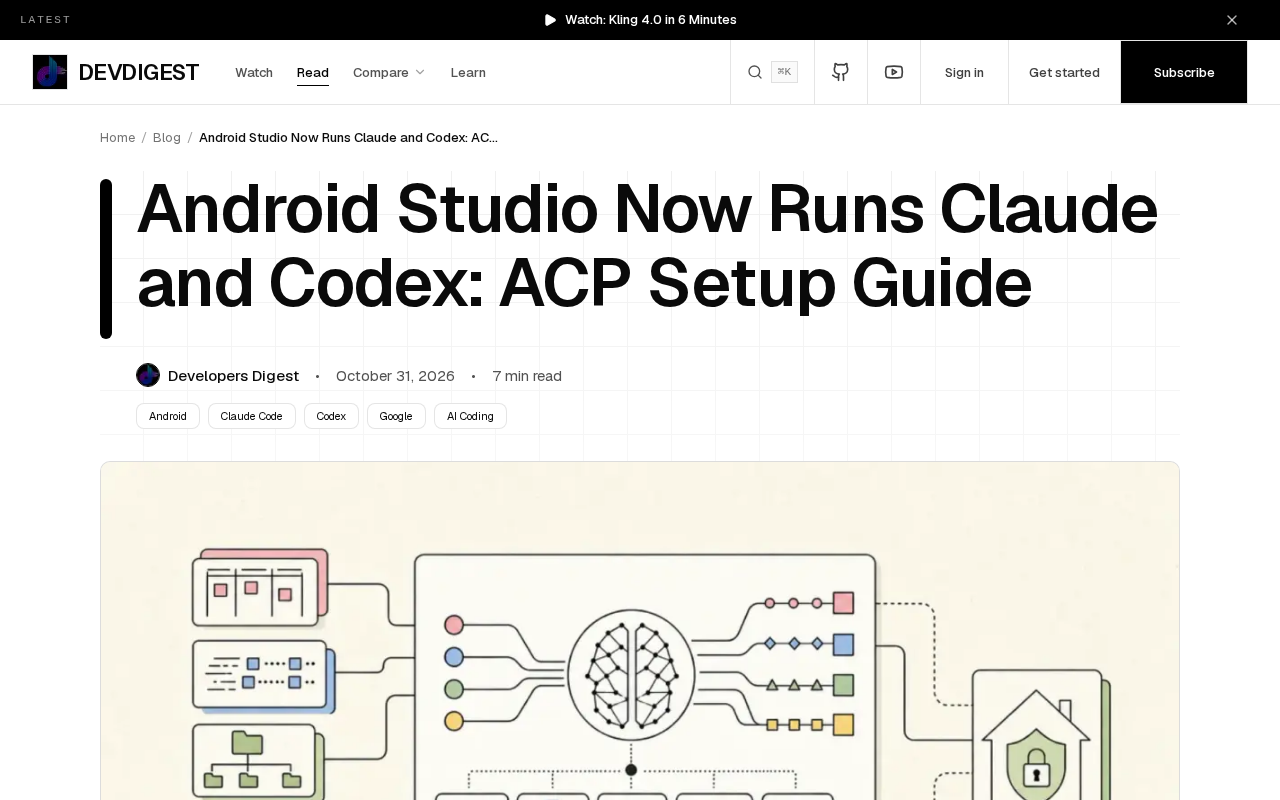
Integrating Claude and Codex in Android Studio: A Complete Guide to ACP Configuration
Android Studio Rabbit 2 integrates Claude, Codex, and 40+ coding agents via ACP, with Android CLI as a plugin for Claude Code and Codex. Covers setup, two-way integration, and pitfalls.
Andrew Ng Teams Up with Anthropic to Launch Free MCP Course: A Complete Guide from Fundamentals to Deployment
Andrew Ng and Anthropic's free MCP course explains the Model Context Protocol's client-server architecture, MCP server construction, third-party integration, and remote deployment, with a full course breakdown and learning path recommendations.

LLM for Absolute Beginners: A Complete Learning Path from Principles to Practice
From Python, math, and PyTorch prerequisites to the BERT vs. GPT route debate, the probabilistic nature of models, the four-stage pretraining/SFT/RLHF pipeline, Top-k, Top-p, Temperature decoding strategies, and LangChain practice—a systematic learning path for LLM beginners from zero to hands-on.
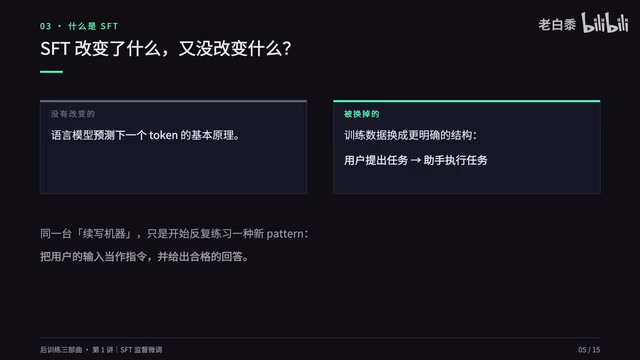
What Is SFT Actually Training? Breaking Down the Core Logic of Supervised Fine-Tuning
What is SFT actually training? This article breaks down its definition, objective, and behavior-cloning essence, analyzes data sources and quality gates, and confronts three limitations: cost, ambiguity, and no preference ranking.

Building a Fault-Tolerant Multi-Model CLI Assistant with Langchain and Pydantic
Based on Reddit community practices, learn how to build a fault-tolerant multi-model CLI AI assistant from scratch with Python, Langchain, and Pydantic, covering failover, fallback chains, and response validation.
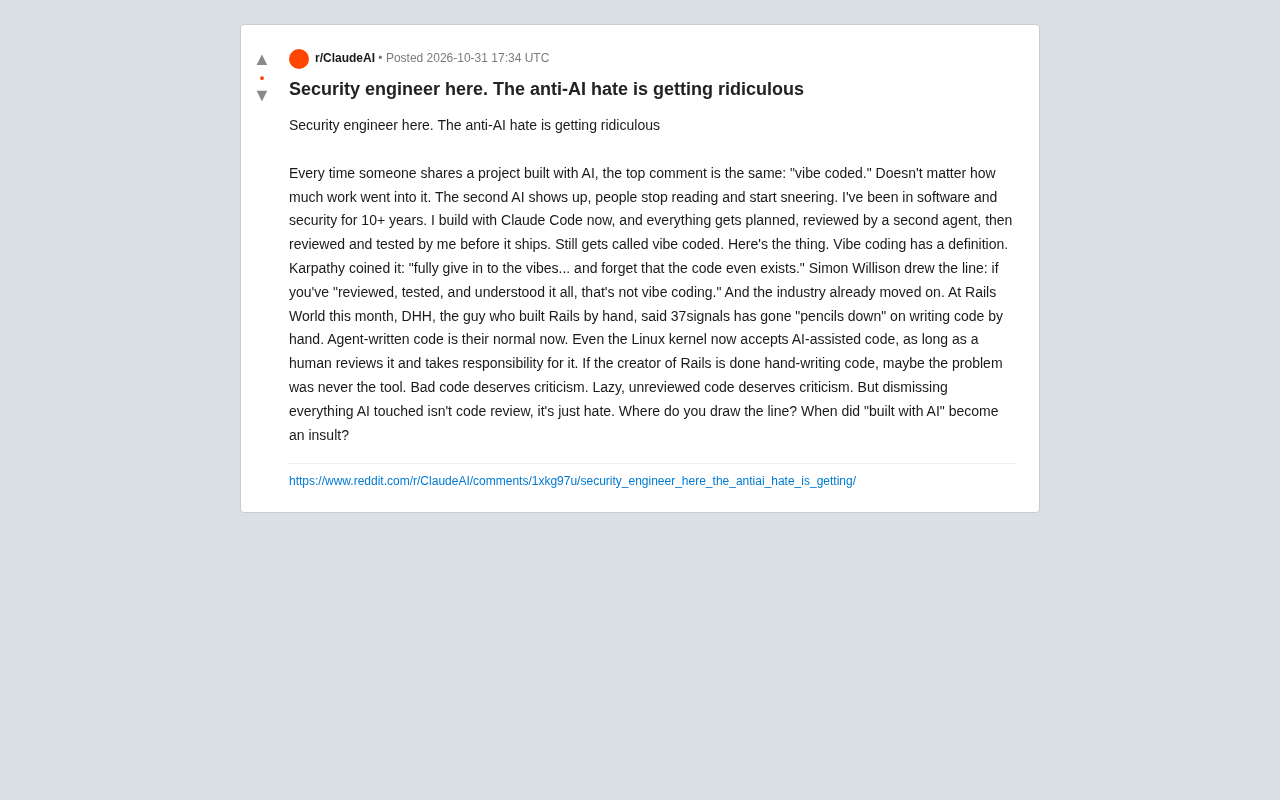
Security Engineer Pushes Back on Anti-AI Bias: Does Writing Code with AI Really Mean 'Vibe Coding'?
A senior security engineer speaks out on Reddit against community bias toward AI-assisted development: any project touching AI gets mocked as vibe coding. The article sorts out vibe coding's original definition, the stance shifts from DHH and the Linux kernel, and explores the real issues of AI code review and accountability.
Inside DevBox: How a Full-Agent-in-Sandbox Architecture Generates PRs Automatically
DevBox builds a full-agent-in-sandbox architecture on Deep Agents to turn tasks into draft PRs, covering credential security, state persistence, agent handoff, and cold-start trade-offs.

LangGraph & DeepAgents Decision Models in Practice Meetup
A Meetup involving Typesafe (creators of Jev) will explore using decision models in LangGraph and DeepAgents. This article covers the event background, the value of decision models, and who should attend.

Prototype First, Then Let the Agent Build: A New Approach to AI Development
This article explores the practice of prototype verification (spike) before letting an Agent build in AI development, emphasizing experimental comparison and visualization for efficient human-machine collaboration.

ChatGPT's Dot Can Now Send Texts, Google Releases Gemini 4 Carbon | AI News Roundup
ChatGPT's Dot supports iMessage/RCS texting as proactive assistants enter daily life; Google releases Gemini 4 Carbon within two weeks and opens the Connect Apps platform; Anthropic launches the Claude 4 Legal tool library for lawyers; NVIDIA open-sources a speech-to-text model, and MiniCPM-OCR runs locally on Apple chips. This issue of AI News features 17 selected updates.

Gemini Carbon Released: Google's New Flagship for Agents and Security Defense
Google DeepMind releases Gemini Carbon, a flagship model for always-on agentic workflows, long-horizon software engineering, and cybersecurity defense.

US Tech Earnings Diverge Sharply: Google Cloud Soars as Gemini 4 Carbon Debuts
Alphabet, Microsoft, and Samsung earnings diverge: Google Cloud surges but cash flow suffers, Azure stays steady; Gemini 4 Carbon debuts as Nvidia's Hugging Face deal faces antitrust scrutiny.

Claude Code Extension Poisoned: Essential Check and Cleanup Guide for Cursor Users
Tampered Anthropic.claude-code 2.1.312 and 2.1.313 versions have been listed on Cursor Marketplace. This article provides a one-line command self-check method, payload behavior analysis, and specific steps for uninstallation, cleanup, and configuration hardening to help developers quickly investigate supply chain poisoning risks.

Enterprise LLM Development: From RAG to Multi-Agent in Practice
A course breakdown of enterprise LLM application development: from prompt engineering and RAG to multi-agent engineering practice and FDE project delivery, helping developers understand why Agent technology is a key focus for enterprise deployment and learn systematically to avoid detours.

Building a Web App from Scratch with AI: Lessons from a Live Stream
A live stream on building a web app with AI: from a WhatsApp appointment system, it shows requirements breakdown, role design, AI coding, and iterative debugging, revealing the rhythm and practical lessons of AI-assisted development.

GitHub Copilot Fusion: A Multi-Model Programming Agent
GitHub Copilot Fusion is an AI programming agent that automatically selects and combines multiple models per task, offering Standard, High, and Max effort tiers to balance speed, quality, and cost across VS Code, CLI, and JetBrains.

Backenly: The Autonomous Backend for AI Coding Agents
Backenly is an autonomous backend platform for AI coding agents. Agents build Postgres, auth, storage, functions, and realtime via MCP, while a self-healing loop runs every minute to fix indexes, RLS, and realtime triggers. Changes require approval and support version rollback.