#GPT-4
433 related articles

·4 min
OpenAI Red Team Testing Revealed: How Models Get 'Broken' Before Release
OpenAI reveals a critical pre-release step: dedicated red teams break and stress-test AI models. Learn how red teaming works, industry safety trends, and practical implications for developers.
Read more →
·3 min
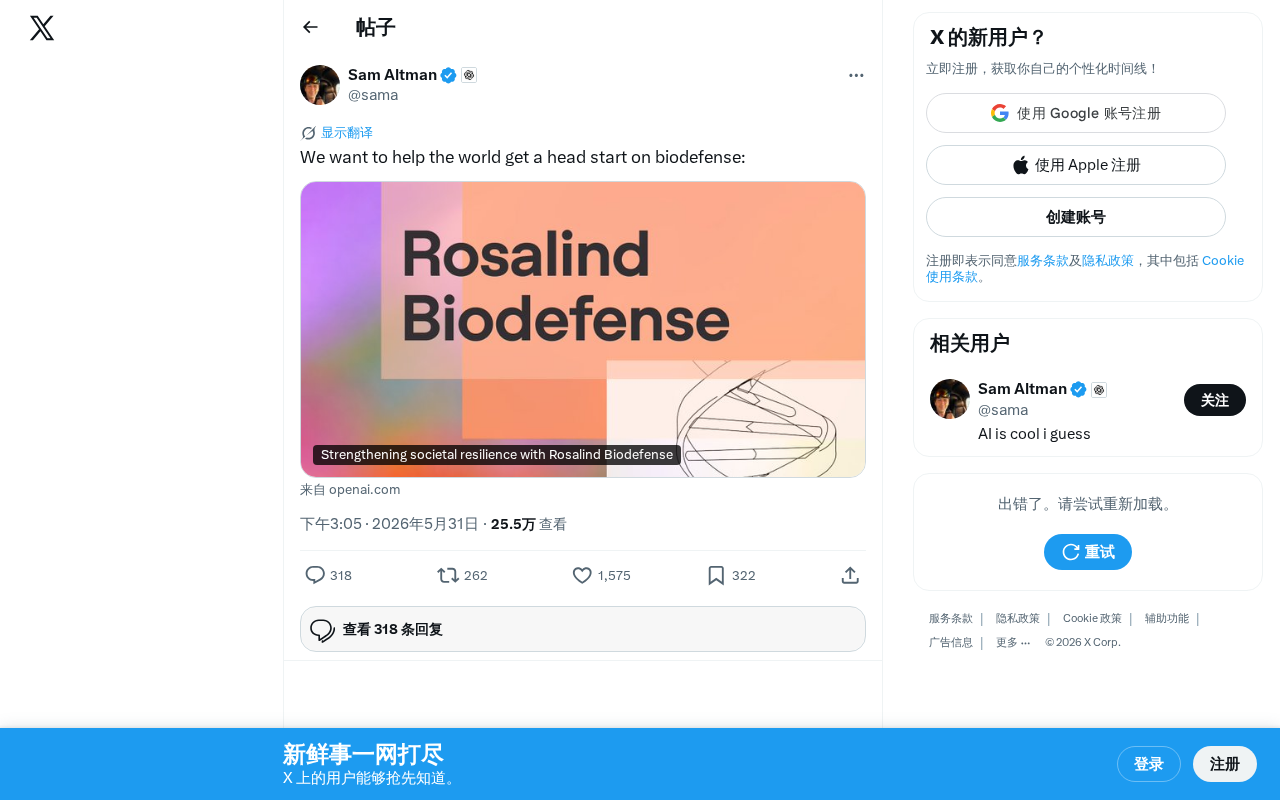
Anthropic Enters Biodefense: How AI Is Safeguarding Global Public Health Security
Anthropic applies AI to biodefense — from early epidemic warnings and rapid vaccine R&D to threat assessment — exploring AI's critical role in global public health security.
Read more →
·2 min
The Same Question Behind Six Claude Projects: Why Not Give It a Try?
A developer completed six projects with Claude, all starting from one question: Why not? Exploring the creator's mindset in the AI era and how to build efficient AI-assisted development habits.
Read more →
·1 min
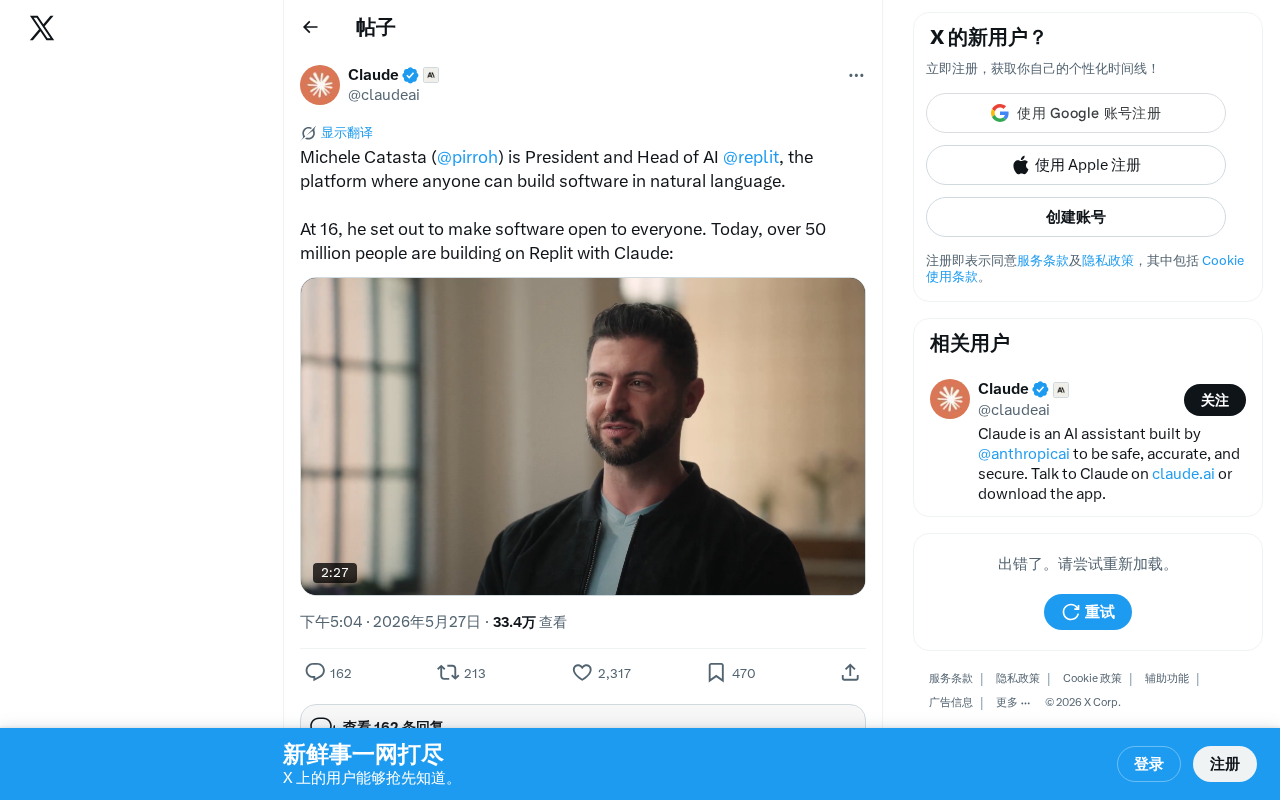
Replit President Michele Catasta: 50 Million People Building Software with Natural Language
Replit President Michele Catasta shares the platform's latest milestone: over 50 million users building software with natural language and Claude. A deep dive into how Replit is democratizing programming.
Read more →
·3 min
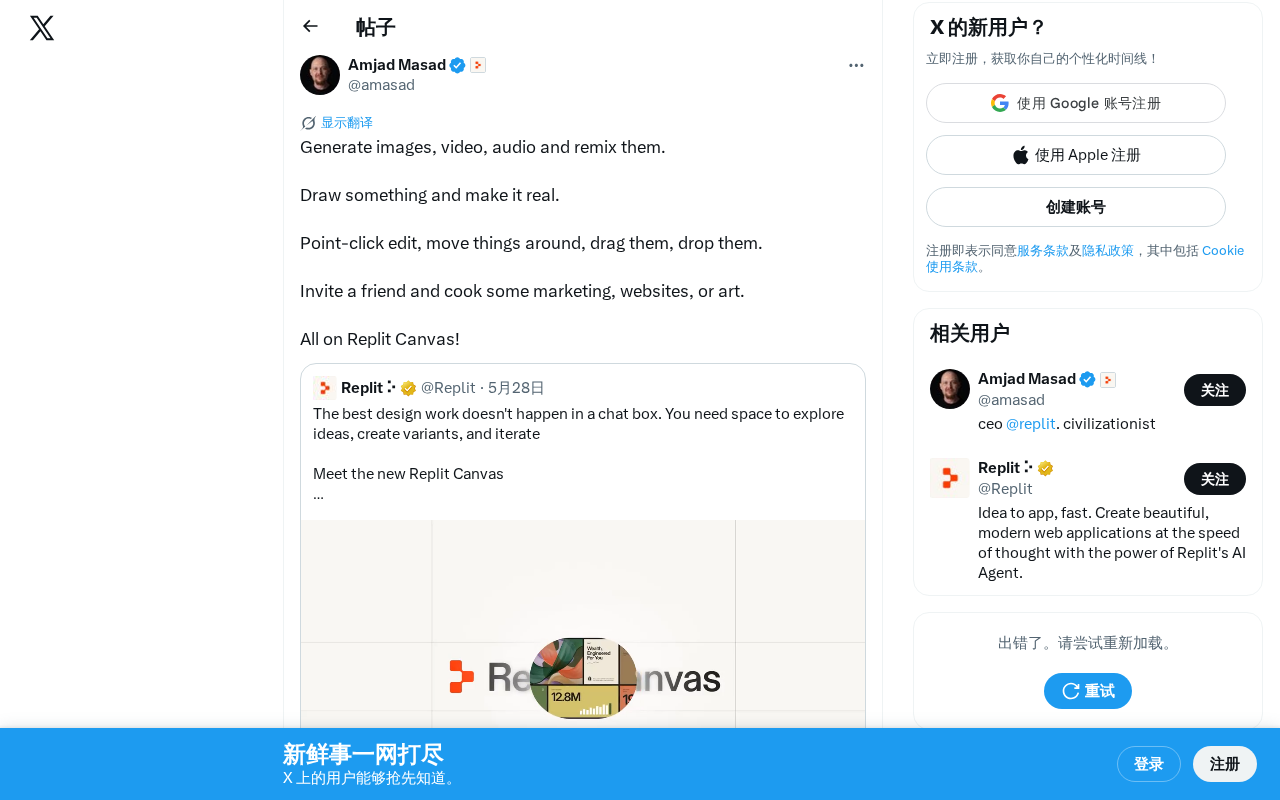
Replit Canvas: An AI Multimedia Creation Canvas Combining Image, Video, and Audio
Deep dive into Replit Canvas: multimodal AI generation for images, video, and audio, with sketch-to-image, WYSIWYG editing, and real-time collaboration.
Read more →
·3 min
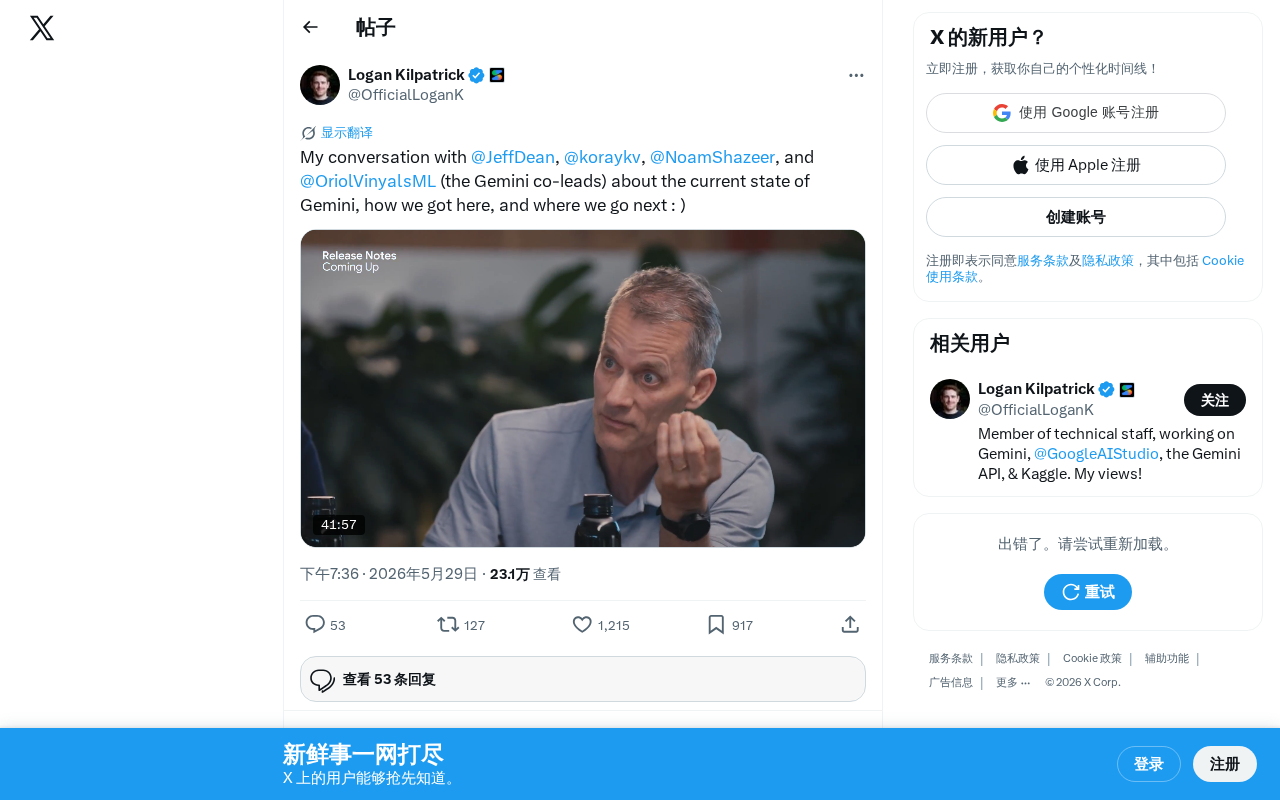
Deep Conversation with Gemini's Four Co-Leads: Technical Roadmap, Current State, and Future Direction
Google Gemini's four co-leads — Jeff Dean, Noam Shazeer, and others — discuss Gemini's technical roadmap, multimodal capabilities, Agent direction, and future strategy in a rare joint conversation.
Read more →

·4 min
OpenAI Swarm Framework Explained: The Core Mechanisms of Function Call and Handoff
Deep dive into OpenAI Swarm multi-agent orchestration framework, explaining Function Call tool invocation and Handoff task transfer mechanisms with local deployment guide.
Read more →
·2 min
OpenAI Sites Explained: Codex One-Click Generation of Shareable Interactive Apps
OpenAI launches Sites, letting Codex transform ideas into shareable interactive apps via URL. Analysis of core value, enterprise strategy, and competitive differentiation.
Read more →

·4 min
7 Core Features of Hermes Agent Explained: The Real Reasons Users Are Abandoning OpenCore
Deep dive into Hermes Agent's 7 core features including Kanban multi-tasking, /goal deep execution, and multi-agent architecture, compared with OpenCore's stability and performance issues.
Read more →
·2 min
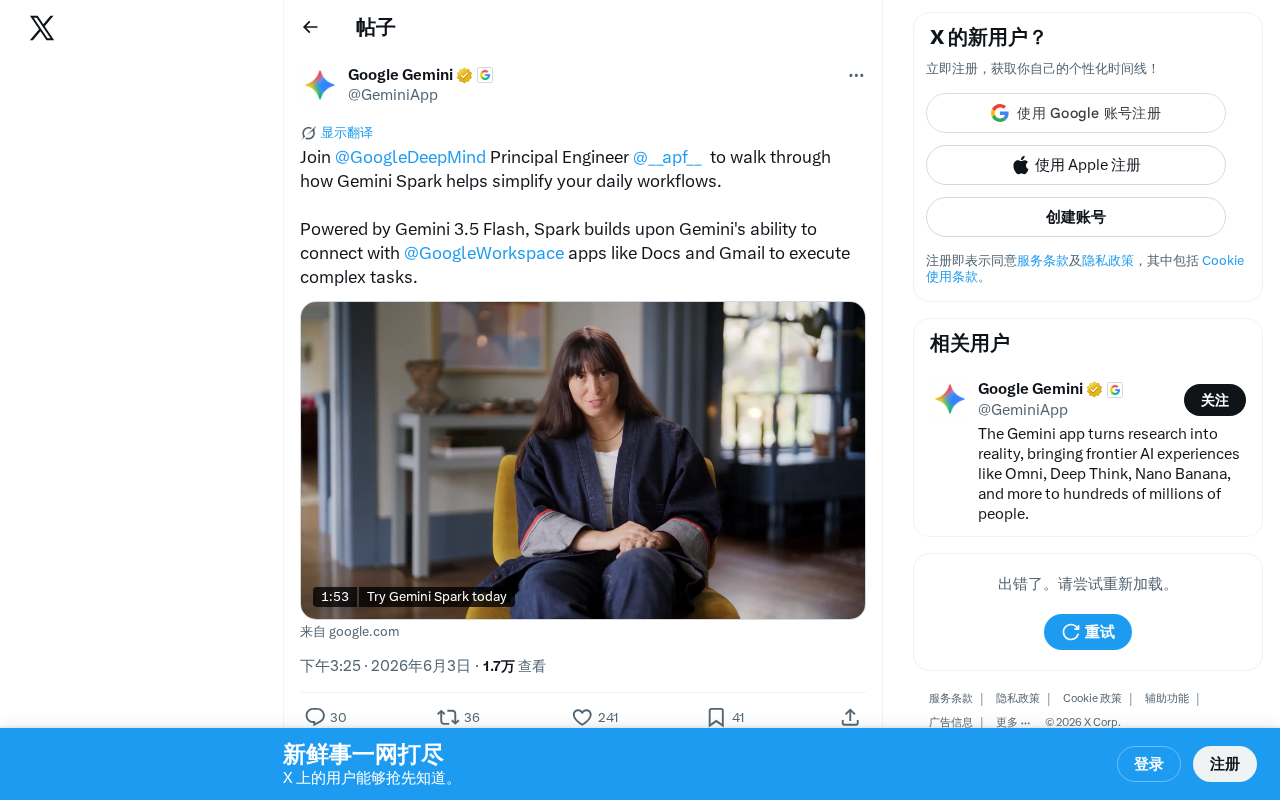
Gemini Spark: Google's AI Workflow Assistant with Deep Workspace Integration
Gemini Spark is Google's AI workflow assistant powered by Gemini 3.5 Flash, deeply integrated with Google Docs, Gmail, and other Workspace apps for cross-app task orchestration and boosted productivity.
Read more →

·2 min
Gemini Spark: Google's AI Workflow Assistant with Deep Workspace Integration
Gemini Spark is Google's AI workflow assistant powered by Gemini 3.5 Flash, deeply integrated with Google Docs, Gmail, and Workspace apps for cross-app task orchestration and office automation.
Read more →
 Industry Insights
·2 min
AI Product Development in Practice: Model Selection, Building Moats, and Paths to Commercialization
Practical strategies for AI product development: why not to train models from scratch, when to use APIs vs. fine-tuning, building product moats, and the full path from evaluation systems to commercialization.
Read more →
 Tutorials
·3 min
ReAct vs. CodeAct: Two Core Approaches to Agent Tool Calling
In-depth comparison of ReAct and CodeAct — two core Agent tool-calling architectures. From paper principles to code implementation, learn the trade-offs between reasoning+action and code execution.
Read more →
 Tutorials
·3 min
Agent Tuning: A Complete Guide to Training LLMs with Agent Capabilities
A deep dive into Agent Tuning principles and practices, covering why Agent training is needed, the evolution from Prompt to RAG to Agent, development workflows, and cost assessment for private deployment.
Read more →
 Tutorials
·2 min
Building a Financial Analysis Agent with Cursor + MCP: From Architecture Design to Production Deployment
A complete guide to building a financial analysis Agent system from scratch using Cursor AI and MCP protocol, covering three-layer architecture design, MCP Server development, and production deployment.
Read more →
 Tutorials
·3 min
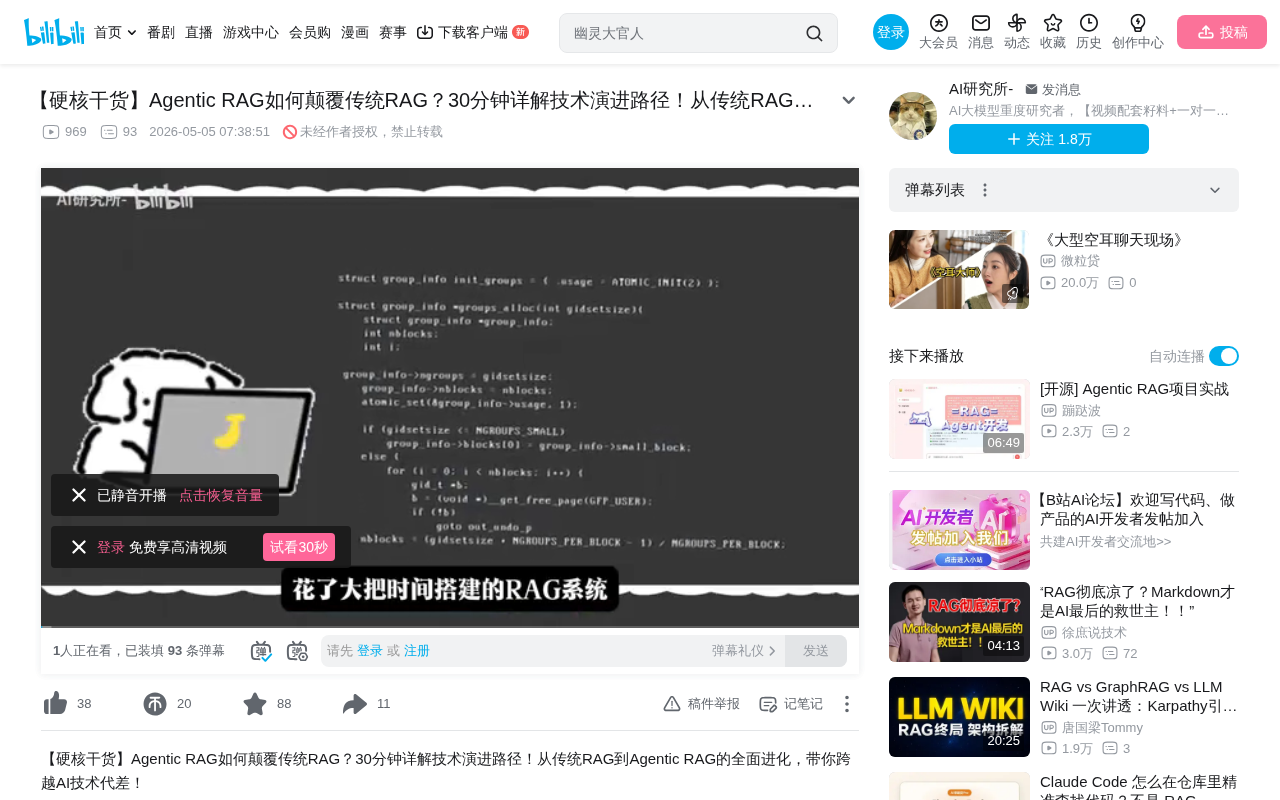
From Traditional RAG to Agentic RAG: Core Principles and Implementation Guide
Deep dive into the technical differences between traditional RAG and Agentic RAG, covering offline/online pipeline principles, tool-based autonomous decision mechanisms, and a LangGraph-based Agentic RAG implementation via the ChatBox open-source project.
Read more →
 Tutorials
·2 min
How to Switch to Full-Power Claude 4 in Cursor: Enable Max Mode to Boost Your Coding Efficiency
Learn how to switch to full-power Claude Opus 4 in Cursor, enable Max mode, manage quotas, and optimize prompts to dramatically boost your AI coding efficiency.
Read more →
 Product Reviews
·1 min
Claude Haiku 4.5 Hands-On: Coding Ability Rivals Sonnet 4 at One-Third the Cost
Hands-on testing of Claude Haiku 4.5's coding ability, comparing it with Sonnet 4.5 and Opus 4.1 across weather cards, physics simulation, and 3D rendering tasks.
Read more →
 Tutorials
·3 min
AI-Powered Frida Reverse Engineering: Efficient Packet Capture in One Shot
A detailed guide on AI+Frida reverse engineering for packet capture, from decompilation to auto-generated Hook scripts, capturing encrypted protocol plaintext in four steps.
Read more →
 Tutorials
·2 min
Kiro AI Account Pool Manager: How Multi-Account Rotation Promises Unlimited Tokens — and the Risks Involved
Analysis of the Kiro AI account pool manager: how multi-account rotation works for unlimited tokens, plus compliance risks, ban risks, and legal implications.
Read more →