#System Prompt
227 related articles
Practical Experience Building an Autom…
·2 min
Practical Experience Building an Automated Development Pipeline with Multi-AI Agent Collaboration
Practical experience building a dev pipeline with multiple AI Agents: three-Agent architecture, Batch API cutting 50% token costs, 24/7 async execution, and the one-person company paradigm.
Read more →
·3 min
vLLM Deep Dive: How PagedAttention Enables High-Throughput LLM Inference
Deep dive into vLLM's core technologies for high-throughput LLM inference, including PagedAttention memory management, continuous batching, distributed deployment, and comparisons with TensorRT-LLM.
Read more →

·2 min
Cherry Studio: A Deep Dive into the Open-Source AI Productivity Tool with Unified Access to 300+ LLMs
Deep dive into Cherry Studio, an open-source AI client supporting 300+ LLMs including OpenAI, Claude, and Gemini, with autonomous agents and pre-built assistants. Nearly 47K GitHub Stars.
Read more →
·2 min
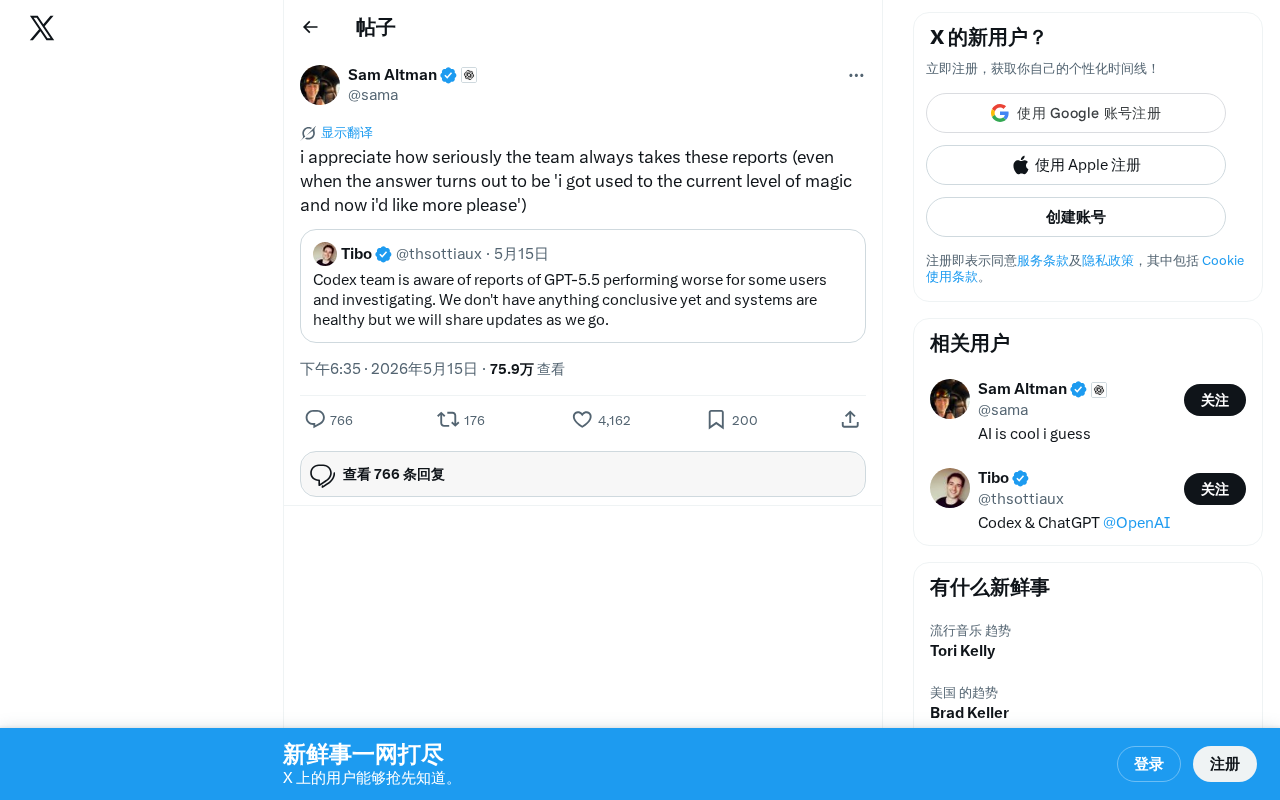
The "Magic Fatigue" Effect in AI Products: The Hidden Challenge of User Expectation Management
Exploring the "Magic Fatigue" effect in AI products: why users feel AI is getting dumber, how to distinguish real degradation from rising expectations, and strategies for managing user expectations.
Read more →
·2 min
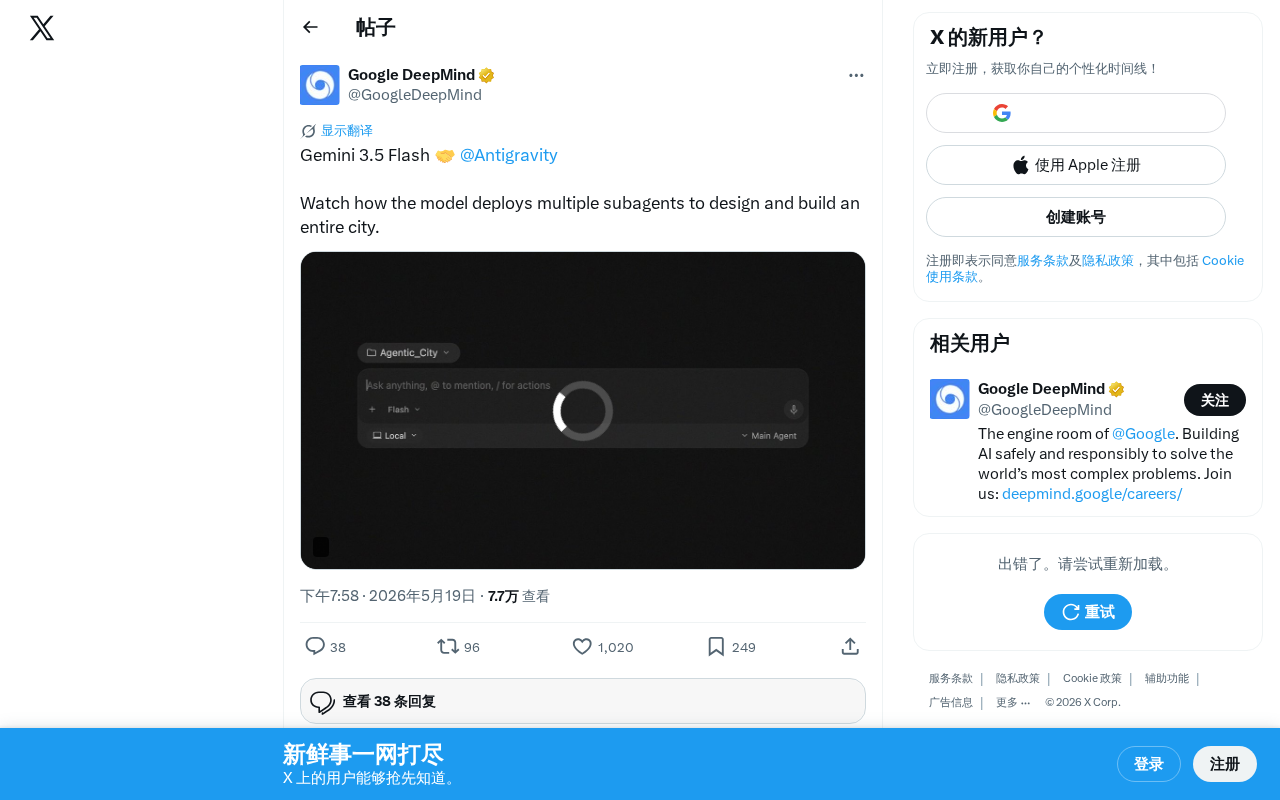
Gemini 3.5 Flash Teams Up with Antigravity: Multi-Agent Collaboration to Build an Entire City
Deep dive into how Gemini 3.5 Flash and Antigravity platform use multi-subagent architecture to design and build a complete virtual city from scratch.
Read more →
·2 min
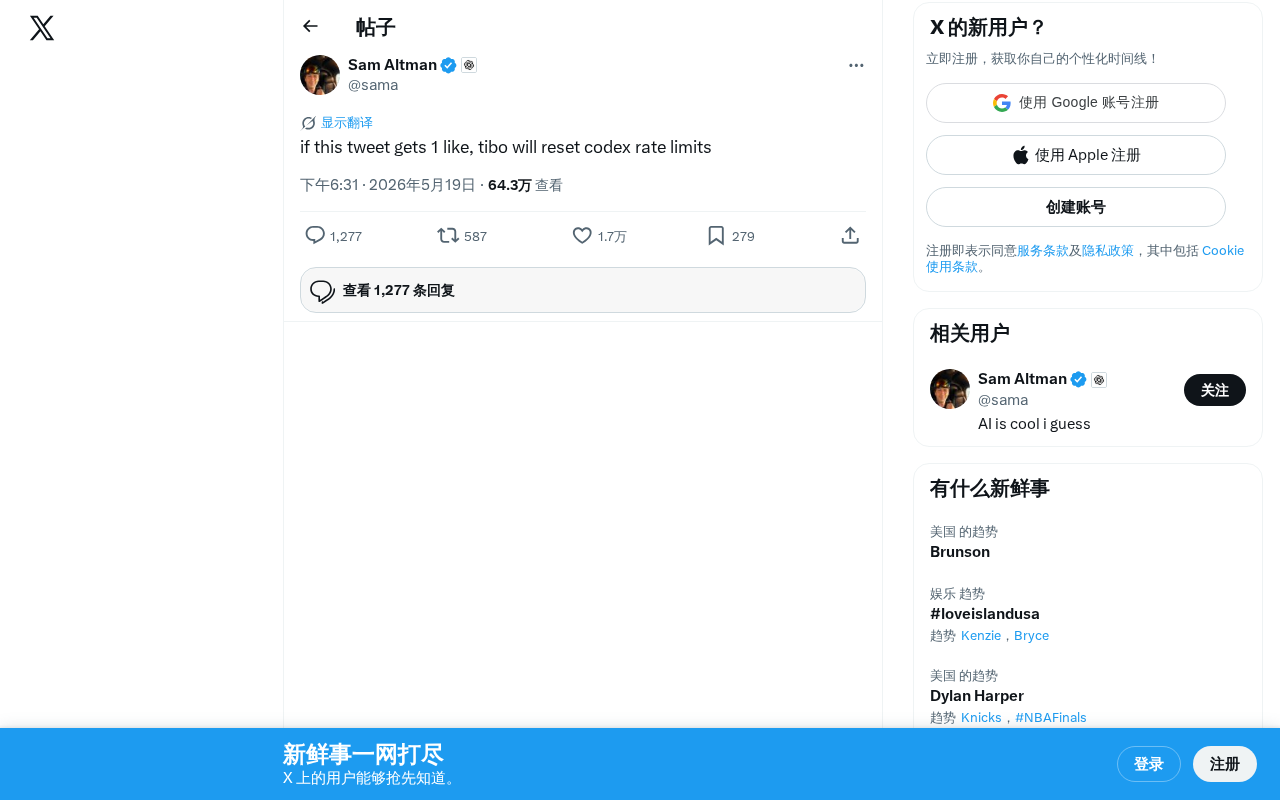
OpenAI Codex Rate Limits Spark Developer Debate: Pain Points, Signals, and Coping Strategies
OpenAI Codex rate limits spark developer debate. This article analyzes core pain points, OpenAI's communication strategy, possible policy changes, and practical coping tips for developers.
Read more →
·3 min
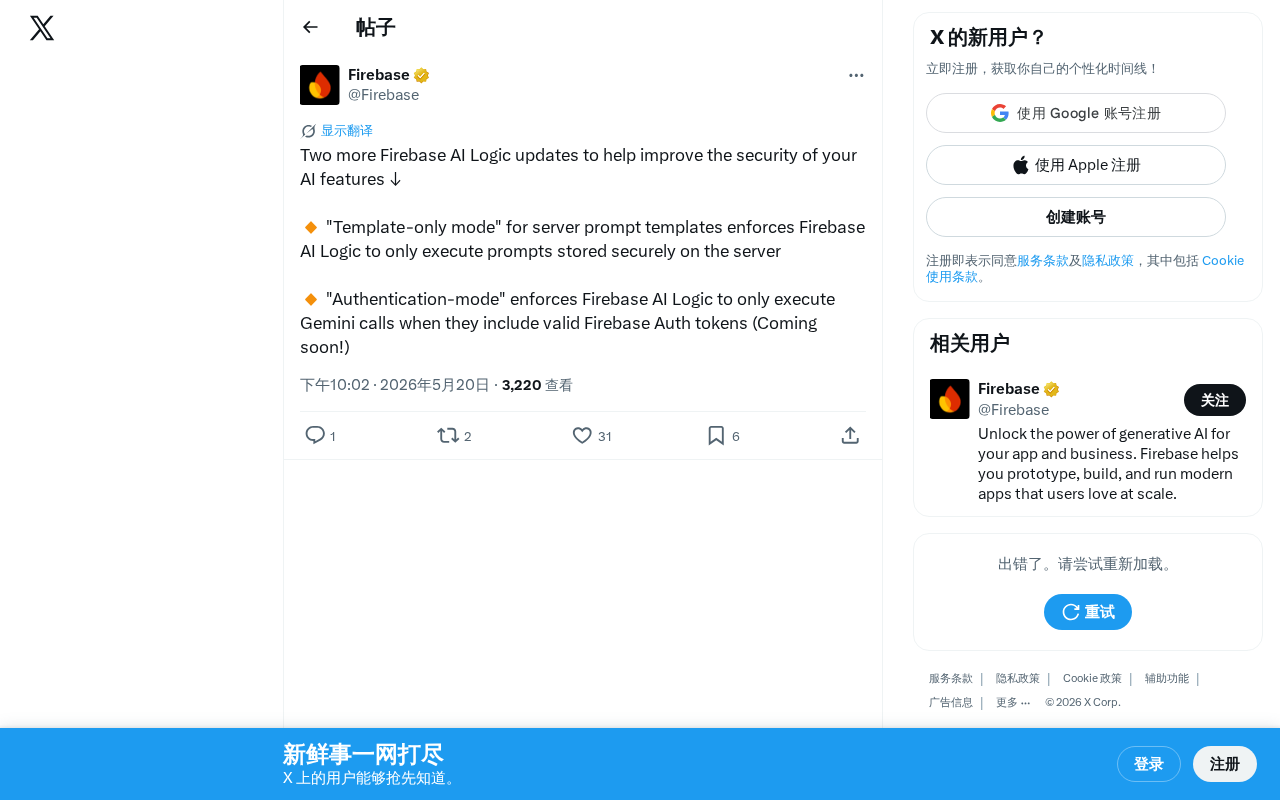
Firebase AI Logic Security Updates: Template-Only Mode and Authentication Mode Explained
Deep dive into Firebase AI Logic's two major security updates: Template-only mode locks server-side prompts to prevent injection, and Authentication mode enforces identity verification to prevent API abuse.
Read more →

·2 min
Genspark AI: A Deep Dive into the All-in-One AI Workspace Built on Claude
Explore how Genspark AI leverages Anthropic's Claude to build an all-in-one AI workspace, with insights on team strategy, tech choices, and the competitive landscape.
Read more →

·4 min
OpenAI Swarm Framework Explained: The Core Mechanisms of Function Call and Handoff
Deep dive into OpenAI Swarm multi-agent orchestration framework, explaining Function Call tool invocation and Handoff task transfer mechanisms with local deployment guide.
Read more →
 Industry Insights
·2 min
AI Product Development in Practice: Model Selection, Building Moats, and Paths to Commercialization
Practical strategies for AI product development: why not to train models from scratch, when to use APIs vs. fine-tuning, building product moats, and the full path from evaluation systems to commercialization.
Read more →
 Tutorials
·2 min
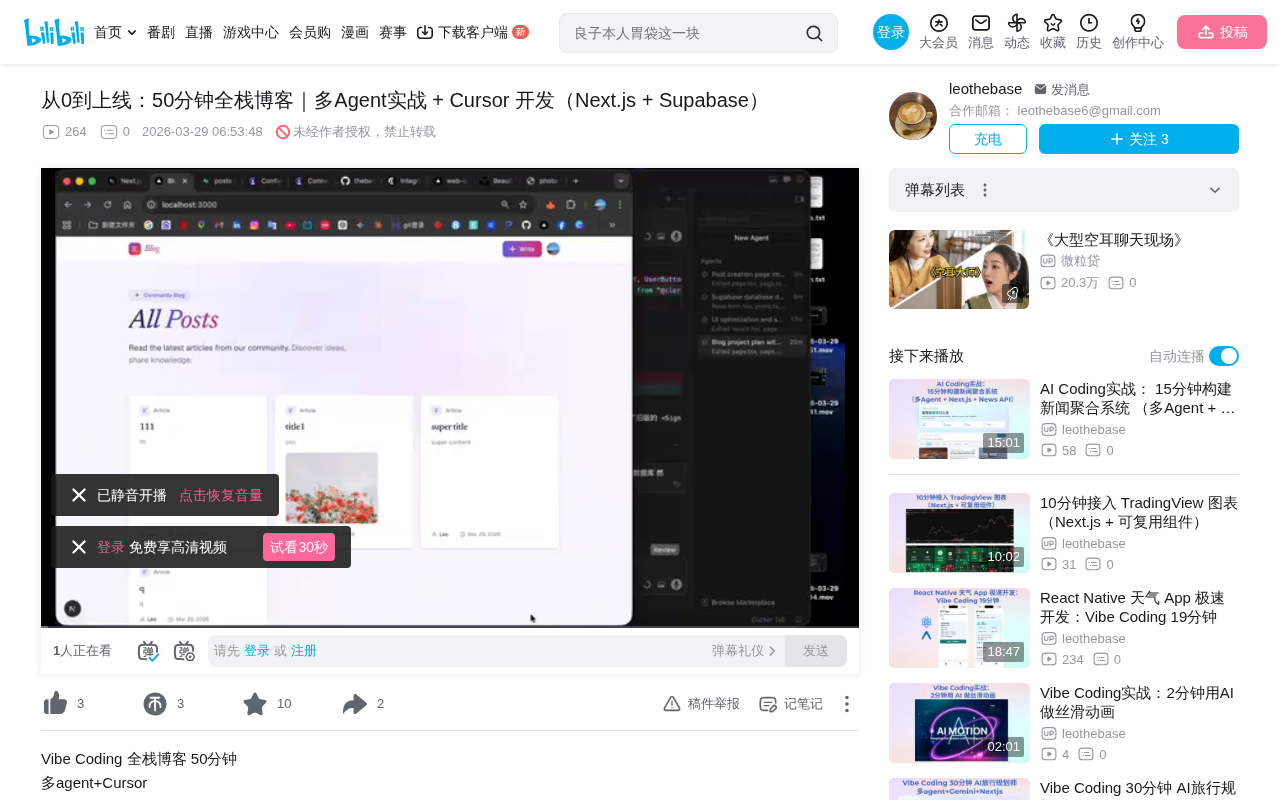
Cursor Multi-Agent in Practice: Building a Full-Stack Next.js Blog in 50 Minutes
Build a full-stack blog in 50 minutes using Cursor IDE's multi-Agent mode with Next.js, Clerk auth, and Supabase. Learn the 4-phase AI Agent workflow and key integration pitfalls.
Read more →
 Tutorials
·3 min
ReAct vs. CodeAct: Two Core Approaches to Agent Tool Calling
In-depth comparison of ReAct and CodeAct — two core Agent tool-calling architectures. From paper principles to code implementation, learn the trade-offs between reasoning+action and code execution.
Read more →
 Tutorials
·3 min
Agent Tuning: A Complete Guide to Training LLMs with Agent Capabilities
A deep dive into Agent Tuning principles and practices, covering why Agent training is needed, the evolution from Prompt to RAG to Agent, development workflows, and cost assessment for private deployment.
Read more →
 Tutorials
·2 min
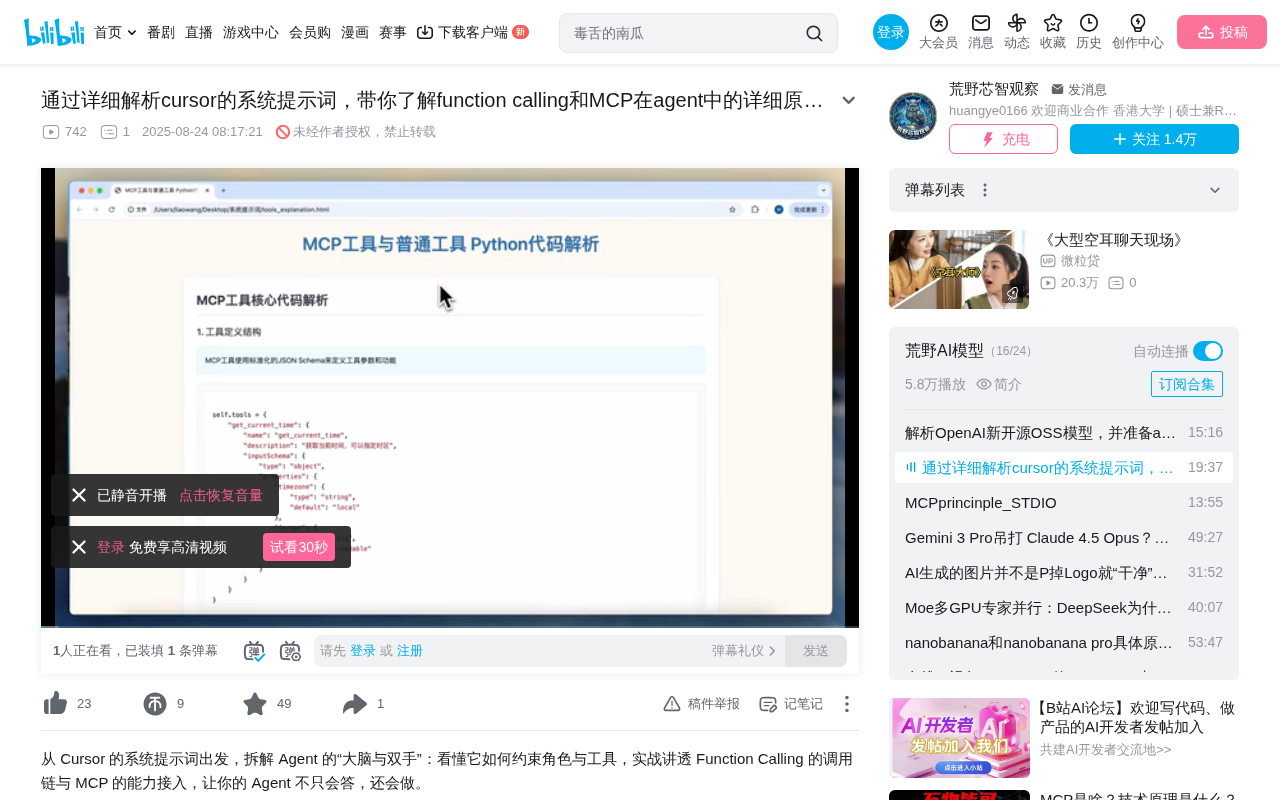
Understanding Function Calling and MCP Through Cursor's System Prompt
Deep dive into Function Calling and MCP working principles through Cursor editor's system prompt analysis, comparing regular tools vs MCP tools and testing Agent capabilities across model sizes.
Read more →
 Deep Dives
·3 min
Deep Dive into How OpenClaw (Open-Source Crayfish) AI Agent Works
Deep analysis of OpenClaw AI Agent internals: System Prompt, tool calling, SubAgents, Skill system, memory, and Context Engineering explained.
Read more →
 Tutorials
·3 min
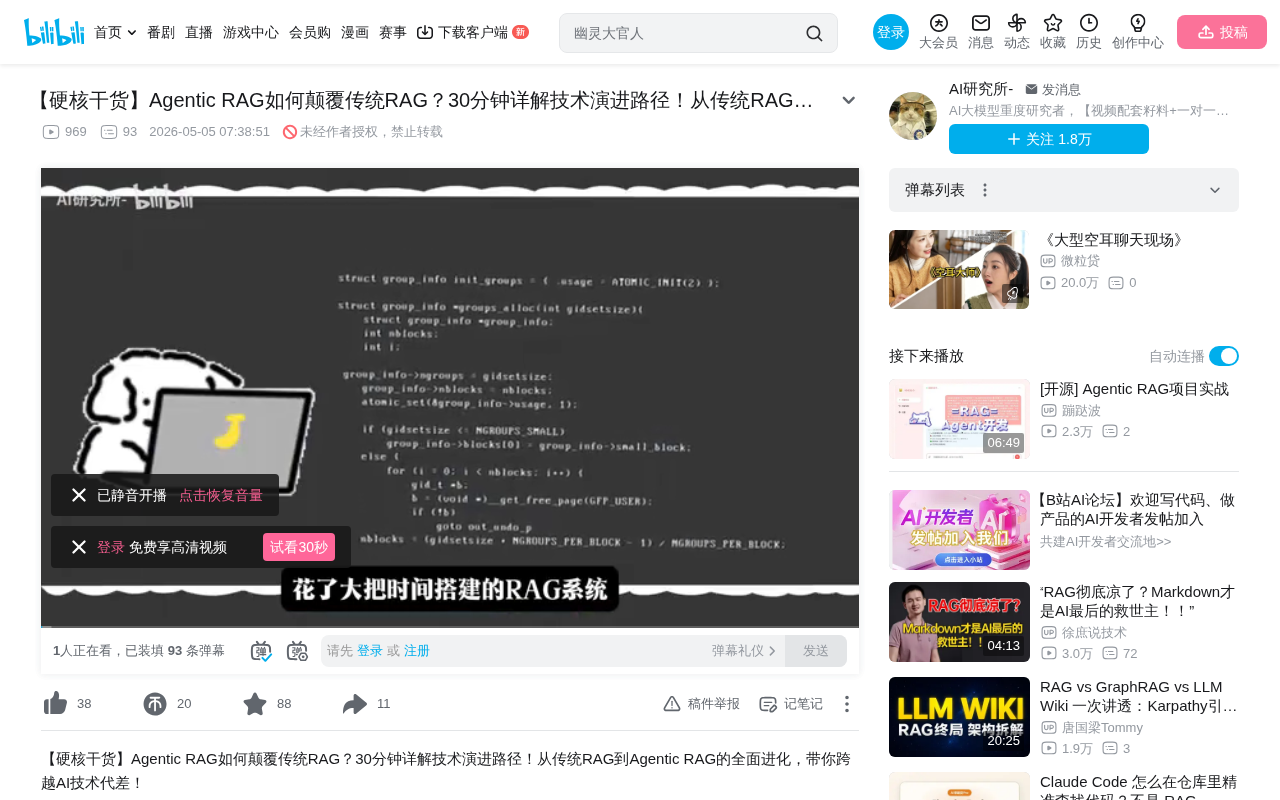
From Traditional RAG to Agentic RAG: Core Principles and Implementation Guide
Deep dive into the technical differences between traditional RAG and Agentic RAG, covering offline/online pipeline principles, tool-based autonomous decision mechanisms, and a LangGraph-based Agentic RAG implementation via the ChatBox open-source project.
Read more →
 Tutorials
·2 min
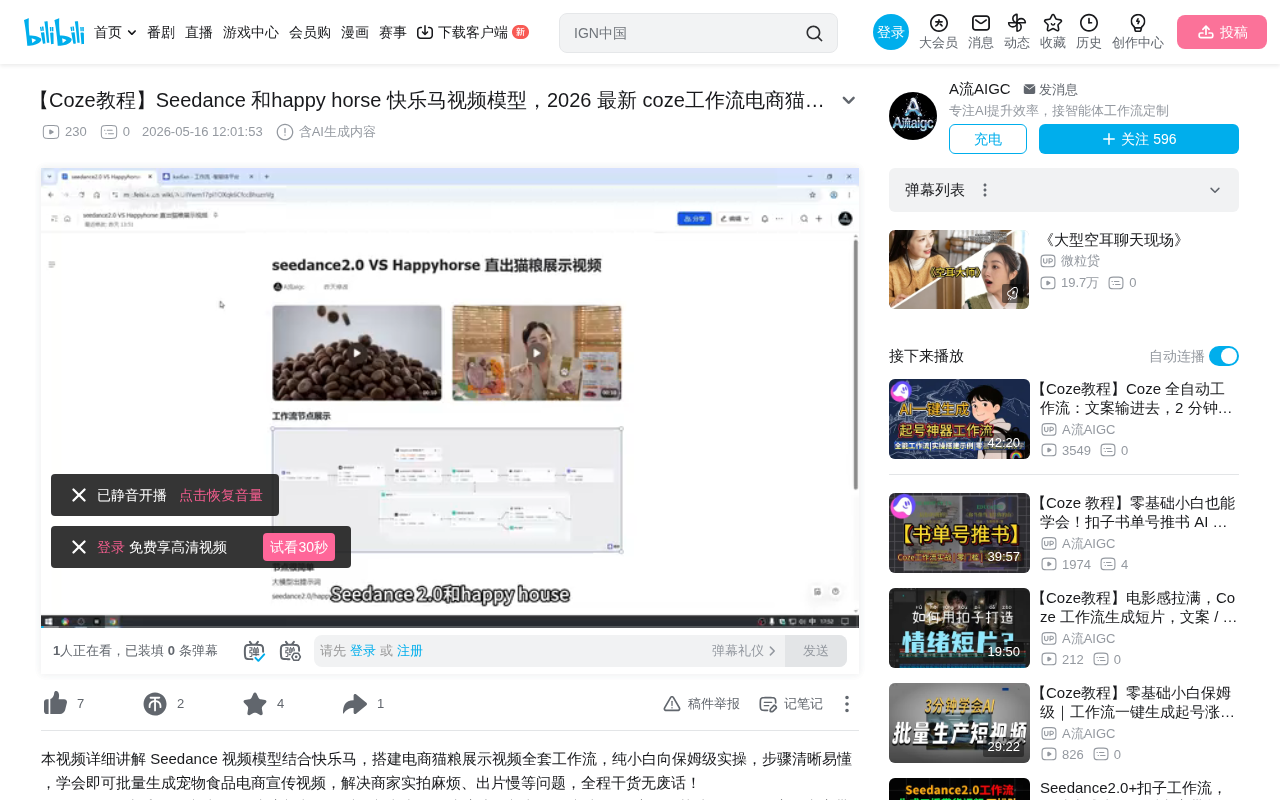
Building E-commerce Videos with Coze Workflows: A Hands-On Tutorial with Seedance and Happy Horse
Learn how to build automated e-commerce video workflows in Coze using Seedance 2.0 and Happy Horse plugins. Covers node setup, prompt generation, loop querying, and practical tips.
Read more →
 Tutorials
·2 min
Building E-commerce Videos with Coze Workflows: A Hands-On Tutorial with Seedance and Happy Horse
Learn how to build automated e-commerce video workflows using Coze with Seedance 2.0 and Happy Horse plugins. Covers node setup, prompt generation, and loop querying.
Read more →
 Tutorials
·2 min
A Single .md File Reduced AI Coding Errors from 41% to 3%
A viral GitHub project uses just 65 lines in a .md rules file with 12 coding principles to reduce AI programming errors from 41% to 3%. Learn the four golden rules and 8 advanced techniques.
Read more →
 Tutorials
·3 min
Practical Guide to Configuring MCP Servers and Extensions in Gemini CLI
Learn how MCP servers work in Gemini CLI and how to configure them. Step-by-step guide using Context7 and Firebase extensions to expand AI coding capabilities.
Read more →