#tool calling
97 related articles
·3 min
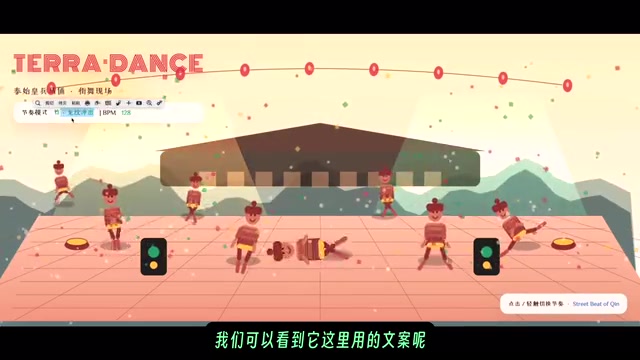
GPT-5.2 Codex vs Opus 4.5 Hands-On: A Comprehensive Comparison of Coding Ability, Speed, and Developer Experience
Hands-on comparison of GPT-5.2 Codex vs Opus 4.5 across frontend generation, physics simulation, 3D scenes, and code refactoring, with practical selection advice.
Read more →
·2 min
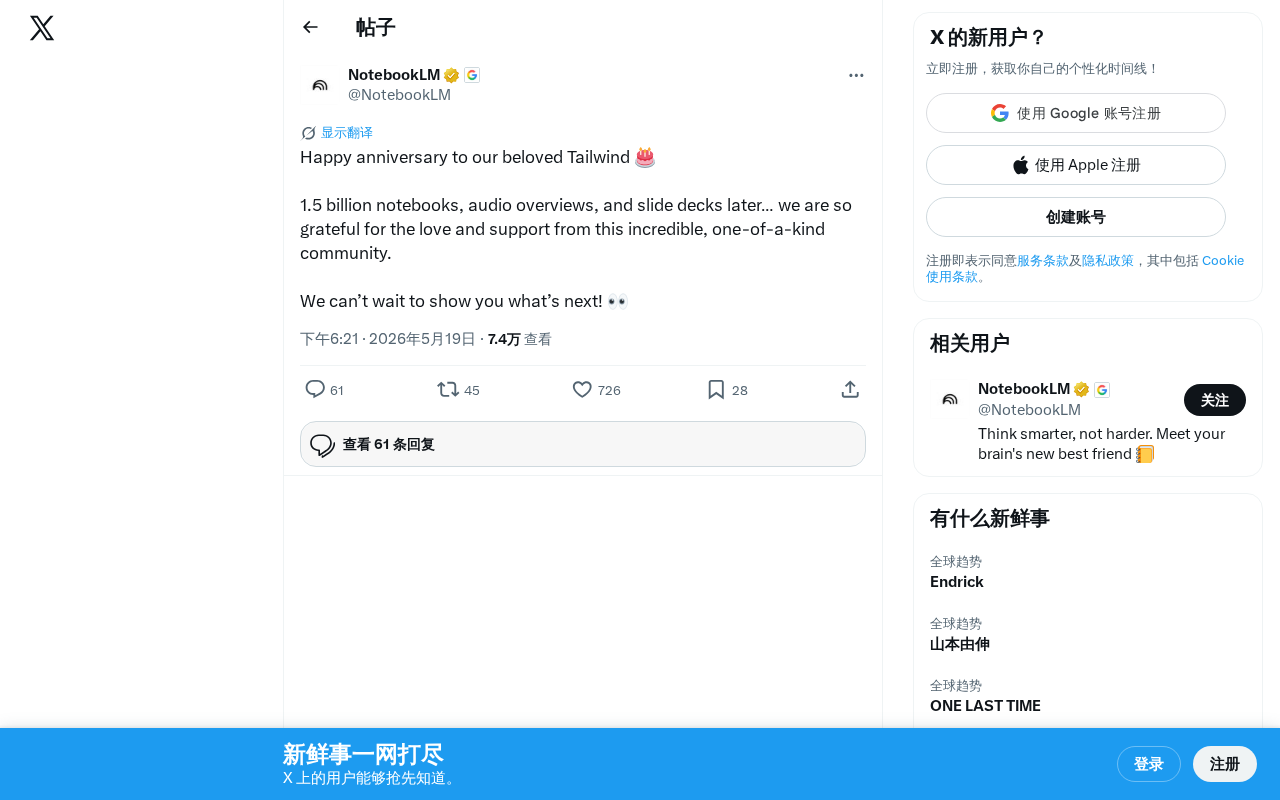
NotebookLM Anniversary Data Revealed: The Source-Driven AI Revolution Behind 1.5 Billion Notebooks
Google NotebookLM celebrates its anniversary with 1.5 billion notebooks, audio overviews, and slides created. A deep dive into its source-driven AI design, core features, and future direction.
Read more →
·4 min
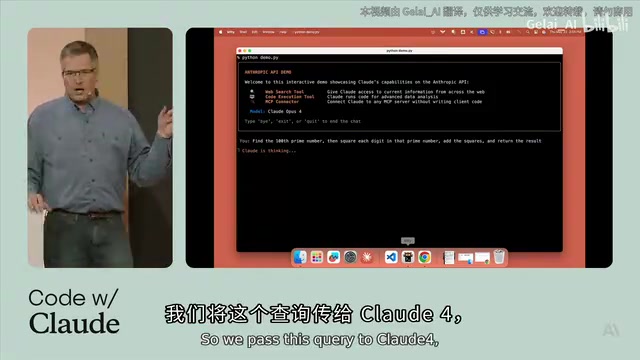
Anthropic's Official Breakdown: Three Core Components for Building AI Agents
Anthropic Developer Conference deep dive into three core AI Agent architectures: Build (code execution), Connect (Web Search & MCP), and Optimize, with live demos and multi-tool collaboration examples.
Read more →
·3 min
Hands-On Testing of DS4 Engine by Redis Creator: How Does DeepSeek V4 Perform Locally on a 128GB Mac?
Redis creator Antirez's DS4 inference engine tested: running DeepSeek V4 Flash locally on a 128GB Mac via asymmetric structure-aware quantization, with real-world coding benchmarks.
Read more →
Deep Dive into How Claude Code Works: …
·3 min
Deep Dive into How Claude Code Works: Prompt Assembly, Permission Control, and the Skills Mechanism
Deep dive into Claude Code internals: stateless model principles, four-layer prompt assembly, Agentic Loop execution, permission control, and reusable Skills workflow templates for agentic engineering.
Read more →
The Five-Layer Evolution of Scaling La…
·2 min
The Five-Layer Evolution of Scaling Law: How Physical AI Opens the Next Growth Curve
Deep analysis of Scaling Law's five-layer evolution from Pre-Training to Multi-Agent, exploring Physical AI's World Models, edge inference, and emotional interaction.
Read more →
OpenCode Open-Source AI Coding Assista…
·2 min
OpenCode Open-Source AI Coding Assistant Review: Can It Replace Claude Code?
In-depth review of OpenCode, a free open-source AI coding assistant. Covers installation, features, and cost comparison with Claude Code to help developers decide if this zero-config alternative is worth switching to.
Read more →
AI Agent Core Architecture Explained: …
·4 min
AI Agent Core Architecture Explained: A Deep Dive into the Four Key Modules — Perception, Brain, Action, and Memory
Deep dive into AI Agent architecture: explore the four core modules — Perception, Brain, Action, and Memory — covering RAG, tool calling, Chain of Thought, and more.
Read more →
AI Large Language Model Learning Roadm…
·4 min
AI Large Language Model Learning Roadmap: A Complete Guide from Zero to Project Implementation
A systematic AI LLM learning roadmap covering prompt engineering, RAG, AI Agent development, and fine-tuning — with beginner-friendly paths and practical tips.
Read more →
LangGraph Core Explained: Its Relation…
·3 min
LangGraph Core Explained: Its Relationship with LangChain and Multi-Agent Orchestration Principles
Deep dive into LangGraph's core positioning, its relationship with LangChain, practical code comparisons of Chain vs Graph, understanding Agent essentials, and multi-agent orchestration design.
Read more →
AI Agent Development Learning Roadmap:…
·4 min
AI Agent Development Learning Roadmap: A Complete Four-Stage Plan from Zero to Production
A systematic AI Agent development learning roadmap covering LLM API calls, ReAct framework, memory mechanisms, and multi-agent collaboration across four stages with timeline and project suggestions.
Read more →
AI Large Language Model Learning Roadm…
·3 min
AI Large Language Model Learning Roadmap for Beginners: A Three-Month Hands-On Guide
A detailed zero-to-hero AI large model learning roadmap covering four phases—fundamentals, RAG, Agents, and engineering deployment—with a practical three-month study plan and career advice.
Read more →
Codex++ Hands-On: Complete Guide to Co…
·2 min
Codex++ Hands-On: Complete Guide to Connecting Chinese LLMs Without a ChatGPT Account
Step-by-step tutorial on using Codex++ to connect Chinese LLMs like DeepSeek and Tongyi Qianwen without a ChatGPT account, with full Computer Use and plugin support.
Read more →
Cursor Design Mode Launch and OpenAI C…
·3 min
Cursor Design Mode Launch and OpenAI Codex Updates: Latest Developments in AI Programming Tools
Cursor launches Design Mode for visual development, OpenAI Codex updates and Safety Lock Mode released, Anthropic doubles limits, AI agent leaderboards debut, Google DeepMind model compression breakthrough.
Read more →
·1 min
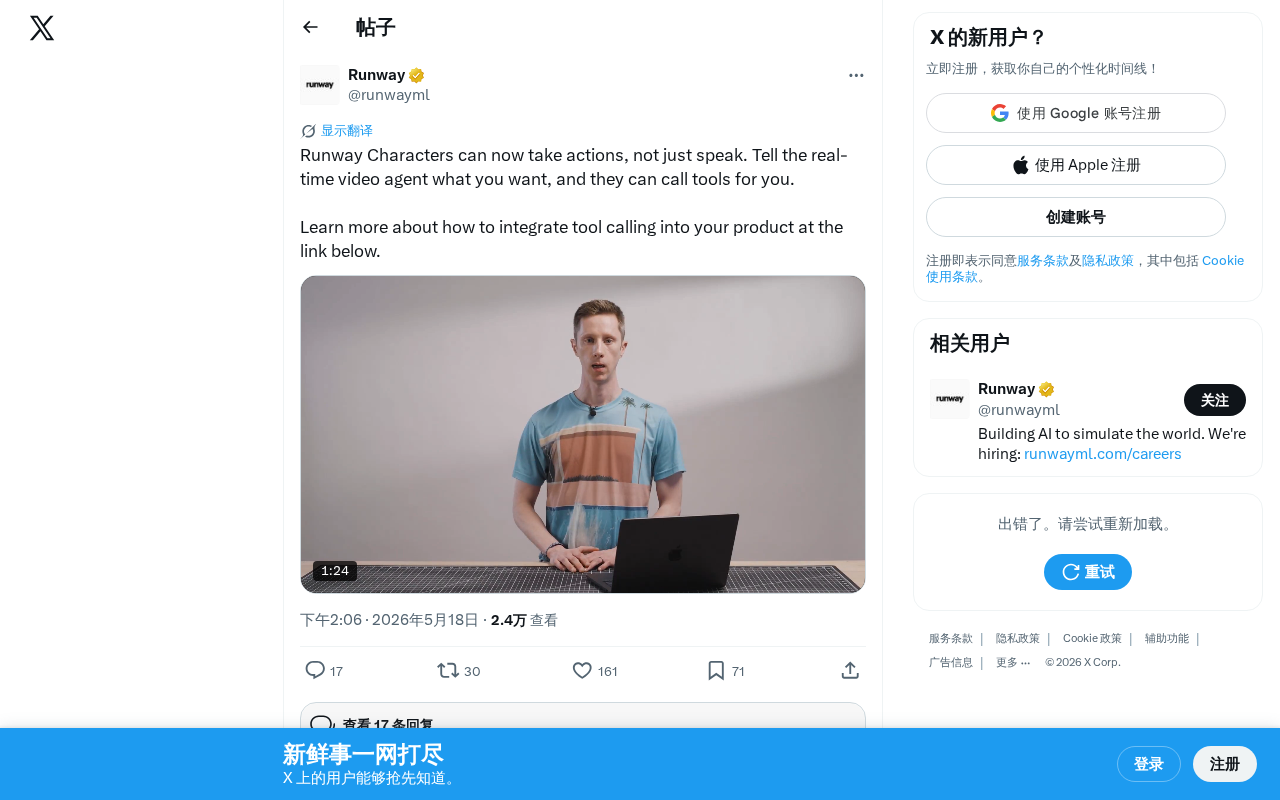
Runway Adds Tool Calling to Real-Time Video Characters, Moving from Conversation to Intelligent Execution
Runway upgrades real-time video Characters with tool calling, enabling AI video agents to execute queries, tasks, and operations—marking a shift from content generation to intelligent agent platform.
Read more →
·3 min
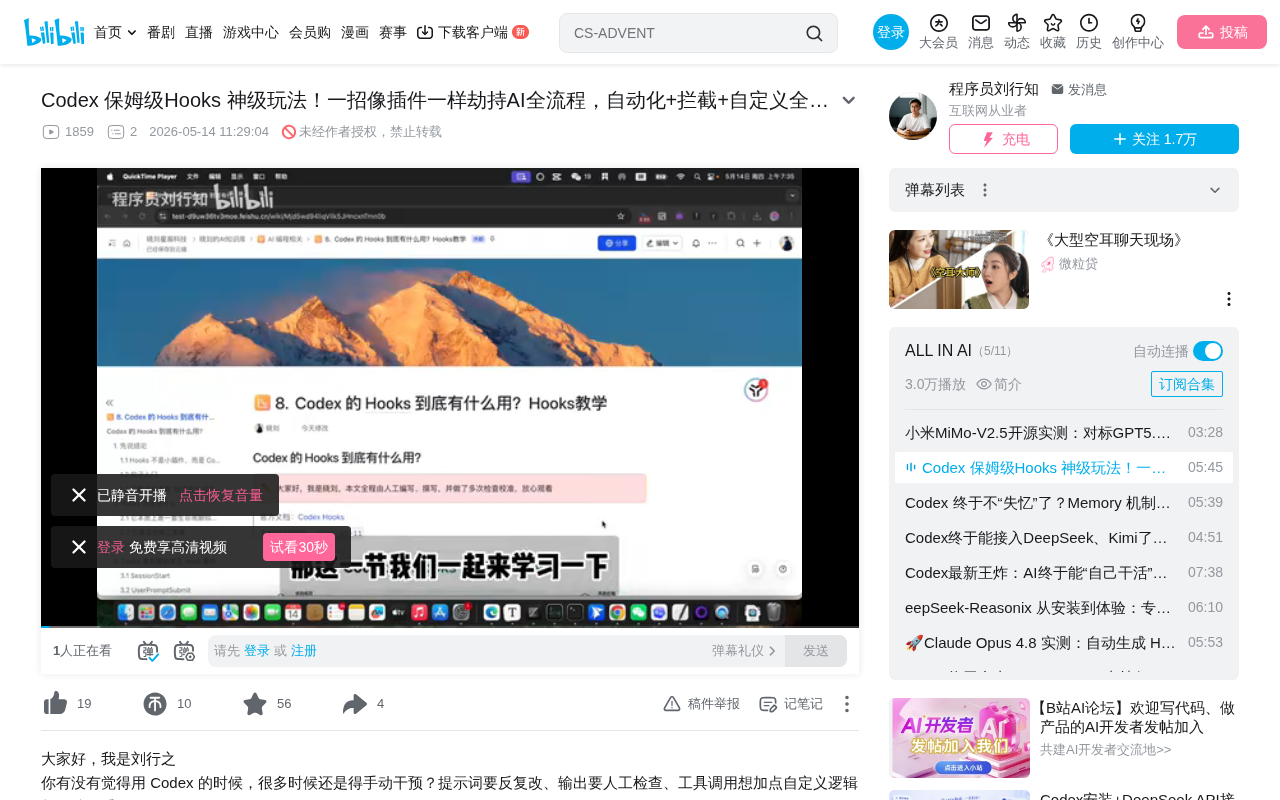
Codex Hooks Explained: The Automation Powerhouse That Hijacks the Entire AI Workflow
Deep dive into Codex Hooks' six lifecycle hook types, covering configuration, local vs global hooks, and practical use cases like security interception and auto-summarization for full AI workflow control.
Read more →

·2 min
Two Years of AI Growth: From Passively Following Instructions to Proactively Understanding Intent
A look at AI's core evolution over two years: from a prompt-dependent instruction follower to an autonomous collaborator that understands intent, plans tasks, and self-corrects.
Read more →

·4 min
OpenAI Swarm Framework Explained: The Core Mechanisms of Function Call and Handoff
Deep dive into OpenAI Swarm multi-agent orchestration framework, explaining Function Call tool invocation and Handoff task transfer mechanisms with local deployment guide.
Read more →
 Industry Insights
·2 min
AI Product Development in Practice: Model Selection, Building Moats, and Paths to Commercialization
Practical strategies for AI product development: why not to train models from scratch, when to use APIs vs. fine-tuning, building product moats, and the full path from evaluation systems to commercialization.
Read more →
 Tutorials
·3 min
ReAct vs. CodeAct: Two Core Approaches to Agent Tool Calling
In-depth comparison of ReAct and CodeAct — two core Agent tool-calling architectures. From paper principles to code implementation, learn the trade-offs between reasoning+action and code execution.
Read more →