#AI编程
9368 related articles

@ai-sdk/tool-bash 1.0.10 Released: Patch Update Aligned with ai@7.0.156
@ai-sdk/tool-bash 1.0.10 patch release aligned with ai@7.0.156, auto-published by GitHub Actions with signature verification. A look at what this patch means for developers.

AI SDK Svelte 5.0.156 Patch Released: The Ecosystem Signals Behind a Minor Version Update
AI SDK's Svelte adapter package releases patch 5.0.156, auto-published by github-actions with a GPG signature, with changes pointing to core ai@7.0.156 dependency alignment. This article explains the release process, version-following mechanism, and practical impact on Svelte developers.

@ai-sdk/tui 1.0.157 Patch Release: Terminal UI Toolchain Synced
@ai-sdk/tui 1.0.157 patch released, synced with core package ai@7.0.156. This article covers release details, the TUI component's role in AI development workflows, and dependency synchronization and verification points for developers upgrading.

AI SDK Toolkit Update: tool-web-fetch 1.0.6 Released
AI SDK toolkit @ai-sdk/tool-web-fetch releases patch version 1.0.6 to align with ai@7.0.156. Learn what changed, the impact on developers, and version management advice.

@ai-sdk/vue 4.0.156 Patch Release: Stability Fixes for Vue-Side AI Integration
@ai-sdk/vue 4.0.156 patch released, syncing core ai@7.0.156, fixing Vue integration layer issues, maintaining version alignment, with upgrade advice and ecosystem insights.

AI SDK Workflow Toolkit 1.0.167 Patch Update Analysis
Analysis of the @ai-sdk/workflow-harness 1.0.167 patch release in the AI SDK ecosystem: version alignment, GPG signature trustworthiness, upgrade considerations, and monorepo automated publishing.

@ai-sdk/workflow 2.0.88 Released: The Continued Evolution of the AI SDK Ecosystem
@ai-sdk/workflow 2.0.88 patch release upgrades the ai dependency to 7.0.156. This article explains the practical impact on AI SDK developers and the version alignment strategy.
Building Enterprise AI Agents from Scratch: A Complete Three-Stage Learning Path
A beginner-friendly AI Agent tutorial organized into three stages—Cognition, Advanced, and Hands-on—covering the ReAct framework, LangChain and AutoGen practice, Function Calling, and enterprise project deployment, with source code and a learning roadmap.
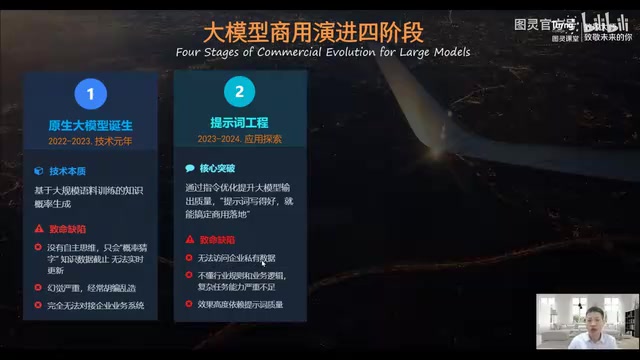
AI Agent from 0 to 1: Breaking Down the Underlying Logic and Four Major Implementation Categories
Breaking down AI Agent logic from native LLMs, prompt engineering, and RAG to Agents, using a translator analogy to explain four core capabilities and four agent categories with real-world scenarios, helping beginners build systematic understanding.
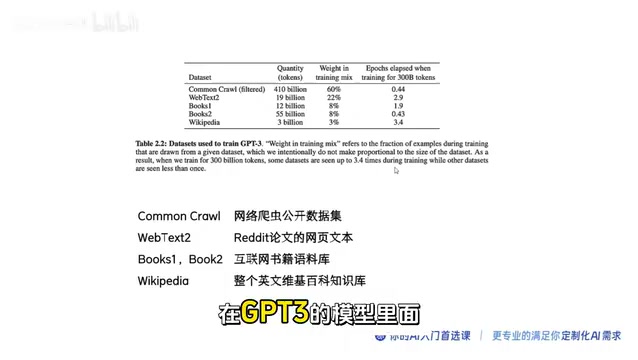
Understanding AI Large Models in Ten Minutes: Tokens, Vectors, and the Transformer Principle
From tokens and vector embeddings to the Transformer self-attention mechanism, this systematically breaks down the three stages of AI large model pretraining, fine-tuning, and inference, explaining why large models output word by word, where hallucinations come from, and how they understand contextual semantics.
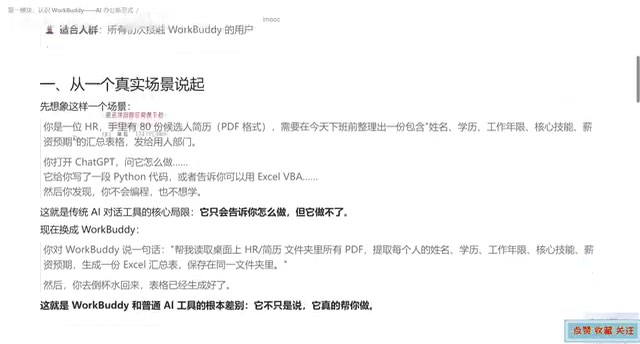
WorkBuddy Beginner's Guide: How Tencent's AI Agent Disrupts Traditional Office Work
WorkBuddy is Tencent's AI agent desktop workbench that reads local files, executes multi-step tasks, runs scheduled automation, and supports remote control. This article starts from a resume sorting scenario, analyzes WorkBuddy's core capabilities, and contrasts it with traditional conversational AI tools to help you decide when to use it.

RAG and Agent in Practice: Two Paths for LLM Integration
Starting from LLM integration, this article covers two paths: local Ollama deployment and Alibaba Cloud Bailian cloud API calls, detailing Bailian registration, API Key creation, free quota management, and overspend protection — laying the groundwork for RAG and Agent practice.
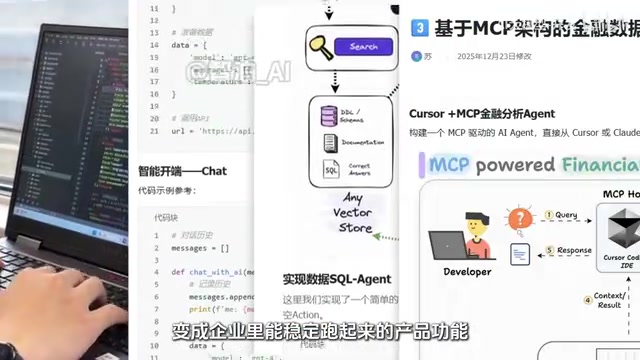
Agent Development Engineer: Pivoting to AI from Zero and Catching the Hot New Role Companies Are Desperate to Fill
Agent Development Engineer is a hot new role companies are desperate to fill. Learn why it pays well and how ordinary people can enter in four steps—no algorithms required.
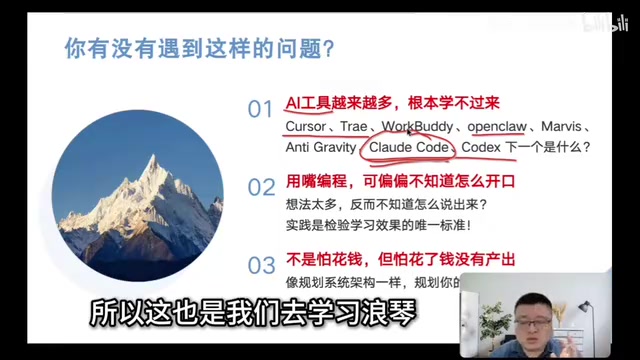
Full Breakdown of the LangChain + LangGraph + MCP + Agent Enterprise Development Learning Path
An analysis of Bilibili creator Loulan's LangChain+LangGraph+MCP+Agent enterprise development course, covering the four-stage learning path, framework selection logic, time travel, and token cost planning to help developers build a complete Agent development system.

MiniMax Open-Sources MCode Stack: The Agent Skill Library Its Engineering Team Uses Daily
MiniMax open-sources MCode Stack under MIT: 17 SKILL.md skill files and 5 checklists covering code review, sub-agent decomposition, context budgets, and long-running commands.
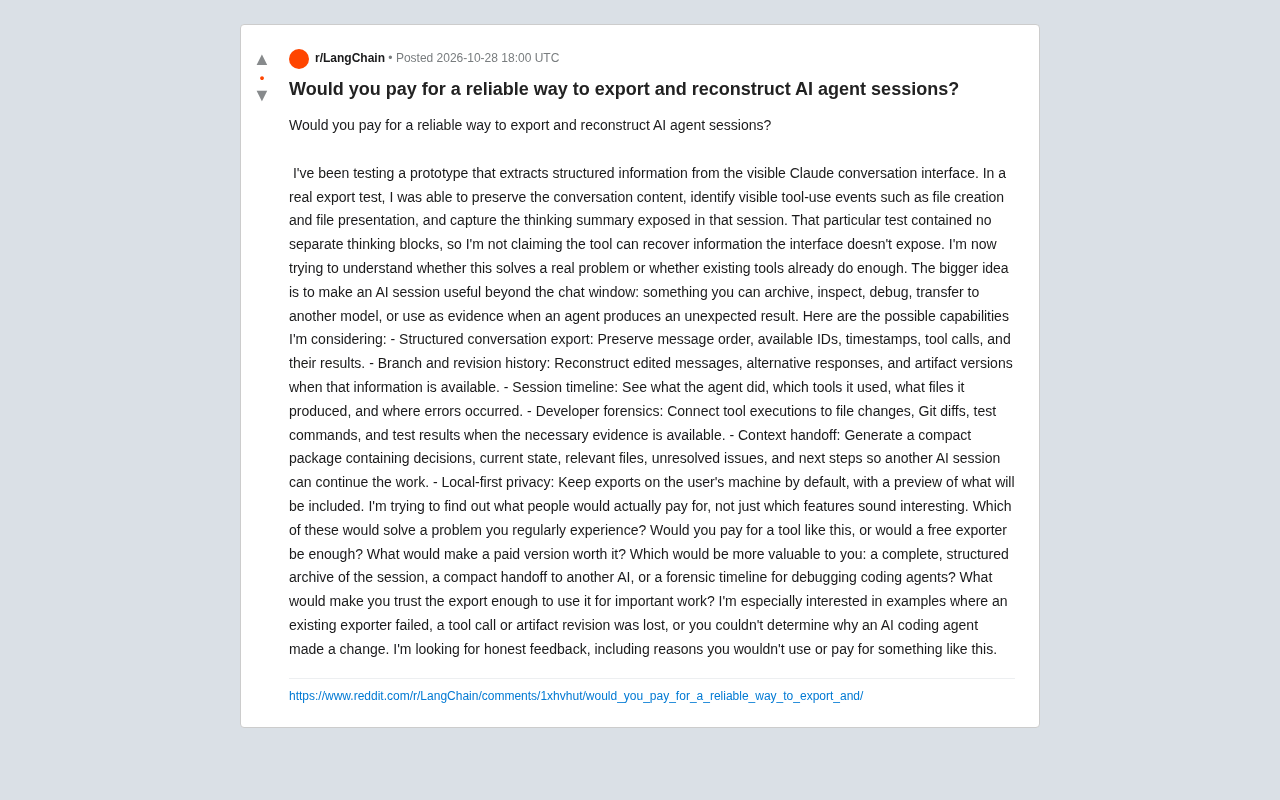
AI Agent Session Export Tool: Would You Pay for Reliable Archiving?
A developer tests an AI agent session export prototype that preserves conversations, tool-call events, and thinking summaries, and asks whether users would pay—analyzing three willingness-to-pay thresholds and the value of agent behavior auditing.

Fine-tuning Qwen on a 16GB GPU: Making the Model Answer Without the Letter e
A developer shares fine-tuning a Qwen model on a 16GB GPU so its replies contain no letter e. This article analyzes the technical points of this constrained generation experiment, VRAM thresholds, and the difficulty of constructing fine-tuning data.

Workflow Editors + AI Agents: The New Trend in Low-Code AI Development
A Bilibili course breaks down workflow editors combined with AI agents, from interview assessment to architecture design, analyzing low-code AI's evolution toward DSL and plugins.
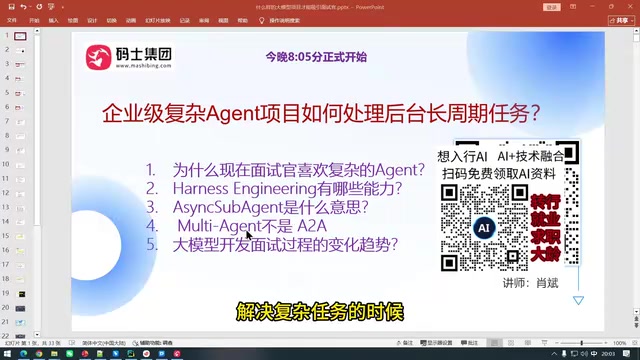
New Trends in LLM Engineer Interviews: Why Simple Agents No Longer Land You an Offer
LLM interviews are leveling up—simple agents no longer suffice. This article breaks down task planning, multi-model backups, and tool orchestration architecture in enterprise-grade complex agents, helping engineers understand the system design skills interviewers really assess.

Storage SDK Agent: A Delivery Loop of Planning, Retrieval, Verification, and Repair
Volcano Engine storage team shares Storage SDK Agent practices: building a deliverable loop with planning, knowledge retrieval, sandbox verification, and reflection repair, covering multi-language interface generation, quality gates, and effect measurement, with transferable implementation suggestions.