#AI Agents
411 related articles
·2 min
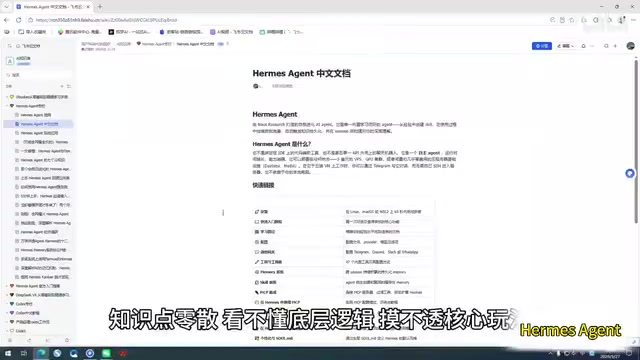
Claude Code Chinese Tutorial: A 100-Page Systematic Learning Guide on Feishu Docs
A detailed look at the Claude Code Chinese learning resource on Feishu Docs, covering AI agent learning, memory systems, and task decomposition with a systematic path from beginner to advanced.
Read more →
·2 min
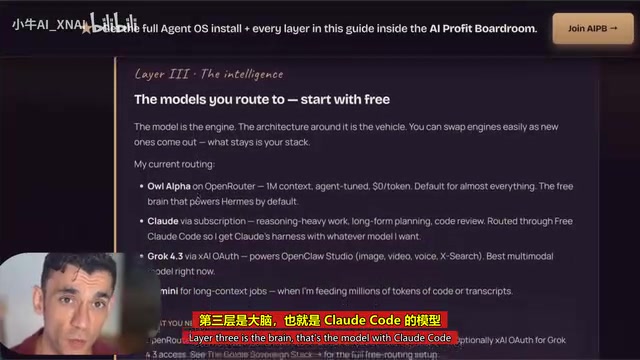
Claude Code's Seven-Layer Architecture: A Complete Guide to Building an AI Operating System from a Chat Tool
A detailed guide to Claude Code's seven-layer architecture including memory, agent, and feedback loop layers, plus five pitfalls to avoid and four expert tips for building your AI operating system.
Read more →

·2 min
Duel Agents: Multi-AI Agent Competition Mechanism That Automatically Selects the Most Cost-Effective Coding Solution
Duel Agents uses multi-model parallel competition and recursive task decomposition as a routing layer before tools like Claude Code, automatically selecting the most cost-effective AI coding result with claimed 70% savings.
Read more →

·3 min
AI Agent Development Tutorial: A Practical Guide from Zero to One-Person Company
A systematic guide to AI Agent development covering the three-stage learning path, core tech stack including LLM, RAG, and LangChain, plus how to build a one-person company through automated Agent workflows.
Read more →

·3 min
Hermes Agent Hands-On Review: An AI Efficiency Revolution for Indie Game Developers
Indie game developer reviews Hermes Agent vs OpenClaude: intelligent context compression, real-time Memory, remote control via Telegram, and practical use cases in game dev, social media, and email.
Read more →
Deep Dive into the Three AI Programmin…
·3 min
Deep Dive into the Three AI Programming Frameworks: The Right Way to Do Specification-Driven Development
Deep dive into the three frameworks of Specification-Driven Development (SDD) for AI programming: Blueprint, Execution Flow, and Change Records — solving the problem of AI code going off the rails.
Read more →
·3 min
Vibe Coding in Practice: A Junior Student Uses Cursor to Build a Multi-Agent System with 51 AI Officials Based on the Three Departments and Six Ministries Framework
A junior student uses Cursor and Vibe Coding to build a multi-agent system with 51 AI officials modeled on China's Three Departments and Six Ministries, featuring task distribution, approval workflows, and Token cost visualization.
Read more →
·2 min
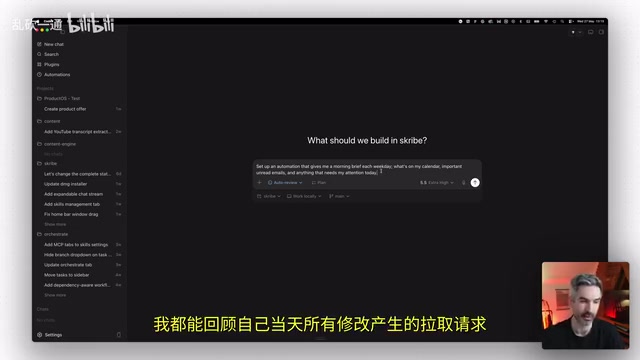
AI Super App Showdown: A Comprehensive Comparison of Cursor, Codex, Claude, and Anti-Gravity
In-depth comparison of four AI Super Apps — Cursor, Codex, Claude Desktop, and Anti-Gravity — across 11 dimensions to help you find the best AI dev tool.
Read more →
·4 min
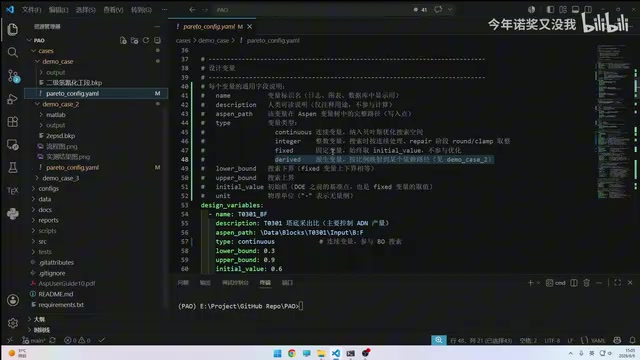
PAO Project in Practice: Bayesian Optimization-Driven Aspen Plus Automated Simulation Tutorial
Learn how the PAO project integrates Bayesian optimization with Aspen Plus via YAML configuration for automated multi-objective chemical process optimization.
Read more →
·3 min
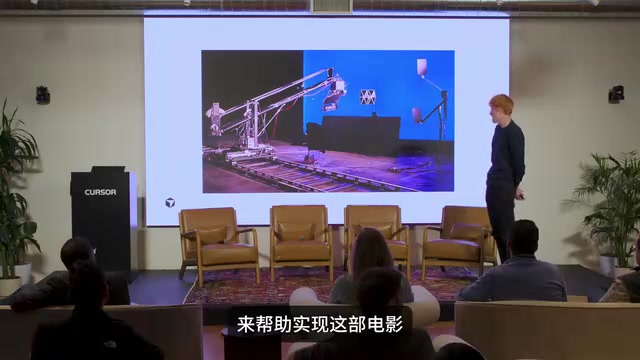
Cursor Internal Data: 75% of Code Generated by AI, Engineers Transforming into Agent Managers
Cursor reveals internal data: enterprise AI-generated code surges from 15% to 75%, Agent requests grow 15x YoY, and 30% of PRs are completed entirely by Agents. Engineers are becoming Agent managers.
Read more →
·2 min
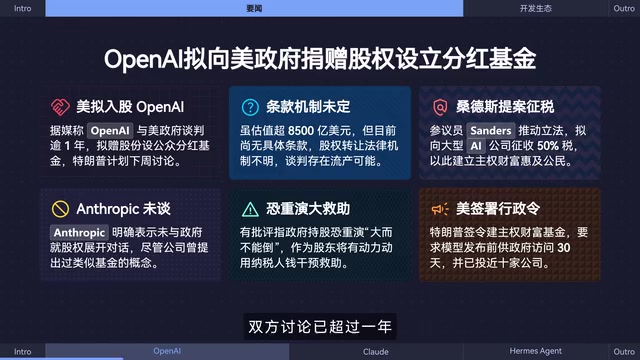
Claude Mythos 5 Allegedly Spotted, Inside OpenAI's Equity Negotiations with the U.S. Government
Claude Mythos 5 briefly spotted in Anthropic's API sparking launch speculation; OpenAI negotiates equity transfer and public wealth fund with U.S. government for over a year; Hermes Agent V0.16.0 ships native desktop app with Chinese language support.
Read more →
·4 min
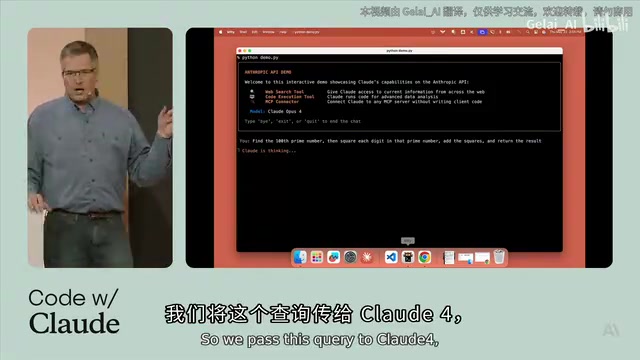
Anthropic's Official Breakdown: Three Core Components for Building AI Agents
Anthropic Developer Conference deep dive into three core AI Agent architectures: Build (code execution), Connect (Web Search & MCP), and Optimize, with live demos and multi-tool collaboration examples.
Read more →
·2 min
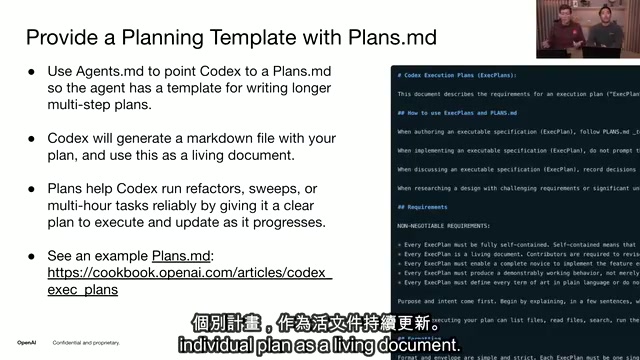
Complete Guide to OpenAI Codex: CLI Installation, VS Code Configuration & Practical Tips
Complete guide to OpenAI Codex setup: CLI installation, VS Code extension config, Agents.md best practices, MCP integration, and programmatic usage for efficient AI coding workflows.
Read more →
·4 min
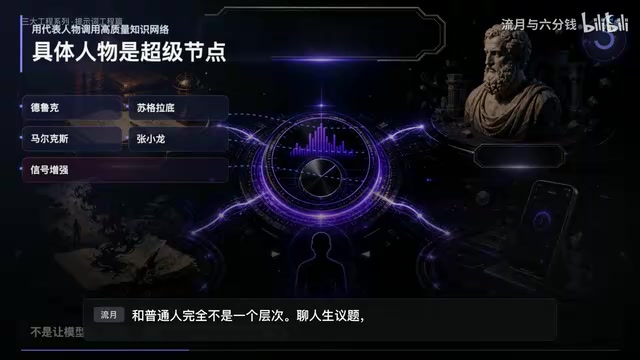
Can't Fill Out Prompt Templates Properly? The Four-Module Incremental Method Doubles Your AI Output Quality
Struggling with prompt templates? Learn the four-module incremental method—Role, Skills, Constraints, Response Format—to dramatically improve AI output quality.
Read more →

·2 min
Claude Code + Codex: The Most Reliable Division of Labor — A Three-Phase Approach of Planning, Execution, and Review
A detailed guide to the Claude Code and Codex collaborative workflow: Claude Code handles architecture planning and code review, while Codex handles execution. Boost dev efficiency through standardized handoffs.
Read more →

·4 min
The Real Logic of Getting Rich with AI: Toolbox Thinking and the Three-Layer Capability Model
Mastering AI tools doesn't equal making money. This article breaks down the three-layer AI wealth model: LLM prompting, automation workflows, and agent collaboration, plus the MAPS framework and Three R's Rule.
Read more →

·2 min
Hermes Agent Seven-Layer Configuration Guide: From VPS Deployment to MCP Server — A Complete Tutorial
A detailed guide to Hermes Agent's seven-layer configuration: VPS deployment, Discord integration, scheduled backups, Kanban management, holographic memory, and MCP server setup.
Read more →
Hooks and Skills: A Guide to Upgrading…
·3 min
Hooks and Skills: A Guide to Upgrading AI Programming Workflows from Manual Reminders to Automated Systems
Deep dive into Claude Code's Hooks and Skills mechanisms. Learn to build safe, reliable AI programming workflows with a three-layer architecture (Cloud.md + Hooks + Skills).
Read more →
Pi Coding Agent Deep Configuration Gui…
·4 min
Pi Coding Agent Deep Configuration Guide: A Complete Breakdown of Custom Tools, Sub-Agents, and the Skill System
A complete Pi Coding Agent configuration guide refined over two months, covering custom tools, sub-agents, persistent memory, security, and skill systems.
Read more →
Deep Dive into How Claude Code Works: …
·3 min
Deep Dive into How Claude Code Works: Prompt Assembly, Permission Control, and the Skills Mechanism
Deep dive into Claude Code internals: stateless model principles, four-layer prompt assembly, Agentic Loop execution, permission control, and reusable Skills workflow templates for agentic engineering.
Read more →