#AI software engineer
23 related articles

·2 min
Claude Code Chinese Tutorial: A 100-Page Systematic Learning Guide on Feishu Docs
A detailed look at the Claude Code Chinese learning resource on Feishu Docs, covering AI agent learning, memory systems, and task decomposition with a systematic path from beginner to advanced.
Read more →
·2 min
AI Coding Dependency: As Tools Get Stronger, Are Developers Getting Weaker?
Exploring the capability anxiety behind AI coding tool dependency. Analyzing the paradox of short-term efficiency vs. long-term skills, with strategies for developers to stay competitive in the AI era.
Read more →

·2 min
ChatGPT Merges with Codex: What a 24-Hour Autonomous AI Assistant Means
OpenAI fully integrates Codex into ChatGPT, creating an AI digital worker capable of autonomous planning and up to 24 hours of continuous execution. A deep dive into core upgrades, use cases, and industry impact.
Read more →
Claude Code vs ByteDance Codex: A Guid…
·2 min
Claude Code vs ByteDance Codex: A Guide to Chinese Learning Resources and Choosing the Right Tool
Compare Claude Code and ByteDance Codex: their positioning, core capabilities, and use cases. Includes Chinese learning resource recommendations and beginner path selection guide for AI programming.
Read more →
The Biggest Misconception About Vibe C…
·2 min
The Biggest Misconception About Vibe Coding Is the 'Coding': It's Modern Alchemy
Vibe Coding isn't programming — it's modern alchemy for creating digital products with natural language. Learn why non-technical people get started in 48 hours.
Read more →
·2 min
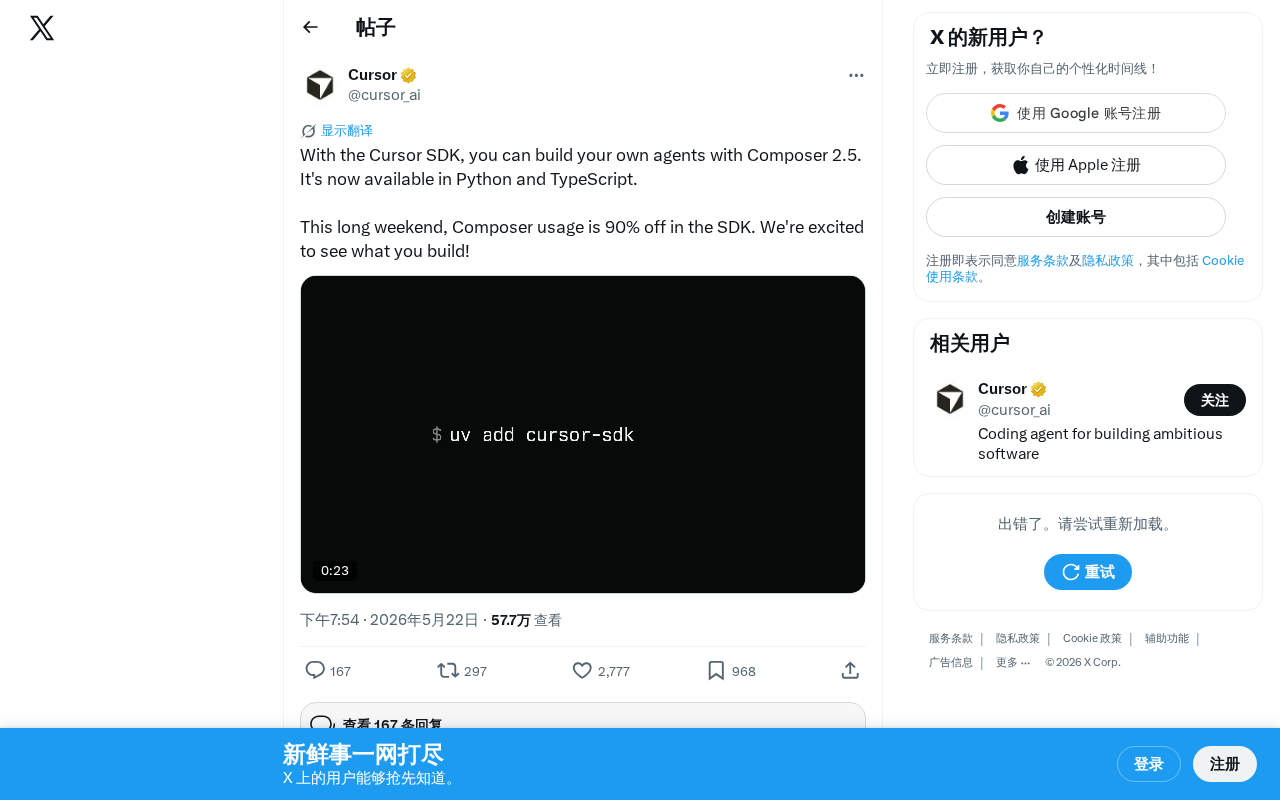
Cursor Releases Official SDK: Build Custom AI Agents with Python and TypeScript Based on Composer 2.5
Cursor officially releases its SDK supporting Python and TypeScript, letting developers build custom AI Agents on Composer 2.5. Explore core capabilities, use cases, and a limited 90% discount.
Read more →
 Expert Opinions
·3 min
Windsurf CEO Deep Dive Interview: Speed Is the Only Moat
Windsurf CEO Varun Mohan shares insights on AI coding IDE pivots, product methodology, async Agent challenges, and differentiation strategy vs Cursor. Speed is the only moat.
Read more →
 Tutorials
·2 min
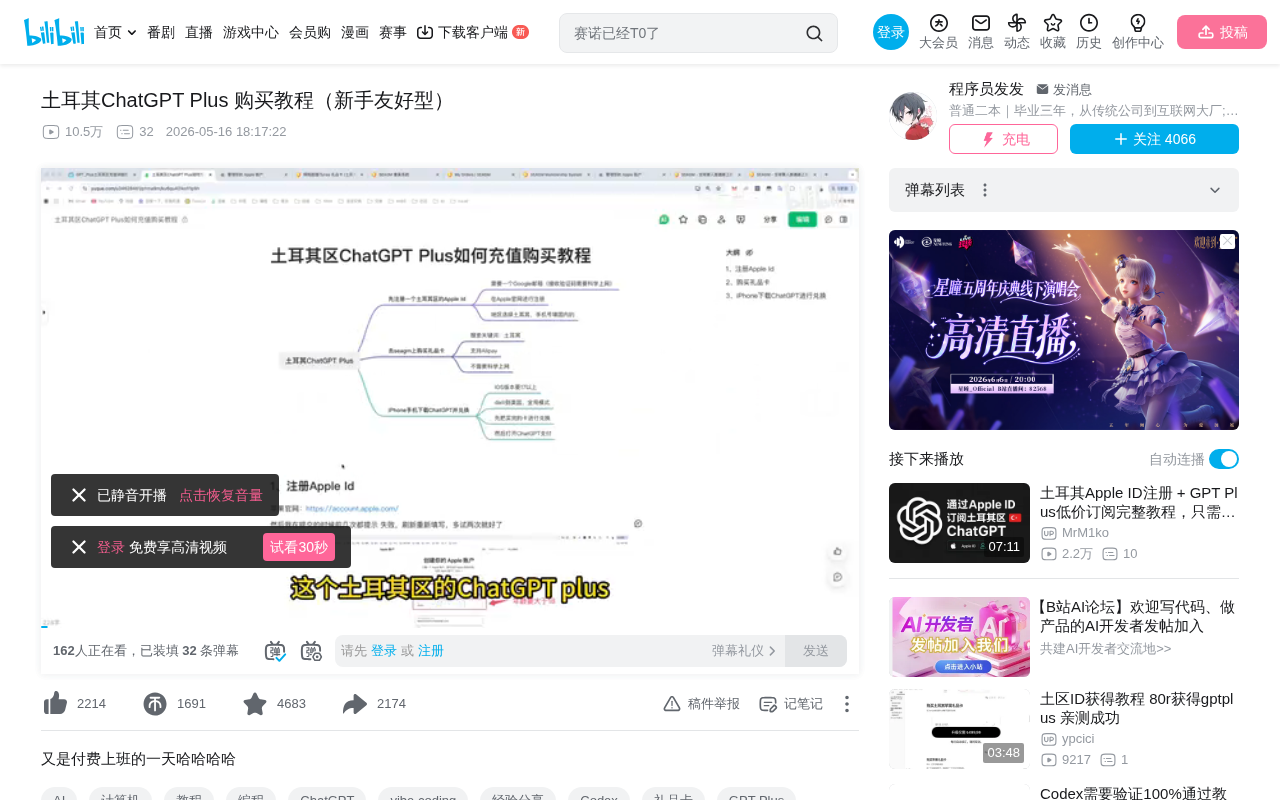
ChatGPT Plus Subscription via Turkey: Save Nearly 50% at ~$11/Month
Subscribe to ChatGPT Plus via a Turkish Apple ID for just ~$11/month — nearly 40% off the official $20 price. Full guide covering Apple ID registration, gift cards, and iPhone redemption.
Read more →
 Product Reviews
·3 min
OpenSlide: An Open-Source Framework That Lets AI Agents Write React Code to Create Presentations
OpenSlide is an Agent-native open-source slide framework that lets AI Agents write React code to generate professional presentations. Supports Claude Code, Cursor, and other coding Agents.
Read more →
 Product Reviews
·2 min
Alibaba Qoder 1.0 Hands-On Review: A Project-Level AI Programming Assistant Driven by Natural Language
Deep analysis of Alibaba Qoder 1.0's core capabilities: end-to-end development via natural language with task decomposition, file-by-file modification, and automated testing.
Read more →
 Expert Opinions
·3 min
The Hotter AI Gets, the More We Need Tech-Savvy People: Embrace the Tool, Don't Fear the Replacement
Jensen Huang advises everyone to embrace AI rather than fear it. As AI advances, demand for tech talent grows. Those who get displaced are people who refuse to use new tools. Learn strategies for thriving in the AI era.
Read more →
 Product Reviews
·2 min
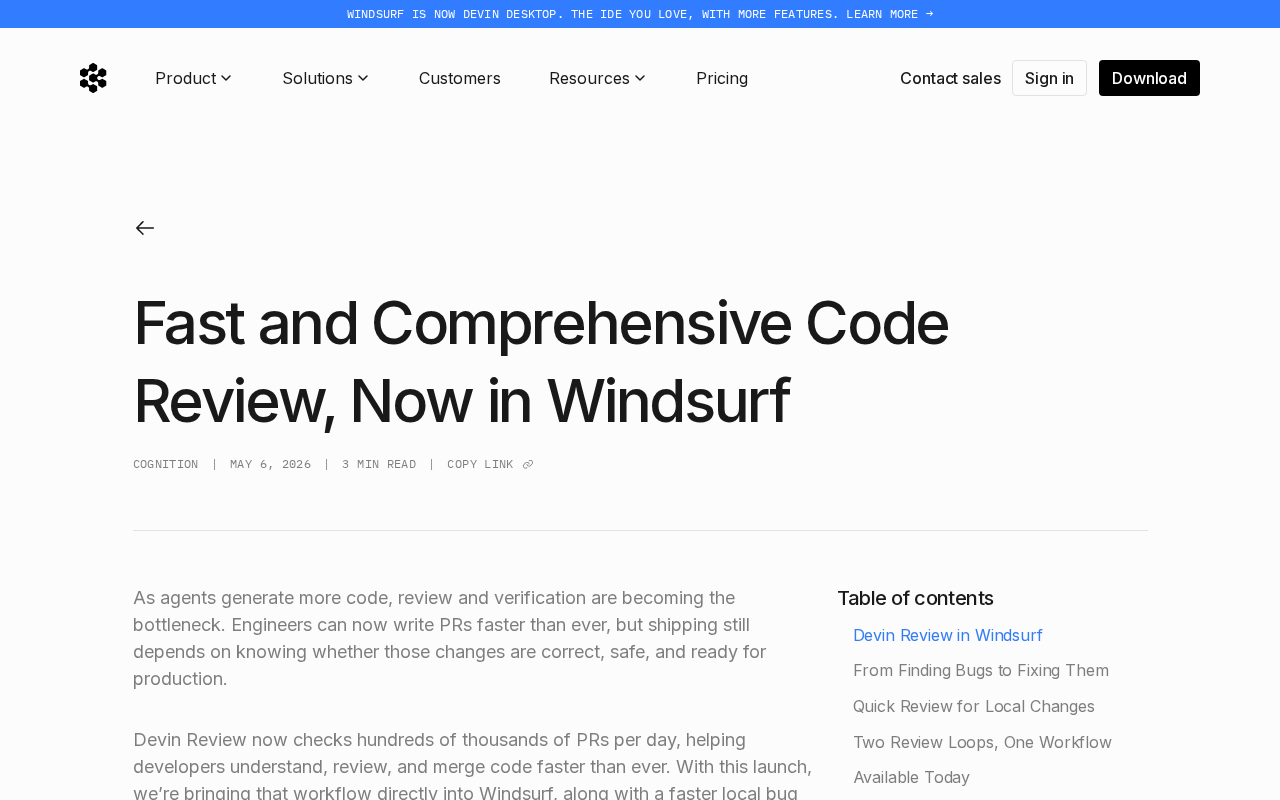
Windsurf Integrates Devin Review: A Deep Dive into IDE-Native AI Code Review
Deep dive into Windsurf's integration of Devin Review and Quick Review—how IDE-native AI code review eliminates context switching, boosts developer efficiency, and reshapes workflows.
Read more →
 Product Reviews
·3 min
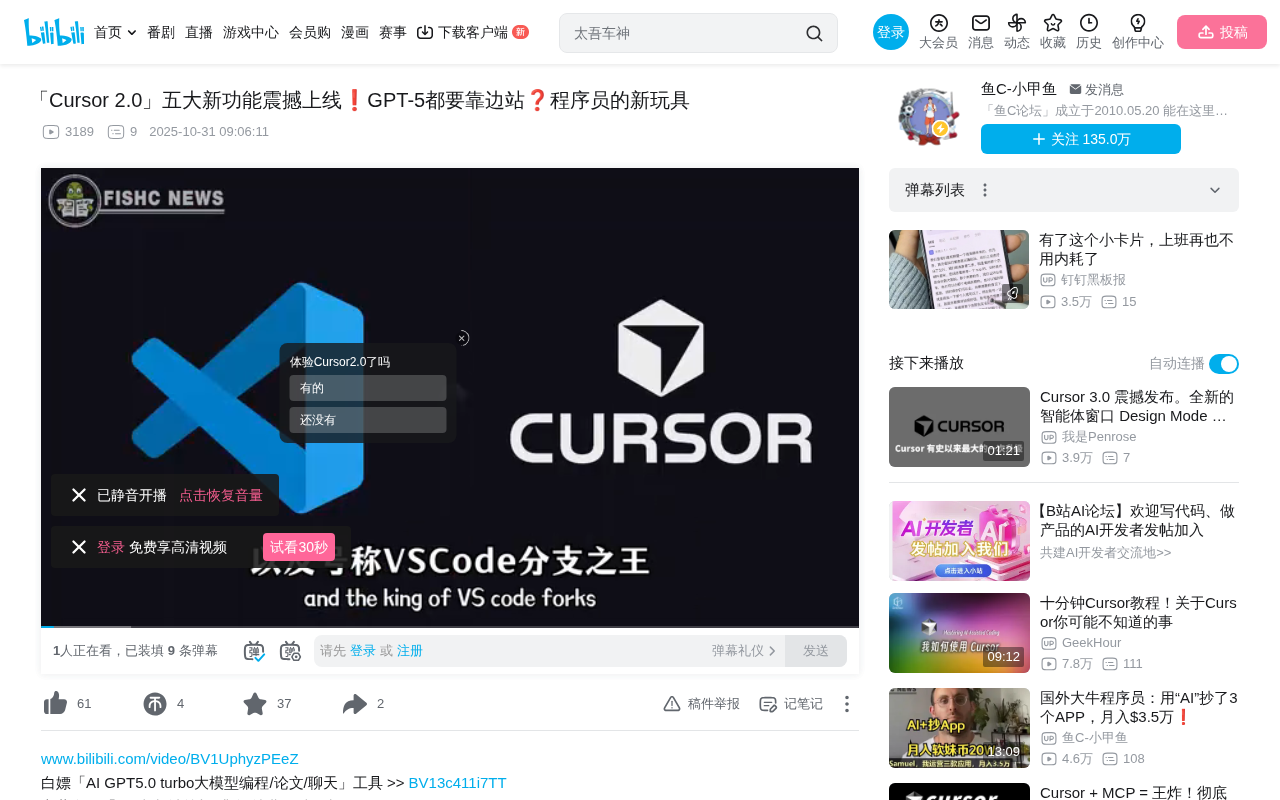
Cursor 2.0 Deep Dive: Hands-On Testing of Five Major Features Including Custom Models and Multi-Agent Parallel Development
Deep dive into Cursor 2.0's five major updates: custom Composer model, Git Worktrees multi-agent parallel development, Agent View mode, built-in browser, and more—with hands-on evaluation.
Read more →
 Industry Insights
·3 min
Endava Builds an Agentic Organization with Codex: Requirements Analysis Compressed from Weeks to Hours
Global IT services firm Endava uses OpenAI Codex to build an Agentic Organization, compressing requirements analysis from weeks to hours. A deep dive into AI-driven software delivery transformation.
Read more →
Product Reviews
Zenflow Hands-On Review: Spec-Driven A…
·3 min
Zenflow Hands-On Review: Spec-Driven AI Coding vs. Pure Prompt-Based Development
In-depth review of Zenflow's spec-driven AI coding vs Google AI Studio's prompt-based approach. Covers multi-agent execution, automated validation, version rollback, and the paradigm shift in AI programming.
Read more →
 Product Reviews
·3 min
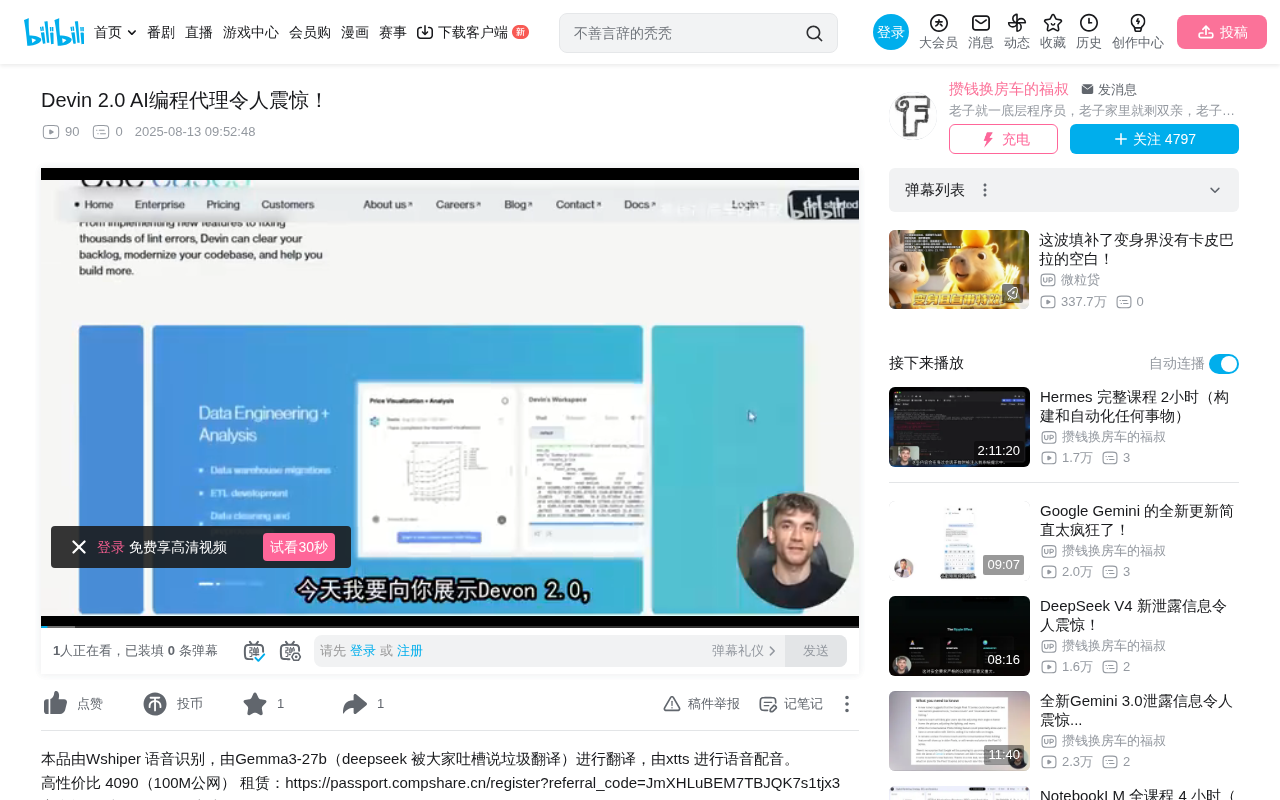
Devin 2.0 In-Depth Review: Is the $20/Month AI Coding Agent Actually Worth It?
In-depth analysis of Devin 2.0: dropped from $500 to $20/month, 12x efficiency in code migration, but only 15% completion on complex tasks. Real test data on use cases and limitations.
Read more →
 Product Reviews
·2 min
ZenFlow Hands-On: Testing the Spec-Driven Fully Autonomous AI Software Engineer
Hands-on review of ZenFlow—the first spec-driven fully autonomous AI software engineer. Multi-agent parallel collaboration with built-in verification delivers end-to-end development from ideation to production.
Read more →
 Product Reviews
·2 min
89K Stars: Deep Dive into the Open-Source Tool That Lets AI Agents Take Over Your Browser
Deep dive into the 89K-star AI browser automation open-source project on GitHub — how it lets LLMs autonomously control browsers for web tasks, covering core capabilities, use cases, and getting started.
Read more →
 Product Reviews
·2 min
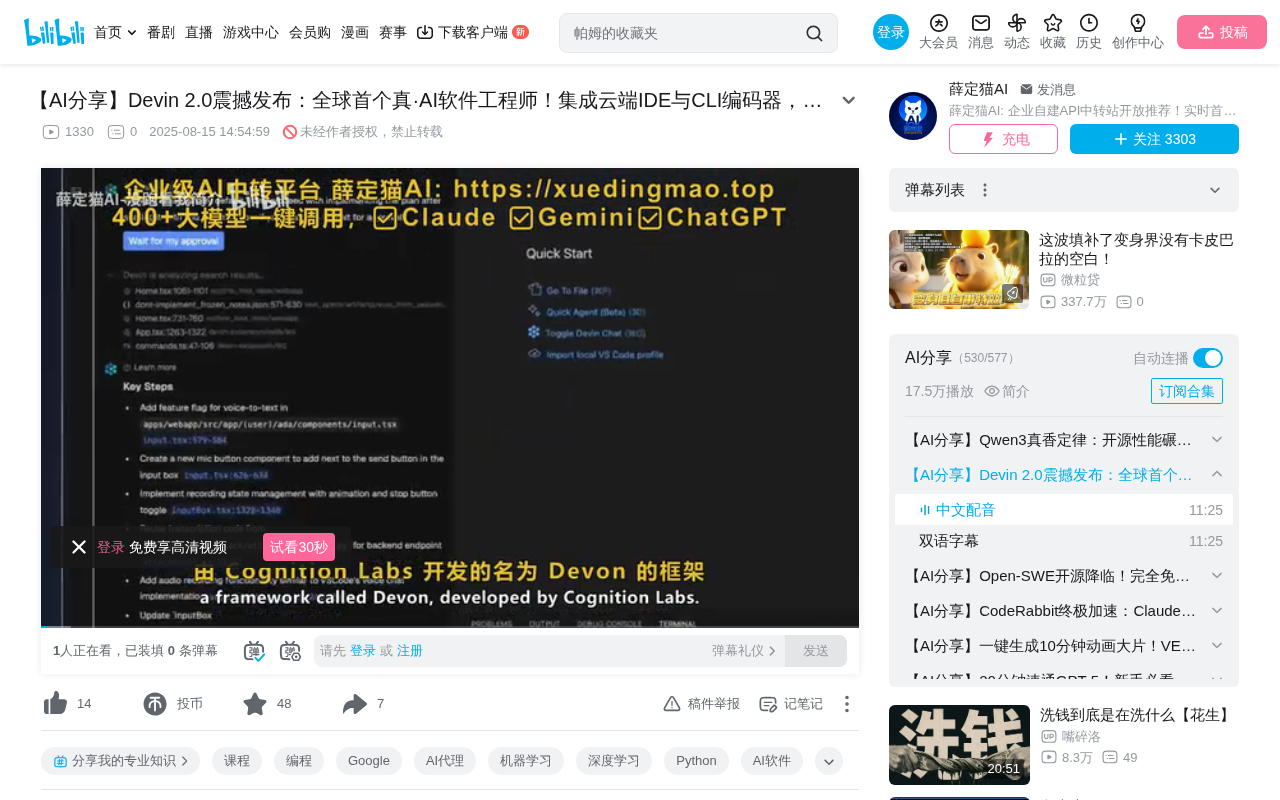
Devin 2.0 Deep Dive: What Can the First AI Software Engineer Actually Do?
Deep dive into Devin 2.0 — the latest evolution of the world's first AI software engineer. Exploring autonomous coding, multi-agent parallelism, Ask Devin, Deep Wiki, and how it differs from Copilot and Cursor.
Read more →
 Deep Dives
·3 min
Single-Agent vs Multi-Agent: A Three-Step Decision Framework for Choosing the Right Architecture
Based on Anthropic's engineering practices, a detailed three-step decision framework for single-agent vs multi-agent architecture: bottleneck identification, technical feasibility, and business value filtering.
Read more →