#JSON Schema
52 related articles
·2 min
Complete Guide to OpenAI Codex: CLI Installation, VS Code Configuration & Practical Tips
Complete guide to OpenAI Codex setup: CLI installation, VS Code extension config, Agents.md best practices, MCP integration, and programmatic usage for efficient AI coding workflows.
Read more →
·4 min
Can't Fill Out Prompt Templates Properly? The Four-Module Incremental Method Doubles Your AI Output Quality
Struggling with prompt templates? Learn the four-module incremental method—Role, Skills, Constraints, Response Format—to dramatically improve AI output quality.
Read more →
·4 min
Agent Development Learning Roadmap: A Four-Stage Systematic Guide from Beginner to Practitioner
A systematic four-stage learning roadmap for AI Agent development, covering core concepts, classic paradigms like ReAct, multi-agent collaboration frameworks, and hands-on projects to master Agent development skills in 2-3 months.
Read more →
·3 min
Hands-On Testing of DS4 Engine by Redis Creator: How Does DeepSeek V4 Perform Locally on a 128GB Mac?
Redis creator Antirez's DS4 inference engine tested: running DeepSeek V4 Flash locally on a 128GB Mac via asymmetric structure-aware quantization, with real-world coding benchmarks.
Read more →
Deep Dive into How Claude Code Works: …
·3 min
Deep Dive into How Claude Code Works: Prompt Assembly, Permission Control, and the Skills Mechanism
Deep dive into Claude Code internals: stateless model principles, four-layer prompt assembly, Agentic Loop execution, permission control, and reusable Skills workflow templates for agentic engineering.
Read more →
AI Agent Core Architecture Explained: …
·4 min
AI Agent Core Architecture Explained: A Deep Dive into the Four Key Modules — Perception, Brain, Action, and Memory
Deep dive into AI Agent architecture: explore the four core modules — Perception, Brain, Action, and Memory — covering RAG, tool calling, Chain of Thought, and more.
Read more →
LangGraph Core Explained: Its Relation…
·3 min
LangGraph Core Explained: Its Relationship with LangChain and Multi-Agent Orchestration Principles
Deep dive into LangGraph's core positioning, its relationship with LangChain, practical code comparisons of Chain vs Graph, understanding Agent essentials, and multi-agent orchestration design.
Read more →
AI Agent Development Learning Roadmap:…
·4 min
AI Agent Development Learning Roadmap: A Complete Four-Stage Plan from Zero to Production
A systematic AI Agent development learning roadmap covering LLM API calls, ReAct framework, memory mechanisms, and multi-agent collaboration across four stages with timeline and project suggestions.
Read more →
Self-Study Guide to AI Agent Developme…
·4 min
Self-Study Guide to AI Agent Development: A Complete Path from Zero to Production
A practical self-study roadmap for AI Agent development: covering core skills, common pitfalls, phased learning plans, and interview prep to help developers go from concept collectors to builders.
Read more →
·3 min
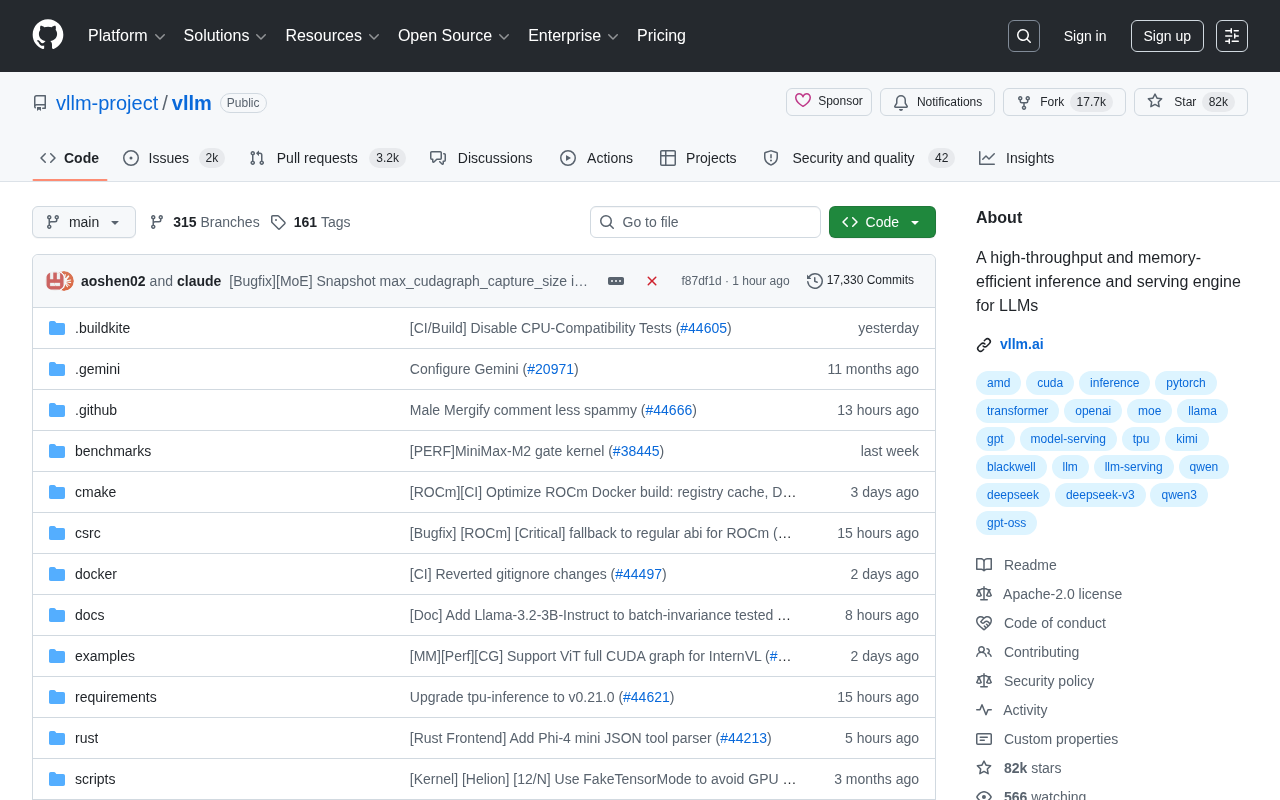
vLLM Deep Dive: How PagedAttention Enables High-Throughput LLM Inference
Deep dive into vLLM's core technologies for high-throughput LLM inference, including PagedAttention memory management, continuous batching, distributed deployment, and comparisons with TensorRT-LLM.
Read more →

·3 min
The New Builder Mindset in the AI Era: How the Developer Role Is Evolving
OpenAI declares 'developers have evolved.' Explore the new builder mindset: the shift from code writers to product builders, lower barriers, and the rise of full-stack individuals in the AI era.
Read more →
·3 min
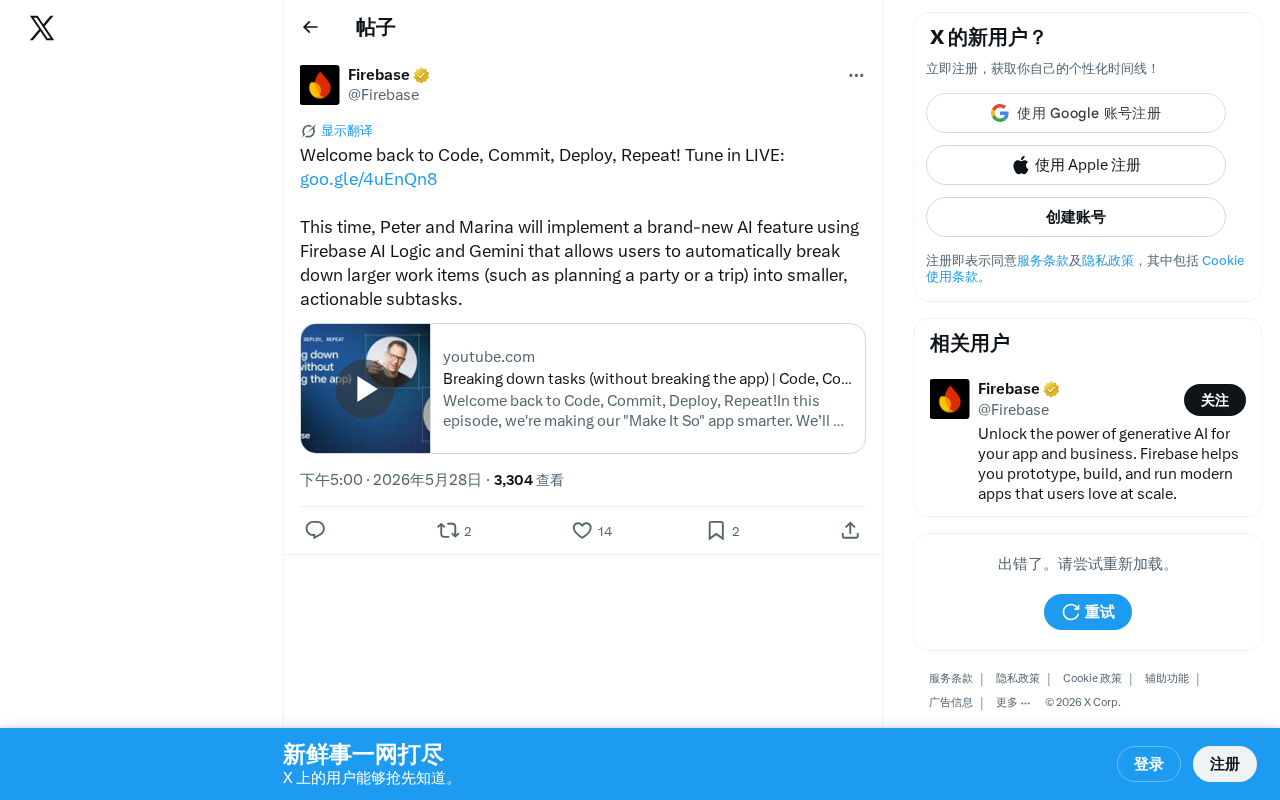
Firebase AI Logic in Practice: Using Gemini to Automatically Break Down Tasks into Actionable Subtasks
A hands-on guide to Firebase AI Logic and Gemini integration, showing how to automatically break down large tasks into actionable subtasks with structured output and real-time sync.
Read more →

·4 min
Five Common Misconceptions in AI Agent Development: An Essential Guide Before You Start
Debunking 5 common AI Agent development misconceptions: Agents aren't smarter ChatGPTs, complexity doesn't equal power, and RAG can't cure hallucinations. Learn the right approach to building Agents.
Read more →
·4 min
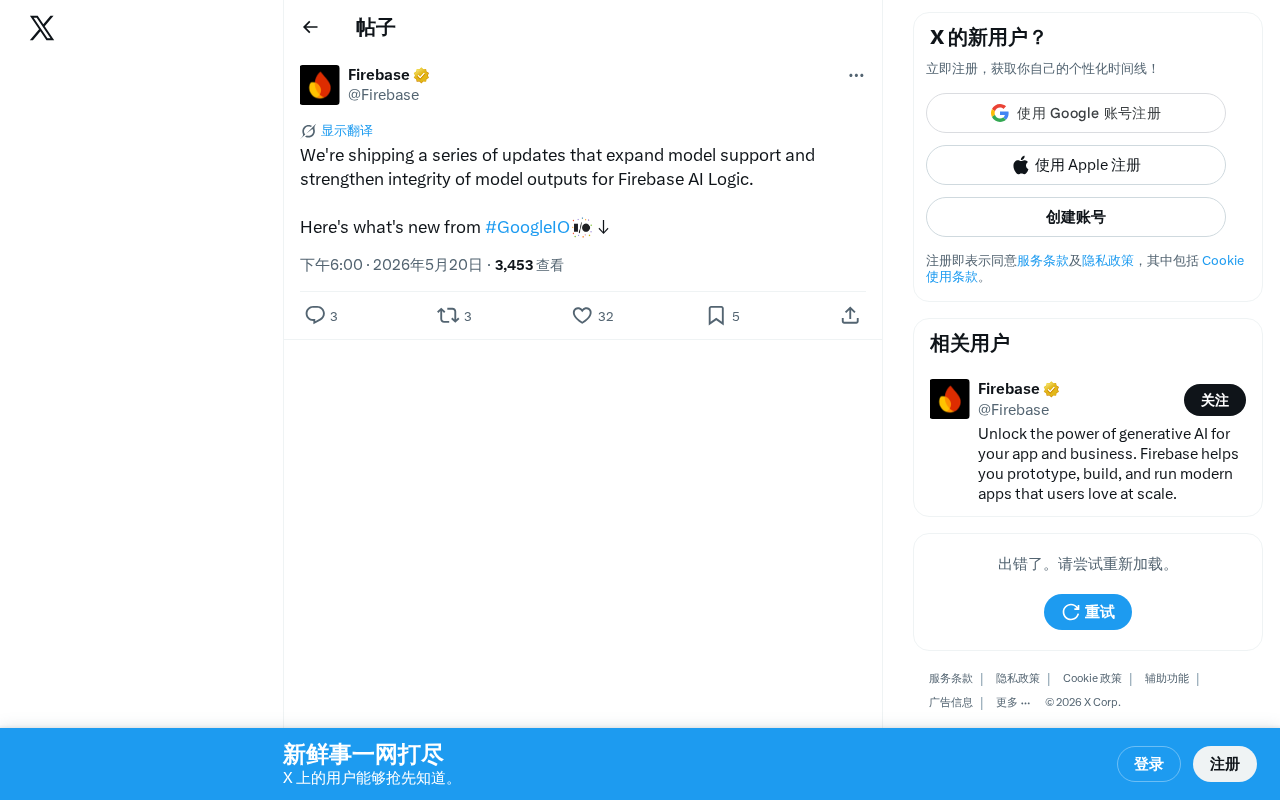
Firebase AI Logic Update: Expanded Model Support and Enhanced Output Integrity Explained
Firebase AI Logic gets major updates at Google I/O, expanding AI model support and enhancing output integrity. Learn how these changes impact developers.
Read more →

·4 min
OpenAI Swarm Framework Explained: The Core Mechanisms of Function Call and Handoff
Deep dive into OpenAI Swarm multi-agent orchestration framework, explaining Function Call tool invocation and Handoff task transfer mechanisms with local deployment guide.
Read more →
 Tutorials
·3 min
ReAct vs. CodeAct: Two Core Approaches to Agent Tool Calling
In-depth comparison of ReAct and CodeAct — two core Agent tool-calling architectures. From paper principles to code implementation, learn the trade-offs between reasoning+action and code execution.
Read more →
 Tutorials
·2 min
Building a Financial Analysis Agent with Cursor + MCP: From Architecture Design to Production Deployment
A complete guide to building a financial analysis Agent system from scratch using Cursor AI and MCP protocol, covering three-layer architecture design, MCP Server development, and production deployment.
Read more →
 Tutorials
·2 min
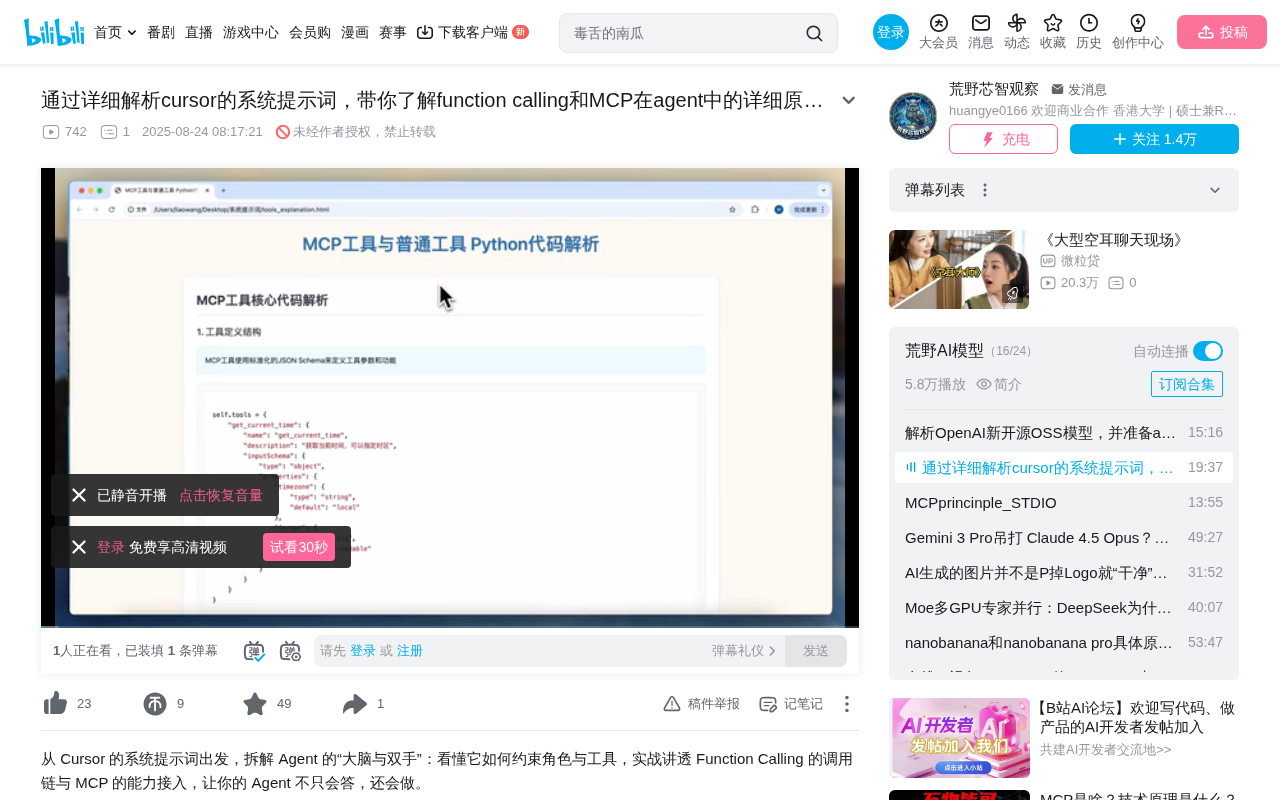
Understanding Function Calling and MCP Through Cursor's System Prompt
Deep dive into Function Calling and MCP working principles through Cursor editor's system prompt analysis, comparing regular tools vs MCP tools and testing Agent capabilities across model sizes.
Read more →
 Tutorials
·3 min
MCP vs CLI: 40x Token Cost Difference — How AI Engineers Should Choose
In-depth comparison of MCP vs CLI architecture, Token costs (CLI ~1400 vs MCP ~54600), security mechanisms, and use cases with practical selection guidance for AI engineers.
Read more →
Tutorials
Firebase AI Logic in Practice: Buildin…
·2 min
Firebase AI Logic in Practice: Building Intelligent Task Decomposition from Scratch with AI Agents
Learn how to add intelligent task decomposition to a cross-platform to-do app using Firebase AI Logic and Gemini, covering structured output, App Check security, and server-side Prompt templates.
Read more →