#RAG
1179 related articles
·3 min
Vibe Coding in Practice: A Junior Student Uses Cursor to Build a Multi-Agent System with 51 AI Officials Based on the Three Departments and Six Ministries Framework
A junior student uses Cursor and Vibe Coding to build a multi-agent system with 51 AI officials modeled on China's Three Departments and Six Ministries, featuring task distribution, approval workflows, and Token cost visualization.
Read more →

·2 min
AI Coding Deployment Guide: A Complete Hands-On Workflow from Local Demo to Live Website
Most AI Coding tutorials stop at local demos. This guide walks through 8 key steps to deploy an AI-powered 3D figurine website from Codex coding to live server deployment.
Read more →
·2 min
AI Coding Dependency: As Tools Get Stronger, Are Developers Getting Weaker?
Exploring the capability anxiety behind AI coding tool dependency. Analyzing the paradox of short-term efficiency vs. long-term skills, with strategies for developers to stay competitive in the AI era.
Read more →
·2 min
AI Super App Showdown: A Comprehensive Comparison of Cursor, Codex, Claude, and Anti-Gravity
In-depth comparison of four AI Super Apps — Cursor, Codex, Claude Desktop, and Anti-Gravity — across 11 dimensions to help you find the best AI dev tool.
Read more →
·4 min
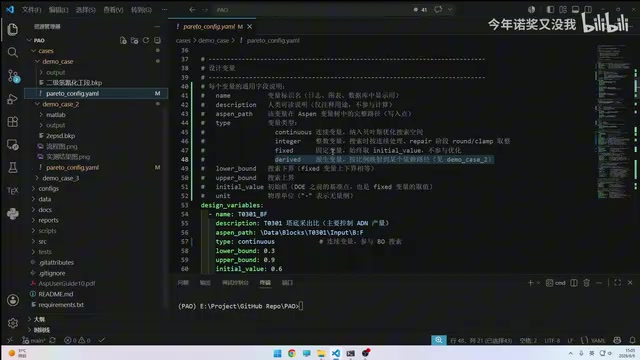
PAO Project in Practice: Bayesian Optimization-Driven Aspen Plus Automated Simulation Tutorial
Learn how the PAO project integrates Bayesian optimization with Aspen Plus via YAML configuration for automated multi-objective chemical process optimization.
Read more →
·3 min
Cursor Internal Data: 75% of Code Generated by AI, Engineers Transforming into Agent Managers
Cursor reveals internal data: enterprise AI-generated code surges from 15% to 75%, Agent requests grow 15x YoY, and 30% of PRs are completed entirely by Agents. Engineers are becoming Agent managers.
Read more →
·4 min
OpenAI Codex Desktop Experience: A Zero-to-Hero Guide for AI Programming
A detailed hands-on experience with OpenAI Codex Desktop, covering interface features and real-world examples. Free users can try it now with parallel tasks and natural language programming.
Read more →
·2 min
NotebookLM Anniversary Data Revealed: The Source-Driven AI Revolution Behind 1.5 Billion Notebooks
Google NotebookLM celebrates its anniversary with 1.5 billion notebooks, audio overviews, and slides created. A deep dive into its source-driven AI design, core features, and future direction.
Read more →
·2 min
v0 Integrates with Shopify: AI Conversations Generate Production-Grade E-Commerce Websites
Vercel's AI tool v0 announces deep Shopify integration, enabling users to generate production-ready e-commerce storefronts via natural language prompts.
Read more →
·1 min
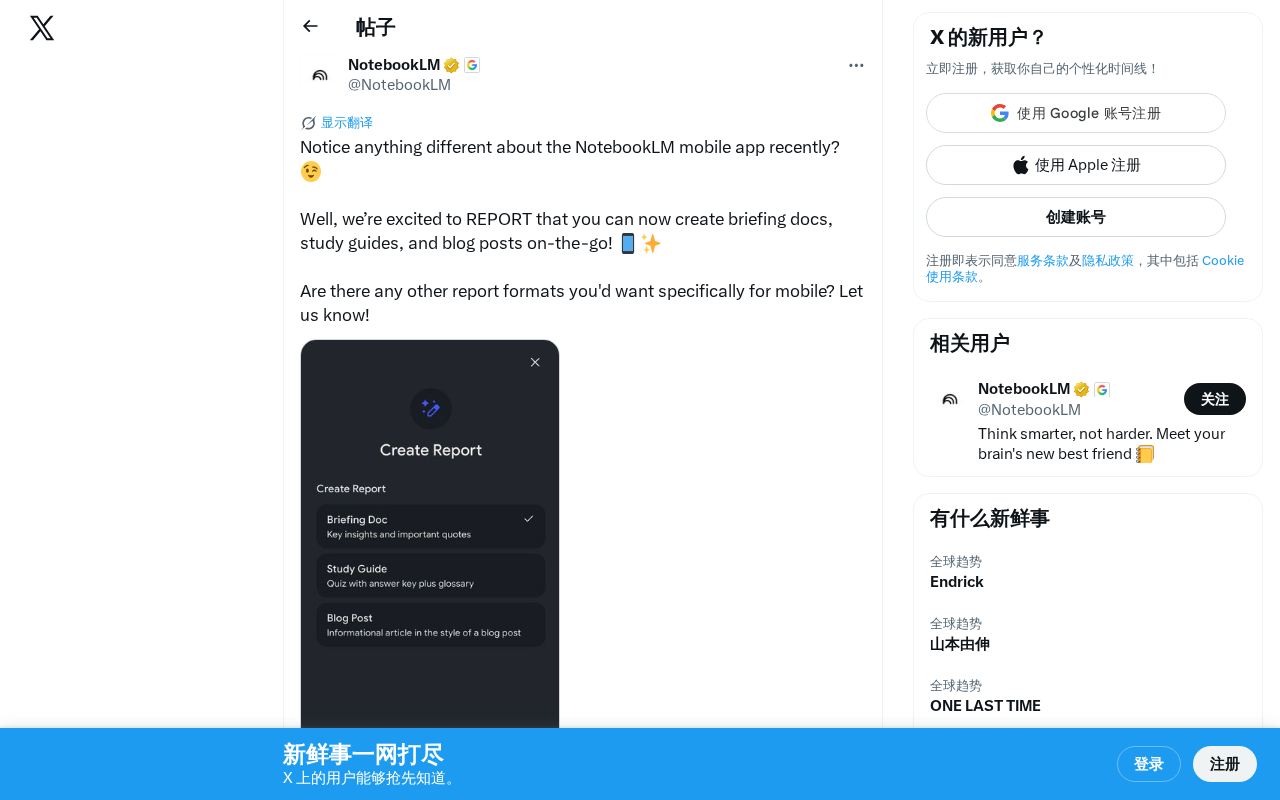
NotebookLM Mobile Adds Report Generation: Briefing Docs, Study Guides, and Blog Posts
Google NotebookLM mobile update adds three report generation features: Briefing Docs, Study Guides, and Blog Posts, letting users create professional documents from notes on the go.
Read more →
·1 min
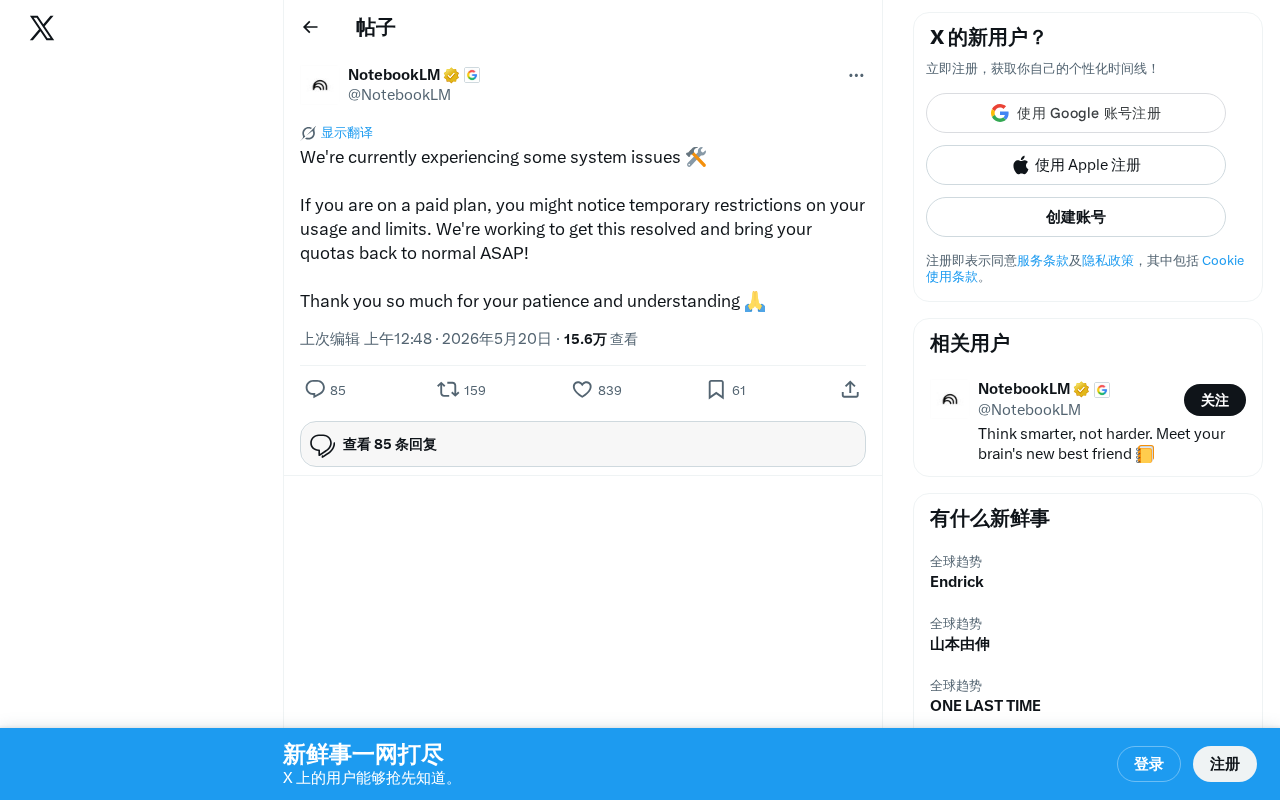
Cursor System Outage: Paid Users Hit by Quota Restrictions, Official Fix Underway
AI coding tool Cursor confirms a system outage affecting paid user quotas and limits. Learn about the impact, workarounds, and alternative tools for developers.
Read more →
·2 min
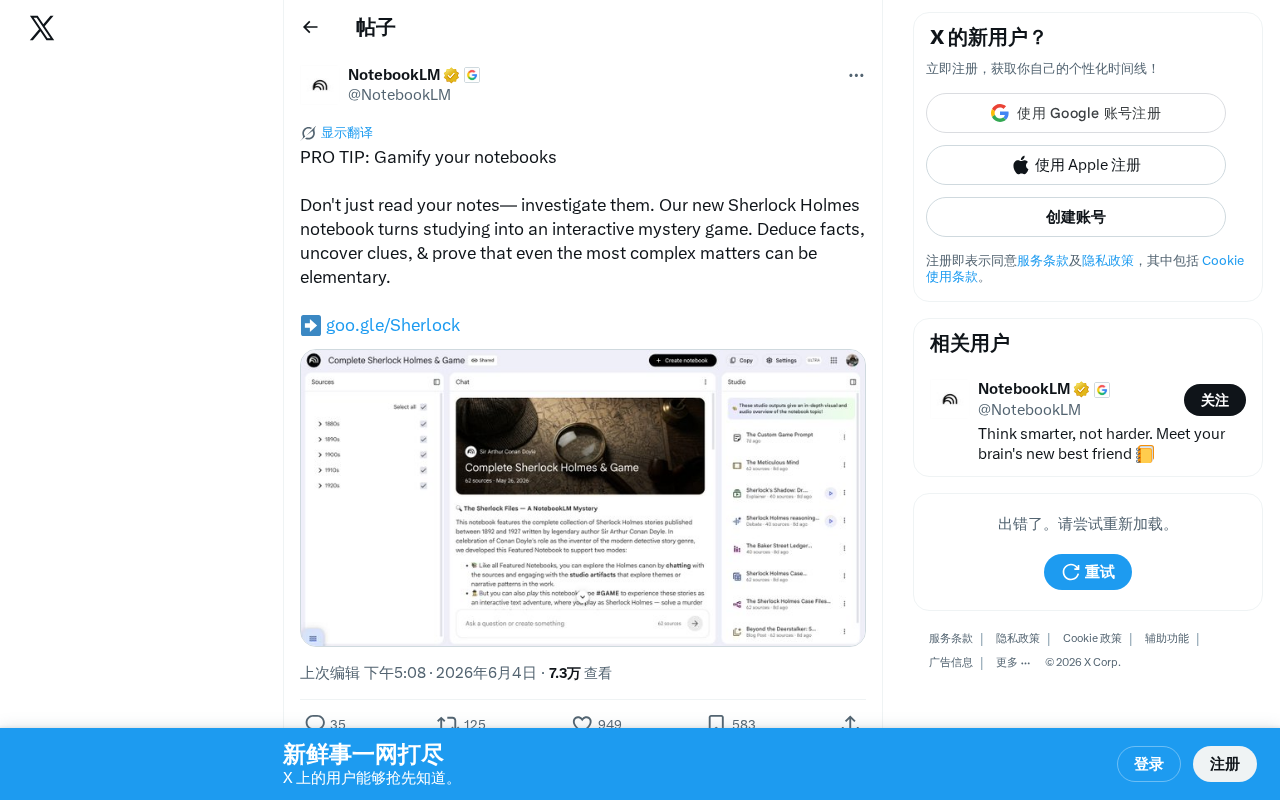
Gamified Learning with NotebookLM: Activate Your Notes Using the Sherlock Holmes Deduction Method
Google NotebookLM launches a Sherlock Holmes notebook template, turning passive note review into interactive deduction games. Learn how the Deduce-Uncover-Prove method enables gamified learning.
Read more →
·4 min
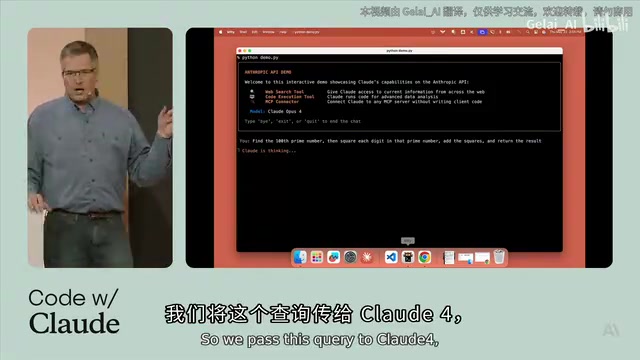
Anthropic's Official Breakdown: Three Core Components for Building AI Agents
Anthropic Developer Conference deep dive into three core AI Agent architectures: Build (code execution), Connect (Web Search & MCP), and Optimize, with live demos and multi-tool collaboration examples.
Read more →
·2 min
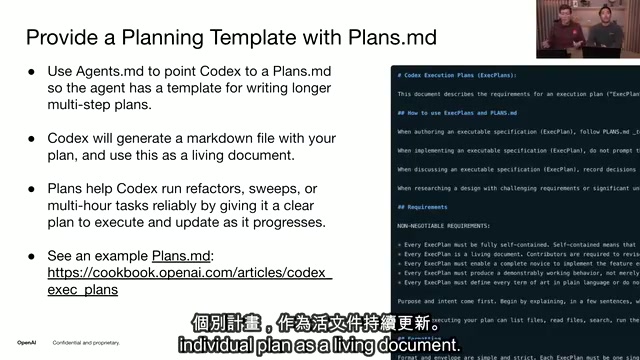
Complete Guide to OpenAI Codex: CLI Installation, VS Code Configuration & Practical Tips
Complete guide to OpenAI Codex setup: CLI installation, VS Code extension config, Agents.md best practices, MCP integration, and programmatic usage for efficient AI coding workflows.
Read more →
·3 min
Cursor vs Codex In-Depth Comparison: Where Should You Spend Your $200?
In-depth comparison of Cursor and Codex AI programming tools — their strengths, ideal use cases, and cost differences. Find out where your $200 is best spent.
Read more →
·4 min
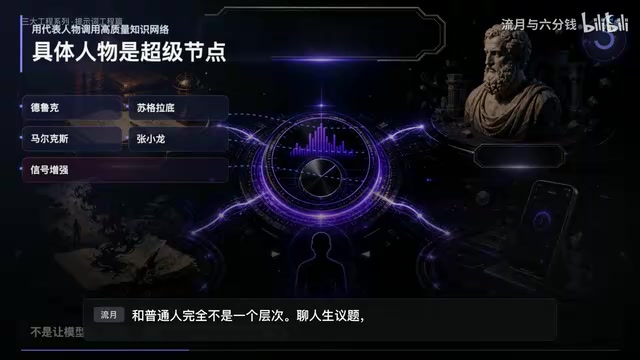
Can't Fill Out Prompt Templates Properly? The Four-Module Incremental Method Doubles Your AI Output Quality
Struggling with prompt templates? Learn the four-module incremental method—Role, Skills, Constraints, Response Format—to dramatically improve AI output quality.
Read more →

·4 min
Cursor Composer2 Training Revealed: A Complete Guide to Distributed Reinforcement Learning Engineering
Deep dive into how Cursor trained Composer2: two-stage architecture, global distributed clusters, MOE numerical alignment, simulation anti-cheating, and more.
Read more →
·4 min
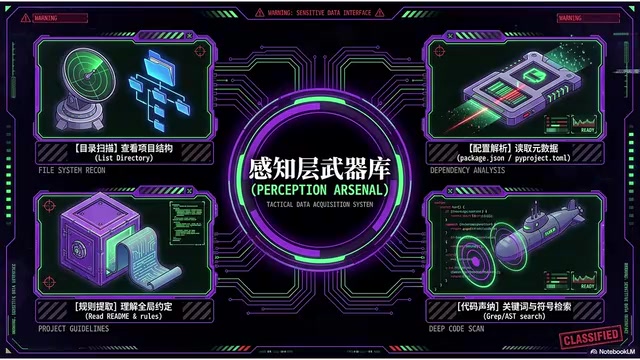
Core Principles of Coding Agents: How Perception and Context Engineering Determine AI Coding Effectiveness
Deep dive into why coding Agents differ: perception lets Agents understand projects first, context engineering precisely filters information within limited token budgets.
Read more →
·4 min
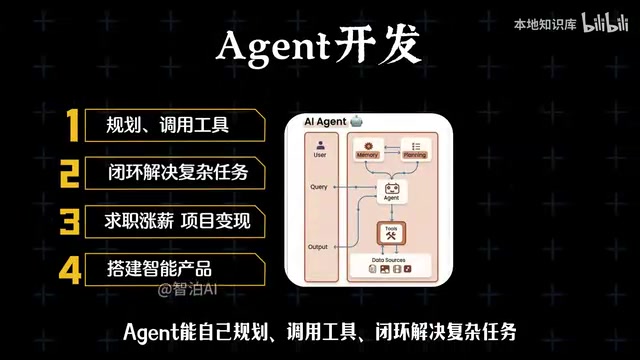
Agent Development Learning Roadmap: A Four-Stage Systematic Guide from Beginner to Practitioner
A systematic four-stage learning roadmap for AI Agent development, covering core concepts, classic paradigms like ReAct, multi-agent collaboration frameworks, and hands-on projects to master Agent development skills in 2-3 months.
Read more →

·4 min
The 8 Core Modules of Prompt Engineering: A Complete Guide from Fundamentals to Advanced Techniques
A systematic breakdown of the 8 core modules of prompt engineering, covering fundamentals, CoT, Few-shot, prompt security, and real-world AI applications.
Read more →