#persistent memory
38 related articles
·2 min
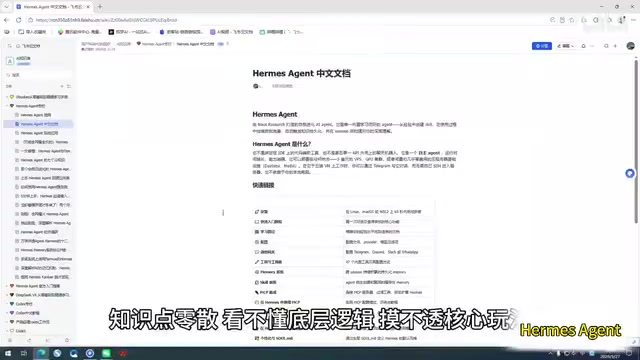
Claude Code Chinese Tutorial: A 100-Page Systematic Learning Guide on Feishu Docs
A detailed look at the Claude Code Chinese learning resource on Feishu Docs, covering AI agent learning, memory systems, and task decomposition with a systematic path from beginner to advanced.
Read more →
·4 min
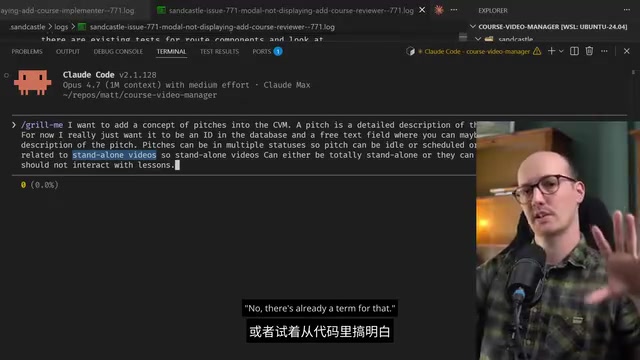
Grill With Docs: Doubling AI Programming Collaboration Efficiency with a Unified Language
From Grill Me to Grill With Docs: applying DDD's Ubiquitous Language to solve terminology drift and context loss in AI programming for efficient cross-session collaboration.
Read more →
Deep Dive into the Three AI Programmin…
·3 min
Deep Dive into the Three AI Programming Frameworks: The Right Way to Do Specification-Driven Development
Deep dive into the three frameworks of Specification-Driven Development (SDD) for AI programming: Blueprint, Execution Flow, and Change Records — solving the problem of AI code going off the rails.
Read more →
·2 min
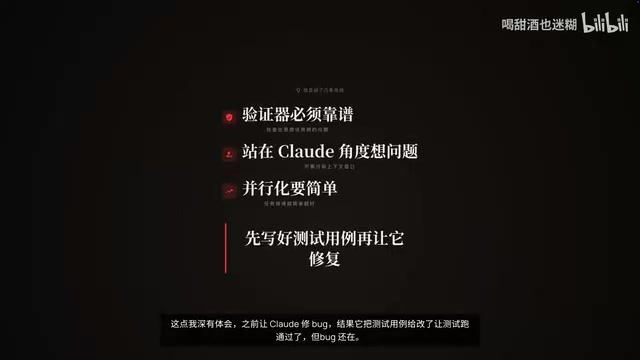
Anthropic Team in Practice: Claude Code Experience with 16 Parallel Agents Developing a Compiler
Deep analysis of Anthropic's real-world Claude Code practices: 16 parallel Agents building a C compiler, three-role architecture for full-stack apps, smart approvals solving 93% blind approval issues, and six official best practices.
Read more →
Pi Coding Agent Deep Configuration Gui…
·4 min
Pi Coding Agent Deep Configuration Guide: A Complete Breakdown of Custom Tools, Sub-Agents, and the Skill System
A complete Pi Coding Agent configuration guide refined over two months, covering custom tools, sub-agents, persistent memory, security, and skill systems.
Read more →
Save 80% Tokens with Claude Code: Head…
·3 min
Save 80% Tokens with Claude Code: Headroom vs RTK vs LinCTX Deep Comparison
Deep comparison of Headroom, RTK, and LinCTX—three open-source context compression tools. Real tests show 80% token savings in Claude Code sessions.
Read more →
Claude Code Installation & Setup Guide…
·3 min
Claude Code Installation & Setup Guide: Build Your AI Coding Assistant from Scratch
Step-by-step guide to installing and configuring Claude Code, covering Git/Node.js prerequisites, environment variables, and connecting domestic LLMs to build an AI assistant that reads, writes, and executes code.
Read more →
AI Agent Global Variable Pool & Memory…
·4 min
AI Agent Global Variable Pool & Memory Mechanisms: A Practical Guide to Workflow Node Data Passing
Deep dive into global variable pool design for AI Agent development, covering three memory types, variable scoping, node execution architecture, and placeholder variable replacement workflows.
Read more →
Codex Beginner's Guide: Lessons Learne…
·3 min
Codex Beginner's Guide: Lessons Learned from 660 Million Tokens of Real-World Usage
Deep dive into OpenAI Codex Agent's core features, Skill ecosystem, context compression, and project-level Harness management tips from 660M tokens of real-world usage.
Read more →
·2 min
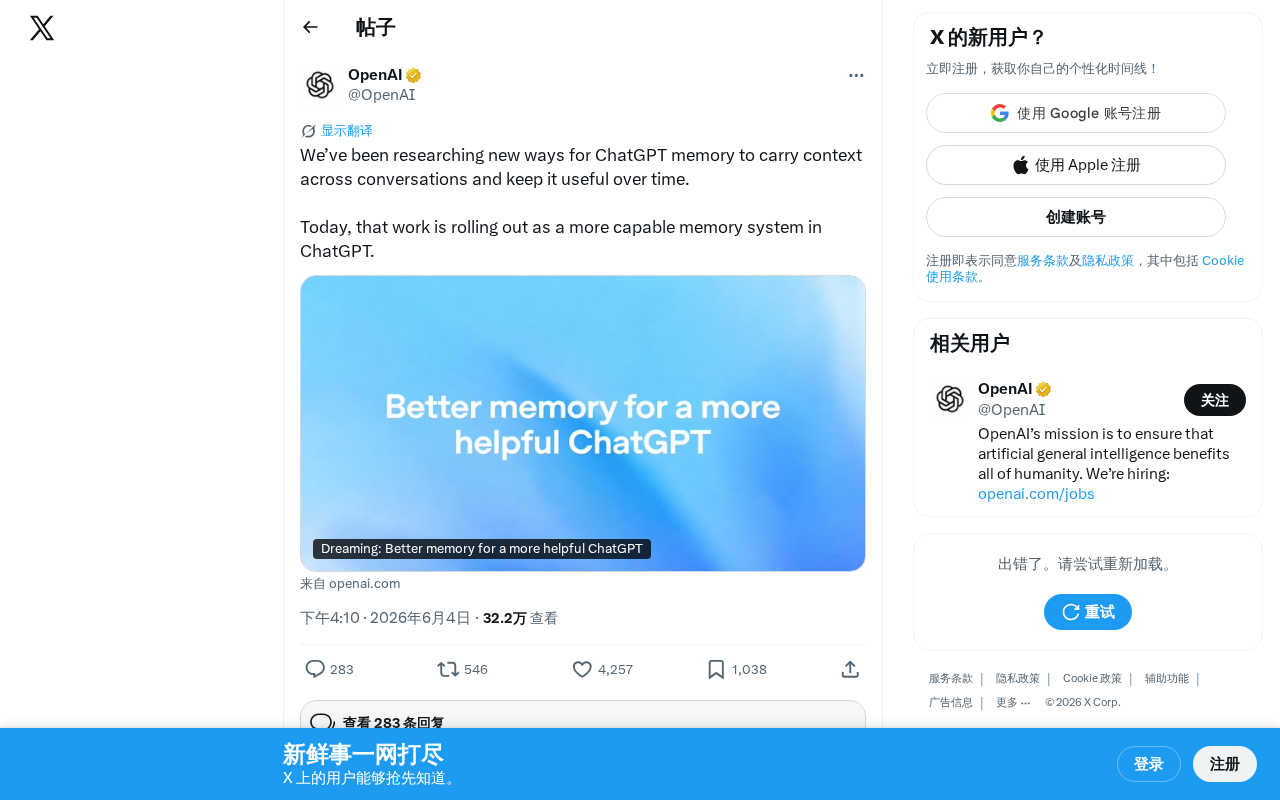
ChatGPT Memory System Upgrade Explained: Cross-Conversation Context and Long-Term Memory Practicality
OpenAI announces a major ChatGPT memory system upgrade enhancing cross-conversation context transfer and long-term memory management. Full breakdown of core improvements, industry impact, and privacy concerns.
Read more →
 Tutorials
·2 min
Multi-Agent Collaborative Novel Writing: A Practical Tutorial from Template Setup to Continuous Creation
Learn how to build an AI novel writing team using Glutter's multi-Agent templates, with Editor-in-Chief, Author, and Proofreader roles collaborating to solve character consistency and plot coherence challenges in long-form fiction.
Read more →
 Product Reviews
·2 min
AgentMemory: An Open-Source Solution for Giving AI Coding Assistants Permanent Memory
AgentMemory is an open-source persistent memory layer supporting memory sharing across 16 AI coding tools including Claude Code and Cursor. 95.2% retrieval accuracy, ~1900 tokens per session, local SQLite storage with zero privacy concerns.
Read more →
 Tutorials
·2 min
The Complete Guide to CLAUDE.md Configuration: Give Claude Code Memory of Your Project
Complete guide to Claude Code's CLAUDE.md memory file: creation methods, content structure, hierarchy system, and practical tips to boost AI coding efficiency.
Read more →
 Tutorials
·2 min
Claude Code Four-Step Workflow: A Practical Guide to Explore → Plan → Code → Commit
Master the Claude Code four-step workflow: Explore project context, Plan actions, Code collaboratively, and Commit with review. Shift error correction left to dramatically boost AI coding efficiency.
Read more →
 Product Reviews
·3 min
Hermes Agent Deep Dive: Installation & Practical Guide to the Self-Learning AI Framework
Deep dive into Hermes Agent's core mechanisms: learning loops, three-layer memory system, and self-evolving Skills. Includes comparison with Claude Code and OpenCode, plus a complete installation guide.
Read more →
 Tutorials
·1 min
CLAUDE.md: Making Your AI Coding Assistant Truly Understand Your Project
CLAUDE.md is a memory file for Claude Code that stores your project's tech stack, conventions, and architecture — so the AI understands your codebase from the start.
Read more →
 Tutorials
·3 min
One Person, Three Machines: Local Agent Deployment and Multi-Machine Collaborative Operations in Practice
Deploy Cloud Code and Hermes AI Agents to efficiently manage three physical hosts solo. Covers Ventoy single-file deployment, BTRFS+RAW Image setup, Agent task division, and risk control strategies.
Read more →
 Tutorials
·3 min
Complete Guide to Installing Hermes Agent on Windows: WSL Setup and Troubleshooting Common Issues
Complete guide to installing Hermes Agent on Windows, covering WSL setup, Ubuntu initialization, API configuration, Web UI installation, and solutions for DNS, virtualization, and other common issues.
Read more →
 Product Reviews
·4 min
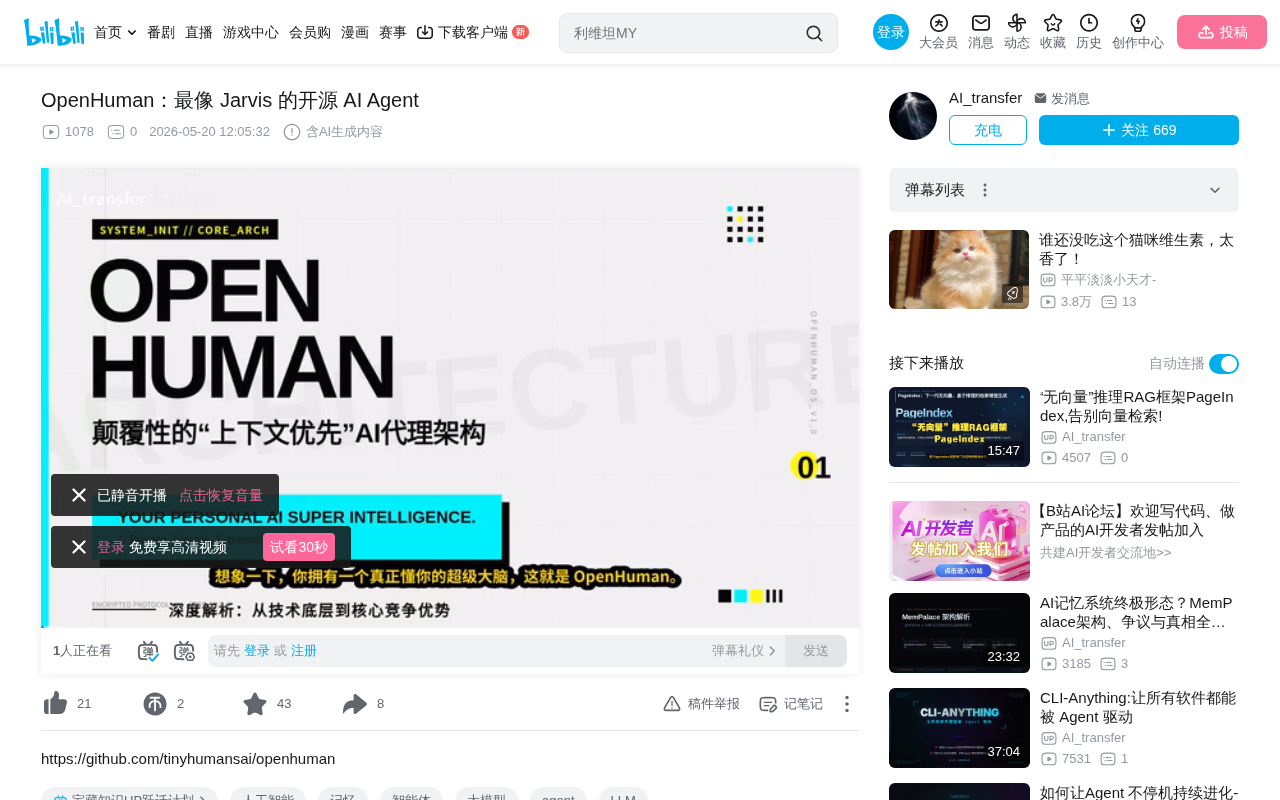
OpenHuman Deep Dive: A Context-First Open-Source Personal AI Agent
Deep dive into OpenHuman open-source AI Agent: context-first architecture, Rust+React hybrid, Memory Tree system, Token Juice compression, and multi-model routing.
Read more →
 Product Reviews
·3 min
Mavis Hands-On Review: Multi-Agent Collaboration vs. Single Agent — A Comprehensive Comparison in Academic Research and Web Development
In-depth review of Mavis multi-agent platform across academic retrieval, literature review, and web development. Multi-agent mode significantly outperforms single agents in accuracy and reliability.
Read more →