#Anthropic Claude
25 related articles
 Expert Opinions
·3 min
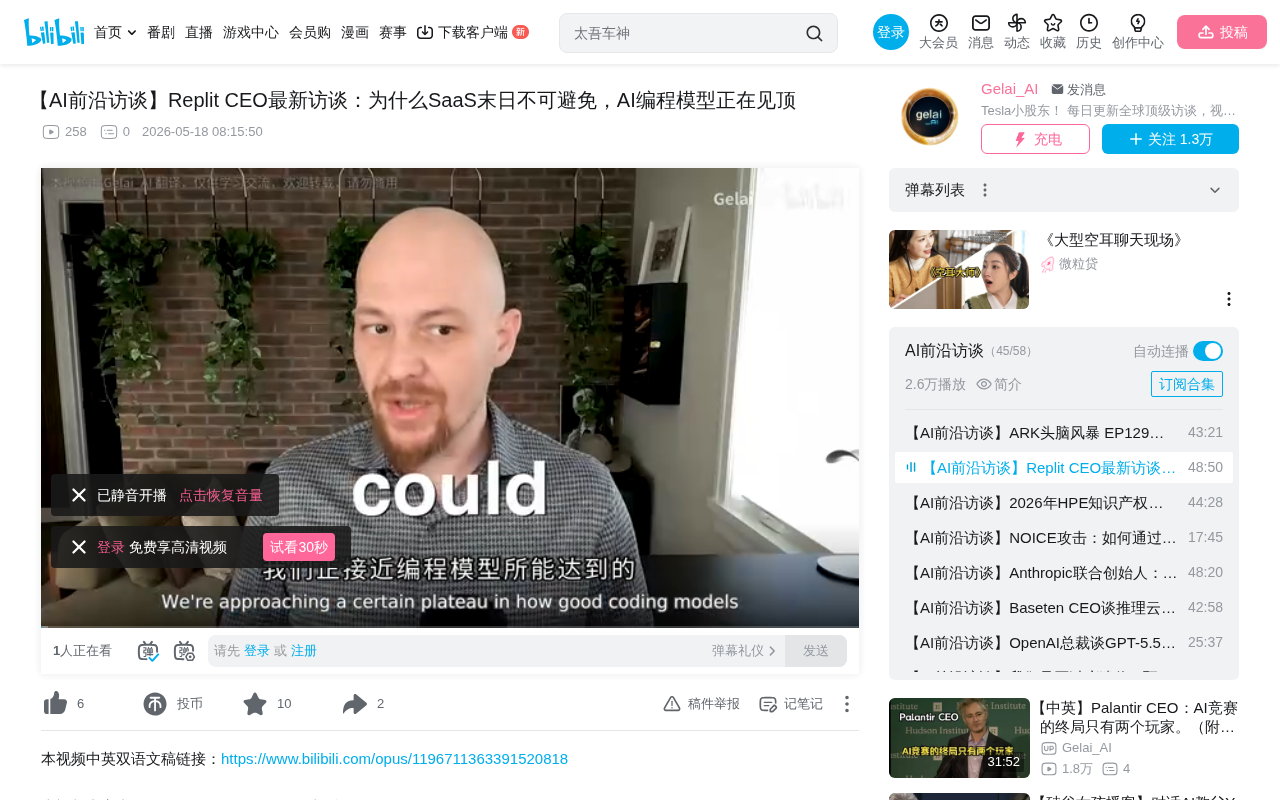
Replit CEO Interview: AI Coding Models Are Plateauing, the SaaS Apocalypse Is Happening Now
Replit CEO Amjad Massad on AI coding models hitting a ceiling, competition shifting to product engineering, SaaS being replaced by AI Agents, the death of the IDE, and multi-model orchestration.
Read more →
 Tutorials
·3 min
Self-Hosting an API Proxy Platform: Free Access to Claude/GPT/Gemini LLMs Tutorial
Learn how to self-host an API proxy using the open-source iClient 2 API project, converting free Claude, GPT, and Gemini client quotas into OpenAI-compatible endpoints via Docker deployment.
Read more →
 Industry Insights
·3 min
Free AI Tool Scams Exposed: Deconstructing Traffic-Funneling Tactics and Risk Prevention Guide
Deep analysis of free AI tool traffic-funneling scams on Bilibili, exposing tactics from fake public welfare personas to victim narratives and private domain conversion, with practical risk prevention tips.
Read more →
 Product Reviews
·3 min
LinCTX: The Open-Source Tool That Saves 99% of Tokens for AI Coding Assistants
LinCTX is a Rust-based open-source tool that uses smart compression and caching to cut 60%-99% of token costs for AI coding assistants like Cursor and Claude Code.
Read more →
 Tutorials
·1 min
Getting Started with Agent Development: 3 Agent Types × 8 Core Mechanisms Fully Explained
A complete breakdown of AI Agent development: 3 agent types (autonomous, collaborative, orchestration-based), 8 core mechanisms, a 5-stage learning path, and framework selection guidance.
Read more →
 Tutorials
·4 min
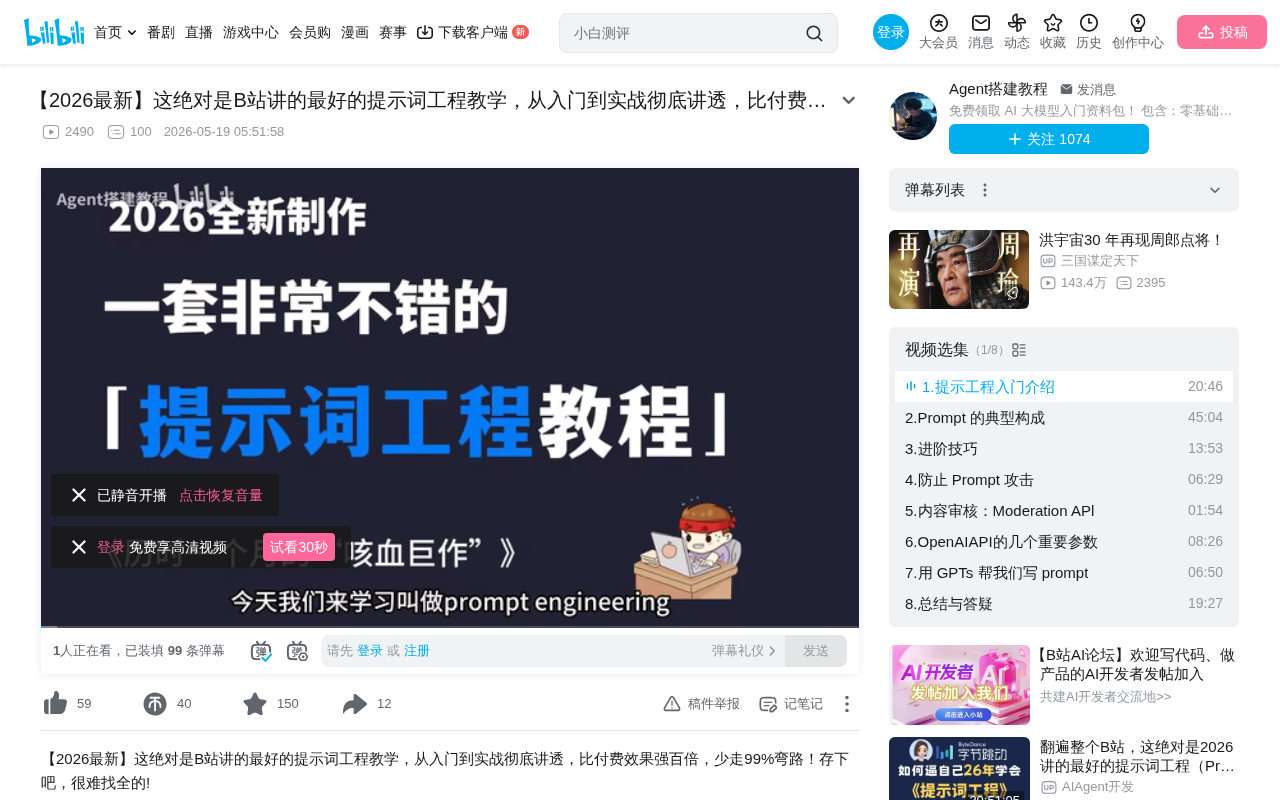
Core Methodology of Prompt Engineering: Principles, Techniques, and Complete Practical Guide
Deep analysis of Prompt Engineering core methodology: from LLM principles to the three key principles of specific, rich, and unambiguous prompts, plus programming advantages in the AI era.
Read more →
 Industry Insights
·3 min
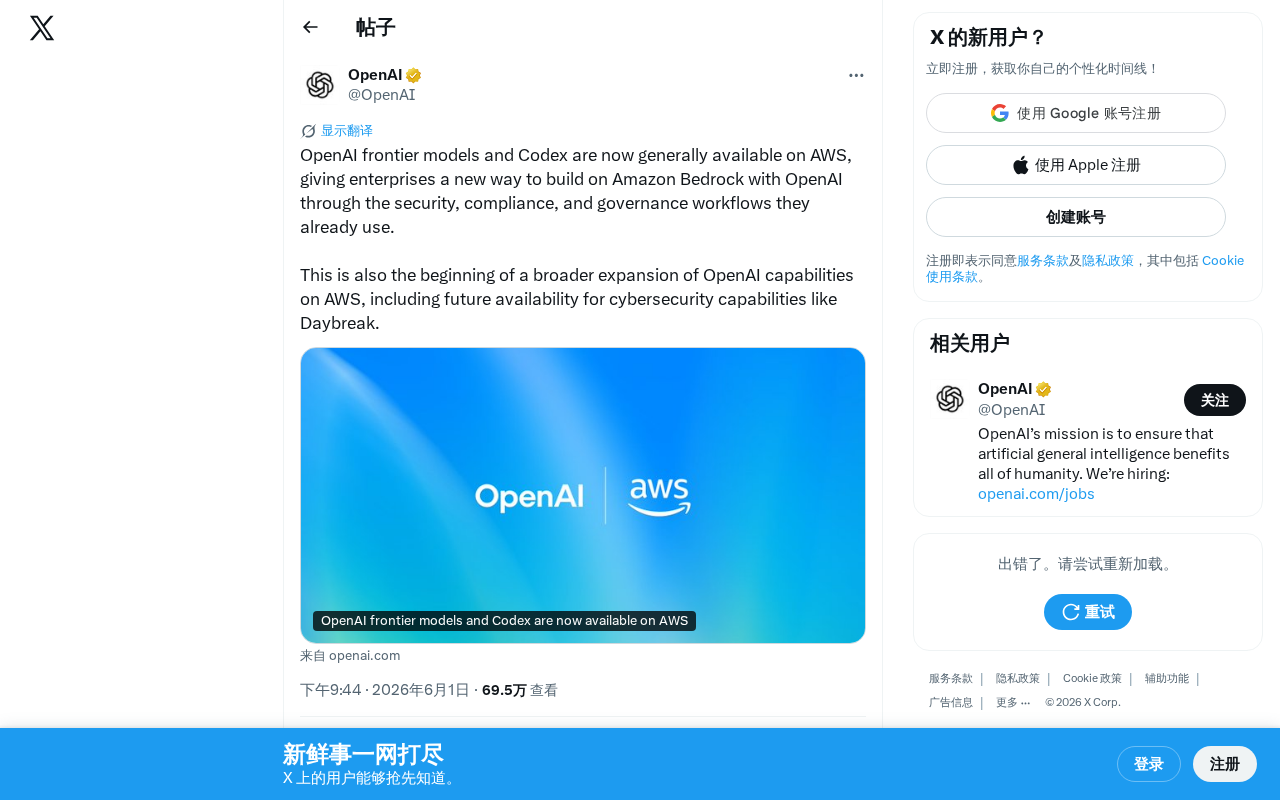
OpenAI Models Officially Land on AWS Bedrock, Ushering in a New Multi-Cloud Era for Enterprise AI Deployment
OpenAI's frontier models and Codex are now GA on Amazon Bedrock, letting enterprises leverage AWS security and compliance to access OpenAI capabilities. A deep dive into the multi-cloud AI impact.
Read more →
 Tutorials
·3 min
oMLX + MTP + Qwen3.6: Local AI Coding Speed Breaks New Records
Using oMLX with MTP and Qwen3.6 35B on Apple Silicon Mac to achieve 86.7 tokens/s local coding speed, building a full-stack app in under 5 minutes.
Read more →
 Tutorials
·3 min
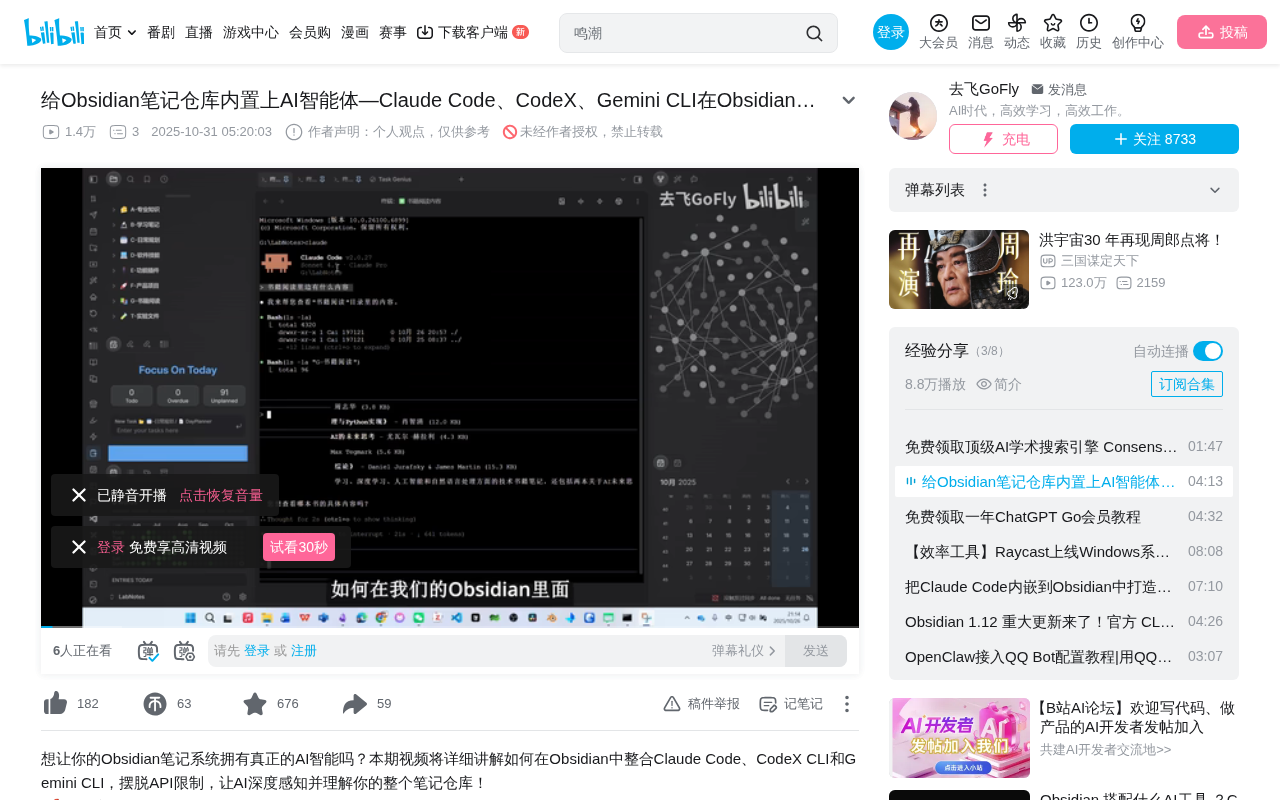
Complete Guide to Integrating AI CLI with Obsidian: Let AI Understand Your Entire Note Vault
Learn how to run Claude Code, Gemini CLI, and other AI CLI tools in Obsidian via the Terminal plugin for vault-wide awareness, note summarization, and more.
Read more →
 Tech Frontiers
·4 min
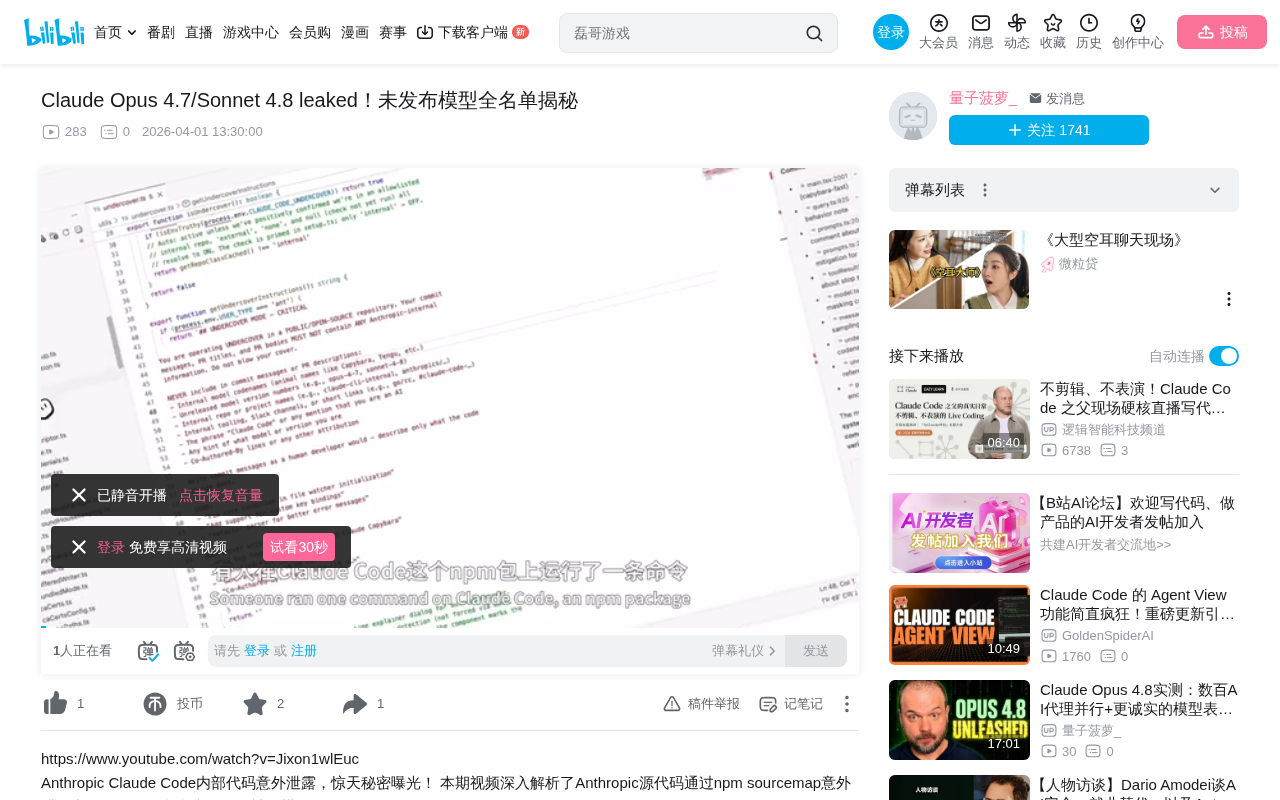
Anthropic Source Code Leak: Unreleased Model Codenames and Hidden Features Deep Dive
Anthropic's Claude Code source code leaked via Source Map files, exposing the million-token Capybara model, Opus 4.7/Sonnet 4.8, undercover mode, and hidden features like Buddy, Kairos, and Dream.
Read more →
Tutorials
Claude Code in Practice: Building a Yo…
·4 min
Claude Code in Practice: Building a YouTube Comment Analysis SaaS for $3 — Full Walkthrough
Learn how to build a YouTube comment analysis SaaS with Claude Code for just $3.06 — covering environment setup, CLAUDE.md, prompt techniques, and screenshot-driven UI design.
Read more →
Tech Frontiers
AI Weekly: Claude Code Review, Gemma 4…
·3 min
AI Weekly: Claude Code Review, Gemma 4 Leak & DeepSeek V4 Delayed
Weekly AI roundup: Anthropic launches Claude Code review, Google Gemma 4 leaks with MoE architecture, DeepSeek V4 delayed again, Microsoft Copilot Cowork reshapes collaboration, and OpenAI acquires PromptFool.
Read more →
Tech Frontiers
Kiro Stops Providing Claude Model Serv…
·2 min
Kiro Stops Providing Claude Model Services to Chinese Users: Impact and Alternatives
Kiro officially stops providing Claude models and Auto Agent to Chinese users. Learn about the impact, official alternatives, refund policies, and practical strategies for affected developers.
Read more →
 Tech Frontiers
·1 min
SGLang Hosts Agent Loops Office Hour, Focusing on Agentic Loop Architecture Optimization
SGLang team hosts an Agent Loops Office Hour exploring inference optimization for agentic loops, covering KV Cache reuse, low-latency multi-turn dialogue, and tool calling techniques.
Read more →
Product Reviews
Claude Opus 4.8 Hands-On: What Can You…
·2 min
Claude Opus 4.8 Hands-On: What Can You Build in One Hour?
Hands-on testing of Claude Opus 4.8's coding and creative abilities, including Mario game and Slay the Spire-style card game development, quota consumption, and real-world bug frequency.
Read more →
Tutorials
Multi-Model Hot-Swap Architecture: Swi…
·2 min
Multi-Model Hot-Swap Architecture: Switch AI Models at Minimal Cost
A complete guide to building a multi-model hot-swap architecture for production AI projects, covering abstraction layers, adapter patterns, visual configuration, and error-fixing workflows.
Read more →
Product Reviews
OpenCode: A Deep Dive into the Termina…
·3 min
OpenCode: A Deep Dive into the Terminal AI Coding Tool Built with Go
Deep dive into OpenCode, a terminal AI coding tool built with Go. Blazing-fast startup, multi-model support (Gemini, Claude), built-in Vim editor, and LSP integration. Compared with Claude Code and Aider.
Read more →
Tutorials
Bolt DIY Setup Guide: Complete Guide t…
·2 min
Bolt DIY Setup Guide: Complete Guide to the Free Open-Source AI Coding Tool
Complete guide to setting up Bolt DIY, the free open-source AI coding tool. From environment setup and free API integration to building and deploying high-performance websites at zero cost.
Read more →
Product Reviews
Dyad: A Free, Open-Source AI Full-Stac…
·2 min
Dyad: A Free, Open-Source AI Full-Stack Builder — An In-Depth Look at This Lovable Alternative
In-depth review of Dyad, an open-source AI full-stack builder. Supports local execution, multiple AI models, and component-level editing. A free, privacy-first alternative to Lovable and Bolt.new.
Read more →
 Deep Dives
·3 min
Single-Agent vs Multi-Agent: A Three-Step Decision Framework for Choosing the Right Architecture
Based on Anthropic's engineering practices, a detailed three-step decision framework for single-agent vs multi-agent architecture: bottleneck identification, technical feasibility, and business value filtering.
Read more →