#LLM
676 related articles
 Industry Insights
·4 min
Deep Dive into Claude Code's Open-Source Architecture: Six Core Design Principles and Engineering Practices Revealed
Deep analysis of Claude Code's open-source architecture: six core design principles including dual-loop mechanism, seven-step tool pipeline, four-layer token compression, multi-agent collaboration, and memory systems.
Read more →
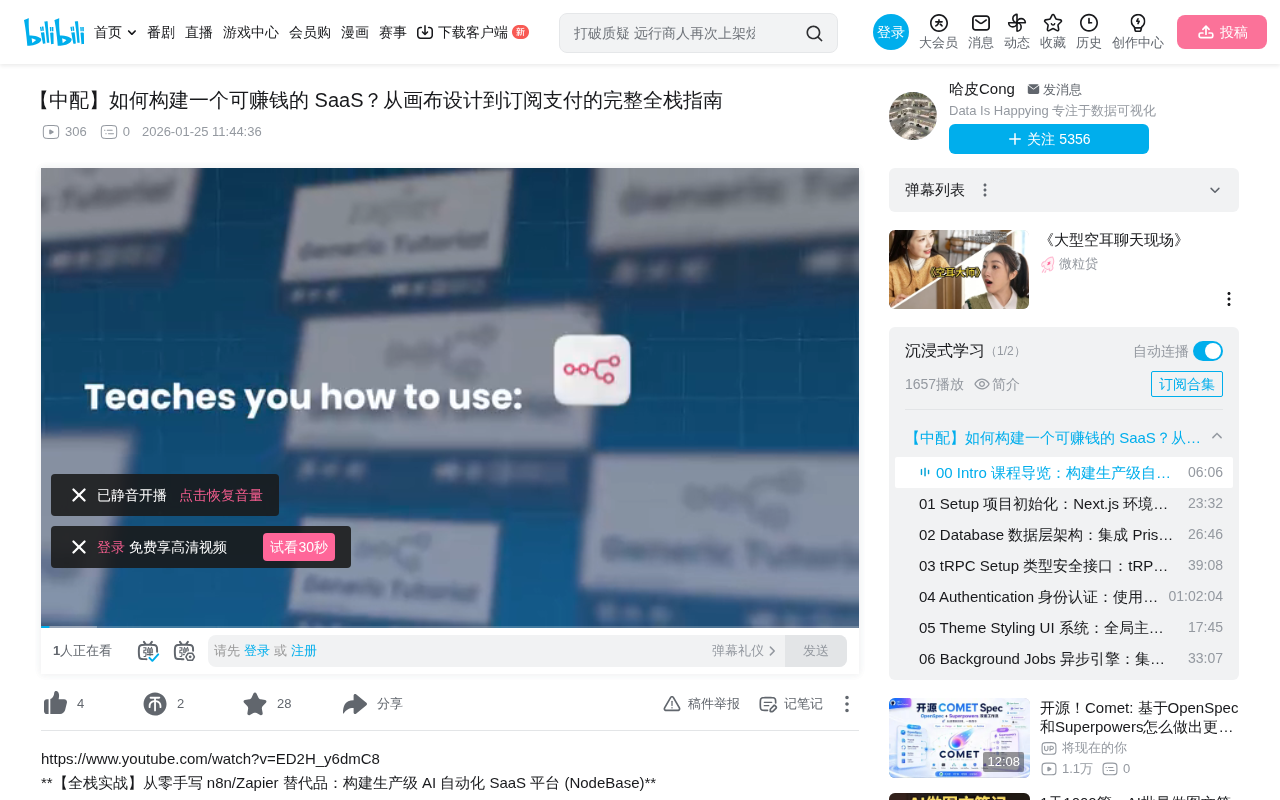 Tutorials
·3 min
Building an Automated Workflow SaaS Platform from Scratch: A Complete Guide from Full-Stack Development to Commercialization
A detailed guide on building a commercializable automation workflow SaaS platform from scratch, covering React Flow canvas, Next.js full-stack architecture, Inngest task engine, payment subscriptions, and AI monitoring.
Read more →
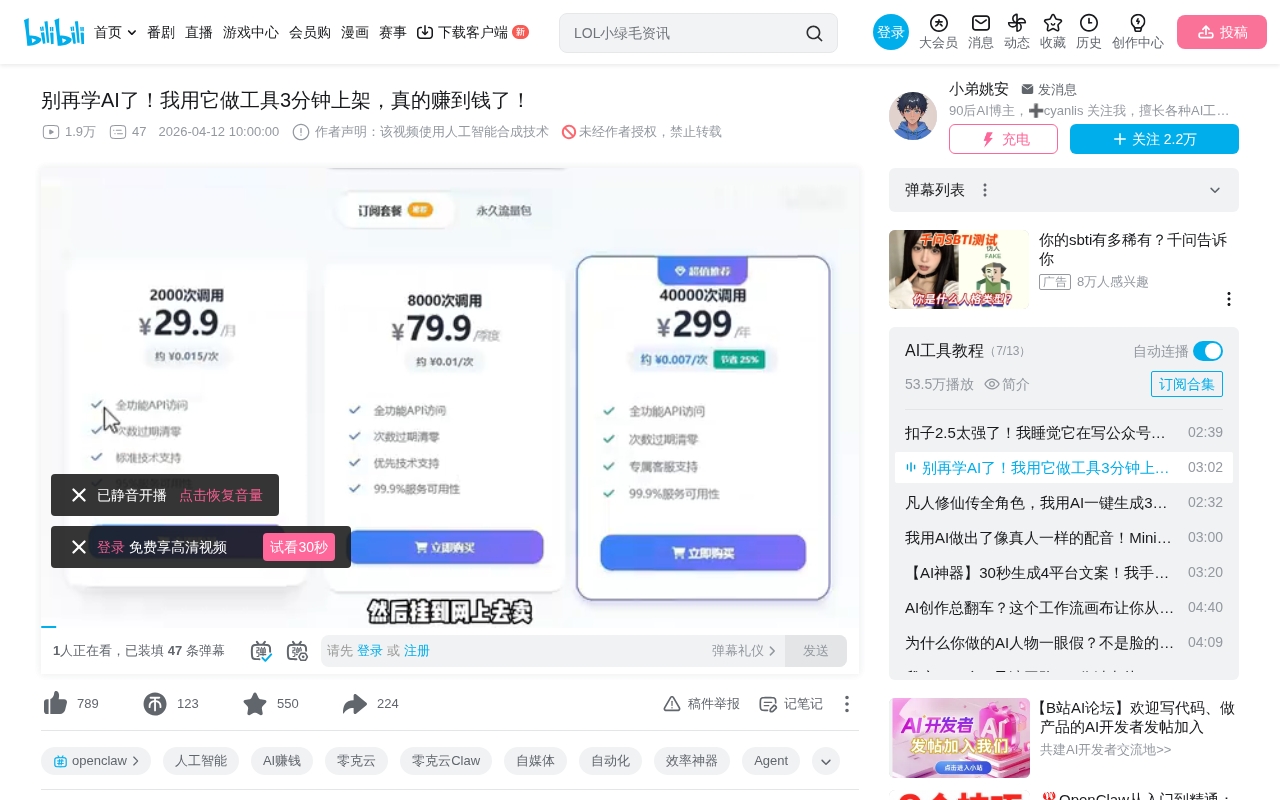 Product Reviews
·3 min
Make AI Tools in 3 Minutes and Sell Them Online — Is This Side Hustle Model Actually Viable?
Deep analysis of using AI platforms like LinkCloud Crow to quickly generate and sell tools — from demand discovery and tool creation to revenue models and risk assessment.
Read more →
 Tutorials
·3 min
Hermes Agent Deployment Tutorial: An AI Assistant That Uses Fewer Tokens Than CrawlAI
Complete Hermes Agent deployment tutorial for Windows: environment setup, model configuration, WeChat channel connection, and troubleshooting. Uses fewer tokens than CrawlAI with direct WeChat chat support.
Read more →
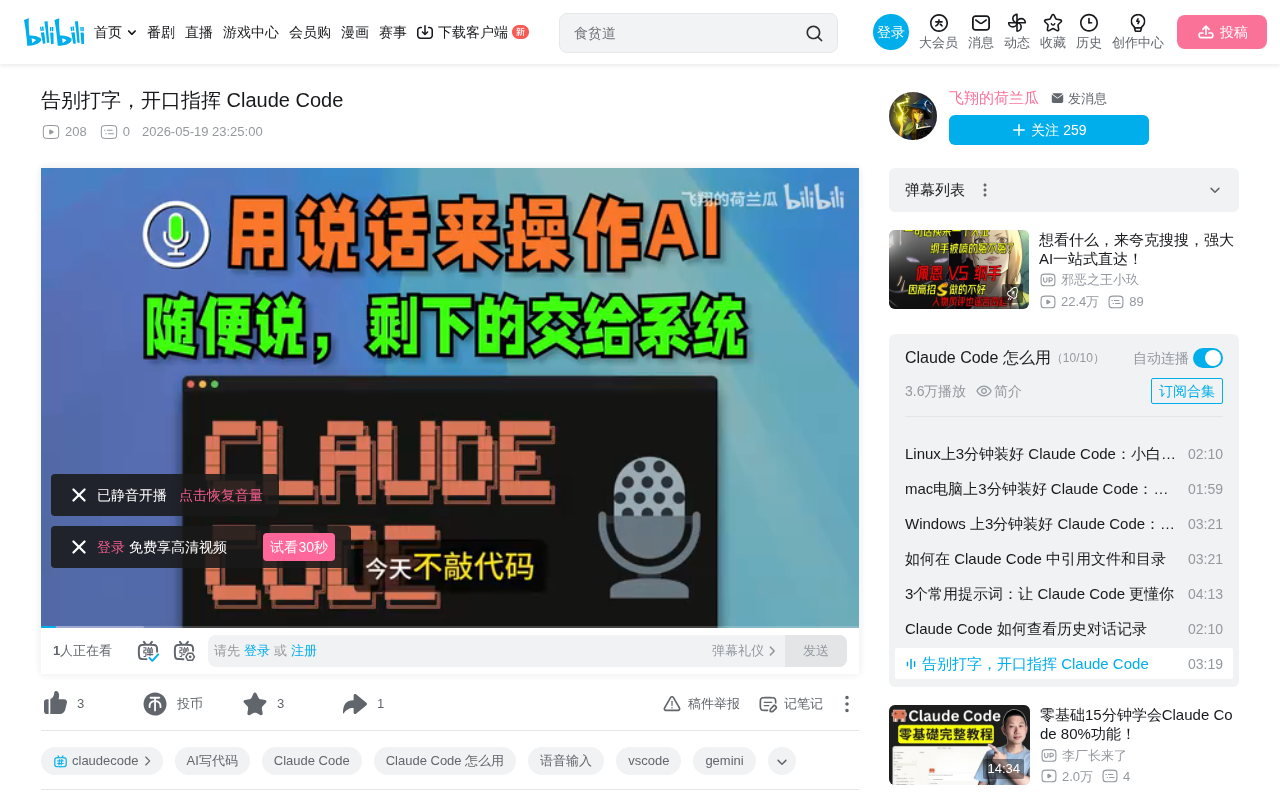 Product Reviews
·2 min
Voice-Controlled Claude Code: A New AI Programming Experience Without Typing
Cloud Code Launcher's voice input intelligently translates spoken language into precise programming instructions for Claude Code, with 5-min recording, auto filler-word filtering, and fuzzy-to-precise parameter conversion.
Read more →
 Tutorials
·2 min
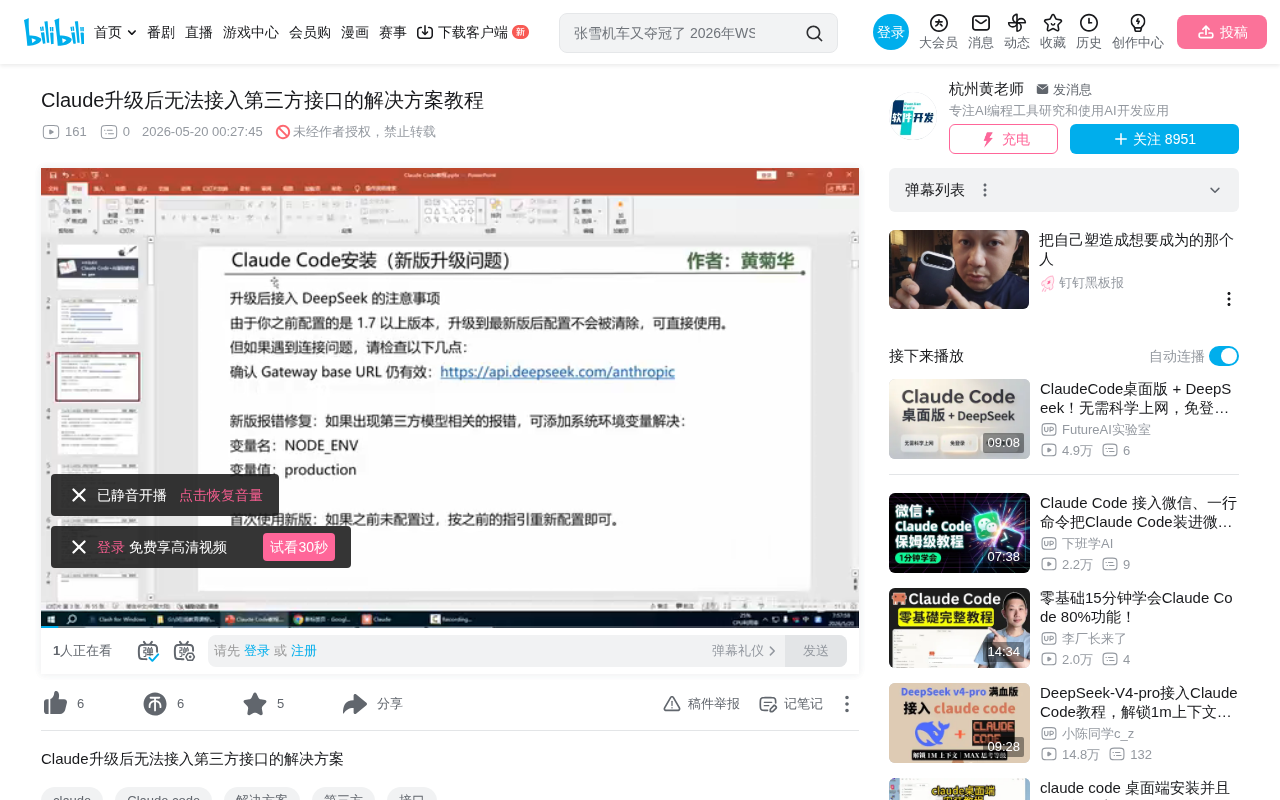
Claude Code 1.7+ Third-Party API Locked: Solutions
Claude Code 1.7+ locks third-party model APIs? This guide provides two solutions using the CLAUDE_ENV environment variable to unlock dev mode and reconfigure DeepSeek and other APIs.
Read more →
 Product Reviews
·3 min
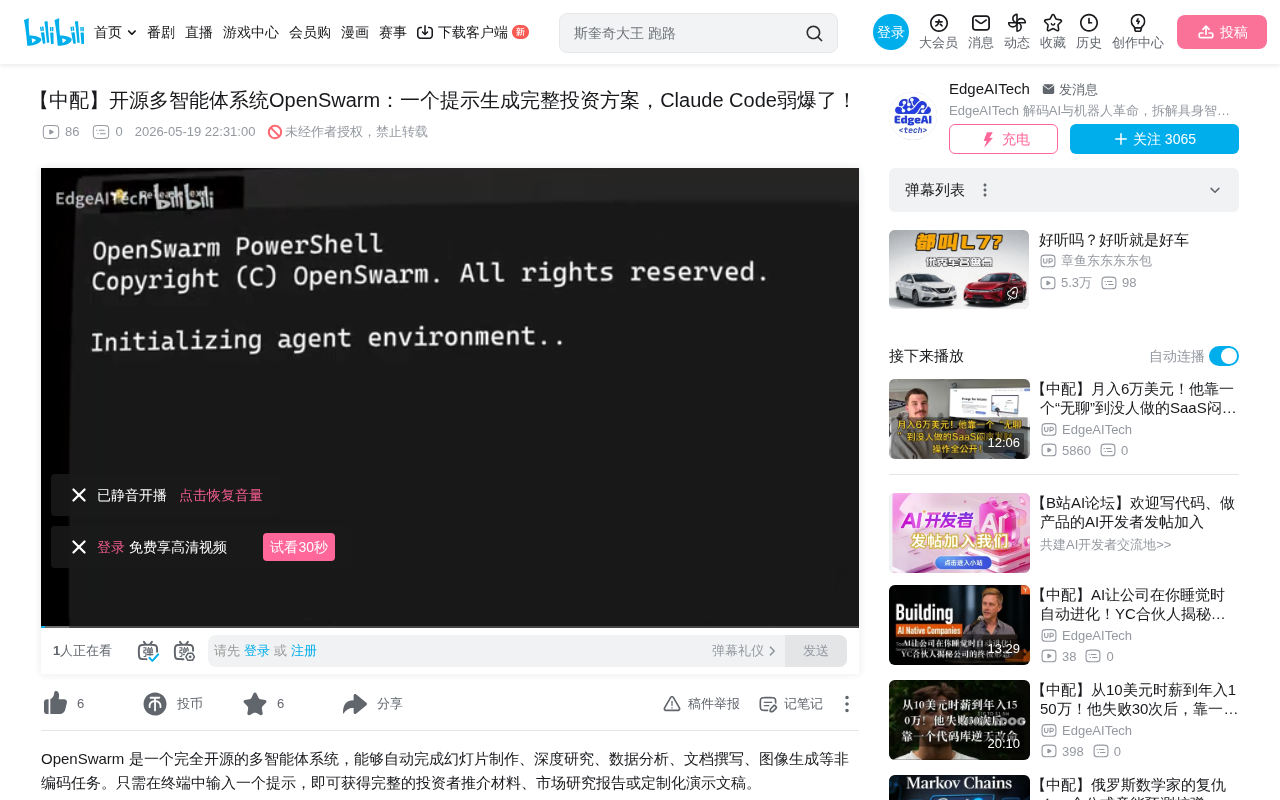
OpenSwarm Hands-On: Open-Source Multi-Agent System Generates Complete Investment Package from a Single Prompt
Deep dive into OpenSwarm, an open-source multi-agent system where 8 specialized agents collaborate to generate complete deliverables—research, charts, slides—from a single prompt.
Read more →
 Tutorials
·3 min
Hermes Orchestrating DeepSeek + MiniMax Dual-AI Collaborative Coding: A From-Scratch Project Test
Testing Hermes agent coordinating DeepSeek V4 and MiniMax 2.7 for collaborative coding: PDF export in 9 minutes, RSS service built from scratch in Nim language.
Read more →
 Product Reviews
·2 min
Deep Dive into SuiBian App: AI Roleplay Interactive Narrative Experience & Technical Breakdown
Deep analysis of SuiBian App's AI roleplay mechanics, from dialogue generation and character design to user experience, compared with Character.AI and similar products.
Read more →
 Tutorials
·3 min
Cursor 2.0 in Practice: Building a Complete App with Parallel Agent Development
Deep dive into Cursor 2.0's new features including Agent view, built-in browser debugging, parallel Agent development, and Composer 1 model through building a complete habit tracker app.
Read more →
 Product Reviews
·3 min
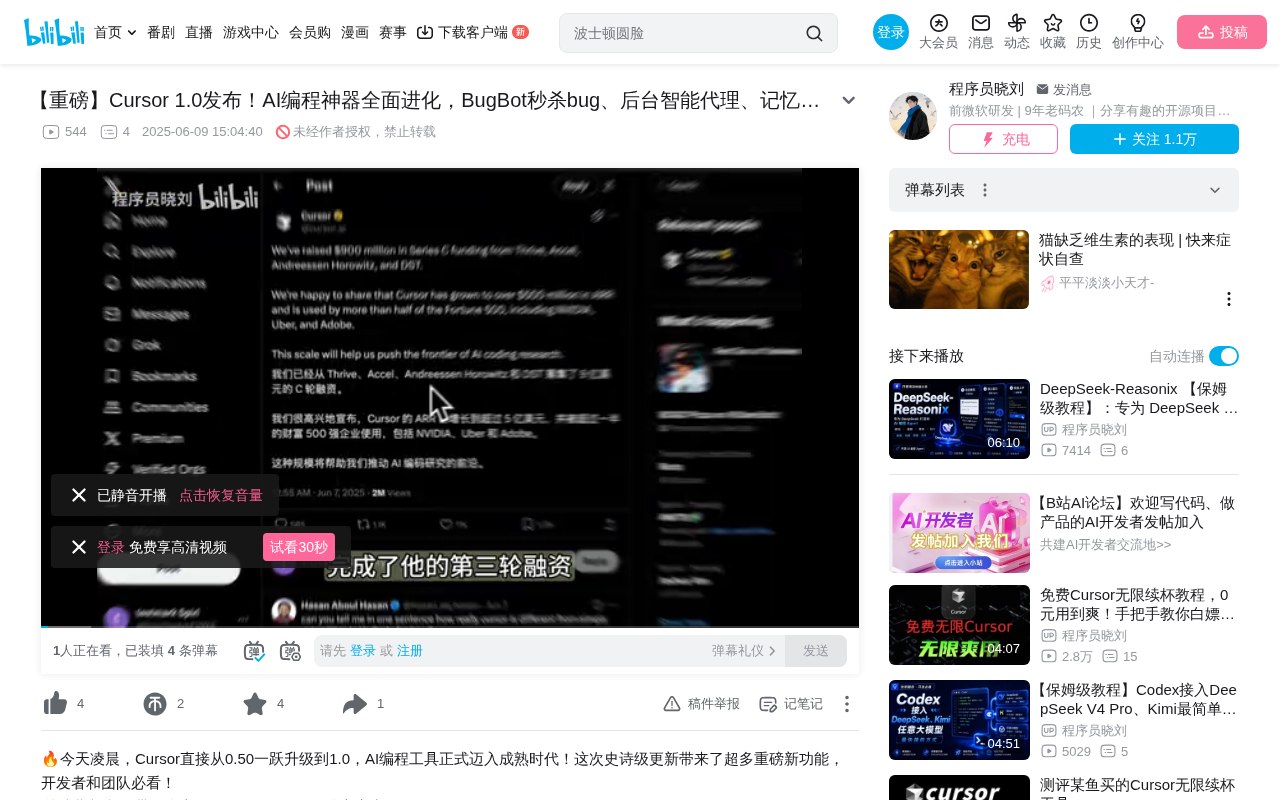
Cursor 1.0 Officially Released: A Complete Breakdown of Five Core Features
Cursor 1.0 officially released, jumping from 0.50 to 1.0. Detailed analysis of BugBot code review, Background Agent, preference memory, one-click MCP install, and Jupyter Notebook enhancement.
Read more →
 Product Reviews
·3 min
Cursor 1.0 Officially Released: Deep Dive into Six Core Features with Hands-On Testing
Deep dive into Cursor 1.0's six core features: Backboard PR review, Background Agent, Memories, One-Click MCP, Jupyter Support, and Rich Chat Response with hands-on testing results.
Read more →
 Tutorials
·3 min
OpenCode Getting Started Guide: Choosing Your Installation Method & Core Features Explained
A detailed guide to OpenCode's three installation methods (Desktop, CMD, WSL) and core features including Agent architecture, custom commands, MCP integration, and Agent Skills.
Read more →
 Tutorials
·3 min
VSCode + Claude Code + DeepSeek: Complete Guide to Setting Up an AI Programming Environment
Complete guide to setting up a VSCode + Claude Code + DeepSeek AI programming environment from scratch, covering Git installation, Claude Code configuration, CC Switch multi-model management, and VSCode plugin integration for embedded developers.
Read more →
 Tutorials
·3 min
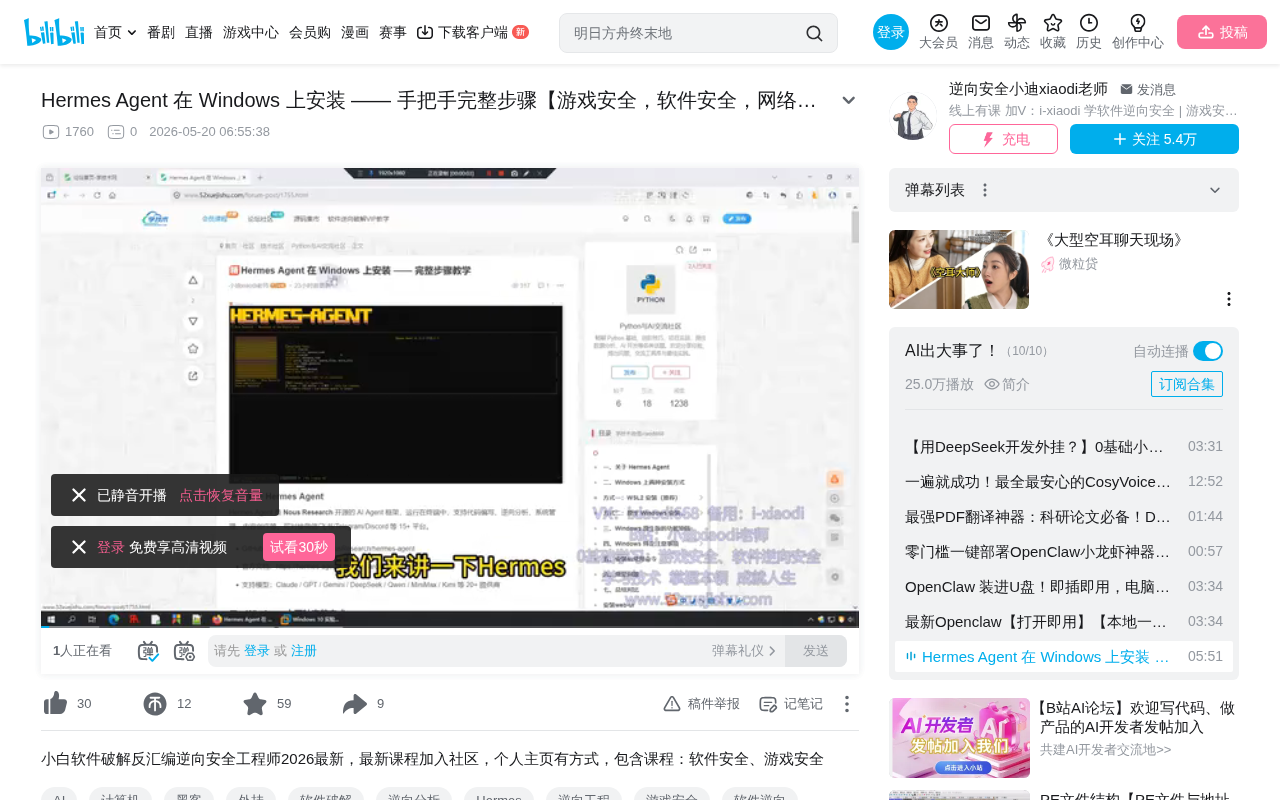
Complete Guide to Installing Hermes Agent on Windows: WSL Setup and Troubleshooting Common Issues
Complete guide to installing Hermes Agent on Windows, covering WSL setup, Ubuntu initialization, API configuration, Web UI installation, and solutions for DNS, virtualization, and other common issues.
Read more →
 Tutorials
·3 min
Building a $400K/Month App from Scratch with Claude Code
Complete guide to building a coin identification app with Claude Code, covering tech stack selection, AI integration, real-device testing, and App Store publishing, with CoinSnap's $500K/month business model analysis.
Read more →
 Tutorials
·3 min
Java Developers Transitioning to AI Engineers: New Interview Trends and Learning Roadmap
Deep analysis of interview trends for Java developers transitioning to AI engineers, covering LLM integration, RAG, Spring AI framework practice, with a complete learning roadmap.
Read more →
 Tutorials
·3 min
AnythingLLM Installation & Configuration Guide: Building a Local Knowledge Base with API Integration
Complete guide to AnythingLLM local knowledge base setup: installation tips, Ollama model configuration, document vectorization, recall optimization, and API integration.
Read more →
 Product Reviews
·3 min
Hands-On with Replit Agent 4: Multi-Agent Parallel Execution + Canvas Design + One-Click Deployment Full Workflow
Hands-on review of Replit Agent 4: multi-Agent parallel execution, Canvas design, task-level review and merge, and one-click deploy. Full walkthrough building a restaurant landing page for $8.55.
Read more →
 Tutorials
·3 min
Learn AI Agents in 30 Days: A Four-Stage Learning Roadmap from Zero to Production
A systematic breakdown of the AI Agent learning roadmap covering core architecture, ReAct/CoT paradigms, multi-agent collaboration, and Prompt optimization across four stages with quality resource recommendations.
Read more →