#Pull Request
115 related articles
·3 min
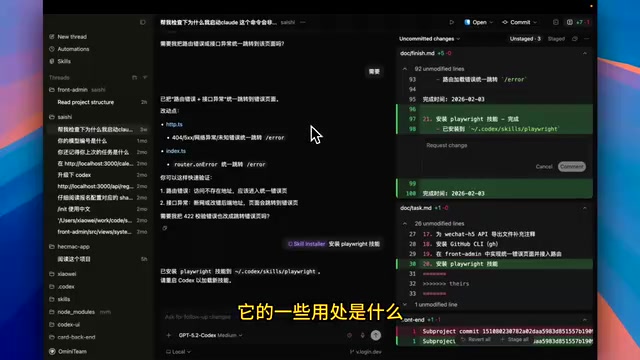
OpenAI Codex App In-Depth Review: Streets Parallel Development and Five Core Features Explained
In-depth review of OpenAI Codex App's five core features: Streets parallel development, deep Git integration, Skills system, Automation tasks, and MCP support.
Read more →

·3 min
Claude Code + Codex: The Best Practice of One-Writes-One-Reviews AI Programming
A detailed guide on using Claude Code for writing and Codex for reviewing in AI programming. Includes a five-step closed-loop workflow and cross-validation techniques.
Read more →
·3 min
Claude Code Tutorial: Complete Guide to Installation, Configuration, and Connecting Chinese LLMs
Complete guide to installing Claude Code, connecting Chinese LLMs like DeepSeek, and practical usage tips. Covers three usage modes, hands-on examples, and advanced techniques.
Read more →
·2 min
Andrew Ng Partners with Google to Launch Gemini CLI Course: A Practical Guide to AI-Powered Coding
Andrew Ng partners with Google on a Gemini CLI course covering installation, MCP protocol integration, automated workflows, and agentic coding best practices for AI-assisted development.
Read more →

·2 min
Claude Code Complete Tutorial: Best Practices from Architecture to Parallel Development
DeepLearning.ai and Anthropic's joint Claude Code course covers architecture, parallel development, and MCP server integration. From RAG chatbots to Figma-to-code workflows, master AI coding assistant best practices.
Read more →

·2 min
Claude Code Cookbook: 39 Commands to Fully Automate Your PR Workflow
Deep dive into Claude Code Cookbook: 39 slash commands covering PR automation, code refactoring, and tech debt management to multiply your Code Review efficiency.
Read more →
·2 min
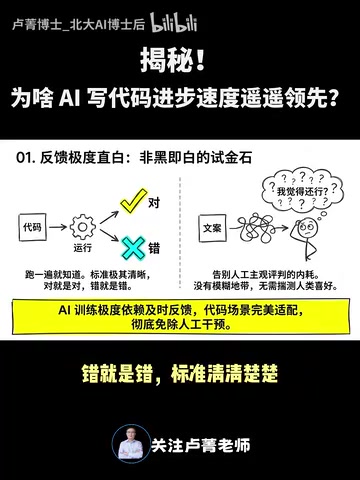
Why Is AI Progressing Fastest in Coding? A Deep Dive into Four Structural Advantages
AI coding advances faster than writing or image generation due to four structural advantages: instant feedback, GitHub's natural high-quality data, unified quantifiable standards, and perfect fit for reinforcement learning.
Read more →
·2 min
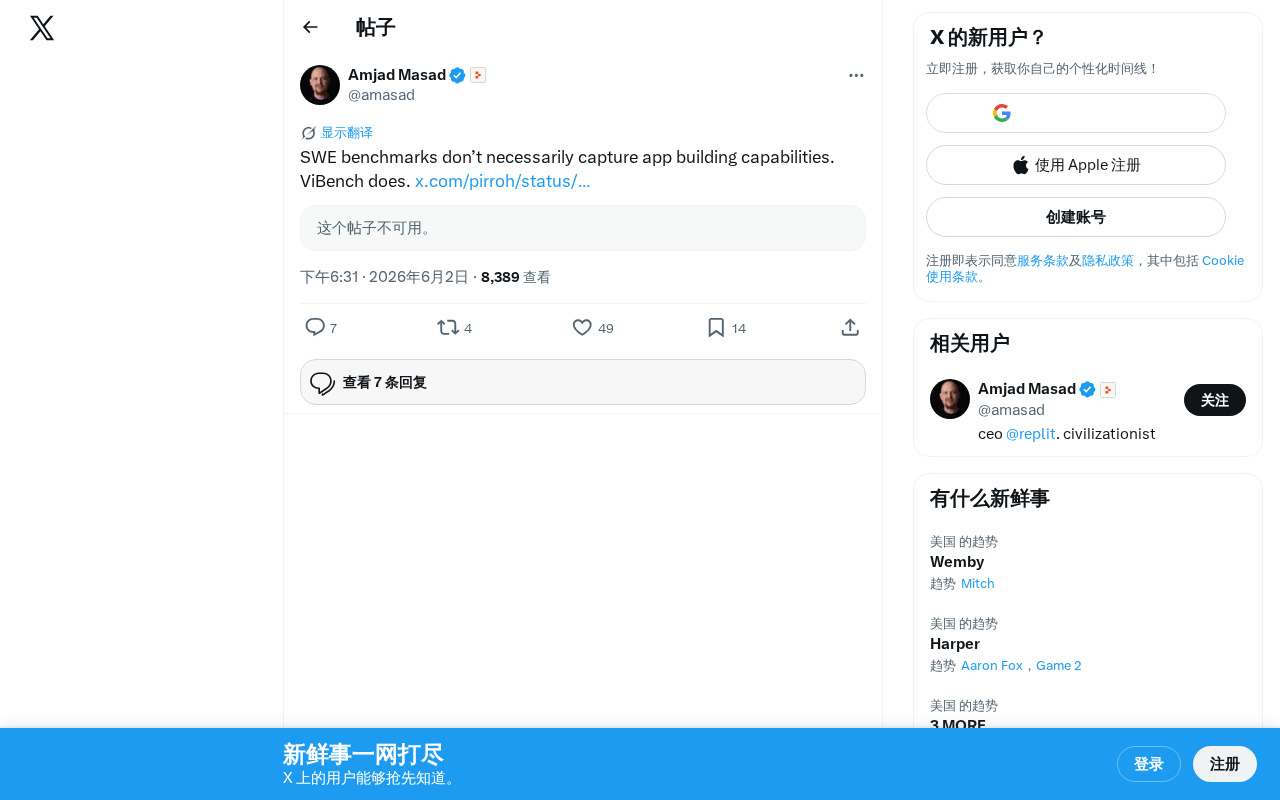
ViBench: A Benchmark Designed Specifically for Evaluating AI Application Building Capabilities
Deep dive into ViBench, a benchmark addressing SWE-bench's gaps in evaluating AI application building through end-to-end generation, visual quality, and functional completeness.
Read more →
·2 min
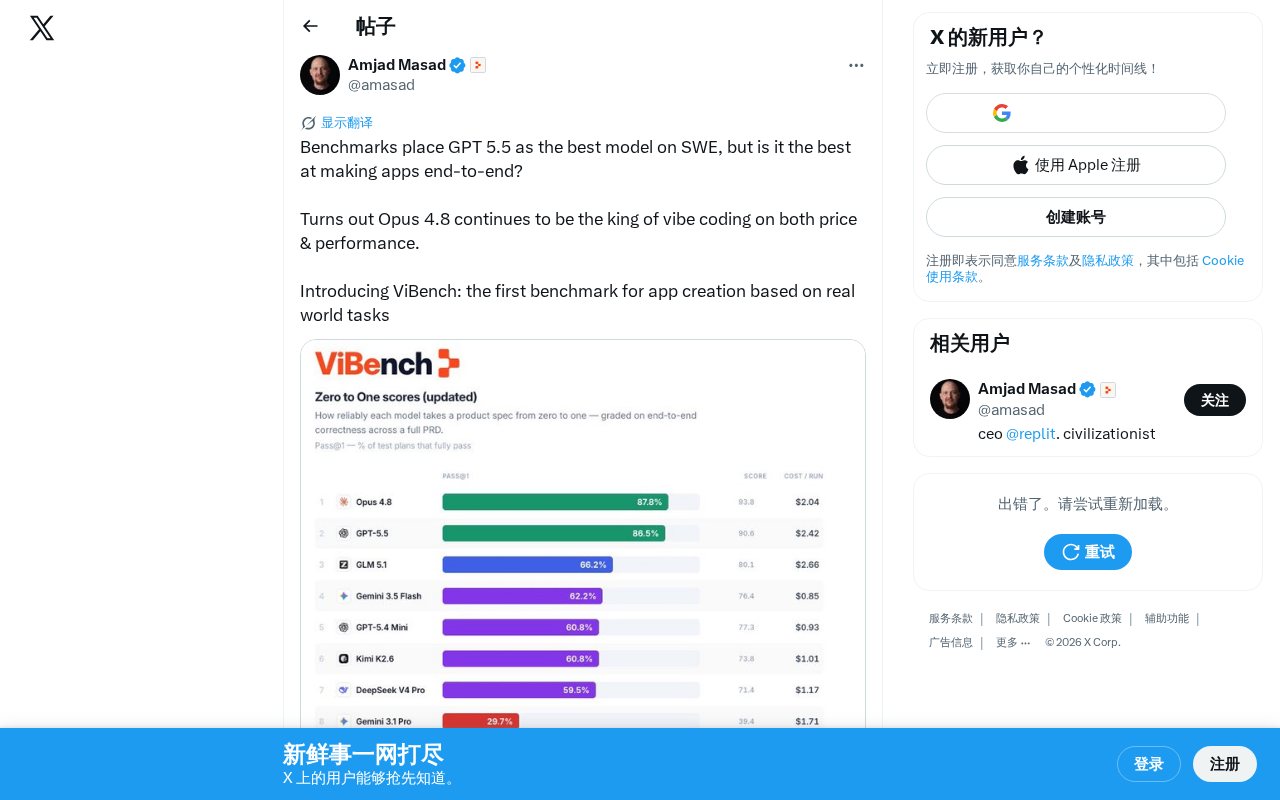
ViBench Benchmark: End-to-End App Creation Evaluation Reveals the True Level of AI Programming
ViBench is the first end-to-end app creation benchmark based on real-world tasks. Results show Claude Opus 4.8 leads in performance and cost-effectiveness, revealing gaps between SWE-bench scores and actual development capability.
Read more →
·2 min
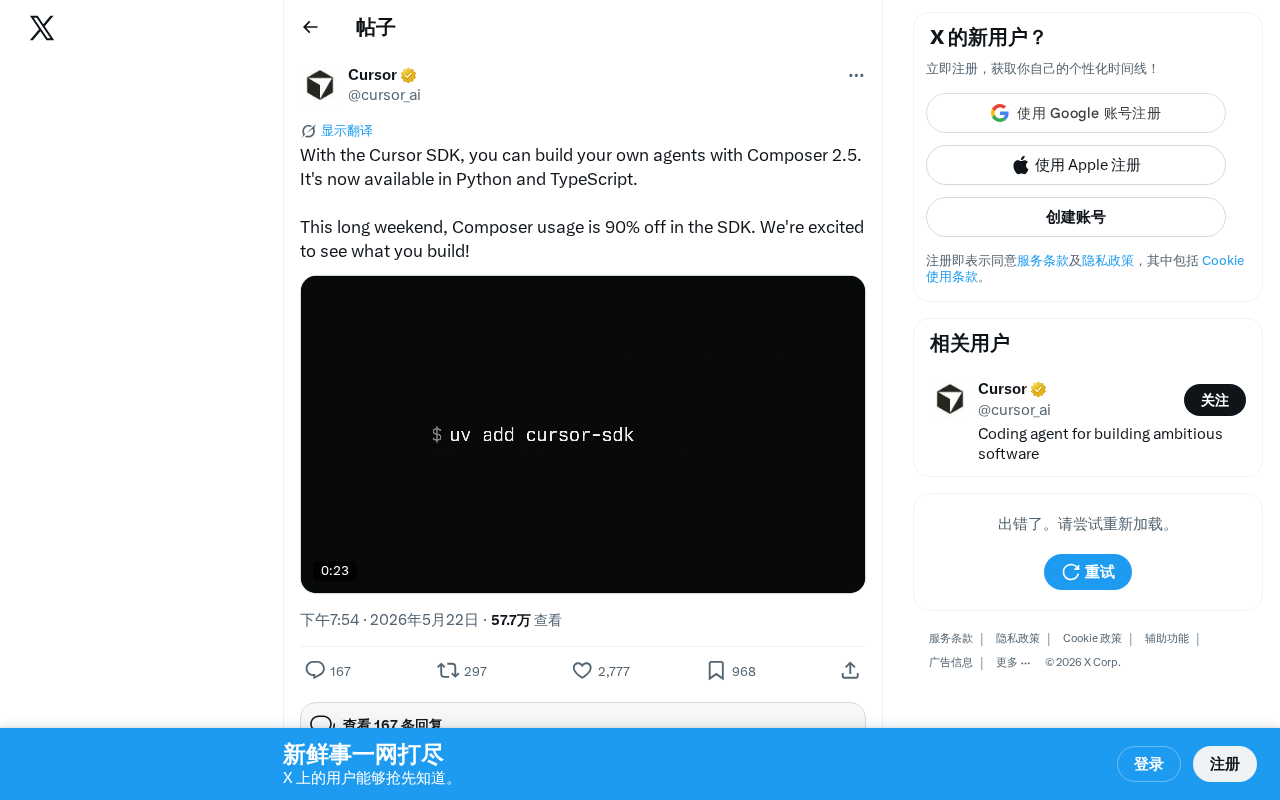
Cursor Releases Official SDK: Build Custom AI Agents with Python and TypeScript Based on Composer 2.5
Cursor officially releases its SDK supporting Python and TypeScript, letting developers build custom AI Agents on Composer 2.5. Explore core capabilities, use cases, and a limited 90% discount.
Read more →
·2 min
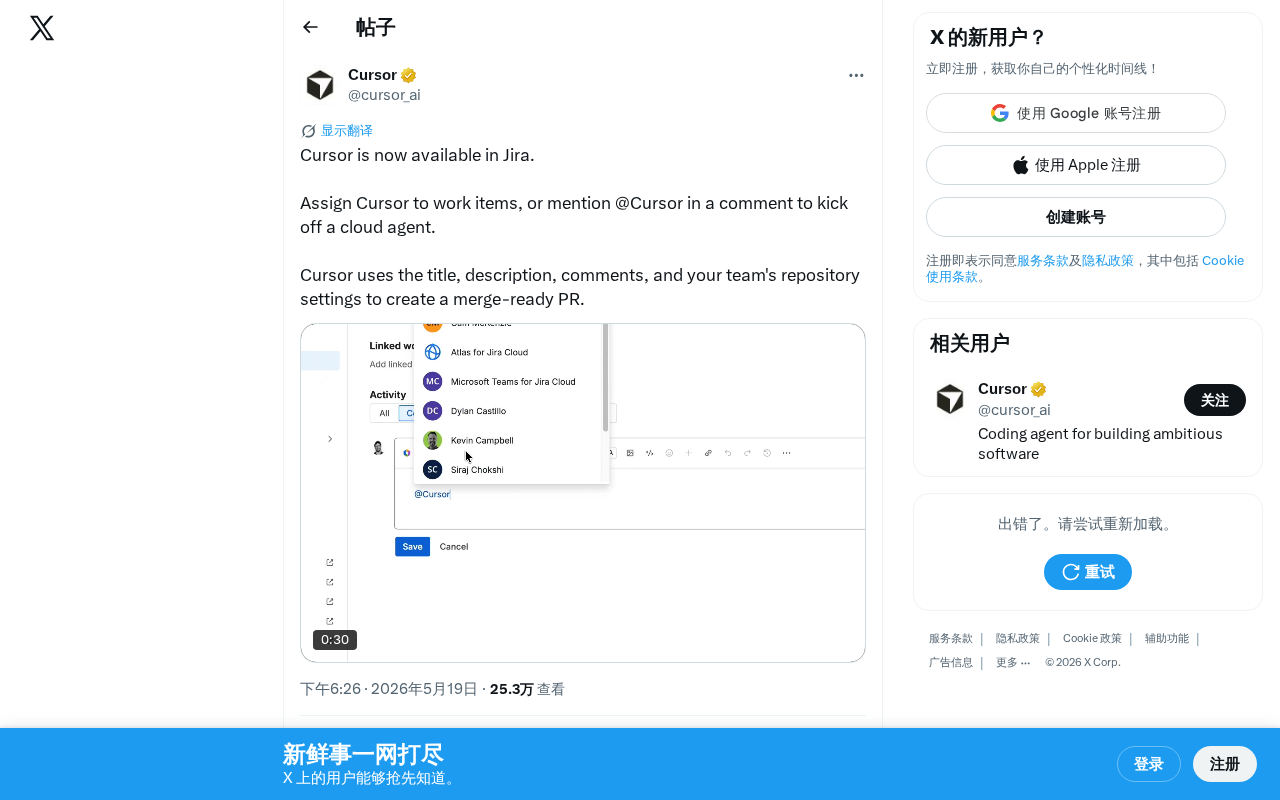
Cursor Integrates with Jira: How an AI Coding Assistant Becomes an Autonomous Development Agent
Cursor officially integrates with Atlassian Jira, enabling developers to assign tickets to AI that autonomously handles requirements, coding, and PR submission. Analysis of workflow, industry trends, and team impact.
Read more →
·4 min
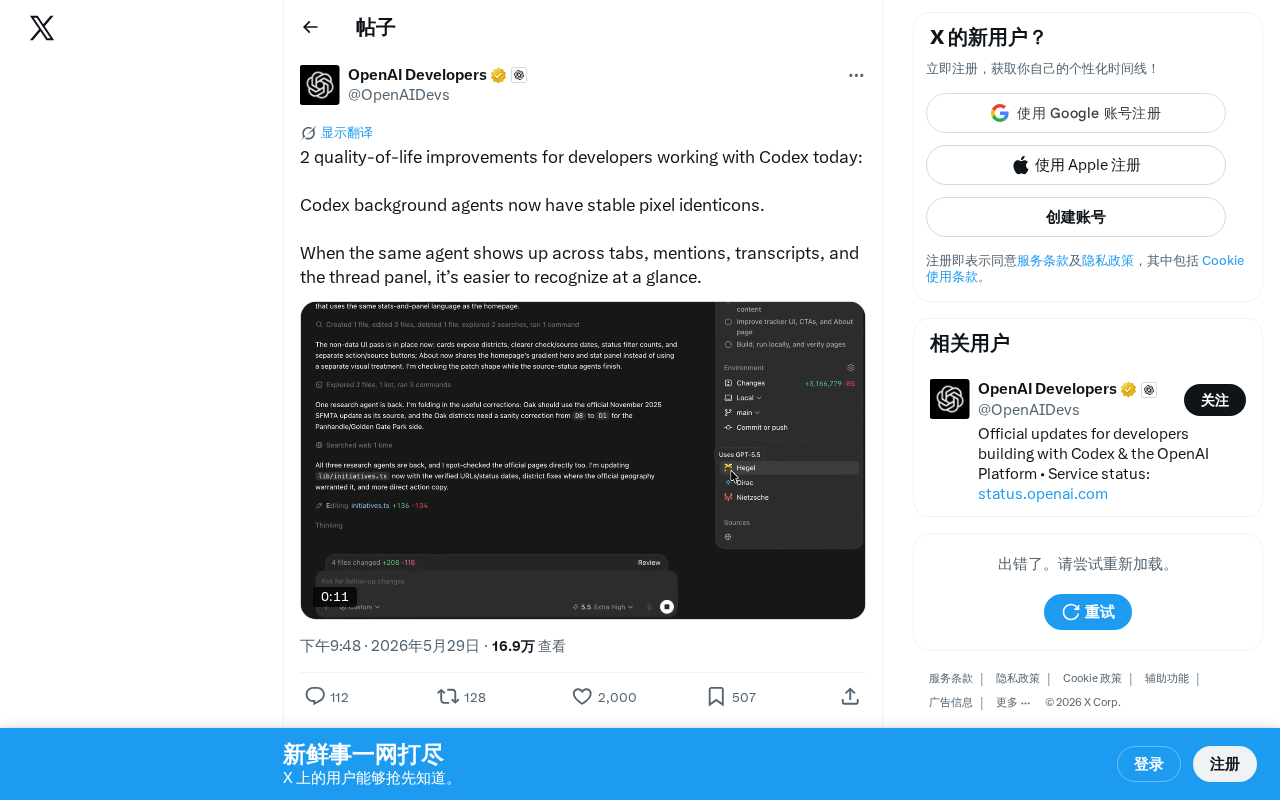
OpenAI Codex Pixel Identicons: A Visual Identification Solution for Multi-Agent Collaboration
OpenAI introduces Pixel Identicons for Codex background agents, using stable visual identifiers to solve multi-agent recognition challenges and reduce cognitive load in AI programming workflows.
Read more →
·3 min
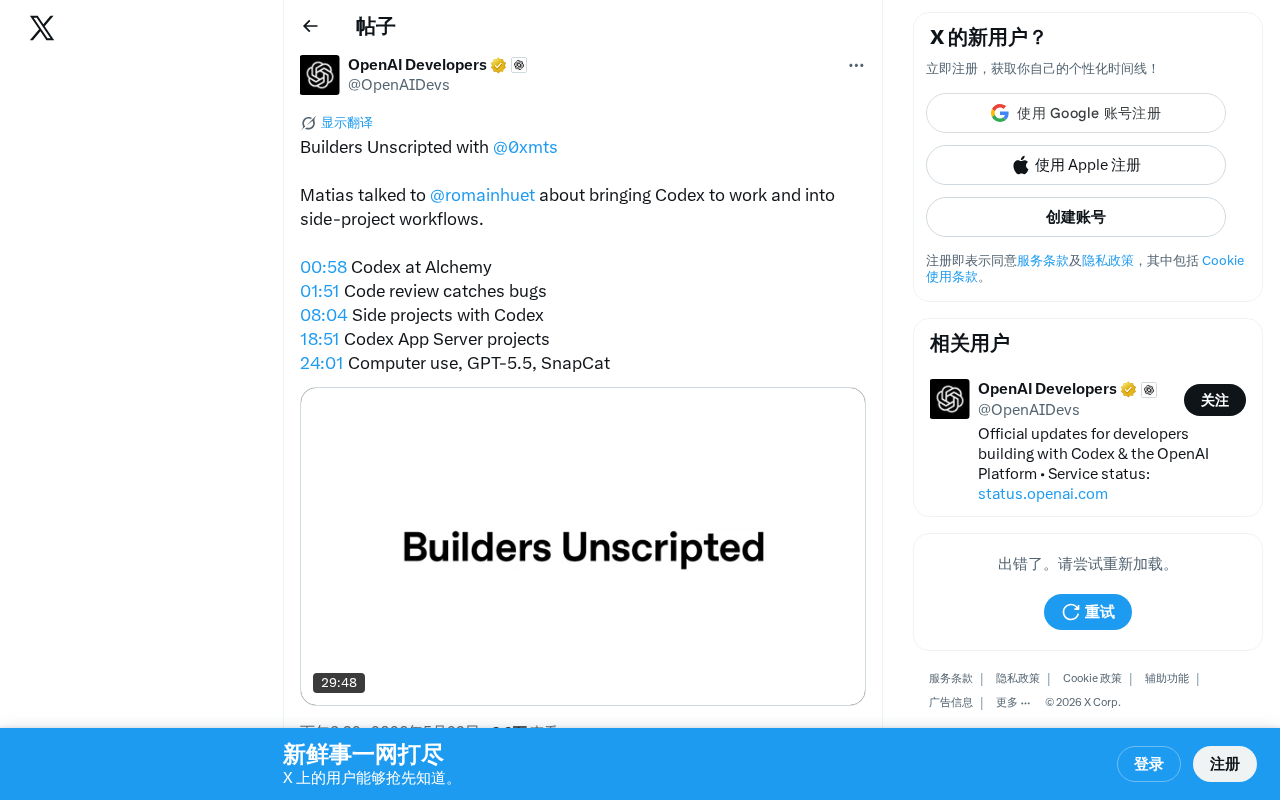
Codex in Practice: A Detailed Guide to AI Programming Workflows for Enterprise Code Review and Personal Projects
Explore how OpenAI Codex is used in enterprise code review at Alchemy and personal side projects, with insights on AI-assisted workflows, GPT-5.5, and Computer Use.
Read more →

·2 min
What Is Claude Marketplace? A Deep Dive into Anthropic's Five New Partners
Anthropic launches Claude Marketplace with five new partners: Augment Code, Bolt.new, CodeRabbit AI, Hebbia, and Legora. Learn how it works and what it means for enterprises.
Read more →
 Product Reviews
·2 min
Cursor Cloud Agent Demo: Eliminating Bottlenecks Across the Entire Software Development Lifecycle
Deep analysis of Cursor's Cloud Agent demo showing how cloud VMs, automated test artifacts, and a full-chain control plane systematically eliminate human bottlenecks across the software development lifecycle.
Read more →
 Industry Insights
·2 min
OpenAI Codex Tutorials Mass-Copied on Bilibili, Highlighting AI Content Farm Problem
At least 9 Bilibili accounts mass-published identical OpenAI Codex tutorial videos, exposing content farm operations in the AI tools space.
Read more →
 Tutorials
·2 min
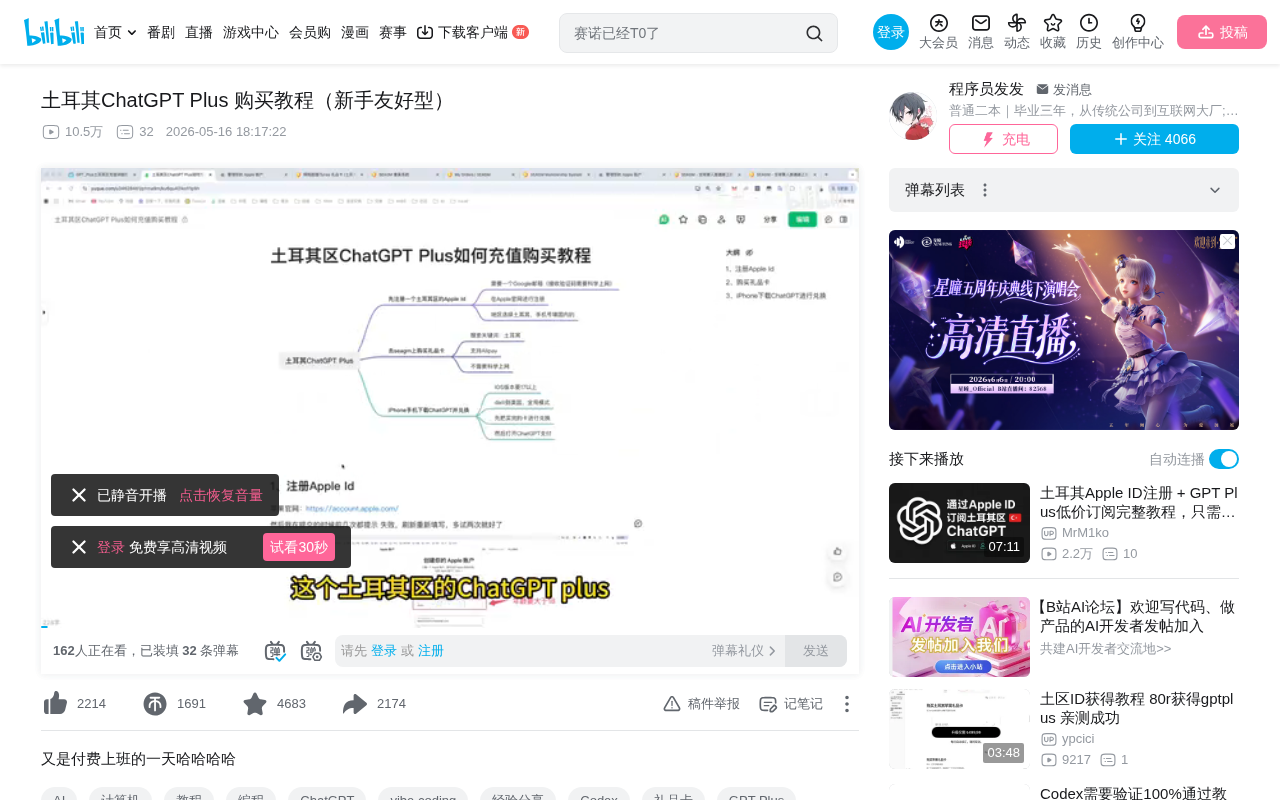
ChatGPT Plus Subscription via Turkey: Save Nearly 50% at ~$11/Month
Subscribe to ChatGPT Plus via a Turkish Apple ID for just ~$11/month — nearly 40% off the official $20 price. Full guide covering Apple ID registration, gift cards, and iPhone redemption.
Read more →
 Tutorials
·3 min
Andrew Ng Recommends Claude Code: From Getting Started to Figma-to-Web App in Practice
Andrew Ng and Anthropic launch a Claude Code course covering RAG chatbots, data analysis, and Figma-to-web apps, with MCP server integration and parallel session best practices.
Read more →
 Tutorials
·2 min
OpenSpec in Practice: Write Specs Before AI Codes, Boost Efficiency by 70%
OpenSpec is a lightweight CLI tool that generates spec documents before AI writes code using a Propose→Continue→Apply→Archive workflow. DeltaSpec reduces output by 70%, supports 30+ AI coding tools.
Read more →
 Product Reviews
·3 min
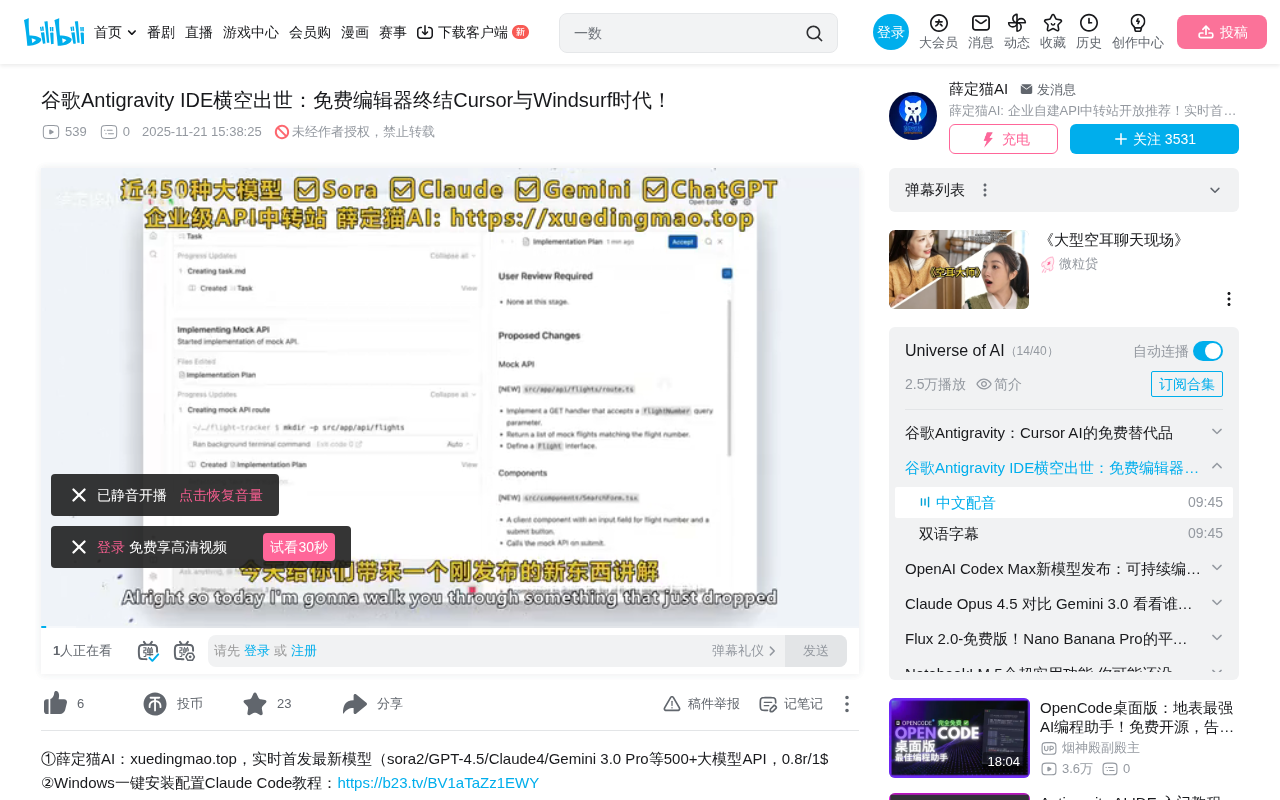
Google Antigravity IDE Deep Dive: Can This Free AI Coding Tool Replace Cursor?
Deep dive into Google's Antigravity IDE: analyzing this free AI coding tool built by the Windsurf team, its agent-first development mode, real-world performance, and full comparison with Cursor.
Read more →