#agent engineer
27 related articles
·3 min
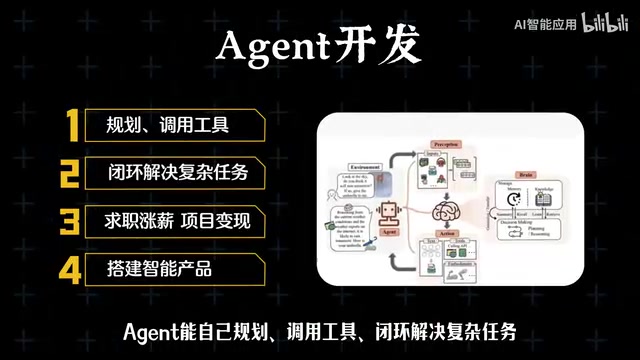
AI Agent Development Learning Roadmap: A Four-Stage Guide from Zero to Production
A systematic AI Agent development roadmap covering core concepts, ReAct paradigm principles, multi-agent collaboration, and hands-on projects across four stages to master agent development in 2-3 months.
Read more →
·4 min
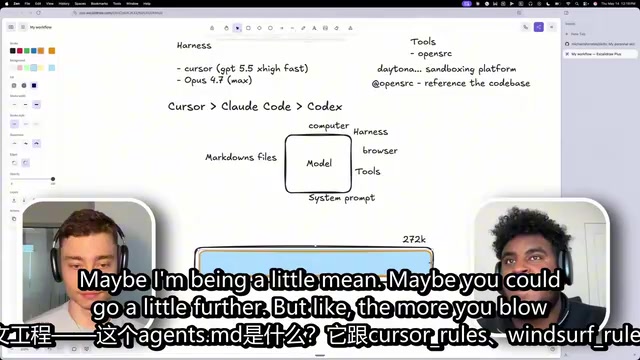
The Complete AI Agent Engineering Tech Stack: A Practical Guide to 100x Development Efficiency
Deep dive into the AI agent engineering stack: from Cursor framework, model selection to context engineering and automated review loops — a complete workflow guide to achieving 100x development efficiency.
Read more →

·4 min
AI Agent in Practice: Building a Commercial-Grade Programming Agent from Scratch
A deep dive into AI Agent development, from the core principles of perception-decision-action to a Vue3 auto-creation demo, covering LangChain, LangGraph, MCP, and the full tech stack.
Read more →
·4 min
OpenAI Engineer's Practice: Agent-Driven Development Methodology in the Era of Free Code
OpenAI engineer Ryan Lopopolo shares 9 months of pure AI agent coding practice, revealing core methodologies including prompt engineering, automated code review, and skill design in the new paradigm where code is free.
Read more →
·2 min
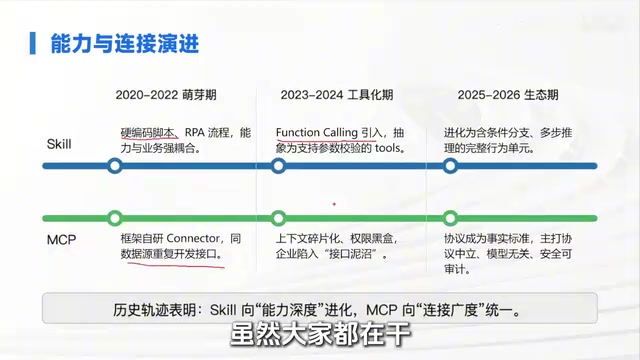
Skill and MCP: The Two Pillars of Agent Engineering Architecture
Deep dive into how Skill and MCP work together in Agent engineering. Skill handles business logic; MCP provides standardized connections. Together they form the core of modern Agent architecture.
Read more →
·2 min
Skill and MCP: The Two Pillars of Agent Engineering Architecture
Deep dive into how Skill and MCP collaborate in Agent engineering. Skills handle business logic loops while MCP provides standardized connectivity, forming the core of modern four-layer Agent architecture.
Read more →
·2 min
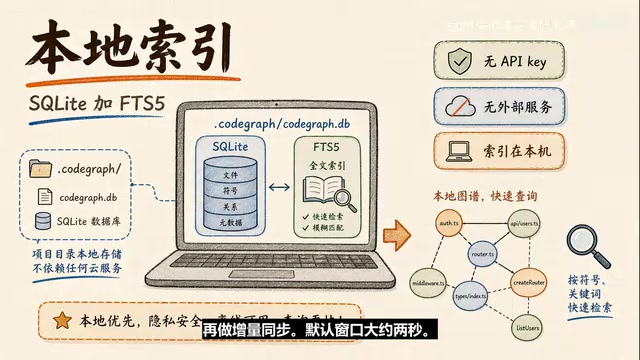
CodeGraph: Give Your Coding Agent a Code Map, Save 47% Tokens
CodeGraph is an open-source project with ~40K GitHub stars that uses Tree-sitter to build a local queryable code map, helping Claude Code and Cursor reduce 47% token usage and 58% tool calls.
Read more →
·3 min
Cursor vs Codex In-Depth Comparison: Where Should You Spend Your $200?
In-depth comparison of Cursor and Codex AI programming tools — their strengths, ideal use cases, and cost differences. Find out where your $200 is best spent.
Read more →

·3 min
A Practical Guide for Agent Engineers: The Three-Phase Core Methodology for AI Programming
Master the three-phase methodology for Agent engineers: Ideation, Iteration, and Evolution. Build reliable AI programming systems without over-engineering.
Read more →

·4 min
Five Common Misconceptions in AI Agent Development: An Essential Guide Before You Start
Debunking 5 common AI Agent development misconceptions: Agents aren't smarter ChatGPTs, complexity doesn't equal power, and RAG can't cure hallucinations. Learn the right approach to building Agents.
Read more →
 Tutorials
·3 min
MCP vs CLI: 40x Token Cost Difference — How AI Engineers Should Choose
In-depth comparison of MCP vs CLI architecture, Token costs (CLI ~1400 vs MCP ~54600), security mechanisms, and use cases with practical selection guidance for AI engineers.
Read more →
 Tutorials
·2 min
LangChain 1.0 Complete Guide: Architecture, Core Modules, and Learning Path
Deep dive into LangChain 1.0's three-layer architecture (LangChain, LangGraph, Deep Agents), core components like Models, Tools, and Memory, plus a complete learning path from semantic search to multi-agent collaboration.
Read more →
 Tutorials
·3 min
Zero2Agent: An Open-Source Job Interview Prep Tutorial for Agent Engineer Positions at Top Tech Companies
Zero2Agent is an open-source interview prep tutorial covering Agent fundamentals, LangGraph/Claude Code analysis, interview question banks, and coding practice tools for landing Agent engineer roles at top tech companies.
Read more →
 Industry Insights
·2 min
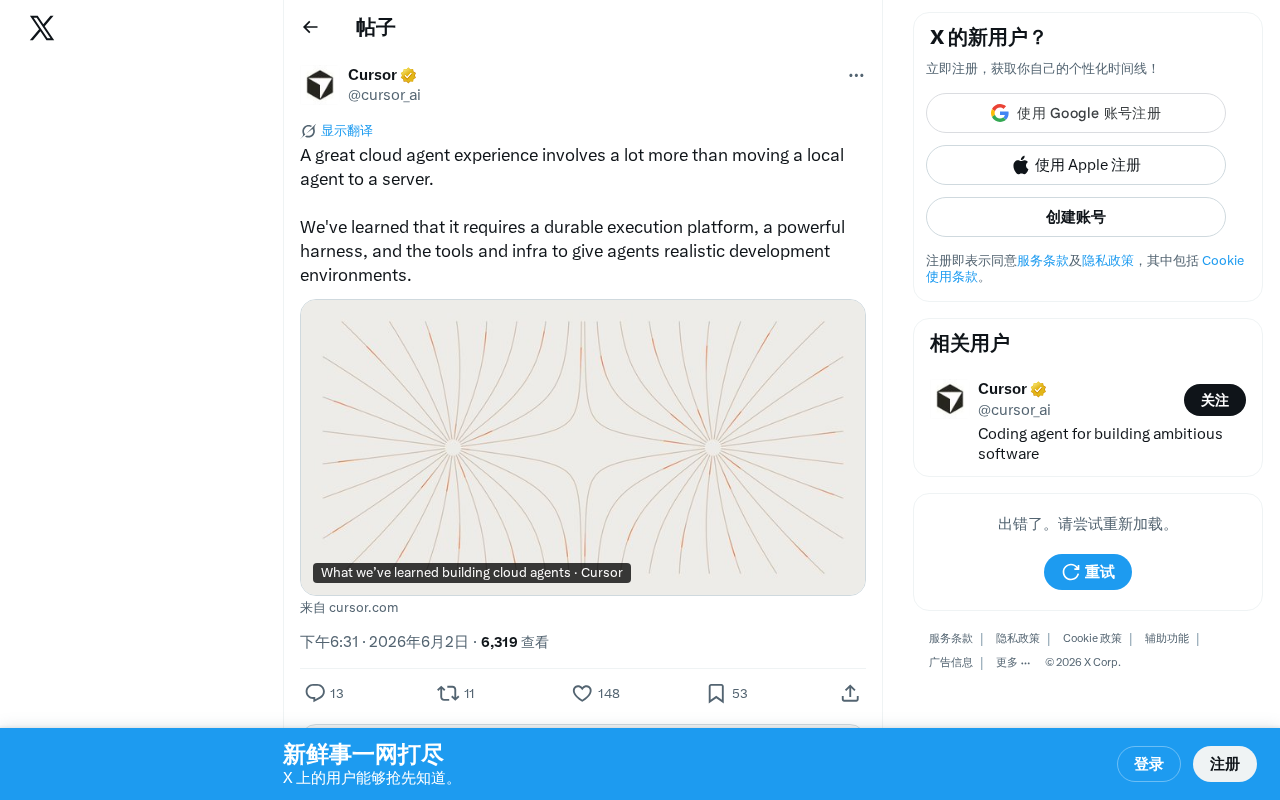
Cloud AI Agent Architecture Design: Far More Than Moving Local Agents to a Server
Building cloud AI Agents requires entirely new architectural thinking. This article analyzes three core infrastructure components—durable execution platforms, execution frameworks, and dev environment tools—to help teams avoid common pitfalls when migrating from local to cloud.
Read more →
 Research
·4 min
Deep Dive into Claude Code's Open-Source Architecture: The Design Philosophy Behind 510,000 Lines of Code
Deep analysis of Claude Code's open-source architecture: dual-loop design, 7-step tool pipeline, 4-layer token compression, memory systems, and multi-agent collaboration patterns.
Read more →
 Industry Insights
·4 min
Deep Dive into Claude Code's Open-Source Architecture: Six Core Design Principles and Engineering Practices Revealed
Deep analysis of Claude Code's open-source architecture: six core design principles including dual-loop mechanism, seven-step tool pipeline, four-layer token compression, multi-agent collaboration, and memory systems.
Read more →
 Expert Opinions
·3 min
The Salary Ceiling for Agent Engineers: Two Critical Dividing Lines
Agent engineer salary gaps hinge on two dividing lines: real production deployment experience and depth of foundational theory including deep learning, fine-tuning, and reinforcement learning.
Read more →
 Industry Insights
·2 min
Two Major Career Paths in AI Large Language Models: Engineering Implementation vs. Algorithm Research
In-depth analysis of two core AI LLM career paths: engineering implementation vs. algorithm research. Compare education requirements, skills, and job prospects for programmers transitioning to AI.
Read more →
Industry Insights
US vs. China AI Computer Control Diver…
·3 min
US vs. China AI Computer Control Divergence: Why Programming Tools Still Haven't Integrated GUI Agents
AI computer control success rates surpass humans, yet Cursor and Copilot still lack GUI Agent integration. Deep analysis of US product packaging vs. China's open-source ecosystem, plus three bottlenecks blocking the path to autonomous software engineers.
Read more →
 Product Reviews
·3 min
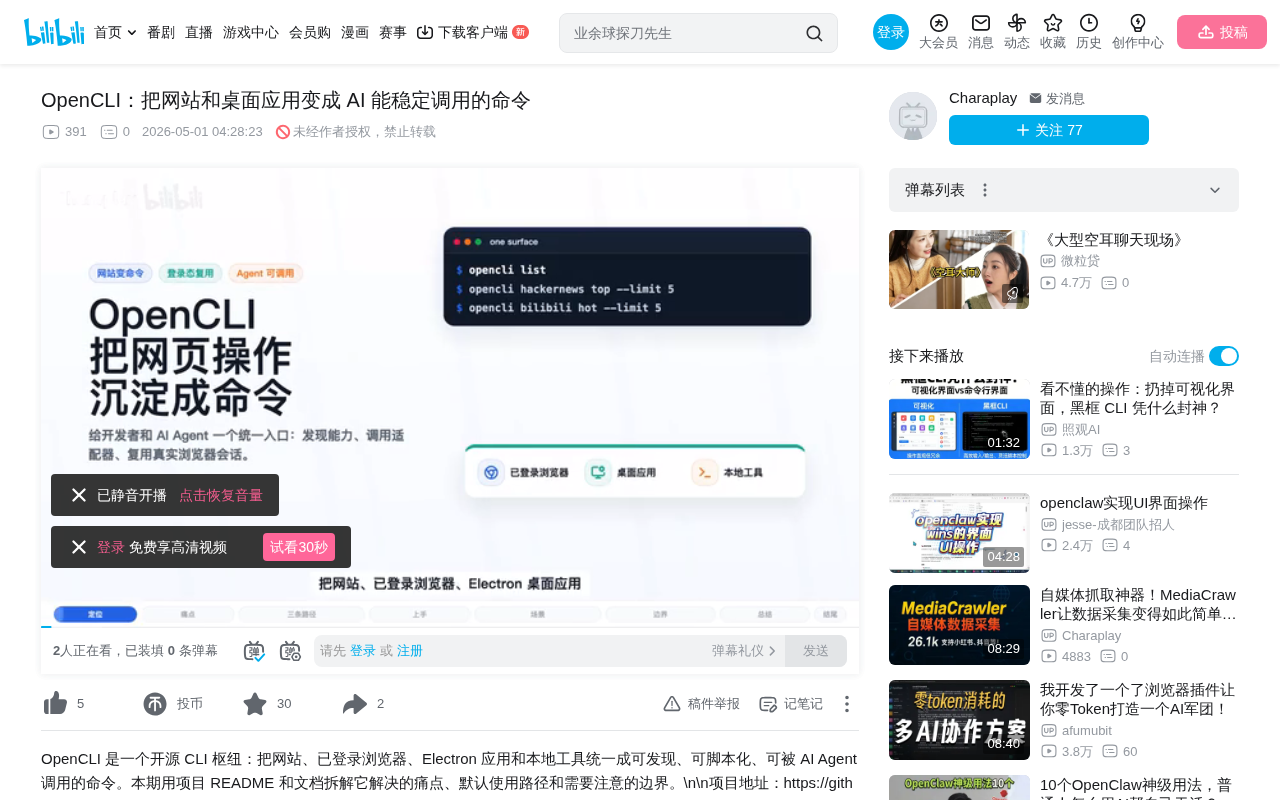
OpenCLI: Wrapping Websites and Desktop Apps into Reusable CLI Commands for AI
OpenCLI is an open-source tool that wraps websites and desktop apps into reusable CLI commands for AI Agents. With 90+ built-in adapters, browser login state reuse, and auto-generated adapters.
Read more →