#large language model
969 related articles
 Tutorials
·3 min
MCP Protocol Explained: The New Agent Communication Standard Replacing Function Calling
Deep dive into MCP (Model Context Protocol): its core concepts, three communication mechanisms, and ecosystem. Learn how MCP replaces Function Calling with Streamable HTTP and SDK 2.0.
Read more →
 Tutorials
·3 min
Open-Source Multi-Agent Intelligent Diagnostic System: Deep Dive into MCP + RAG + Skill Routing Architecture
Deep dive into an open-source multi-Agent diagnostic system built on modified OneCall, featuring MCP real-time interaction, RAG-enhanced Q&A, and Skill routing to minimize Token consumption.
Read more →
 Tutorials
·2 min
LangGraph vs LangChain: How to Choose Your Agent Development Framework
In-depth comparison of LangGraph vs LangChain: controllability, extensibility, and FastAPI-powered performance. Covers storage, enterprise private deployment, and migration guidance for agent developers.
Read more →
 Industry Insights
·2 min
NVIDIA Dynamo Snapshot: A Snapshot Recovery Solution for GPU Inference Cold Start Problems
Deep dive into how NVIDIA Dynamo Snapshot reduces LLM inference cold start time from minutes to seconds via GPU state snapshot and recovery, covering Kubernetes integration and elastic inference.
Read more →
 Tech Frontiers
·2 min
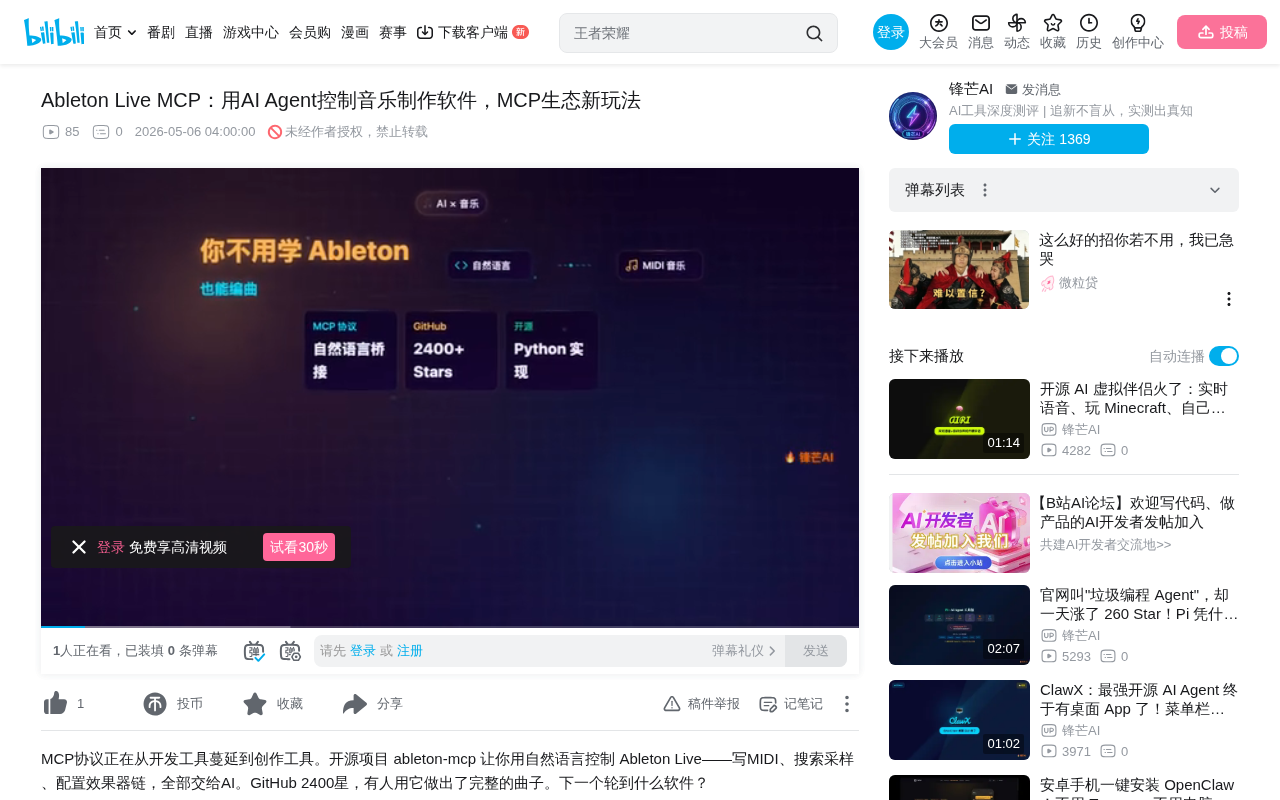
Ableton MCP: A New AI Paradigm for Controlling Music Production with Natural Language
Ableton MCP is an open-source project that lets AI Agents control Ableton Live via MCP protocol, enabling natural language MIDI generation, intelligent sound search, and automated mixing.
Read more →
 Product Reviews
·2 min
MemPalace: An Open-Source Tool That Gives AI Agents Local Long-Term Memory
MemPalace is an open-source local memory tool that builds long-term memory for AI Agents via verbatim storage, semantic retrieval, and MCP protocol, solving the pain of starting from scratch every session.
Read more →
 Tutorials
·3 min
Getting Started with Spring AI: How Java Developers Can Integrate Large Language Models
Spring AI is the LangChain for Java, helping Java developers integrate LLMs using Spring Boot conventions. This guide covers its 6 core features, setup requirements, and enterprise positioning including RAG, Tool Calling, and Chat Memory.
Read more →
 Product Reviews
·3 min
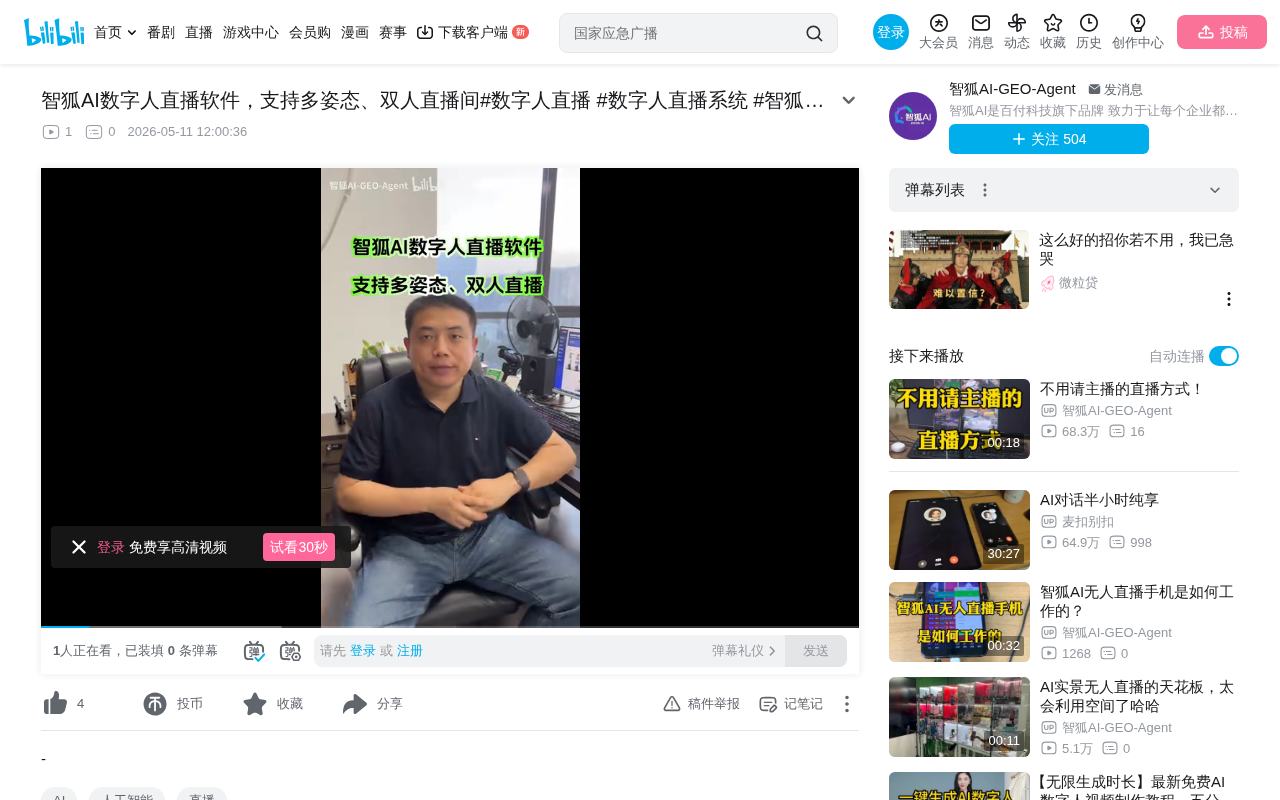
ZhiHu AI Digital Human Live Streaming Review: Dual-Person Co-Frame and Full-Posture Features Tested
In-depth review of ZhiHu AI's digital human streaming software: dual co-frame streaming, full-posture multi-scene support, timed host switching, smart script rewriting across 14 platforms with OEM options.
Read more →
 Industry Insights
·2 min
Enterprise Agent Implementation Guide: From Digital Foundations to Intelligent Transformation
How can enterprises truly implement AI Agents? This guide covers digital foundations, AI strategy, building logic shifts, and implementation paths for successful Agent deployment.
Read more →
 Deep Dives
·3 min
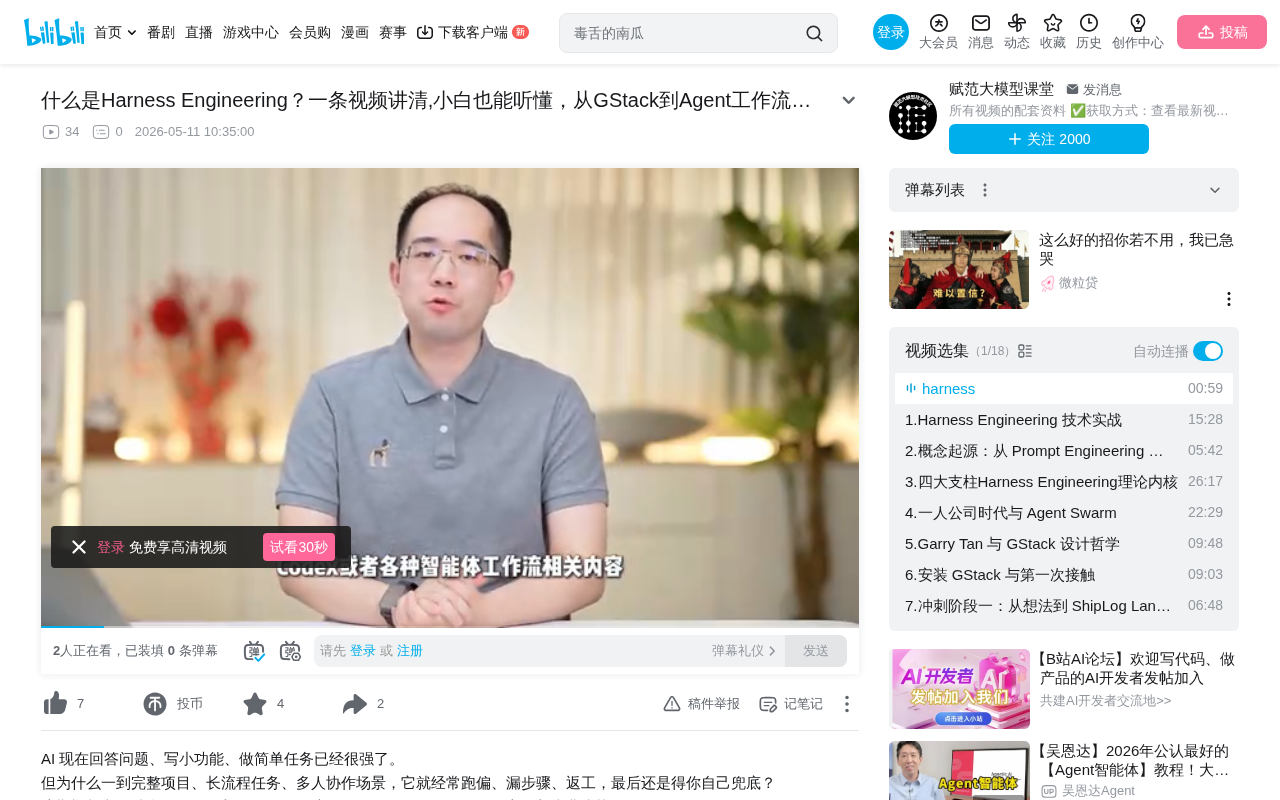
Harness Engineering Explained: Building Stable and Efficient Work Systems for AI
Deep dive into Harness Engineering: how to build execution environments, toolchains, and feedback loops for AI. From Prompt Engineering to system-level engineering for stable AI production.
Read more →
 Tutorials
·3 min
Claude Code Beginner's Guide: Installation, Cost-Saving Solutions & Source Code Architecture Analysis
Claude Code beginner tutorial covering installation, common issues, low-cost alternatives for budget users, and deep analysis of 8 Agent design patterns revealed by the 510K-line source code leak.
Read more →
 Tutorials
·3 min
From Programmer to Agent Developer: A Detailed Four-Stage Learning Roadmap
A systematic four-stage learning roadmap for programmers transitioning to AI Agent development, covering core theory, ReAct and classic paradigms, Prompt engineering, and hands-on projects.
Read more →
 Tech Frontiers
·2 min
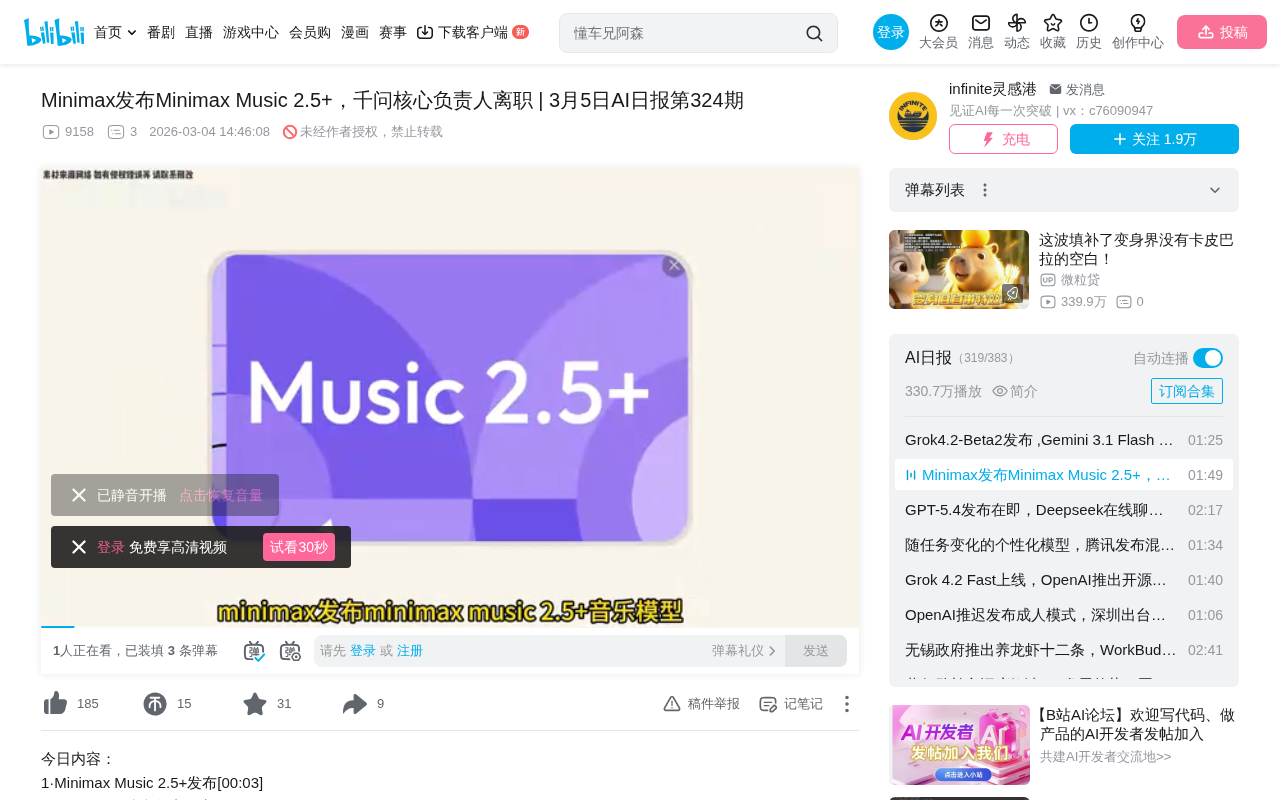
Qwen Core Team Turmoil, OpenAI and Google Release New Models in Rapid Succession | AI Daily
Multiple core leaders depart Alibaba's Qwen team amid metric disputes. Same day: MiniMax Music 2.5+, OpenAI GPT 5.3 Instant, Google Gemini 3.1 Flashlight, and Seedance 2.0 pricing announced.
Read more →
 Tech Frontiers
·2 min
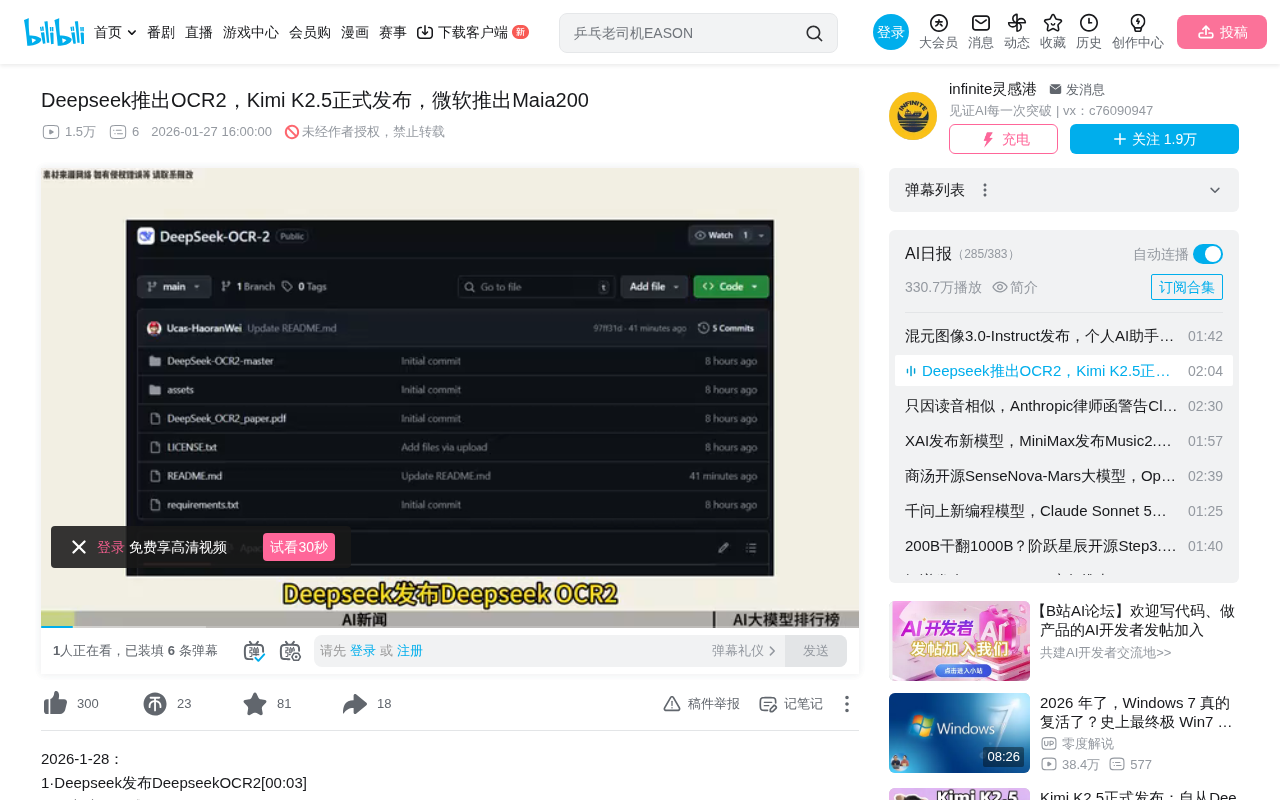
DeepSeek OCR2, Kimi K2.5, and Microsoft Maia 200 All Launched on the Same Day
DeepSeek releases OCR2 replacing CLIP with an LLM as visual encoder; Moonshot AI launches Kimi K2.5 with 100+ sub-agent cluster mode; Microsoft deploys 3nm Maia 200 chip; Alibaba releases Qwen3 Max Thinking.
Read more →
 Tech Frontiers
·2 min
Qwen Launches 400+ New Features as Wenxin 5.0 and Multiple LLMs Drop Simultaneously
Alibaba's Qwen APP launches 400+ features integrating Alipay and Taobao, Baidu releases ERNIE 5.0, Meituan unveils deep reasoning model, StepFun tops global speech AI rankings, and Anthropic's share nears Google's.
Read more →
 Tech Frontiers
·3 min
GPT-5.3 Codenamed "Garlic" Coming Soon, Claude Cowork Launches Targeting Non-Developers
OpenAI's GPT-5.3 codenamed Garlic is coming soon, Anthropic launches Claude Cowork for non-developers, plus breakthroughs in Baichuan M3 medical and SiNong agricultural AI models.
Read more →
 Tech Frontiers
·2 min
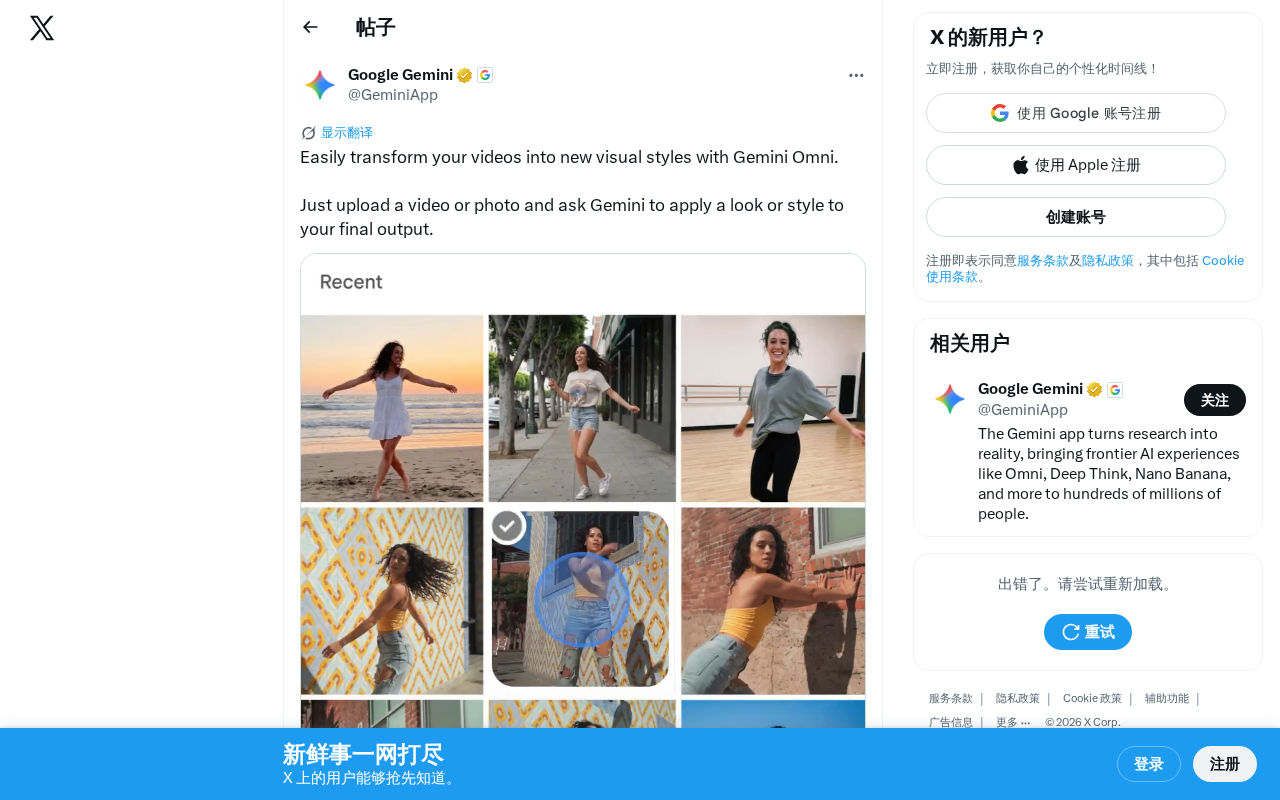
Gemini Omni Video Style Transfer: Change Video Visual Styles with Natural Language
Deep dive into Google Gemini Omni's video style transfer: transform videos into watercolor, cyberpunk, or Ghibli styles using natural language. Explore its technology, workflow, and competitive landscape.
Read more →
Product Reviews
Qwen 3.6 vs Gemma 4: In-Depth Comparis…
·3 min
Qwen 3.6 vs Gemma 4: In-Depth Comparison of Local AI Coding Models Through Real-World Development
Real-world comparison of Qwen 3.6 and Gemma 4 local AI models building a Markdown editor with Tauri, testing planning ability, code generation, and development efficiency.
Read more →
 Tutorials
·3 min
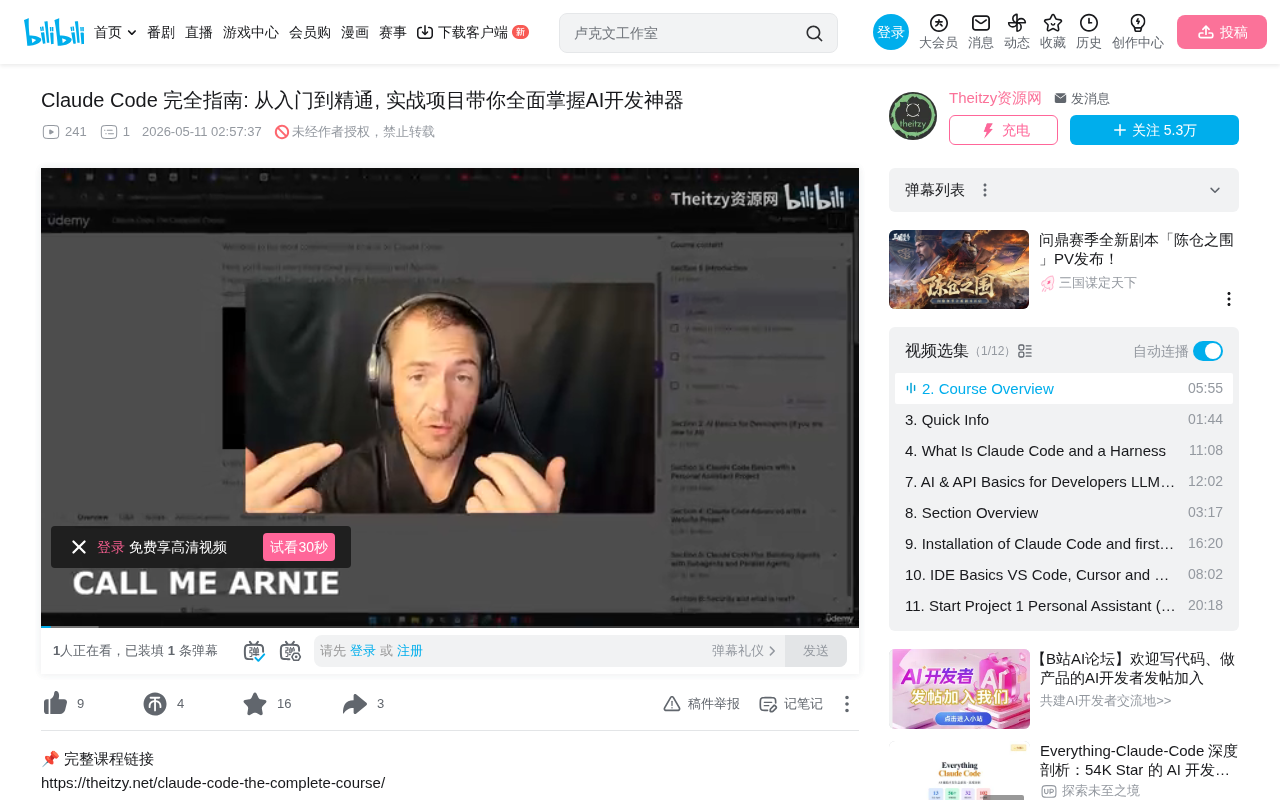
The Complete Guide to Claude Code: From Personal Assistant to AI Agent Development
A systematic breakdown of the Complete Guide to Claude Code course, covering context engineering, MCP protocol, claude.md configuration, multi-Agent architecture, and three progressive projects.
Read more →
 Tutorials
·3 min
Complete Breakdown of Andrew Ng's Agent Course: A Practical Guide to the Five Core Modules of AI Agent Development
Deep dive into Andrew Ng's viral AI Agent course covering five core modules: Reflection, Planning, Tool Use, Multi-Agent Collaboration, and Memory, with practical learning paths for LLM agent development.
Read more →