#AI Engineering
87 related articles
·3 min
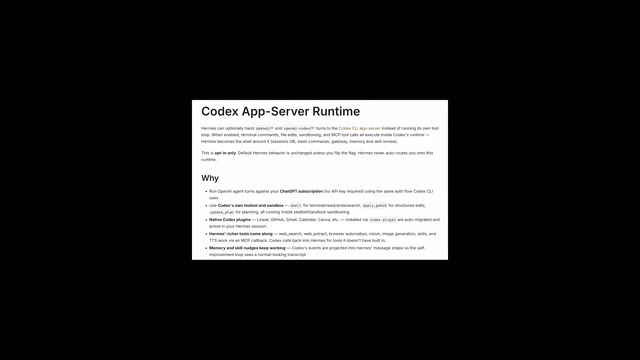
Hermes Overhaul in Practice: Building a Multi-Model Orchestration Master Agent System
How to transform the Hermes Agent framework into a unified orchestration hub with intelligent routing across Claude, Gemini, and Codex, featuring inter-Agent communication, task monitoring, and more.
Read more →
·3 min
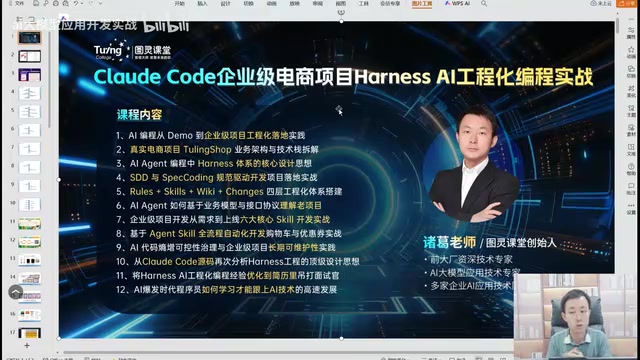
Harness AI Engineering Programming: A Detailed Methodology for Enterprise-Level Project Development
Deep dive into Harness AI Engineering Programming methodology, covering SDD, Skill development patterns, and core practices for enterprise-level AI-assisted development.
Read more →
·3 min
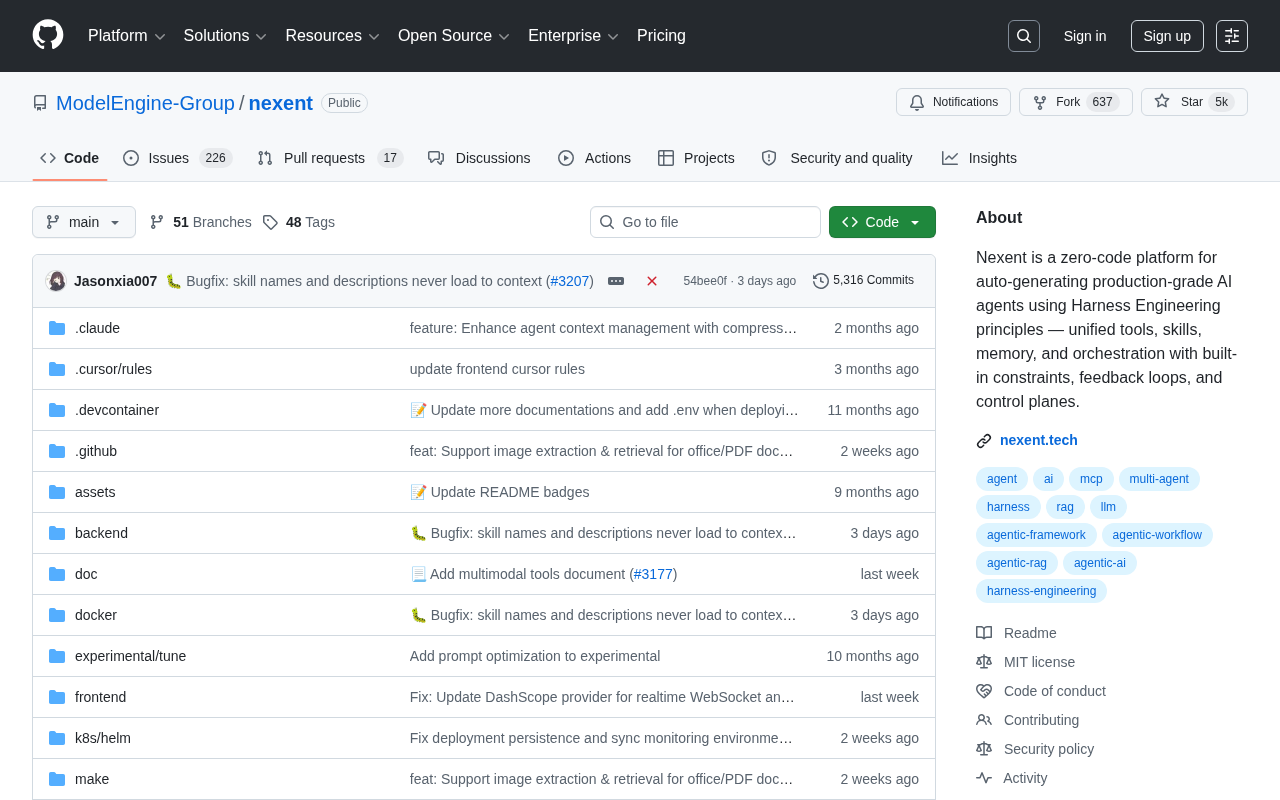
Nexent Open-Source Platform: Zero-Code Auto-Generation of Production-Grade AI Agents
Deep dive into Nexent's open-source platform for zero-code production-grade AI Agent generation, covering Harness Engineering, built-in controls, use cases, and comparisons with AutoGen and CrewAI.
Read more →
·2 min
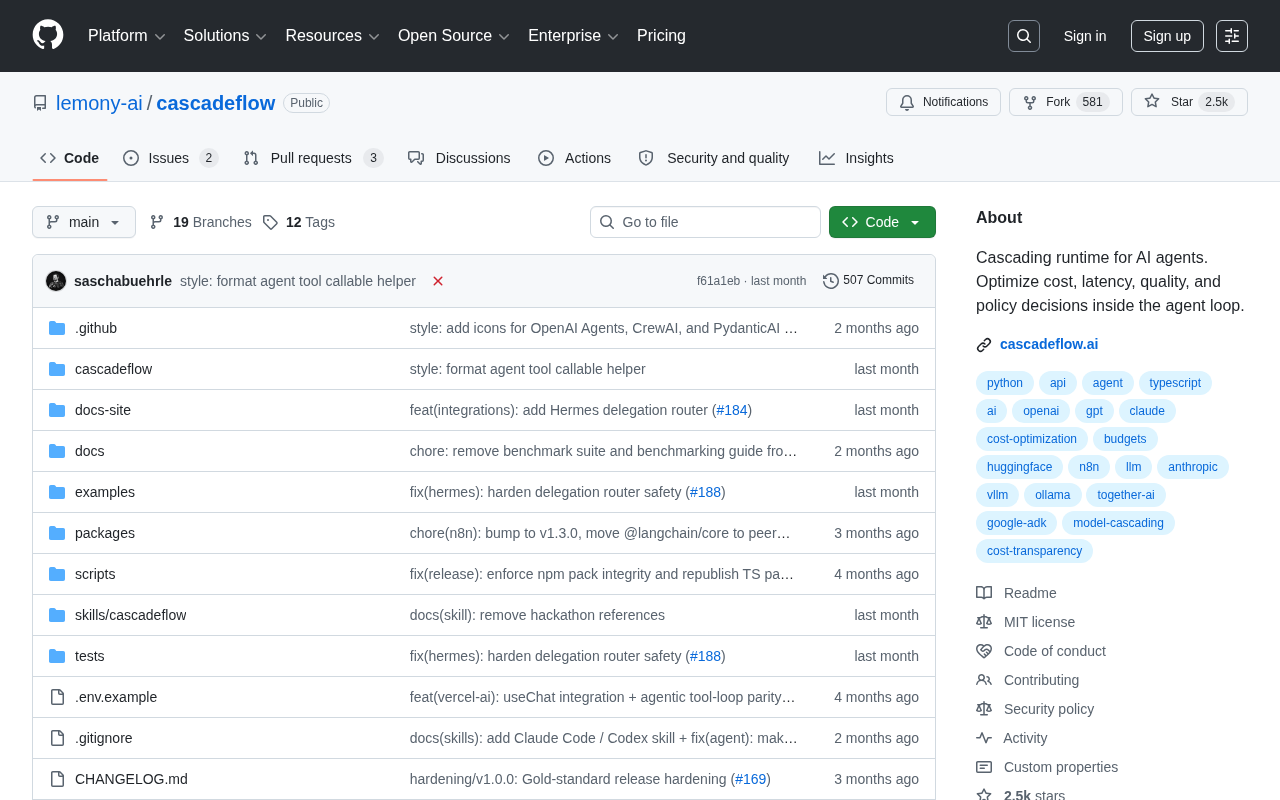
CascadeFlow: Deep Dive into the AI Agent Cascading Runtime Optimization Framework
Deep dive into the CascadeFlow open-source framework and how it optimizes AI Agent cost, latency, quality, and policy decisions through cascading runtime mechanisms for production deployment.
Read more →
Claude Code Creator Reveals: How AI Pr…
·3 min
Claude Code Creator Reveals: How AI Programming Boosts Engineering Efficiency by 200%
Anthropic's Claude Code creator Boris Cherny shares AI programming practices: 90% of code written by AI, 200% engineer productivity gain, new hires productive in 2 days.
Read more →
·3 min
OpenAI Codex Deep Dive: Core Capabilities and Engineering Best Practices Guide
Deep dive into OpenAI Codex's core capabilities including multi-task parallelism, Agent Loop mechanism, and Specification-Driven Development (SDD), with learning resources and advanced paths for mastering AI programming workflows.
Read more →
·2 min
The Complete Guide to All 42 Codex CLI Commands: From Beginner to Precision AI Programming
A complete guide to all 42 OpenAI Codex CLI commands, organized by model switching, session management, code review, and context control to help you master AI-powered development.
Read more →
·2 min
Harness AI Engineering Programming: A Practical Guide from Demo to Enterprise-Grade Delivery
Deep dive into Harness AI engineering programming: solve hallucinations, uncontrollable code, and missing standards to deliver enterprise-grade projects with tools like Cloud Code.
Read more →
·3 min
Claude Code Enterprise E-commerce in Practice: A Methodology for Taking AI Programming from Demo to Industrial-Grade
A deep dive into engineering methodology for enterprise e-commerce development with Claude Code and Harness AI, covering architecture, code quality, and CI/CD practices.
Read more →

·3 min
Hermes Agent Hands-On Review: An AI Efficiency Revolution for Indie Game Developers
Indie game developer reviews Hermes Agent vs OpenClaude: intelligent context compression, real-time Memory, remote control via Telegram, and practical use cases in game dev, social media, and email.
Read more →
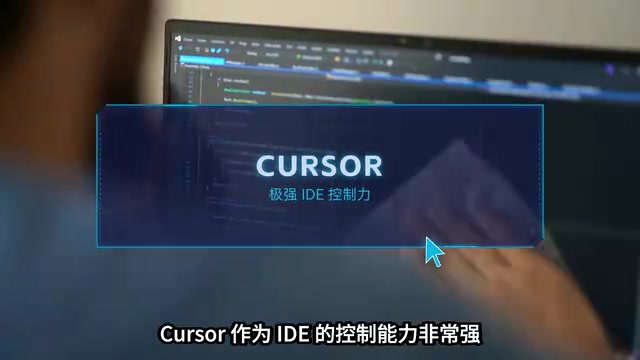
·3 min
Cursor vs Codex In-Depth Comparison: Where Should You Spend Your $200?
In-depth comparison of Cursor and Codex AI programming tools — their strengths, ideal use cases, and cost differences. Find out where your $200 is best spent.
Read more →

·4 min
The Real Logic of Getting Rich with AI: Toolbox Thinking and the Three-Layer Capability Model
Mastering AI tools doesn't equal making money. This article breaks down the three-layer AI wealth model: LLM prompting, automation workflows, and agent collaboration, plus the MAPS framework and Three R's Rule.
Read more →
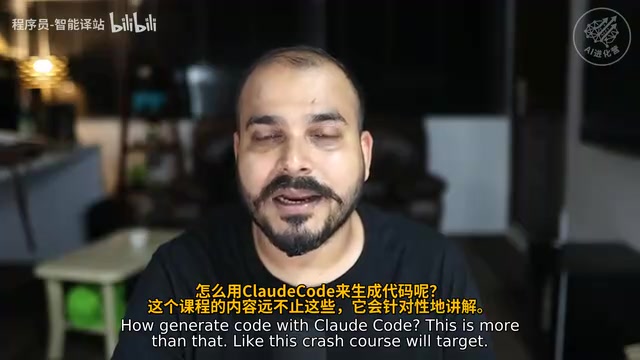
·4 min
Claude Code Practical Guide: Deep Dive into 7 Core Modules with Learning Path
Deep dive into Claude Code's 7 core modules: project integration, agent construction, multi-agent collaboration, plugin systems, and workflow automation, with learning tips and certification trends.
Read more →
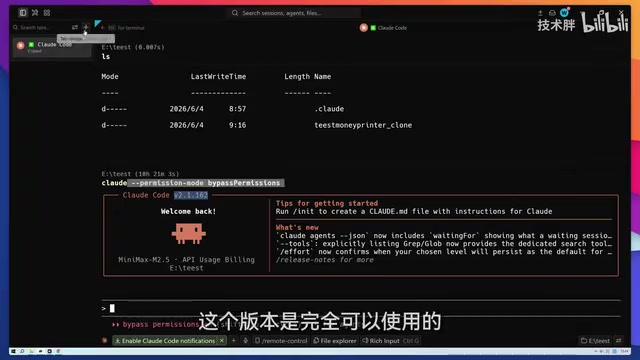
·3 min
Claude Code Ultra Code in Practice: One Person Orchestrating 100+ Agents in Parallel Development
Learn how to use Claude Code's Ultra Code and Dynamic Workflow to orchestrate 100+ Agents in parallel, with Deep Research demos, token-saving tips, and workflow reuse methods.
Read more →
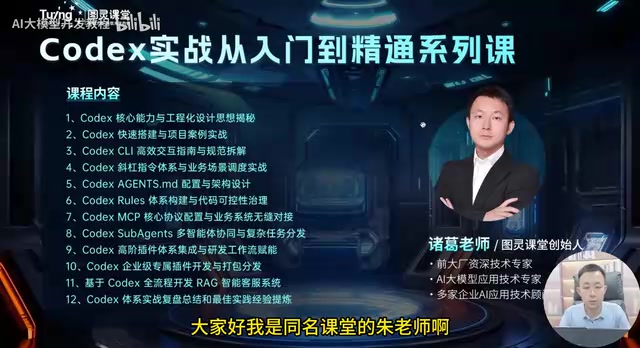
·2 min
Codex Systematic Tutorial: From Beginner to Enterprise-Level AI Engineering
In-depth guide to Codex AI programming tool: environment setup, Rules system, MCP protocol integration, multi-Agent collaboration, and enterprise RAG customer service project for complete AI engineering deployment.
Read more →

·3 min
Complete Guide to Claude Code Skill Creator: The Meta-Skill That Lets AI Build Its Own Tools
A deep dive into Claude Code's built-in Skill Creator feature — learn how to use natural language to have AI automatically create custom skills, enabling fully automated tool-building workflows.
Read more →
·2 min
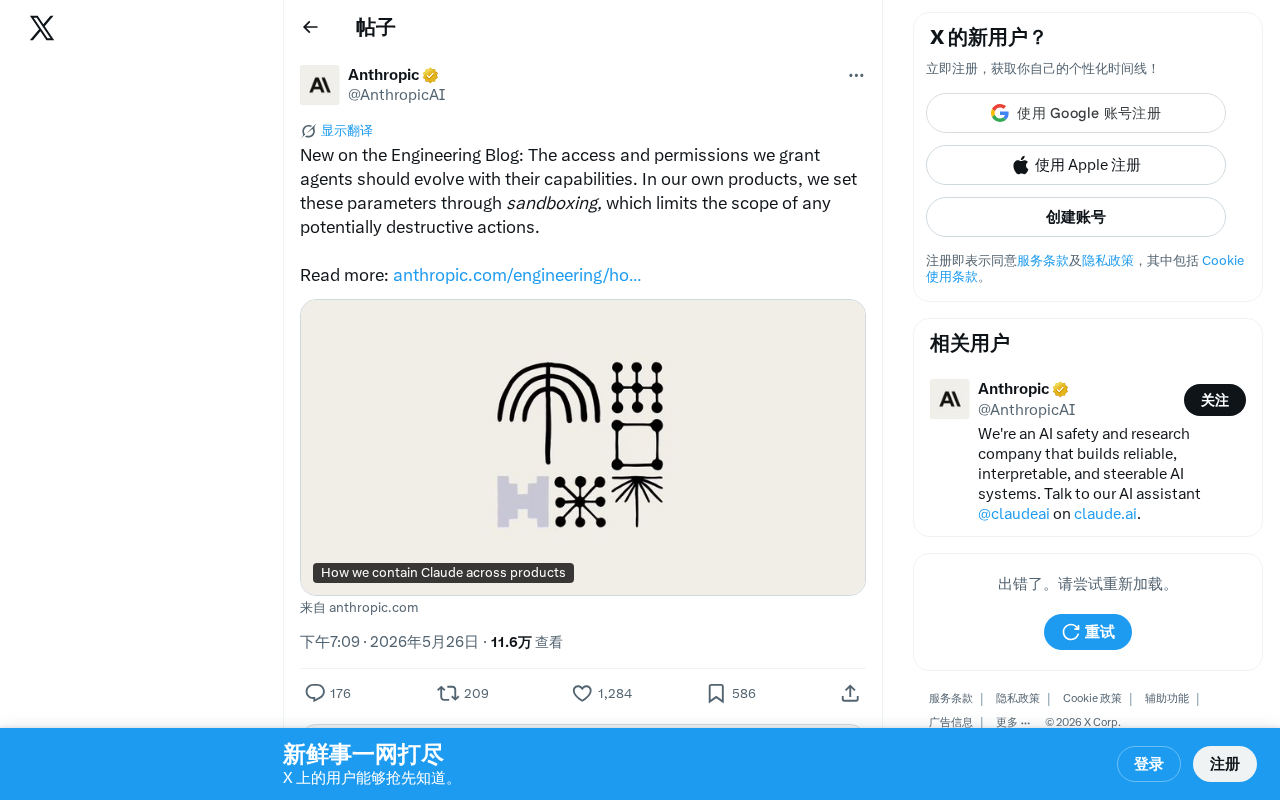
AI Agent Permission Management: How Sandboxing Mechanisms Limit Potentially Destructive Operations
An in-depth look at AI Agent sandboxing for permission management — how OpenAI uses execution isolation, resource limits, and progressive trust models to contain potentially destructive operations.
Read more →
·4 min
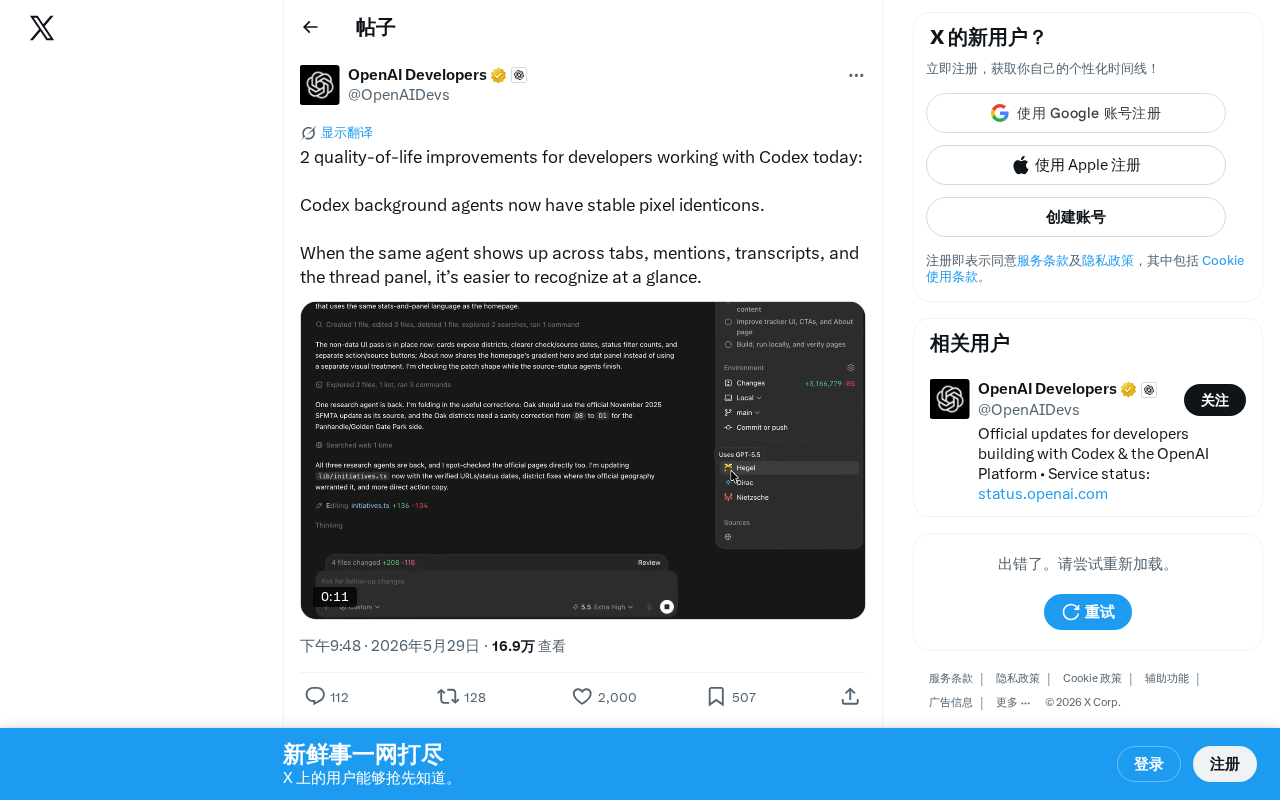
OpenAI Codex Pixel Identicons: A Visual Identification Solution for Multi-Agent Collaboration
OpenAI introduces Pixel Identicons for Codex background agents, using stable visual identifiers to solve multi-agent recognition challenges and reduce cognitive load in AI programming workflows.
Read more →
·3 min
Firebase AI Logic in Practice: Using Gemini to Automatically Break Down Tasks into Actionable Subtasks
A hands-on guide to Firebase AI Logic and Gemini integration, showing how to automatically break down large tasks into actionable subtasks with structured output and real-time sync.
Read more →
 Tutorials
·3 min
MCP vs CLI: 40x Token Cost Difference — How AI Engineers Should Choose
In-depth comparison of MCP vs CLI architecture, Token costs (CLI ~1400 vs MCP ~54600), security mechanisms, and use cases with practical selection guidance for AI engineers.
Read more →