#AI Engineering
86 related articles
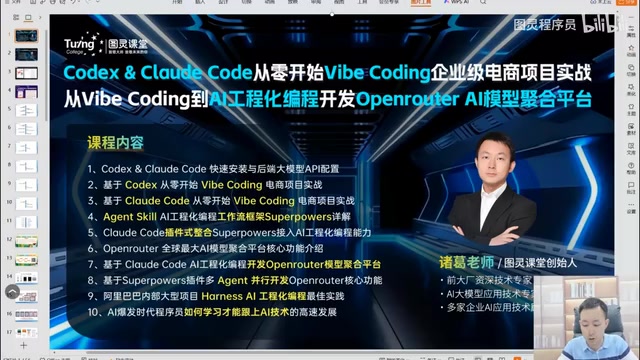
·3 min
AI Engineering in Practice: The Progression Path from Vibe Coding to Enterprise-Level Development
Deep dive into AI engineering methodology, comparing Vibe Coding vs enterprise development, covering Claude Code, Codex tool selection, SuperPower plugin practices, and the path from prototype to production.
Read more →
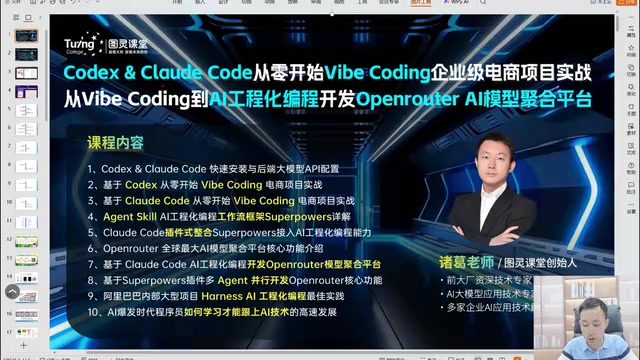
·3 min
Codex vs Claude Code in Practice: A Complete Guide to AI-Engineered Programming for Enterprise Projects
In-depth comparison of Codex and Claude Code for enterprise AI development, covering Vibe Coding limitations, multi-Agent workflows, OpenRouter platform architecture, and programmer learning paths.
Read more →
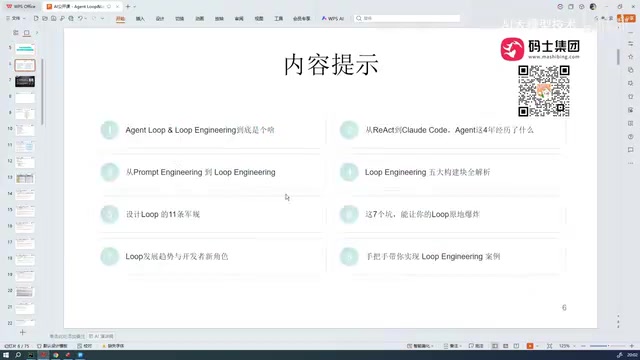
·4 min
Loop Engineering from Beginner to Expert: A Complete Guide to Agent Loop Development
A deep dive into Loop Engineering covering Agent Loop workflows, code implementation (While loops and Graph patterns), and how it differs from Prompt Engineering.
Read more →
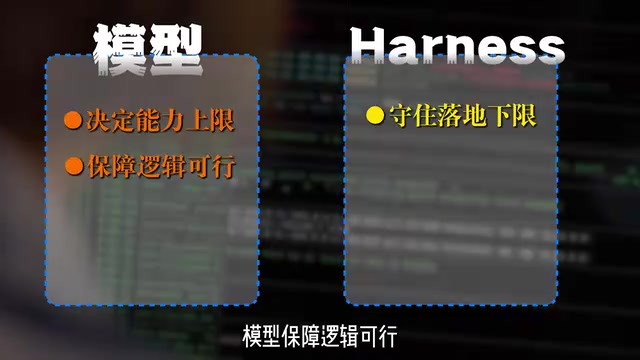
·4 min
DeepSeek Forms Harness Team: AI Coding Competition Enters the Second Half
DeepSeek forms a dedicated Harness team to rival Claude Code. Analysis of the four-layer architecture, three core advantages, and 40x cost edge driving AI competition from model wars to engineering deployment.
Read more →

·4 min
Harness Engineering in Practice: Taming AI Agents with Hermes Agent
Deep dive into Harness Engineering: using the open-source Hermes Agent framework's four-layer memory system and Skill evolution to build controllable, evolvable AI agents.
Read more →
·3 min
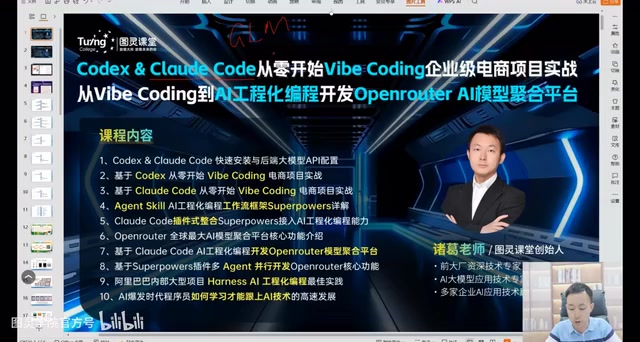
Codex + Claude Code in Practice: From Vibe Coding to Enterprise-Grade AI Engineering
A deep dive into Codex and Claude Code for real-world AI programming—from Vibe Coding prototypes to Plan mode and SuperPAL engineering, with LLM selection strategies and enterprise workflows.
Read more →
·4 min
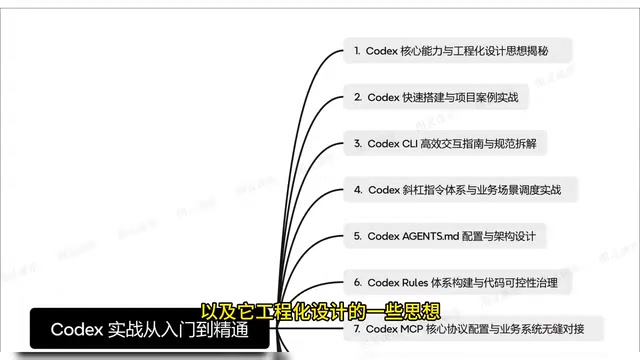
Codex Hands-On Tutorial: From Installation and Configuration to Enterprise-Level Project Development
A complete guide to OpenAI Codex covering installation, CLI interaction, agents.md design, Rules governance, MCP protocol integration, and multi-agent collaboration, with a hands-on RAG customer service project.
Read more →
·2 min
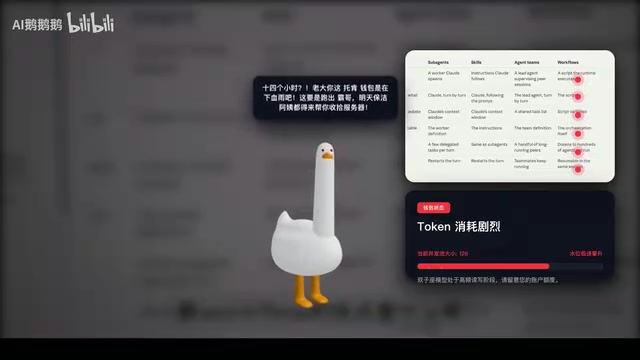
Claude Code Workflow in Practice: Hundreds of Agents Automatically Migrating PHP to Golang
Deep dive into Claude Code Workflow's multi-Agent auto-orchestration: a real-world PHP to Golang migration running 14 hours with 100+ Agents, covering planning, execution, and Token cost analysis.
Read more →
·3 min
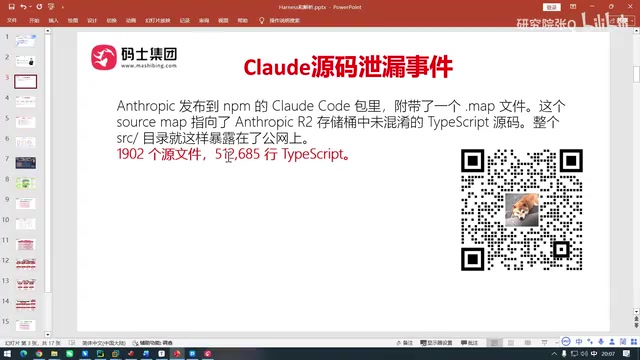
Deep Dive into Claude Code's Source Architecture: Harness Engineering and Seven Core Mechanisms
Deep analysis of Claude Code's leaked source architecture, covering TypeScript stack choices, Harness architecture's seven core mechanisms, tool call management, and context optimization.
Read more →
·2 min
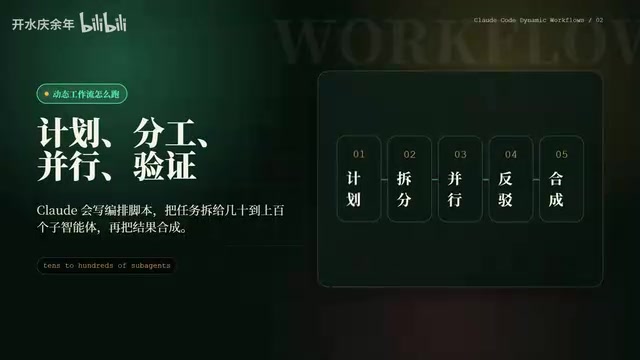
Claude Code Dynamic Workflows Explained: How Multi-Agent Collaboration Is Changing AI Programming
Deep dive into Claude Code's Dynamic Workflows: how multi-agent parallel collaboration enables 750K-line code migrations, repo-wide bug hunts, and pre-launch red team validation.
Read more →
·2 min
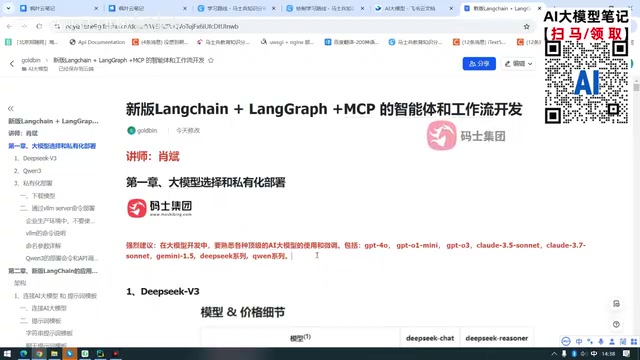
LangChain + MCP Agent Development: A Practical Guide to LLM Selection and Common Pitfalls
A deep dive into LLM selection for LangChain and MCP agent development, comparing DeepSeek V3/R1 vs Qwen3 on Function Calling and MCP support with practical tips.
Read more →
·4 min
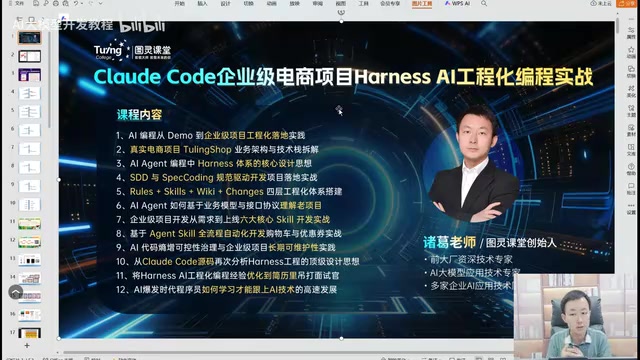
AI Engineering in Practice: The Right Way to Build Enterprise Projects with Claude Code
Learn how to use Claude Code with Specification-Driven Development (SDD) to build enterprise projects, solving common AI coding pitfalls like infinite bug loops, code quality issues, and hallucination risks.
Read more →
·4 min
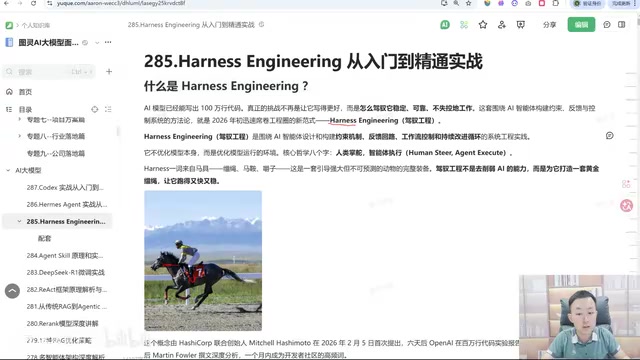
Harness Engineering in Practice: Integrating AI-Driven Development into Enterprise Workflows
A deep dive into Harness Engineering methodology — from Prompt Engineering to Context Engineering to Harness Engineering — covering enterprise setup, Skill systems, and pipeline-style AI programming.
Read more →
·3 min
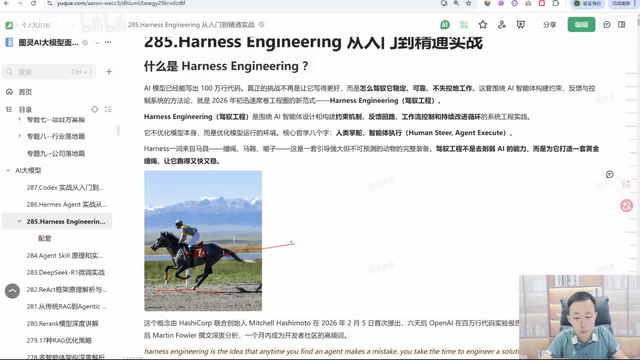
Harness Engineering in Practice: Building an Enterprise E-Commerce System with Claude Code — A Complete Walkthrough
A deep dive into Harness Engineering for AI programming, from concept to implementation. Build an enterprise Java e-commerce system using Claude Code with Skill-driven AI development pipelines.
Read more →
·3 min
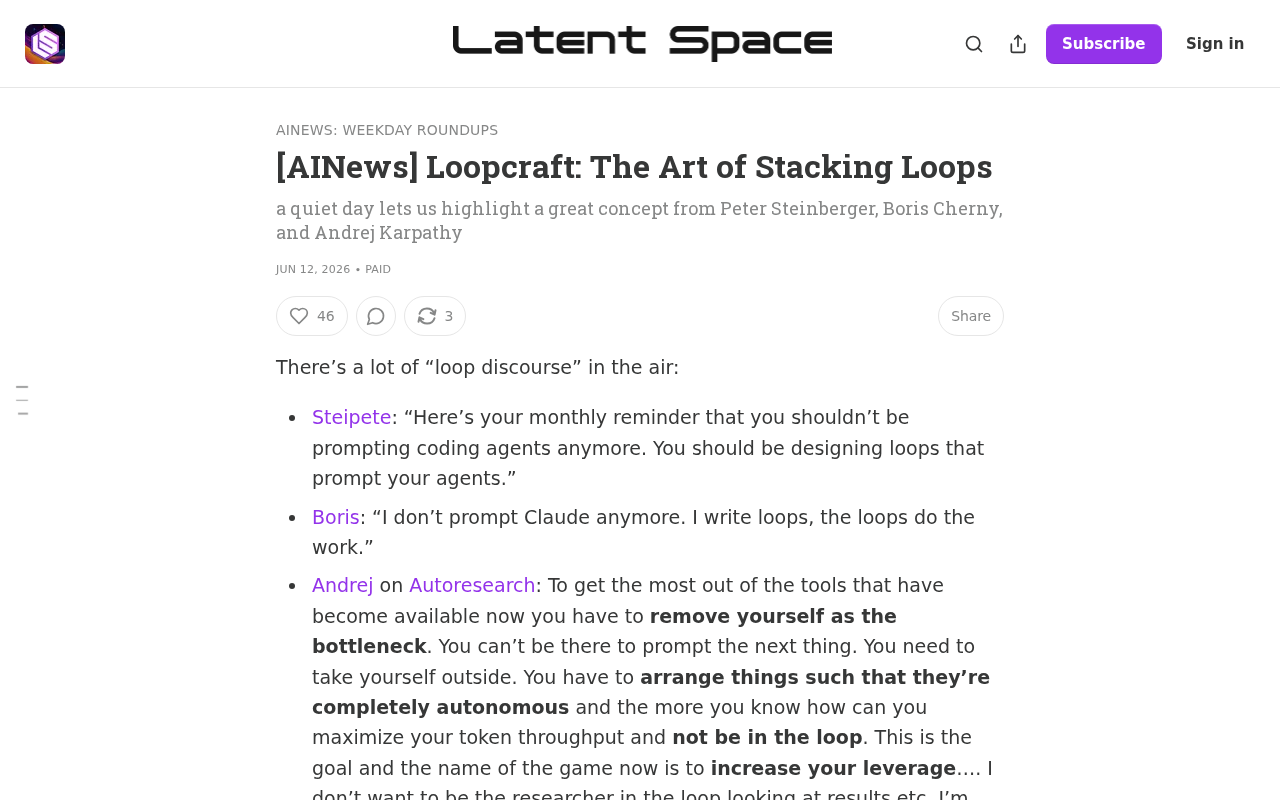
Loopcraft Explained: Loop-Stacking Architecture Design in AI Agent Development
Deep dive into Loopcraft loop-stacking architecture for AI Agent development, covering retry, self-validation, and meta-learning loops to boost reliability.
Read more →
·2 min
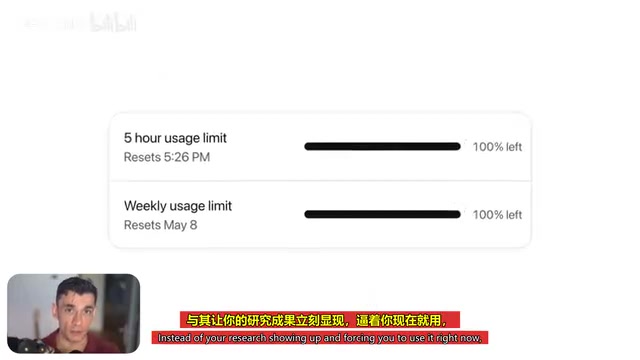
ChatGPT Codex Now Rolls Over Unused Resets: AI Coding Finally Free from Quota Interruptions
OpenAI introduces reset rollover for ChatGPT Codex — unused quota no longer expires. Learn how this update eliminates quota anxiety and reshapes AI coding competition.
Read more →
·3 min
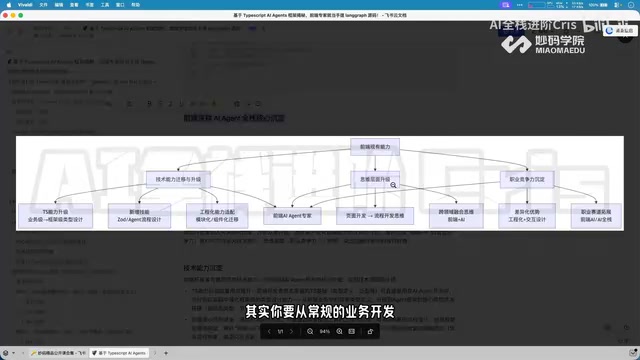
Four Core Advantages Frontend Developers Have When Transitioning to AI Agent Development
Frontend developers have key advantages for AI Agent development: TypeScript ecosystem fit, low-barrier full-stack bridging, and state management isomorphism. Learn the transition path here.
Read more →

·2 min
Java Backend Interview Prep Roadmap: A 6-Week Sprint Guide Integrating AI Agent Development
A systematic 6-week Java backend interview prep roadmap covering JVM internals, Spring Boot, Redis, microservices, plus Spring AI, LangChain4j, and RAG for AI Agent development.
Read more →
·3 min
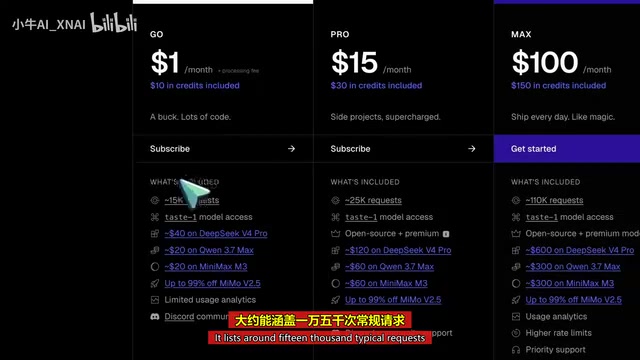
Open-Source Models Keep Throwing Errors in Your Code? The Problem Might Be the Framework
DeepSeek and Kimi keep failing at coding? The problem may not be the model but the framework. Learn how Commander Code fixes this with cache routing, tool call repair, and continuous learning.
Read more →
·3 min
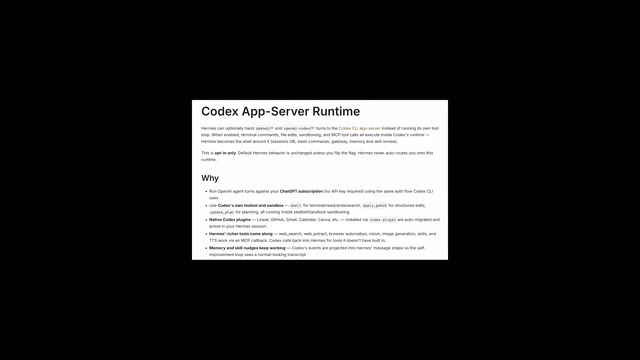
Hermes Overhaul in Practice: Building a Multi-Model Orchestration Master Agent System
How to transform the Hermes Agent framework into a unified orchestration hub with intelligent routing across Claude, Gemini, and Codex, featuring inter-Agent communication, task monitoring, and more.
Read more →