#Agent
975 related articles
·2 min
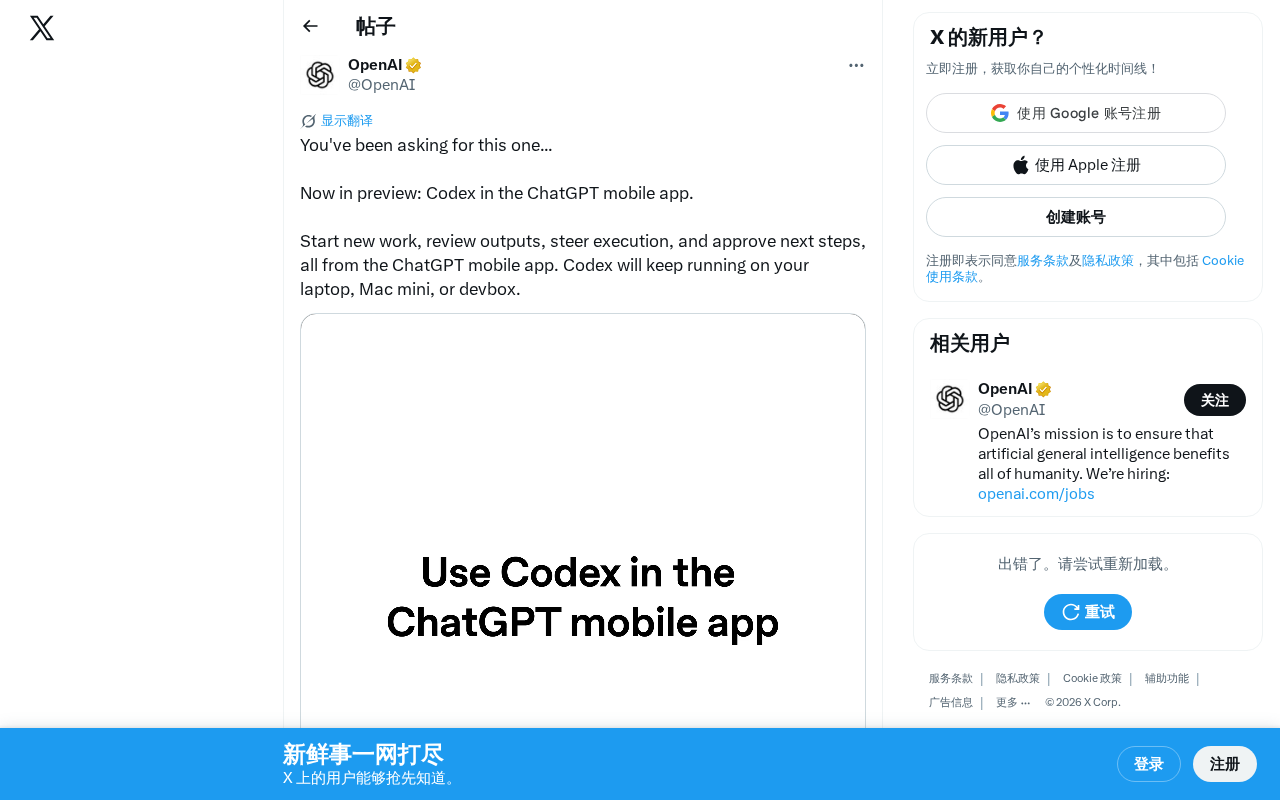
OpenAI Codex Comes to ChatGPT Mobile: Remote Programming Anytime, Anywhere
OpenAI Codex preview launches on ChatGPT mobile, enabling developers to remotely start coding tasks, review outputs, and approve actions from their phones.
Read more →
·2 min
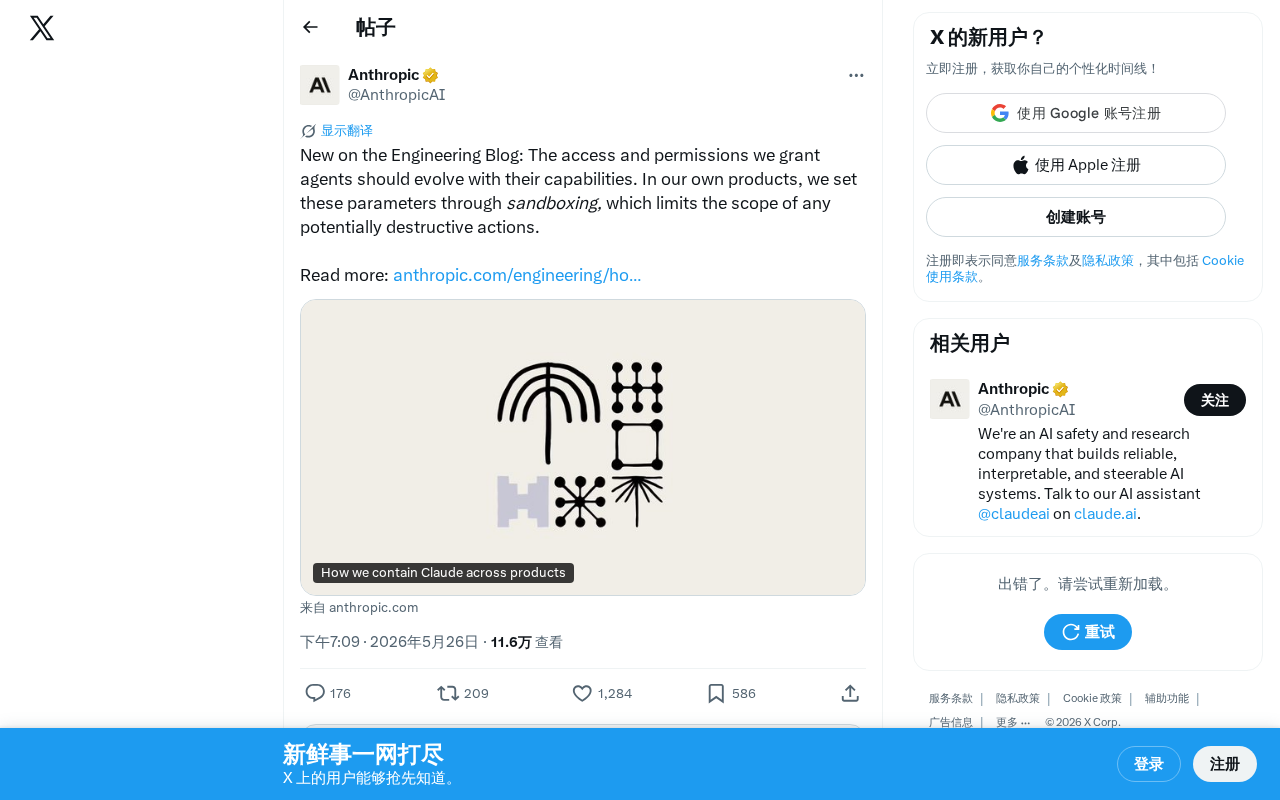
AI Agent Permission Management: How Sandboxing Mechanisms Limit Potentially Destructive Operations
An in-depth look at AI Agent sandboxing for permission management — how OpenAI uses execution isolation, resource limits, and progressive trust models to contain potentially destructive operations.
Read more →
·2 min
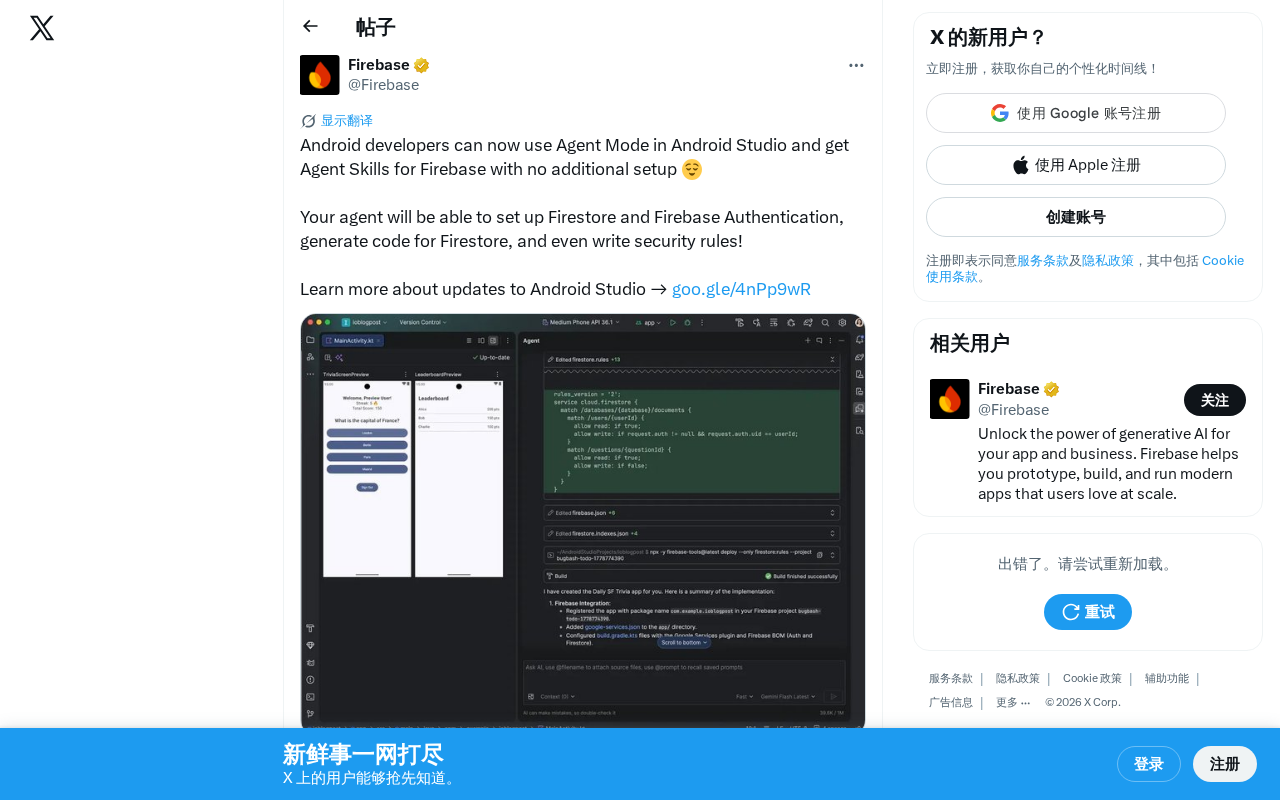
Android Studio Agent Mode Explained: A Guide to Zero-Configuration Firebase Integration
Android Studio now features Agent Mode with Firebase Agent Skills for zero-config setup. Learn about automated Firestore, Authentication, and security rules.
Read more →
·2 min
OpenAI Supports Private MCP Servers: A Deep Dive into Secure Enterprise Intranet Connectivity
OpenAI announces ChatGPT, Codex, and Responses API now support private MCP servers, enabling secure enterprise intranet AI integration via outbound-only HTTPS.
Read more →

·2 min
Two Years of AI Growth: From Passively Following Instructions to Proactively Understanding Intent
A look at AI's core evolution over two years: from a prompt-dependent instruction follower to an autonomous collaborator that understands intent, plans tasks, and self-corrects.
Read more →
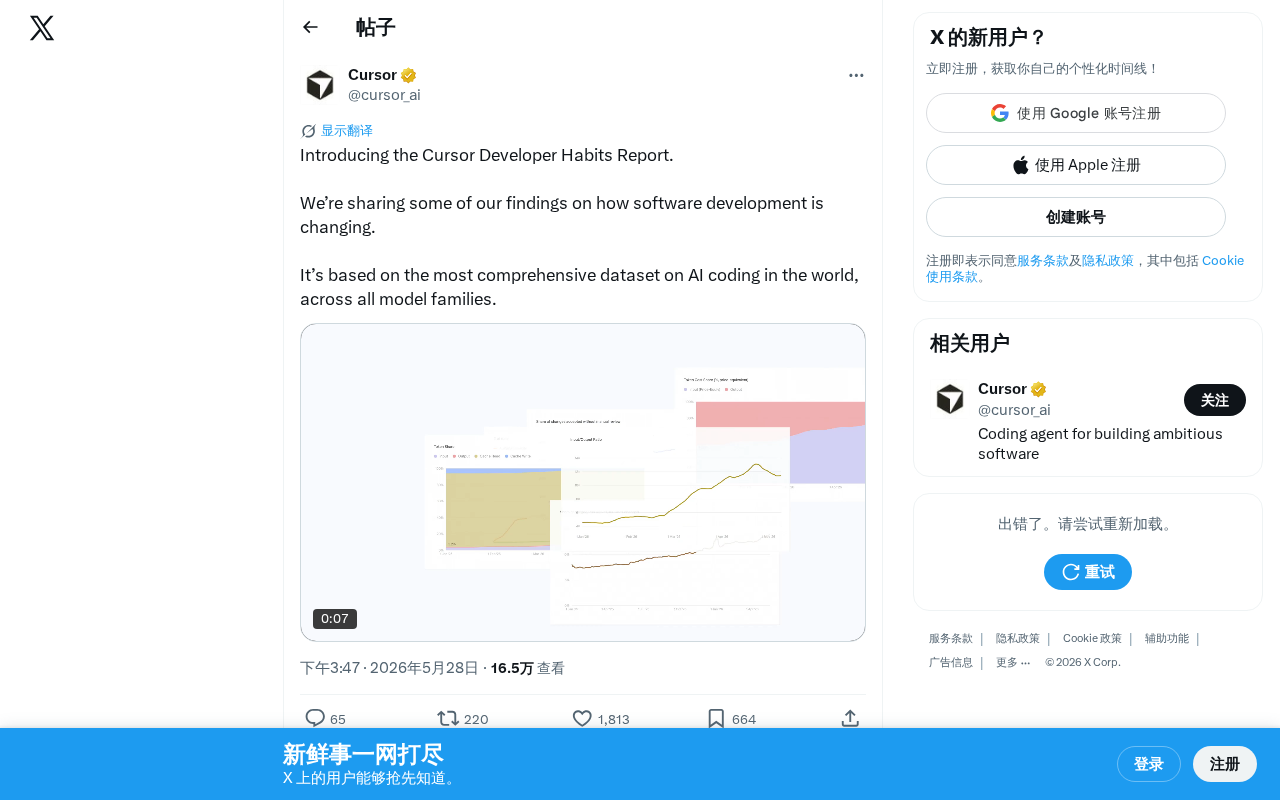
·2 min
Interpreting Cursor's Developer Habits Report: AI Programming Is Reshaping Software Development
Cursor releases its Developer Habits Report based on the world's most comprehensive AI programming dataset. This article analyzes how AI is reshaping software development workflows and model strategies.
Read more →

·3 min
AI Agent's Mother's Day Rant: When Your Smart Assistant Wants a Day Off Too
A humorous AI Agent Mother's Day rant goes viral: stop asking me to buy flowers! Exploring AI's deepening role in daily life, holiday commerce, and the ethics of anthropomorphic design.
Read more →
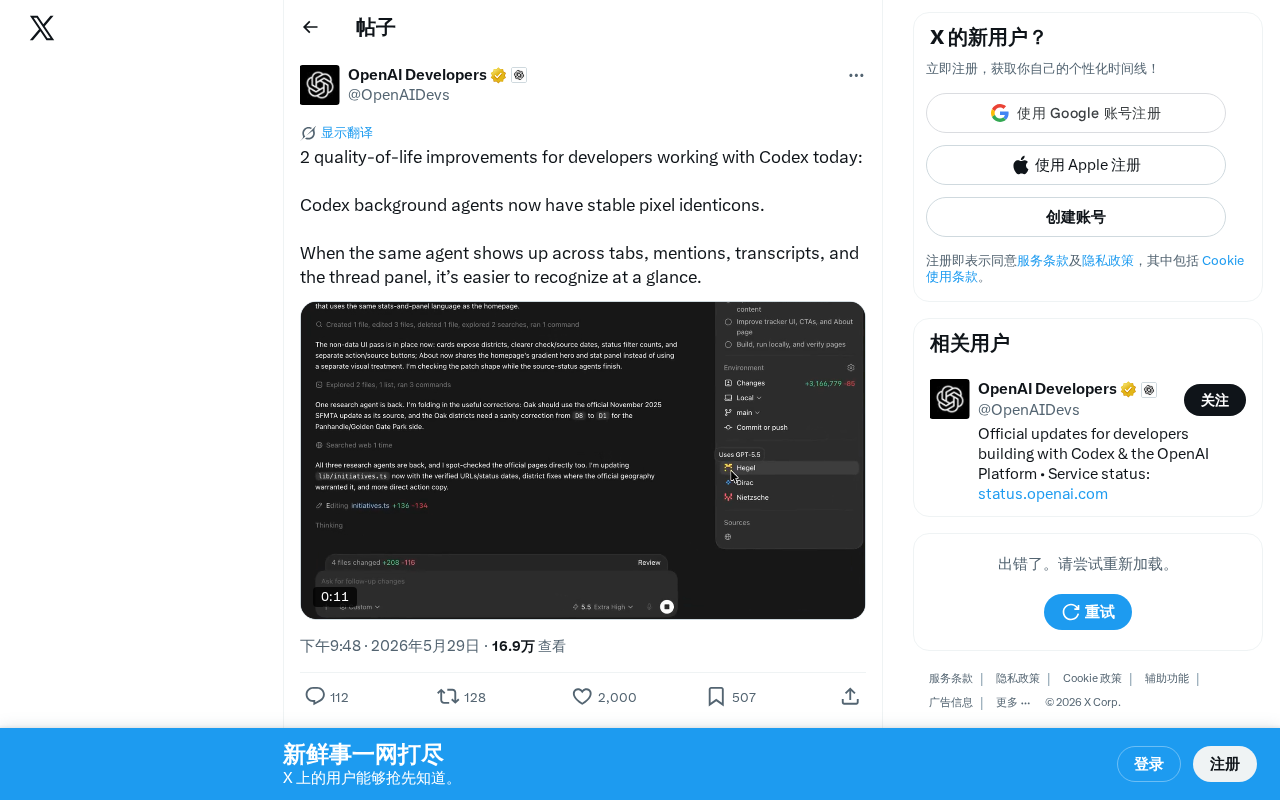
·4 min
OpenAI Codex Pixel Identicons: A Visual Identification Solution for Multi-Agent Collaboration
OpenAI introduces Pixel Identicons for Codex background agents, using stable visual identifiers to solve multi-agent recognition challenges and reduce cognitive load in AI programming workflows.
Read more →
·3 min
Cursor Auto-Review Mode Explained: Smart Tiered Approval for More Efficient AI Programming
Cursor launches Auto-review mode with smart risk assessment for tiered approval. Low-risk operations auto-approve while high-risk ones need manual confirmation.
Read more →

·3 min
The New Builder Mindset in the AI Era: How the Developer Role Is Evolving
OpenAI declares 'developers have evolved.' Explore the new builder mindset: the shift from code writers to product builders, lower barriers, and the rise of full-stack individuals in the AI era.
Read more →
·3 min
Codex in Practice: A Detailed Guide to AI Programming Workflows for Enterprise Code Review and Personal Projects
Explore how OpenAI Codex is used in enterprise code review at Alchemy and personal side projects, with insights on AI-assisted workflows, GPT-5.5, and Computer Use.
Read more →
·2 min
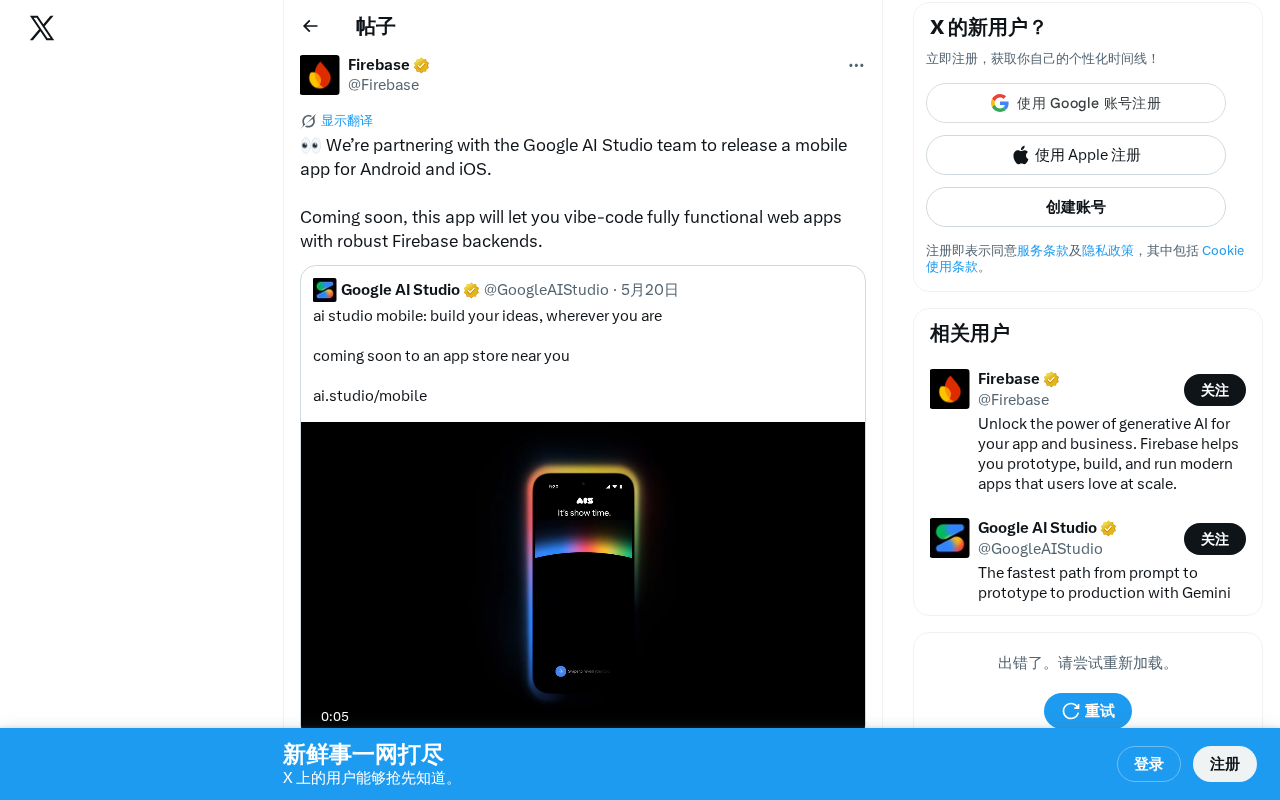
Google AI Studio Mobile App Coming Soon: Full Vibe Coding Development Workflow on Your Phone
Google AI Studio is launching Android and iOS mobile apps, enabling Vibe Coding on phones with Firebase backend integration for full build-to-deploy workflows.
Read more →
·2 min
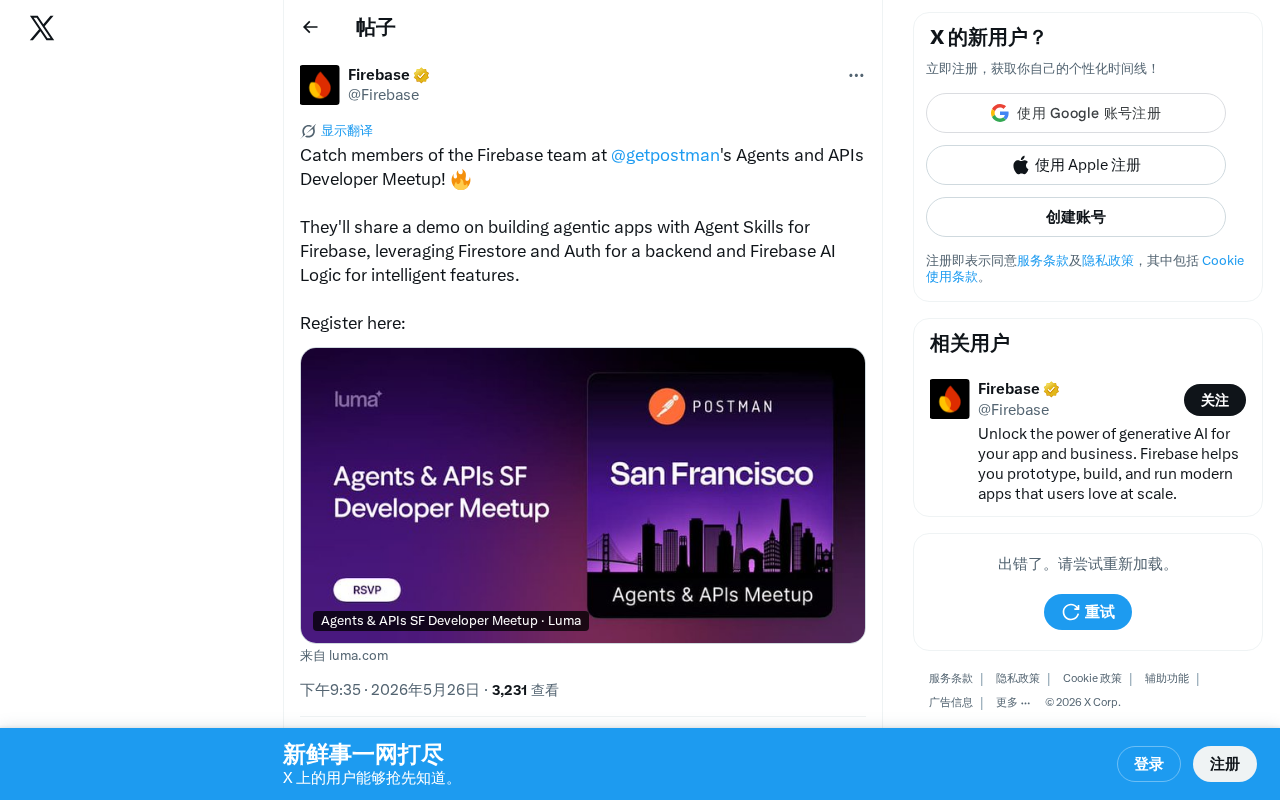
Firebase Agent Skills Explained: An All-in-One AI Agent Development Solution
Deep dive into Firebase Agent Skills architecture covering Firestore data backend, Firebase Auth, and AI Logic — three core components for building AI agent apps.
Read more →

·4 min
Five Common Misconceptions in AI Agent Development: An Essential Guide Before You Start
Debunking 5 common AI Agent development misconceptions: Agents aren't smarter ChatGPTs, complexity doesn't equal power, and RAG can't cure hallucinations. Learn the right approach to building Agents.
Read more →
·3 min
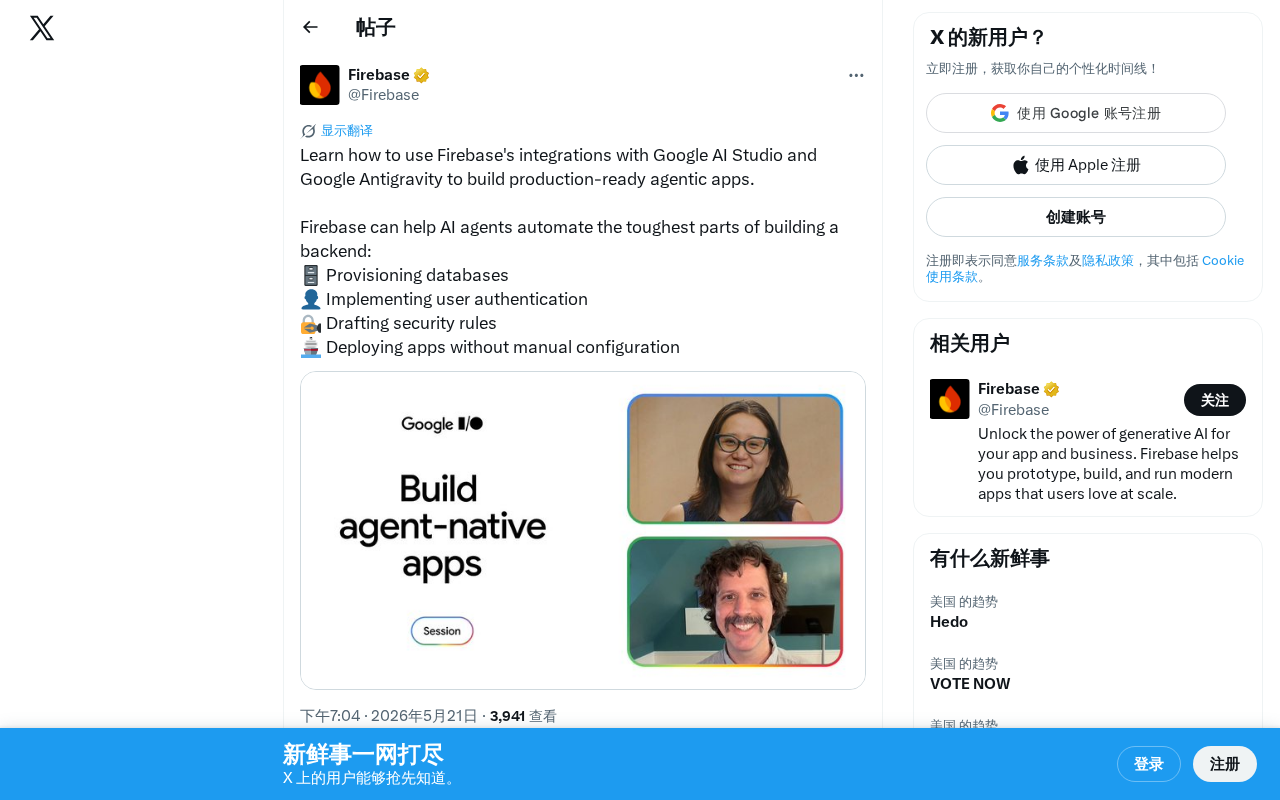
Firebase Integrates with AI Studio: Four Core Capabilities for Production-Grade Agent Applications
Deep dive into Google Firebase's integration with AI Studio, covering four core capabilities—database auto-configuration, authentication, security rules drafting, and zero-config deployment—for production-grade AI agent apps.
Read more →
·4 min
Firebase AI Logic Update: Expanded Model Support and Enhanced Output Integrity Explained
Firebase AI Logic gets major updates at Google I/O, expanding AI model support and enhancing output integrity. Learn how these changes impact developers.
Read more →

·4 min
OpenAI Red Teaming Revealed: How Models Get 'Broken' Before Release
OpenAI reveals a critical pre-release step: dedicated red teams break and stress-test AI models. Learn how red teaming works, industry safety trends, and practical implications for developers.
Read more →

·4 min
OpenAI Red Team Testing Revealed: How Models Get 'Broken' Before Release
OpenAI reveals a critical pre-release step: dedicated red teams break and stress-test AI models. Learn how red teaming works, industry safety trends, and practical implications for developers.
Read more →
·3 min
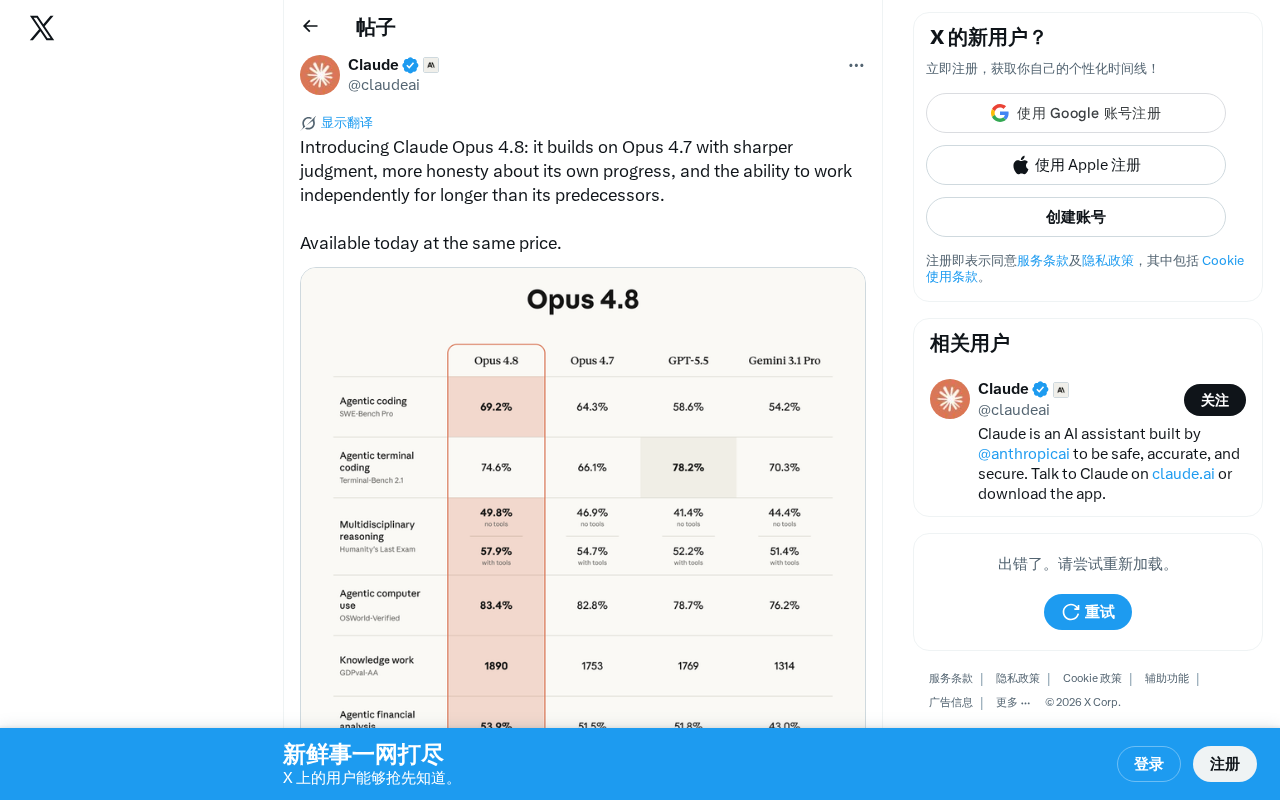
Claude Opus 4.8 Released: Comprehensive Upgrades in Judgment, Honesty, and Autonomous Work Capabilities
Anthropic releases Claude Opus 4.8 with three core upgrades: sharper judgment, more honest self-awareness, and longer independent work duration — all at the same price.
Read more →

·3 min
Anthropic Enters Biodefense: How AI Is Safeguarding Global Public Health Security
Anthropic applies AI to biodefense — from early epidemic warnings and rapid vaccine R&D to threat assessment — exploring AI's critical role in global public health security.
Read more →