#DevTools Protocol
21 related articles
·3 min
AI-Powered Playwright: A Practical Guide to Zero-Code Web Automation Testing
Explore Playwright's core advantages including DevTools Protocol architecture, smart locators, and high-concurrency support, plus how to achieve zero-code automation testing with AI via MCP.
Read more →
·3 min
AI-Driven Zero-Code Automated Testing: A Complete Path from Python Basics to Hands-On Practice
A detailed guide to AI-driven automated testing: from Python basics to PyTest, covering API automation, Playwright UI testing, and AI-assisted coding for beginners.
Read more →
·3 min
Hermes Overhaul in Practice: Building a Multi-Model Orchestration Master Agent System
How to transform the Hermes Agent framework into a unified orchestration hub with intelligent routing across Claude, Gemini, and Codex, featuring inter-Agent communication, task monitoring, and more.
Read more →

·4 min
OpenAI Engineer's Practice: Agent-Driven Development Methodology in the Era of Free Code
OpenAI engineer Ryan Lopopolo shares 9 months of pure AI agent coding practice, revealing core methodologies including prompt engineering, automated code review, and skill design in the new paradigm where code is free.
Read more →

·4 min
Harness Engineering: A New Software Development Paradigm Where Humans Steer and AI Agents Execute
OpenAI engineer Ryan Lopopolo introduces Harness Engineering — a methodology where humans build constraint systems and AI agents handle all code implementation.
Read more →
·4 min
Claude + Trae IDE with Yakit: Automated Penetration Testing via MCP in Practice
Learn how to use Claude LLM with Trae IDE and MCP protocol to orchestrate Chrome browser and Yakit for automated penetration testing, covering setup, agents, and vulnerability detection.
Read more →
·4 min
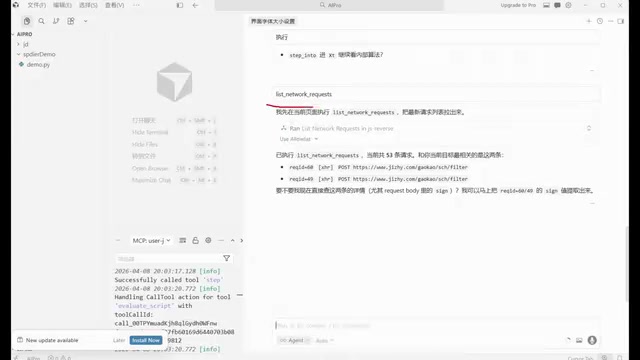
MCP Hands-On Tutorial: Using AI to Automate Reverse Engineering of JS Encryption Algorithms
A detailed guide on MCP protocol setup and hands-on workflow showing how AI can automatically locate encrypted APIs, analyze obfuscated JS, set breakpoints, and restore sign algorithms to generate Python scraper code.
Read more →
 Product Reviews
·3 min
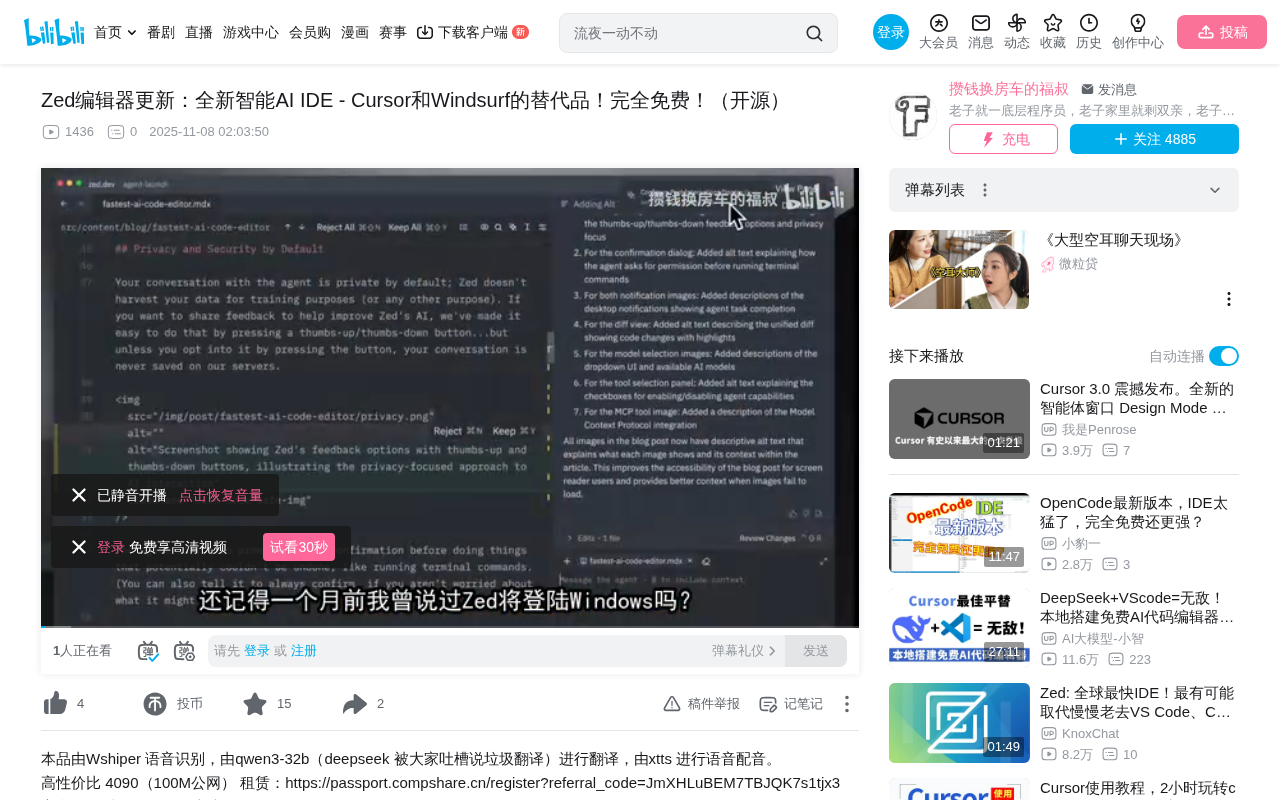
Zed Editor Officially Lands on Windows: A Free, Open-Source AI IDE Alternative
Zed Editor's Windows version is officially released. This free, open-source AI IDE built in Rust features extreme performance, built-in Cloud Code, Gemini CLI, and Codex agents, native debugging, and real-time collaboration.
Read more →
 Product Reviews
·3 min
Zed Editor Officially Lands on Windows: A Free, Open-Source AI IDE Alternative
Zed Editor's Windows version is officially released. This free, open-source AI IDE built with Rust features extreme performance, built-in Cloud Code, Gemini CLI, and Codex agents, a native debugger, and real-time collaboration.
Read more →
 Tutorials
·4 min
AI Reverse Engineering in Practice: Automating Crawler Encryption Cracking with MCP Workflows
Learn how to build an MCP-based AI reverse engineering workflow using Chrome MCP, Remus MCP, and LLM APIs to automate crawler encryption cracking, with real-world cases and cost analysis.
Read more →
 Tutorials
·4 min
AI Reverse Engineering in Practice: Automating Crawler Encryption Cracking with MCP Workflows
Guide to building an MCP-based AI reverse engineering workflow using Chrome MCP, Remus MCP, and LLM APIs for semi-automated crawler encryption cracking with real-world case studies.
Read more →
 Tech Frontiers
·3 min
Hermes Agent 0.14.0 Update: Native Windows Support and 180x Performance Boost
Hermes Agent 0.14.0 Foundation Update: local proxy unified auth, 180x browser automation speedup, native Windows support, AI video generation, free DeepSeek V4, and lossless Handoff context switching.
Read more →
 Tutorials
·3 min
Cursor 2.0 in Practice: Building a Complete App with Parallel Agent Development
Deep dive into Cursor 2.0's new features including Agent view, built-in browser debugging, parallel Agent development, and Composer 1 model through building a complete habit tracker app.
Read more →
Tutorials
Getting Started with Codex from Scratc…
·4 min
Getting Started with Codex from Scratch: Why It's a Better Fit Than Claude Code for Most People
In-depth comparison of OpenAI Codex vs Claude Code covering account stability, usage quotas, browser control, and automation — helping you get started with this all-in-one AI Agent desktop tool.
Read more →
 Product Reviews
·4 min
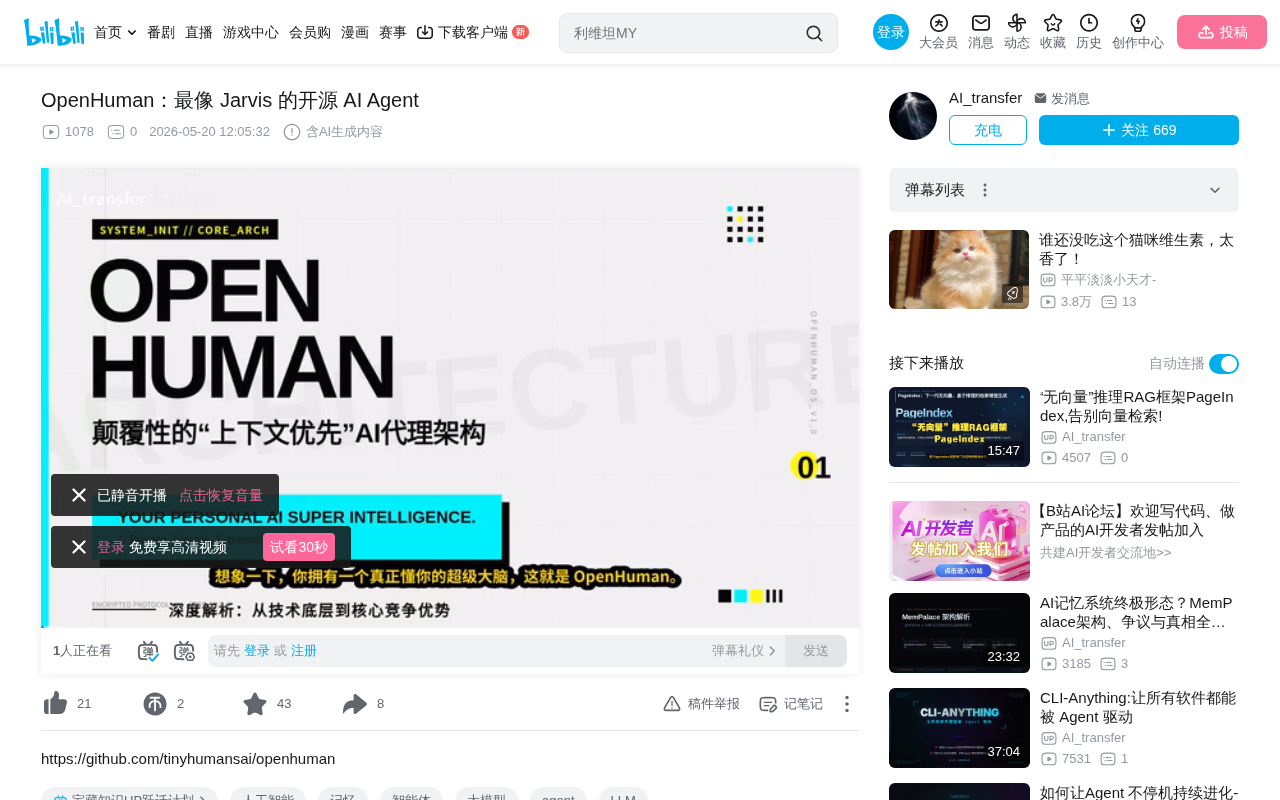
OpenHuman Deep Dive: A Context-First Open-Source Personal AI Agent
Deep dive into OpenHuman open-source AI Agent: context-first architecture, Rust+React hybrid, Memory Tree system, Token Juice compression, and multi-model routing.
Read more →
Tech Frontiers
Generic Agent: A Self-Evolving AI Agen…
·3 min
Generic Agent: A Self-Evolving AI Agent Built with Just 3,000 Lines of Code
Generic Agent builds a self-evolving AI agent with just 3,000 lines of code, 9 atomic tools, and a five-layer memory architecture — using only one-sixth the tokens of competitors.
Read more →
Product Reviews
Cursor 2.0 In-Depth Review: Five Major…
·3 min
Cursor 2.0 In-Depth Review: Five Major New Features Including Custom Model, Multi-Agent Parallelism, and More
In-depth analysis of Cursor 2.0's five core updates: custom Composer model speed tests, Git Worktrees multi-agent parallel development, built-in browser, and a three-model comparison of Claude, GPT-5, and Composer.
Read more →
Tutorials
6 Must-Have MCP Plugins to Supercharge…
·3 min
6 Must-Have MCP Plugins to Supercharge Your Claude Code Productivity
6 must-have Claude Code MCP plugins: File System, Structured Thinking, GitHub, Chrome DevTools, Context7, and Memos—build a complete AI programming workflow.
Read more →
 Tutorials
·3 min
Hermes Agent + Playwright: A Practical Guide to AI-Driven Browser Automation
A complete guide to AI-driven browser automation with Hermes Agent and Playwright, covering setup, three AI modes (snapshot decisions, multi-turn dialogue, autonomous exploration), retry mechanisms, and optimization tips.
Read more →
 Product Reviews
·3 min
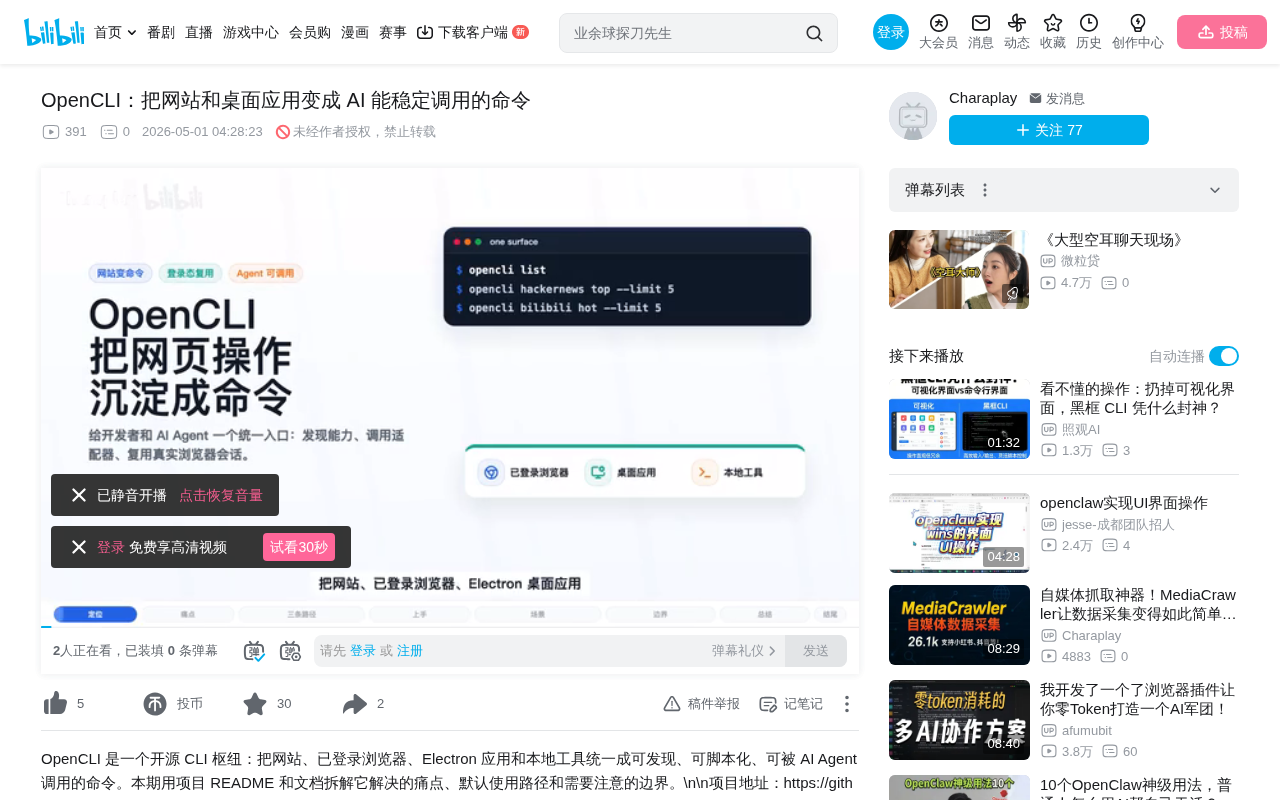
OpenCLI: Wrapping Websites and Desktop Apps into Reusable CLI Commands for AI
OpenCLI is an open-source tool that wraps websites and desktop apps into reusable CLI commands for AI Agents. With 90+ built-in adapters, browser login state reuse, and auto-generated adapters.
Read more →