#Token
708 related articles

·3 min
Hermes Agent Hands-On Review: An AI Efficiency Revolution for Indie Game Developers
Indie game developer reviews Hermes Agent vs OpenClaude: intelligent context compression, real-time Memory, remote control via Telegram, and practical use cases in game dev, social media, and email.
Read more →
·4 min
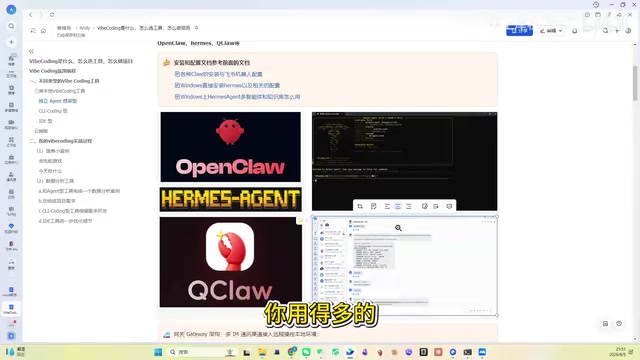
Vibe Coding Beginner's Guide: Tool Selection Across Three Categories with Practical Examples
A comprehensive guide to Vibe Coding's three tool categories: Agent frameworks, CLI Coding, and IDE tools, with practical examples including Snake game and data analysis workbench.
Read more →
·3 min
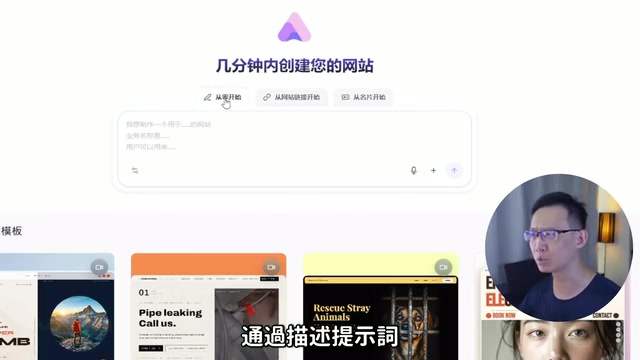
Readdy AI Hands-On Review: How Well Does Style Cloning Work for Website Building?
Hands-on review of Readdy AI's three website building modes, focusing on style cloning, editing capabilities, smart assistant, and pricing strategy.
Read more →
·2 min
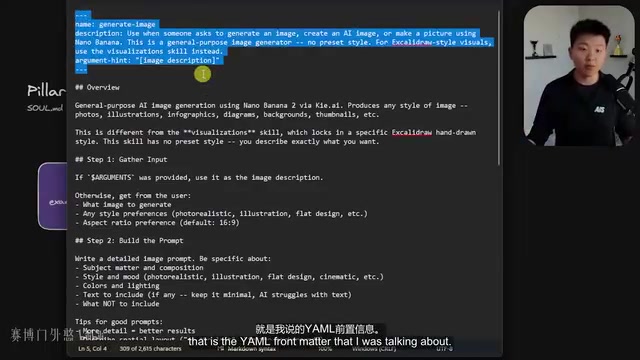
Hermes Agent in Practice: A Complete Guide from VPS Deployment to Telegram Integration
A detailed guide to deploying Hermes Agent on VPS with Docker, integrating Telegram Bot, configuring scheduled tasks, and scaling with multi-agent strategies.
Read more →
·2 min
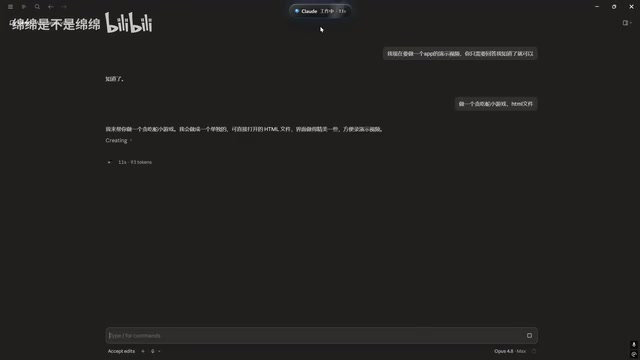
Claude Code Desktop Status Capsule: An Open-Source Widget for Real-Time AI Coding Status Monitoring
An open-source desktop status capsule that monitors Claude Code's idle, working, and completed states in real time, with multi-conversation management, memos, and music control for developers.
Read more →
Deep Dive into the Three AI Programmin…
·3 min
Deep Dive into the Three AI Programming Frameworks: The Right Way to Do Specification-Driven Development
Deep dive into the three frameworks of Specification-Driven Development (SDD) for AI programming: Blueprint, Execution Flow, and Change Records — solving the problem of AI code going off the rails.
Read more →
·2 min
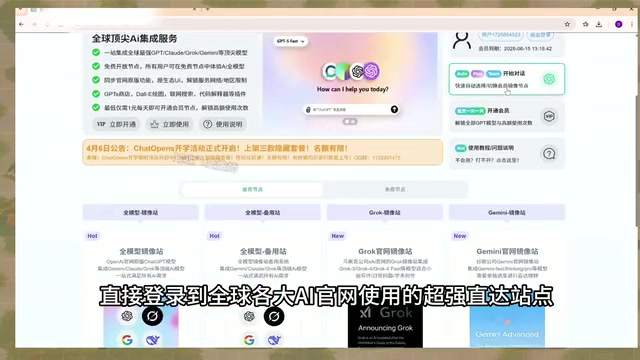
AI Aggregator Platforms Tested: A Complete Guide to Using GPT 5.5 and Other Top Models for Free
A hands-on guide to using GPT 5.5, Gemini 3.1 Pro, and Grok 4.2 for free via AI aggregator platforms, covering cross-model context memory, account pool mechanisms, and key security risks.
Read more →
·3 min
Vibe Coding in Practice: A Junior Student Uses Cursor to Build a Multi-Agent System with 51 AI Officials Based on the Three Departments and Six Ministries Framework
A junior student uses Cursor and Vibe Coding to build a multi-agent system with 51 AI officials modeled on China's Three Departments and Six Ministries, featuring task distribution, approval workflows, and Token cost visualization.
Read more →
·2 min
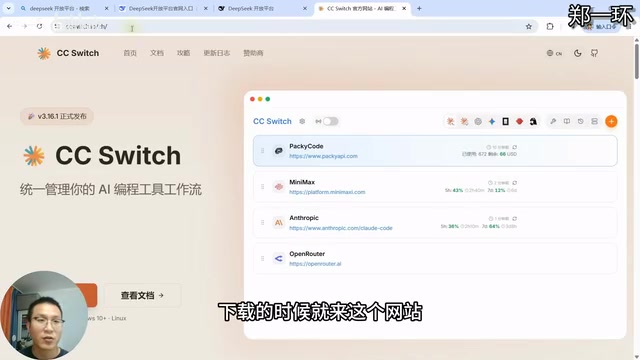
How to Connect Codex to DeepSeek Models: Free Switching via CC Switch
Learn how to connect OpenAI Codex to DeepSeek models via CC Switch, enabling free switching between DeepSeek and GPT with complete setup and routing guide.
Read more →
·2 min
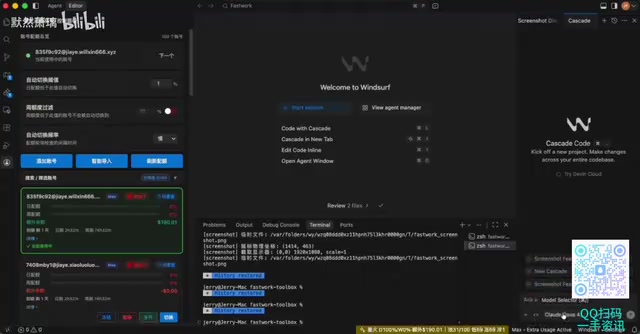
SparkWinShape Tutorial: A Detailed Guide to Windsurf Unlimited Multi-Instance Account Switching Tool
Detailed guide to SparkWinShape tool's core features and tutorial, including Windsurf auto account switching, multi-instance setup, probe detection, compliance risks, and alternatives.
Read more →

·2 min
Anthropic Team in Practice: Claude Code Experience with 16 Parallel Agents Developing a Compiler
Deep analysis of Anthropic's real-world Claude Code practices: 16 parallel Agents building a C compiler, three-role architecture for full-stack apps, smart approvals solving 93% blind approval issues, and six official best practices.
Read more →
·3 min
Cursor Internal Data: 75% of Code Generated by AI, Engineers Transforming into Agent Managers
Cursor reveals internal data: enterprise AI-generated code surges from 15% to 75%, Agent requests grow 15x YoY, and 30% of PRs are completed entirely by Agents. Engineers are becoming Agent managers.
Read more →
·2 min
NotebookLM Anniversary Data Revealed: The Source-Driven AI Revolution Behind 1.5 Billion Notebooks
Google NotebookLM celebrates its anniversary with 1.5 billion notebooks, audio overviews, and slides created. A deep dive into its source-driven AI design, core features, and future direction.
Read more →
·2 min
v0 Integrates with Shopify: AI Conversations Generate Production-Grade E-Commerce Websites
Vercel's AI tool v0 announces deep Shopify integration, enabling users to generate production-ready e-commerce storefronts via natural language prompts.
Read more →
·4 min
Anthropic's Official Breakdown: Three Core Components for Building AI Agents
Anthropic Developer Conference deep dive into three core AI Agent architectures: Build (code execution), Connect (Web Search & MCP), and Optimize, with live demos and multi-tool collaboration examples.
Read more →
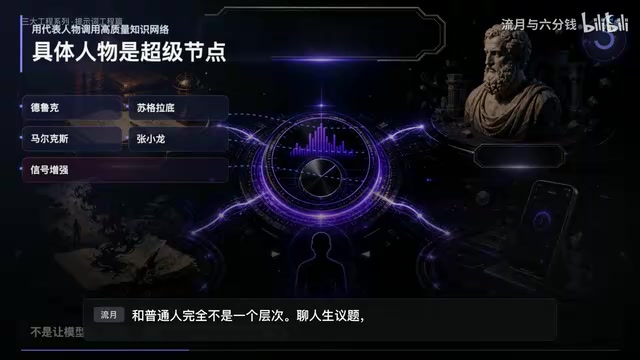
·4 min
Can't Fill Out Prompt Templates Properly? The Four-Module Incremental Method Doubles Your AI Output Quality
Struggling with prompt templates? Learn the four-module incremental method—Role, Skills, Constraints, Response Format—to dramatically improve AI output quality.
Read more →

·4 min
Cursor Composer2 Training Revealed: A Complete Guide to Distributed Reinforcement Learning Engineering
Deep dive into how Cursor trained Composer2: two-stage architecture, global distributed clusters, MOE numerical alignment, simulation anti-cheating, and more.
Read more →
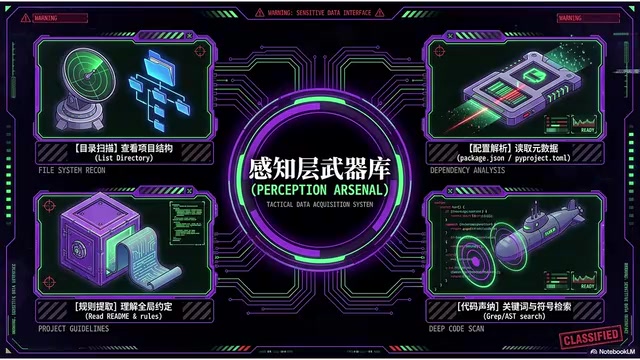
·4 min
Core Principles of Coding Agents: How Perception and Context Engineering Determine AI Coding Effectiveness
Deep dive into why coding Agents differ: perception lets Agents understand projects first, context engineering precisely filters information within limited token budgets.
Read more →
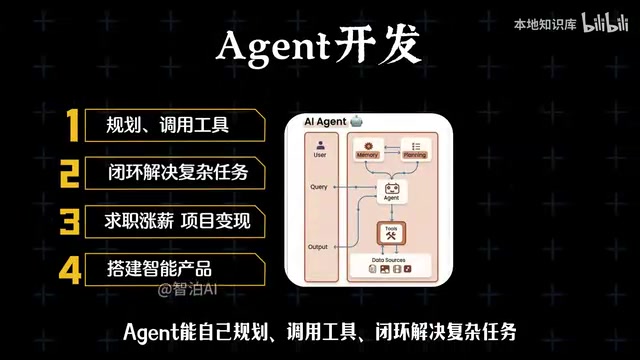
·4 min
Agent Development Learning Roadmap: A Four-Stage Systematic Guide from Beginner to Practitioner
A systematic four-stage learning roadmap for AI Agent development, covering core concepts, classic paradigms like ReAct, multi-agent collaboration frameworks, and hands-on projects to master Agent development skills in 2-3 months.
Read more →

·4 min
The 8 Core Modules of Prompt Engineering: A Complete Guide from Fundamentals to Advanced Techniques
A systematic breakdown of the 8 core modules of prompt engineering, covering fundamentals, CoT, Few-shot, prompt security, and real-world AI applications.
Read more →