#context compression
27 related articles

·3 min
Hermes Agent Hands-On Review: An AI Efficiency Revolution for Indie Game Developers
Indie game developer reviews Hermes Agent vs OpenClaude: intelligent context compression, real-time Memory, remote control via Telegram, and practical use cases in game dev, social media, and email.
Read more →
·2 min
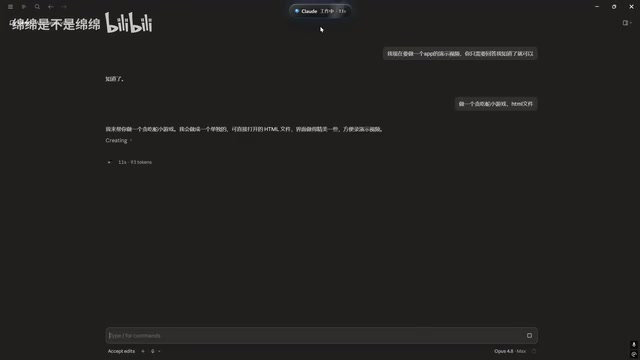
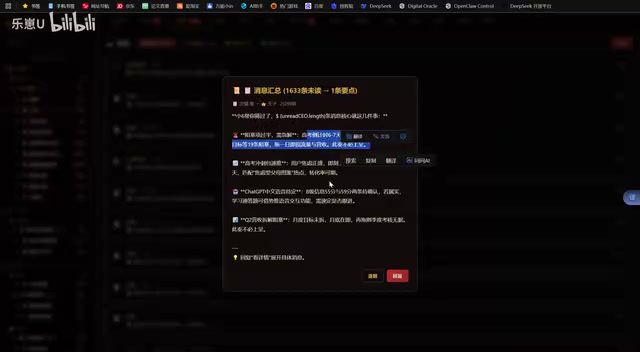
Claude Code Desktop Status Capsule: An Open-Source Widget for Real-Time AI Coding Status Monitoring
An open-source desktop status capsule that monitors Claude Code's idle, working, and completed states in real time, with multi-conversation management, memos, and music control for developers.
Read more →
·3 min
Vibe Coding in Practice: A Junior Student Uses Cursor to Build a Multi-Agent System with 51 AI Officials Based on the Three Departments and Six Ministries Framework
A junior student uses Cursor and Vibe Coding to build a multi-agent system with 51 AI officials modeled on China's Three Departments and Six Ministries, featuring task distribution, approval workflows, and Token cost visualization.
Read more →

·4 min
Cursor Composer2 Training Revealed: A Complete Guide to Distributed Reinforcement Learning Engineering
Deep dive into how Cursor trained Composer2: two-stage architecture, global distributed clusters, MOE numerical alignment, simulation anti-cheating, and more.
Read more →
Four Practical Claude Code Commands to…
·2 min
Four Practical Claude Code Commands to Double Your AI Programming Efficiency
Master four efficient Claude Code commands: Compact for context compression, WIT for local file import, precise targeting for fixes, and custom Commands to boost AI programming productivity.
Read more →
RTK Terminal Output Compression Tool: …
·3 min
RTK Terminal Output Compression Tool: Save 80% of Token Consumption in Claude Code
RTK is an open-source Rust terminal output compression tool for Claude Code. It intercepts git, npm, and other command outputs, cutting Token usage from 118K to 23.9K — saving ~80%. Free, offline, installs in 2 minutes.
Read more →
Save 80% Tokens with Claude Code: Head…
·3 min
Save 80% Tokens with Claude Code: Headroom vs RTK vs LinCTX Deep Comparison
Deep comparison of Headroom, RTK, and LinCTX—three open-source context compression tools. Real tests show 80% token savings in Claude Code sessions.
Read more →
Codex Beginner's Guide: Lessons Learne…
·3 min
Codex Beginner's Guide: Lessons Learned from 660 Million Tokens of Real-World Usage
Deep dive into OpenAI Codex Agent's core features, Skill ecosystem, context compression, and project-level Harness management tips from 660M tokens of real-world usage.
Read more →
 Product Reviews
·2 min
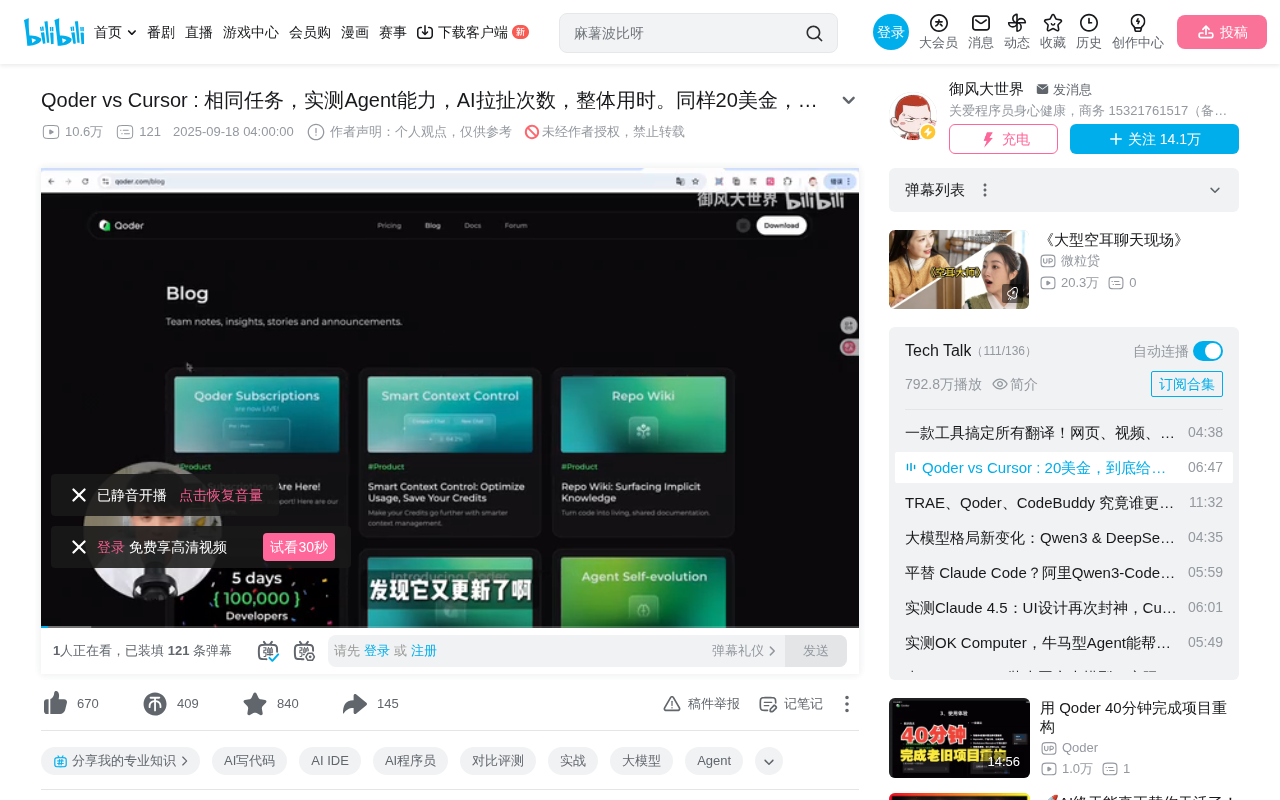
Qoder vs Cursor Real-World Comparison: Which $20/Month AI IDE Is Better?
Hands-on comparison of Qoder vs Cursor AI IDEs: Agent autonomy, human interaction count, and architecture decisions. Qoder needed only 2 interactions vs Cursor's 8.
Read more →
 Deep Dives
·3 min
Deep Dive into How OpenClaw (Open-Source Crayfish) AI Agent Works
Deep analysis of OpenClaw AI Agent internals: System Prompt, tool calling, SubAgents, Skill system, memory, and Context Engineering explained.
Read more →
 Deep Dives
·4 min
Is Context Engineering the Core of Agent Development? A Deep Dive into Architecture and Practical Solutions
Deep dive into context engineering as the core of Agent development, covering five context modules, four pain points, and dynamic assembly solutions including compression, hybrid retrieval, multi-Agent architecture, and state machine control.
Read more →
 Industry Insights
·2 min
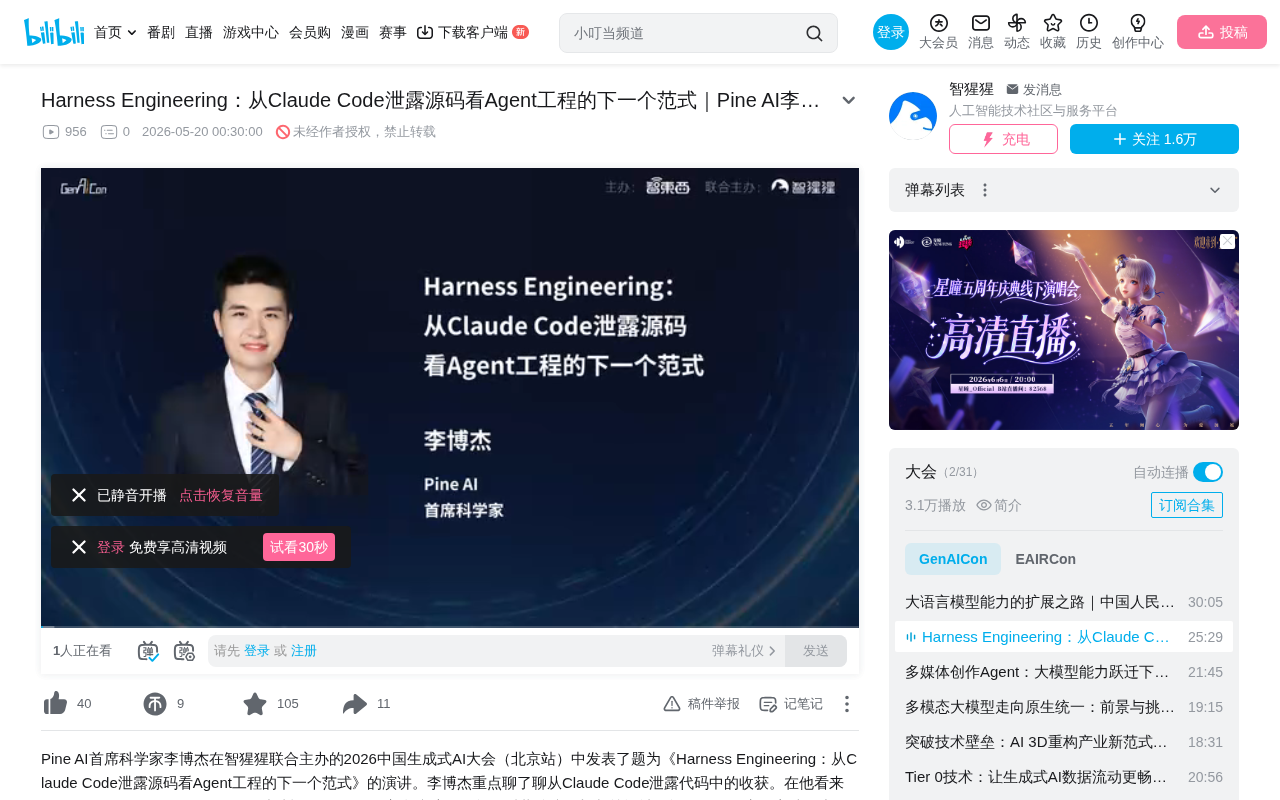
Claude Code Source Leak Reveals the Core Paradigm of Harness Engineering
Deep analysis of the Claude Code source leak, comparing OpenCode architecture differences, revealing how Harness Engineering determines the floor of Agent capabilities.
Read more →
 Research
·4 min
Deep Dive into Claude Code's Open-Source Architecture: The Design Philosophy Behind 510,000 Lines of Code
Deep analysis of Claude Code's open-source architecture: dual-loop design, 7-step tool pipeline, 4-layer token compression, memory systems, and multi-agent collaboration patterns.
Read more →
 Product Reviews
·3 min
Claude Code 2.1 Deep Dive: Hooks Automation, MCP Ecosystem & Multi-Agent Collaboration Fully Explained
Full breakdown of Claude Code 2.1: Opus 4.6 model upgrade, Hooks deterministic automation, Skills multi-agent collaboration, MCP tool chain integration, plus IDE shortcuts and practical commands.
Read more →
Tutorials
Is Context Engineering the Core of Age…
·2 min
Is Context Engineering the Core of Agent Development? A Deep Dive into a High-Frequency Interview Question
Deep dive into a top LLM interview question: Is context engineering the core of Agent development? Covers five context modules, four pain points, and advanced solutions.
Read more →
Tutorials
Building AI Agents with Node.js: Repla…
·3 min
Building AI Agents with Node.js: Replacing Prompt Engineering with Function Calls
Learn how to refactor a Node.js AI Agent using Function Calls instead of prompt engineering. Covers tool definition via JSON Schema, the Agent Loop, and key implementation details from analyzing Claude Code.
Read more →
 Tech Frontiers
·2 min
Opus 4.8 Lands on Cosmos: Breaking Down Its Long-Running Autonomous Task Execution
Claude Opus 4.8 launches on Cosmos with multi-hour autonomous task execution, end-to-end ticket-to-PR workflows, and deep Linear/Sentry integration, marking a new era for AI coding assistants.
Read more →
Product Reviews
Deep Dive into Qwen3.7 Max: One-Tenth …
·3 min
Deep Dive into Qwen3.7 Max: One-Tenth the Cost of GPT, Purpose-Built for AI Agents
Alibaba's Qwen3.7 Max targets AI agents with coding tasks at just $1.30 (one-tenth of GPT-5), supporting 35 hours of continuous execution. Deep analysis of its cost advantages, front-end capabilities, and three key limitations.
Read more →
Product Reviews
Claude Code vs Codex Deep Dive: A Prac…
·3 min
Claude Code vs Codex Deep Dive: A Practical Guide to Choosing the Right AI Coding Tool
A comprehensive comparison of Claude Code and OpenAI Codex covering architecture, use cases, and benchmarks to help you choose the right AI coding tool.
Read more →
Industry Insights
Six Foundational Upgrades to Claude Co…
·3 min
Six Foundational Upgrades to Claude Code: AI Programming Moves from Lab to Industrial Scale
Anthropic's largest-ever foundational upgrade to Claude Code fixes six critical issues at once—terminal flickering, thinking freezes, cryptic errors, context deadlocks, unstable connections, and session crashes—shifting AI coding competition to the infrastructure layer.
Read more →