#over-engineering
21 related articles

·4 min
Ponytail Plugin for Claude Code Tested: Dramatically Less Code, 50% Lower Costs
Real-world testing of Claude Code plugin Ponytail: YAGNI decision ladder dramatically reduces AI-generated code, cutting costs 47%-77% with weather dashboard comparison and benchmark analysis.
Read more →

·3 min
Ponytail Plugin: The Minimalist Philosophy That Makes AI Coding Agents Write Less Code
Ponytail is a minimalist plugin for Claude Code that uses YAGNI principles and a decision ladder to cut AI-generated bloat. Tests show 47%-77% cost savings and 94% less code.
Read more →
·2 min
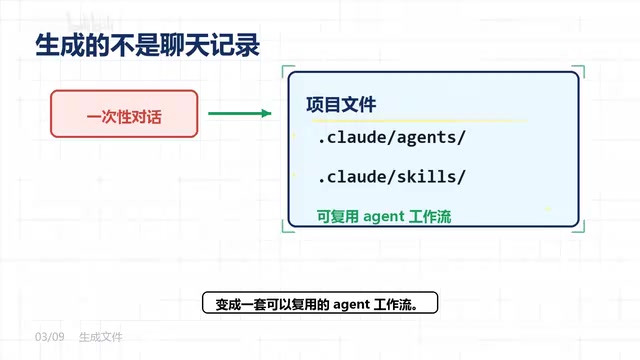
Harness: An Open-Source Framework That Generates Multi-Agent Teams from a Single Sentence
Harness is a 4.6K-star open-source multi-Agent framework that auto-generates AI teams from a single sentence, with six built-in collaboration architectures.
Read more →

·4 min
A Gen-Z Woman Making $1.5M/Month: Deconstructing the Growth Methodology Behind AI Apps
Gen-Z indie dev Nicole built 4 hit AI apps earning $1.5M/mo. Deep dive into her industrialized UGC engine, traffic testing system, and minimalist tech stack.
Read more →
·3 min
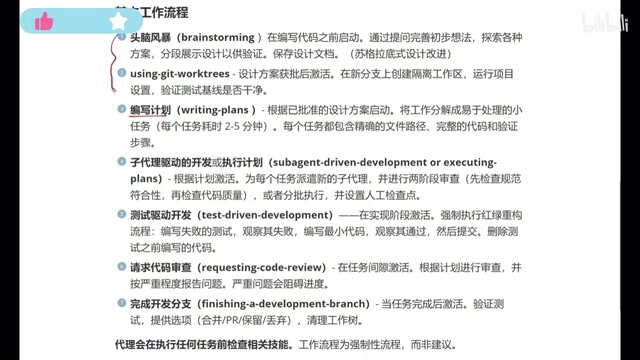
The Complete Guide to Codex Superpowers: 14 Skills That Make AI Follow Industrial-Grade Development Workflows
A complete guide to Codex Superpowers: 14 composable skills covering brainstorming, planning, TDD, and code review, with a real-world WeChat Mini Program case study.
Read more →
·4 min
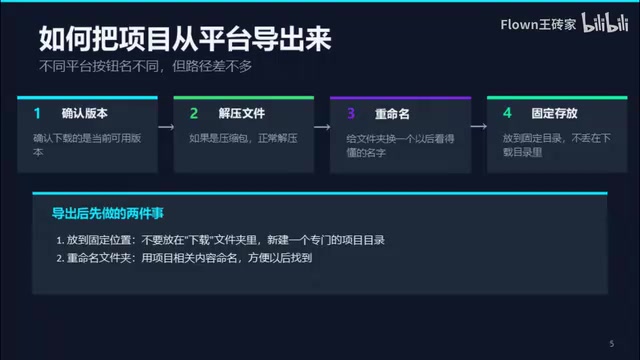
Getting Started with Vibe Coding: Setting Up Your AI Development Workspace from Platform to Local
A complete guide to setting up a local Vibe Coding workspace: export from platforms, run code with AI IDEs, make your first local edit, with prompting tips and error troubleshooting.
Read more →
·2 min
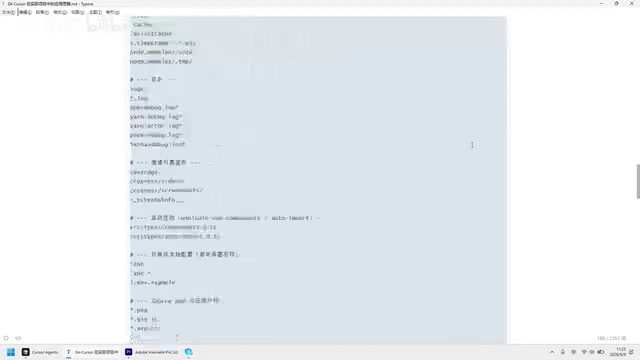
Cursor Practical Project Guide: Best Practices from Simple to Complex
A systematic guide to using Cursor across project types, covering capability boundaries, rules configuration, prompting techniques, and phased development.
Read more →

·3 min
Erste Group's AI Transformation in Practice: How a European Bank Balances Compliance and Innovation
Erste Group's CPO shares real-world AI transformation lessons: connecting customer data from day one, dual-track strategy, serving the neglected 80%, and rapid iteration under European banking regulations.
Read more →

·4 min
The Complete AI Programming Workflow: An Efficiency Revolution from Codex to Ghost
A deep dive into an indie developer's AI programming workflow, covering Codex, Ghost database management, Create Skills context system, and MCP servers for maximum efficiency.
Read more →
·1 min
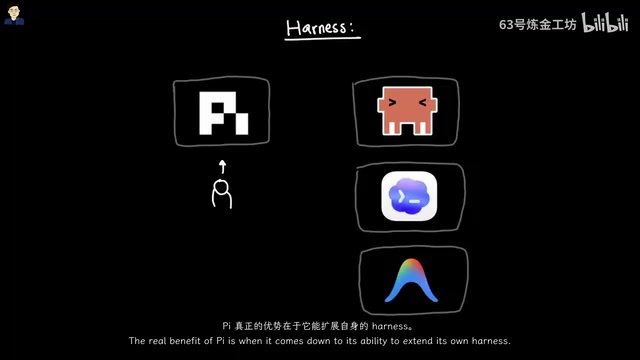
Pi Agent: When Every AI Coding Framework Is Adding More, It Chose to Subtract
Deep dive into Pi Agent's minimalist design: no sub-agents, no MCP, no background tasks—yet its self-extending Harness makes it ideal for building AI coding products.
Read more →

·2 min
Anthropic Team in Practice: Claude Code Experience with 16 Parallel Agents Developing a Compiler
Deep analysis of Anthropic's real-world Claude Code practices: 16 parallel Agents building a C compiler, three-role architecture for full-stack apps, smart approvals solving 93% blind approval issues, and six official best practices.
Read more →

·3 min
A Practical Guide for Agent Engineers: The Three-Phase Core Methodology for AI Programming
Master the three-phase methodology for Agent engineers: Ideation, Iteration, and Evolution. Build reliable AI programming systems without over-engineering.
Read more →

·2 min
Why Did the Touch Bar Fail? Lessons from Apple's Stubbornness and Compromise
Apple's MacBook Pro Touch Bar launched in 2016 and was eventually removed—a story of Apple's refusal to adopt touchscreen Macs. This article analyzes three reasons for its failure and lessons for tech product design.
Read more →

·4 min
Five Common Misconceptions in AI Agent Development: An Essential Guide Before You Start
Debunking 5 common AI Agent development misconceptions: Agents aren't smarter ChatGPTs, complexity doesn't equal power, and RAG can't cure hallucinations. Learn the right approach to building Agents.
Read more →
 Tutorials
·2 min
A Single .md File Reduced AI Coding Errors from 41% to 3%
A viral GitHub project uses just 65 lines in a .md rules file with 12 coding principles to reduce AI programming errors from 41% to 3%. Learn the four golden rules and 8 advanced techniques.
Read more →
 Industry Insights
·2 min
Bun Bids Farewell to Zig: AI Completes 960K-Line Rust Rewrite in 6 Days — Full Breakdown
Bun v1.3.14 may be the last Zig-era release. AI Agents completed a 960K-line Zig-to-Rust migration in 6 days with 99.8% test pass rate. Full analysis inside.
Read more →
 Tutorials
·3 min
Practical Guide: Karpathy's Four Principles for Fixing Claude Code's Three Major Pain Points
How Karpathy's four LLM programming principles fix Claude Code's false assumptions, over-complexity, and out-of-scope modifications, with installation methods and framework comparisons.
Read more →
 Tutorials
·3 min
Beginner's Guide to Skills: Packaging Repetitive Workflows as AI Skill Packs
Learn AI Skill packs: how to install and create them. Encapsulate repetitive workflows into reusable Skills and trigger complete AI workflows with one sentence.
Read more →
Tutorials
BMad-Method: Building an AI Agile Deve…
·3 min
BMad-Method: Building an AI Agile Development Team with a Multi-Agent Framework
Deep dive into BMad-Method, an open-source multi-agent framework simulating a full agile team—from business analysis to QA—supporting Claude Code, Cursor, and more.
Read more →
 Deep Dives
·3 min
Single-Agent vs Multi-Agent: A Three-Step Decision Framework for Choosing the Right Architecture
Based on Anthropic's engineering practices, a detailed three-step decision framework for single-agent vs multi-agent architecture: bottleneck identification, technical feasibility, and business value filtering.
Read more →