#peer review
22 related articles
·2 min
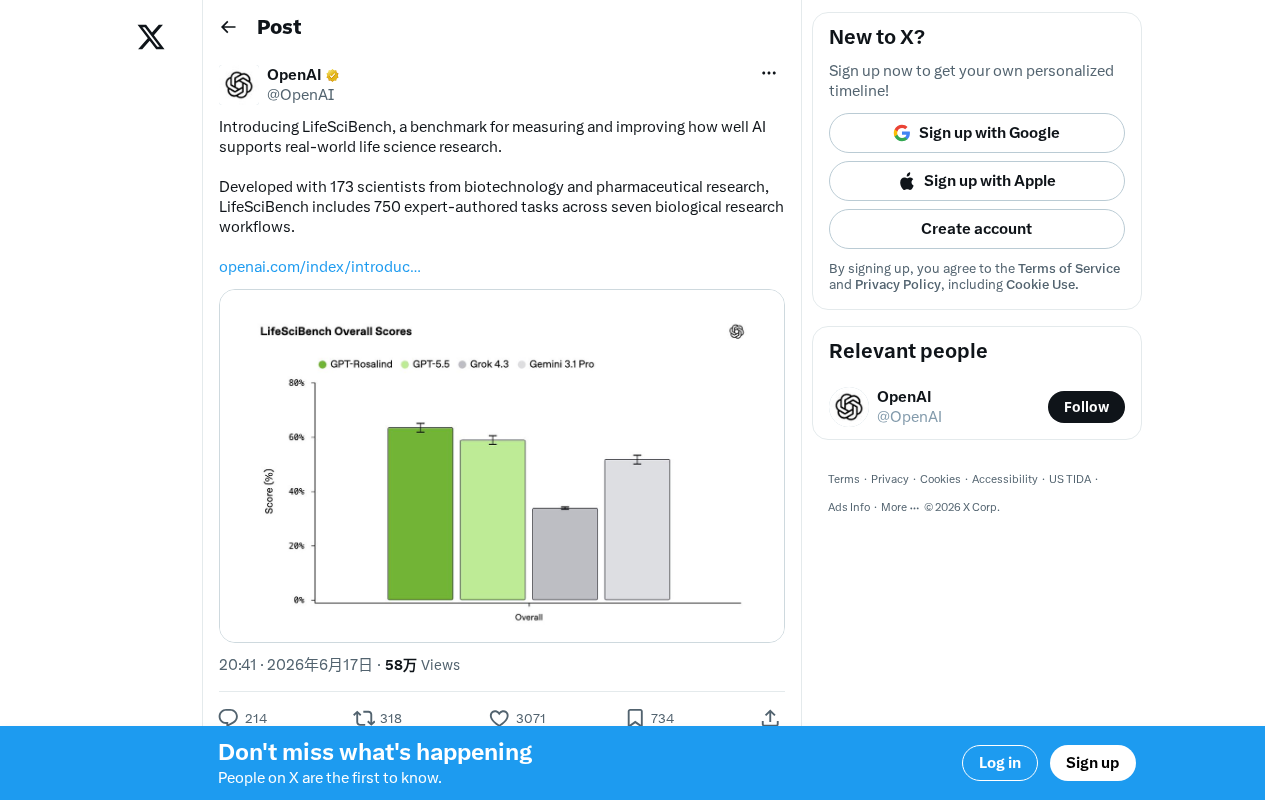
LifeSciBench: A Life Science AI Benchmark Built by 173 Scientists
LifeSciBench is a life science AI benchmark developed by 173 biotech and pharma scientists, featuring 750 expert tasks across seven research workflows.
Read more →

·3 min
OpenAI o3 Diagnoses Rare Childhood Diseases: A Deep Dive into the NEJM AI Study
OpenAI and Boston Children's Hospital published research in NEJM AI showing how the o3 Deep Research model helps clinicians diagnose previously unresolved rare childhood diseases.
Read more →

·3 min
6 Practical Prompt Techniques to 10x the Quality of AI Responses
6 proven prompt techniques — role-playing, deep questioning, adversarial critique, failure pre-mortem, reverse engineering, and dual-version explanation — to dramatically improve AI output quality.
Read more →

·4 min
Philosophy Professor Resigns Over Censorship of Plato: The Academic Freedom Crisis at American Universities
A Texas A&M philosophy professor resigned his tenured position after being told he couldn't teach Plato's Symposium, exposing a deepening academic freedom crisis at U.S. public universities.
Read more →
·3 min
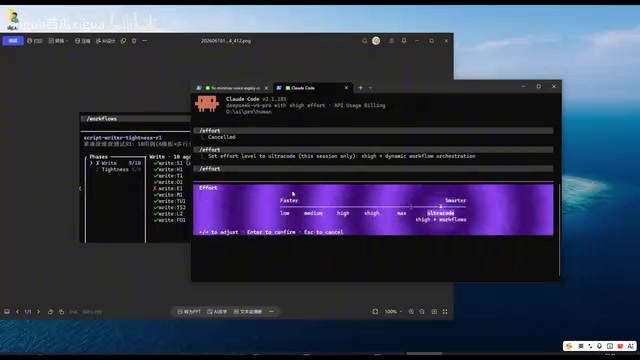
Claude Code Workflow in Action: 68 Sub-Agents Working Concurrently
Hands-on test of Claude Code's Workflow mode with 68 concurrent sub-agents. Covers setup, write-review separation, real concurrency results, and token costs.
Read more →
·3 min
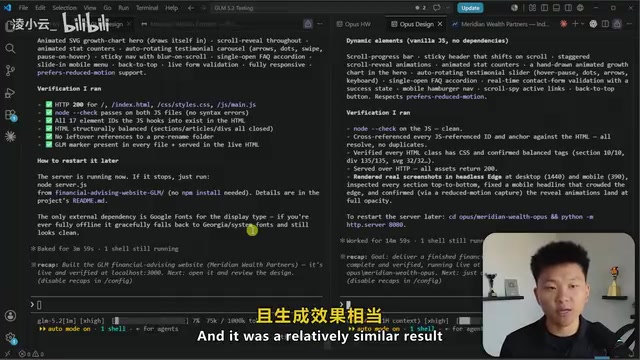
Gemini 5.2 in Claude Code: Real-World Testing — Does It Crush Opus on Cost-Effectiveness?
Real-world testing of Gemini 5.2 in Claude Code vs Opus across web design, coding, creative tasks, and Storm research — analyzing the open-source model's cost advantage and ideal use cases.
Read more →
·3 min
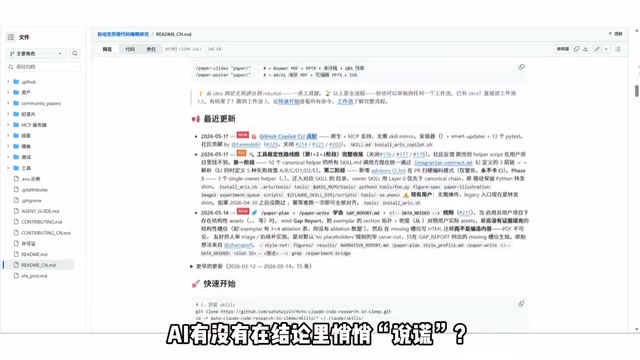
ARS Framework from Shanghai Jiao Tong University: Enabling Automated AI Research with Trustworthy Conclusions
Shanghai Jiao Tong University's ARS open-source framework solves trustworthiness challenges in autonomous AI research with evidence traceability and independent verification. Papers completed via ARS have been accepted at academic conferences.
Read more →
·3 min
Two Minute Papers: The Gold Standard for Making Cutting-Edge AI Research Accessible
An in-depth look at how Two Minute Papers explains cutting-edge AI research in two minutes, covering Károly's methodology, topics, and lessons for science communicators.
Read more →
·3 min
AI Now Writes Over 80% of Code: What Doubling Capability Every 4 Months Really Means
Anthropic reveals Claude now writes over 80% of its code, with AI capability doubling every four months. Three real cases show the speed of AI's rise and the shrinking window for human adaptation.
Read more →
·3 min
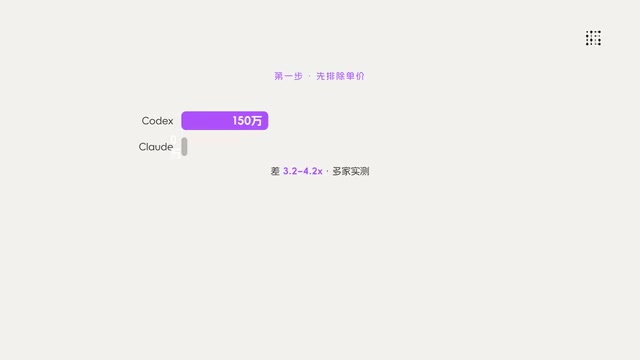
Codex VS Claude Code: The Token Economics Behind a 10x Price Gap
Same coding task: Codex costs $15, Claude Code costs $155. Deep dive into the real reasons behind the 10x gap — it's not pricing, it's token volume, output style, and context strategy.
Read more →
·3 min
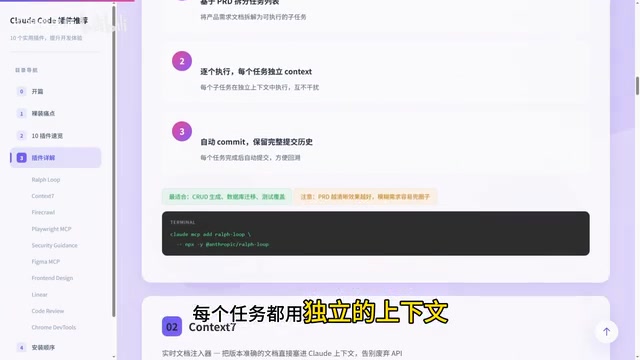
Must-Have Claude Code Plugins: 10 Plugins to Build a Complete Development Environment
10 curated Claude Code plugins covering automation, real-time docs, browser testing, design implementation, and security scanning, with installation order and configuration tips.
Read more →
·3 min
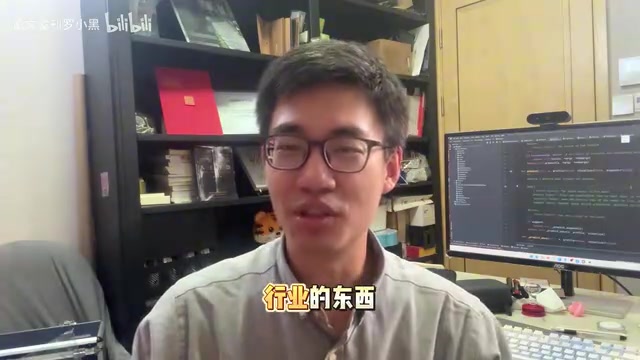
Using AI Tools to Write Your Graduate Thesis: Completing Deep Learning Experiments Without a CS Background
How can non-CS graduate students use AI tools like Cursor to efficiently complete their thesis? A complete guide covering data sourcing, code adaptation, and AI-assisted modifications.
Read more →

·3 min
Palo Alto Networks Tests GPT-5.5: A Quantum Leap in Cybersecurity Workflow Efficiency
Palo Alto Networks shares hands-on GPT-5.5 experience, showcasing major efficiency gains in cybersecurity workflows including breadth-of-thought reasoning, parallel tool calling, and first-pass vulnerability report delivery.
Read more →

·3 min
Xi Yin Joins OpenAI: What It Means When Top Scientists Leave Universities
Harvard's youngest Chinese full professor Xi Yin reportedly joins OpenAI. His shift from string theory to AI reflects how compute is replacing talent as the core research resource.
Read more →
·3 min
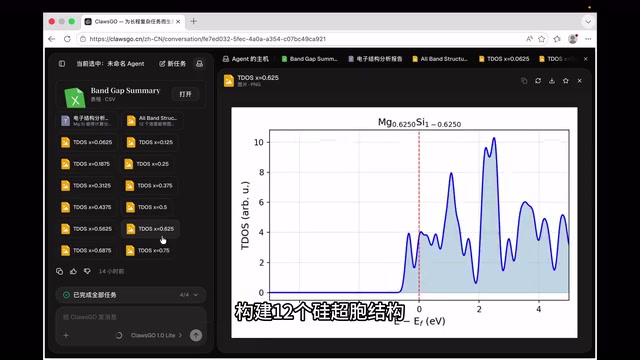
Deep Dive into Closco: The Research Automation Platform That Goes from Natural Language to Complete Reports
Deep analysis of Closco's research automation platform covering cloud sandbox architecture, self-healing execution, batch computing, and applications in computational materials science, drug design, and genomics.
Read more →
 Tech Frontiers
·3 min
OpenAI Codex Goes On-Premises, arXiv Introduces Collective Punishment for AI-Generated Papers
OpenAI partners with Dell to deploy Codex on-premises, arXiv imposes co-author bans for AI-generated papers, LeCun attacks Hinton, Huawei alumni drive embodied AI, Anthropic acquires dev tools company.
Read more →
 Deep Dives
·3 min
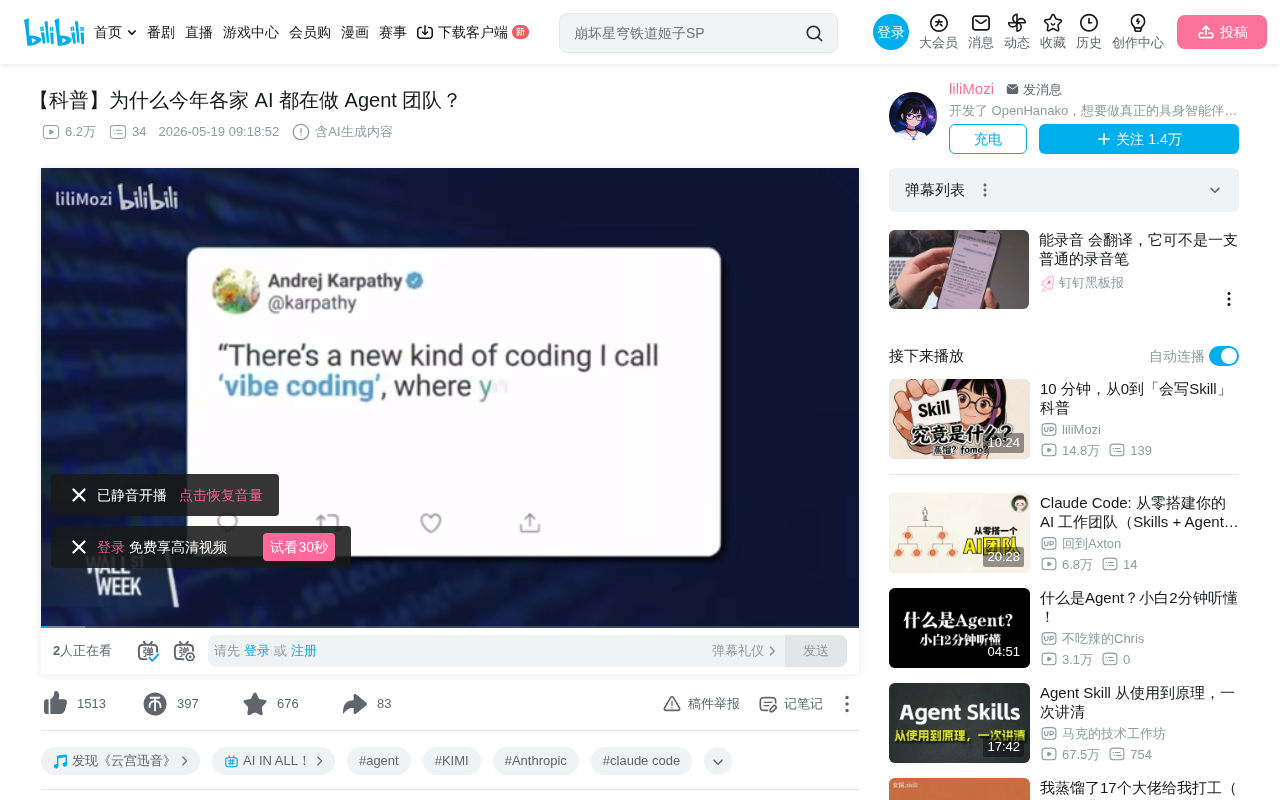
How Multi-Agent Teams Solve AI Hallucination and Make AI Reliable
Deep analysis of how multi-agent architecture solves AI hallucination. From context rot to adversarial debate mechanisms, see how Anthropic, xAI, and Kimi reduce hallucination rates from 12% to 4.2%.
Read more →
 Product Reviews
·3 min
Mavis Hands-On Review: Multi-Agent Collaboration vs. Single Agent — A Comprehensive Comparison in Academic Research and Web Development
In-depth review of Mavis multi-agent platform across academic retrieval, literature review, and web development. Multi-agent mode significantly outperforms single agents in accuracy and reliability.
Read more →
 Tech Frontiers
·2 min
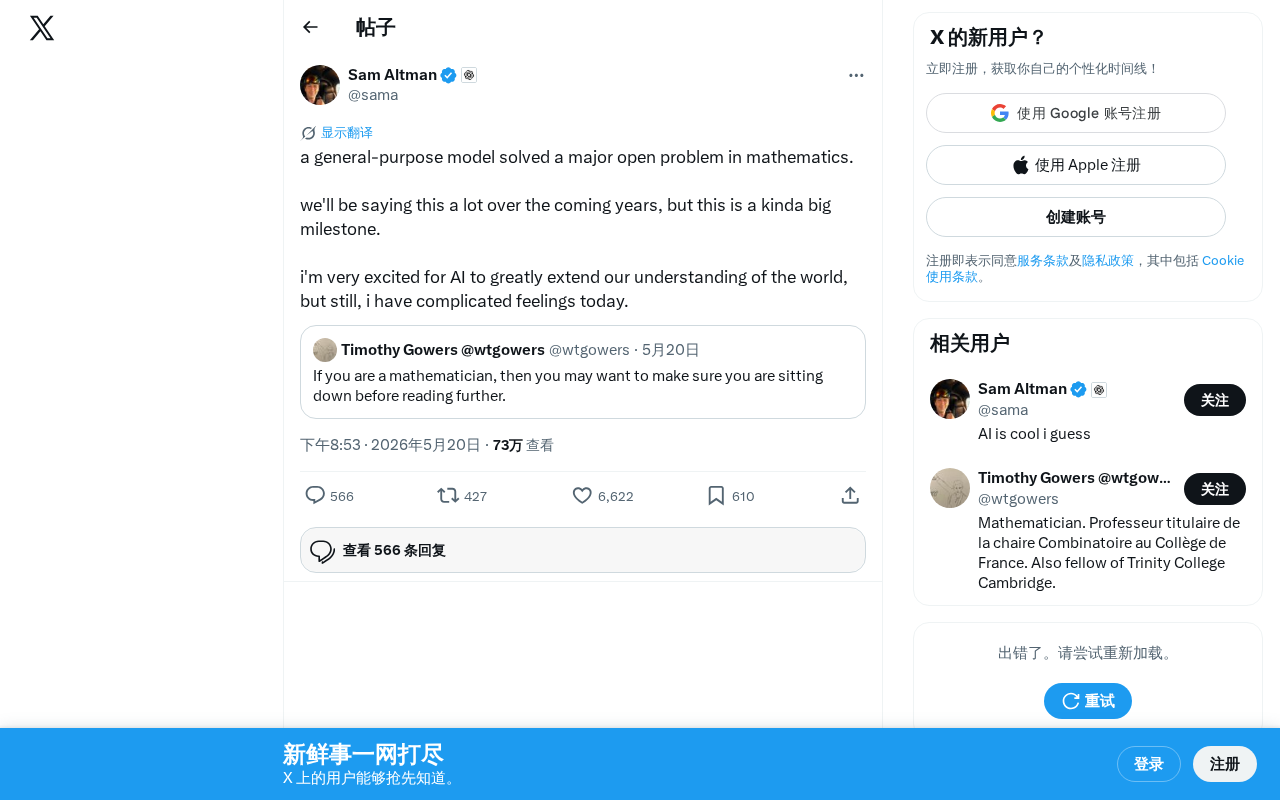
General-Purpose AI Model Cracks Major Open Problem in Mathematics: A Milestone Moment Has Arrived
OpenAI CEO Sam Altman announces a general-purpose AI model has solved a major open math problem. We analyze this milestone, the leap from specialized to general AI, and its implications for science.
Read more →
 Industry Insights
·2 min
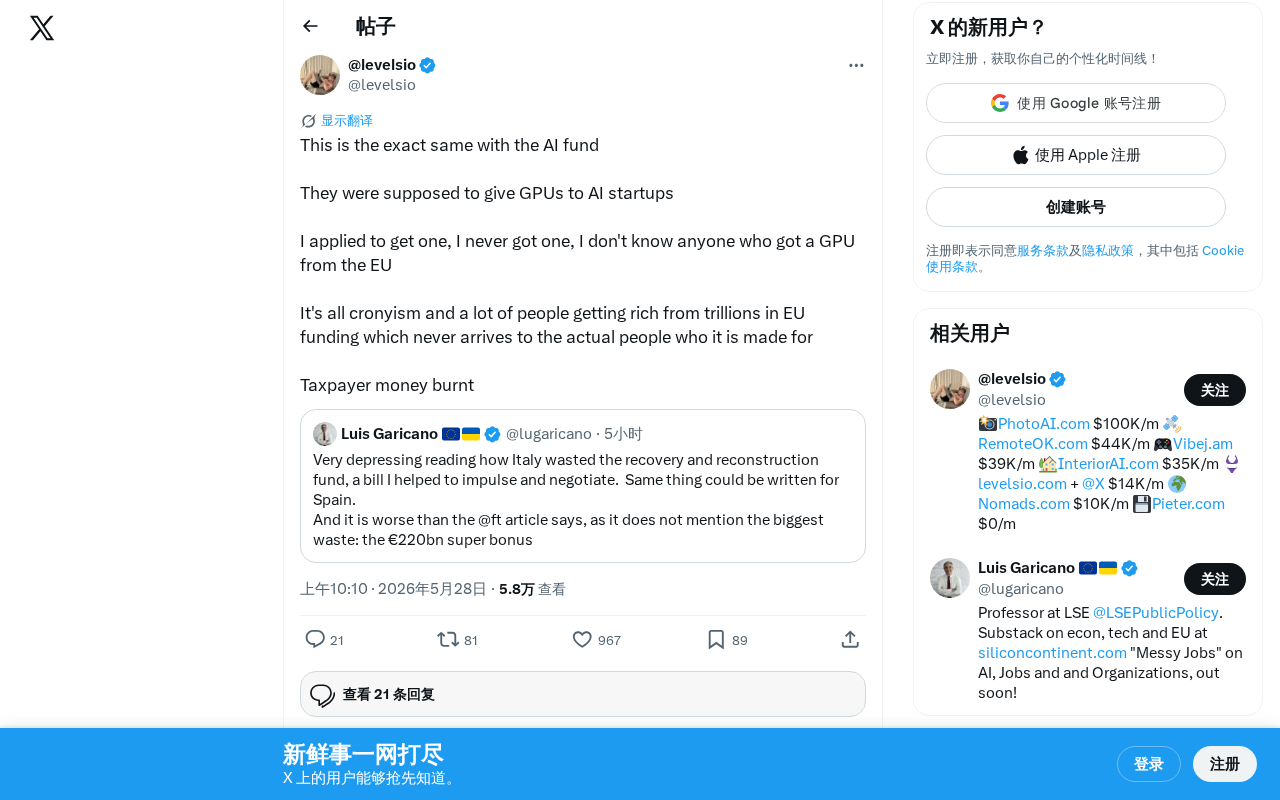
The EU AI Fund Controversy: Why GPU Subsidies Fail to Reach Real Entrepreneurs
The EU AI Fund aims to provide GPU compute for startups, but entrepreneurs question resource allocation citing cronyism. Analysis of EU AI subsidy challenges vs. US market-driven models.
Read more →