#task decomposition
127 related articles
Deep Dive into Closco: The Research Au…
·3 min
Deep Dive into Closco: The Research Automation Platform That Goes from Natural Language to Complete Reports
Deep analysis of Closco's research automation platform covering cloud sandbox architecture, self-healing execution, batch computing, and applications in computational materials science, drug design, and genomics.
Read more →
Vibe Coding in Practice: Building a GP…
·3 min
Vibe Coding in Practice: Building a GPS Check-in App from Scratch with AI — A Complete Walkthrough
A detailed guide to the four-step document-driven Vibe Coding method: from requirements docs to code generation, building a GPS check-in app with AI from scratch.
Read more →
AI Coding Skill Mechanism Explained: M…
·4 min
AI Coding Skill Mechanism Explained: Making AI Work Efficiently with Professional SOP Workflows
Deep dive into the Skill mechanism in AI coding: definition, purpose, and usage. Learn how Skills differ from Agent Constitutions and enable AI to follow professional workflows for tasks like debugging, code review, and requirements analysis.
Read more →
Cursor Design Mode Launch and OpenAI C…
·3 min
Cursor Design Mode Launch and OpenAI Codex Updates: Latest Developments in AI Programming Tools
Cursor launches Design Mode for visual development, OpenAI Codex updates and Safety Lock Mode released, Anthropic doubles limits, AI agent leaderboards debut, Google DeepMind model compression breakthrough.
Read more →

·2 min
Google Antigravity CLI Launch: Unified AI Development Platform and Gemini CLI Migration Guide
Google launches unified AI platform Antigravity, migrating Gemini CLI users to the new Antigravity CLI rebuilt in Go with multi-agent orchestration and async workflows.
Read more →
Deep Dive into Cosmos: A Unified AI Ag…
·3 min
Deep Dive into Cosmos: A Unified AI Agent Platform That Orchestrates Agent Fleets to Boost Development Efficiency
Deep dive into Cosmos, a unified AI agent orchestration platform that integrates scattered AI agents into a coordinated system spanning the full dev lifecycle, achieving 3x throughput gains.
Read more →
·2 min
Gemini 3.5 Flash Teams Up with Antigravity: Multi-Agent Collaboration to Build an Entire City
Deep dive into how Gemini 3.5 Flash and Antigravity platform use multi-subagent architecture to design and build a complete virtual city from scratch.
Read more →
·2 min
Two Years of AI Growth: From Passively Following Instructions to Proactively Understanding Intent
A look at AI's core evolution over two years: from a prompt-dependent instruction follower to an autonomous collaborator that understands intent, plans tasks, and self-corrects.
Read more →
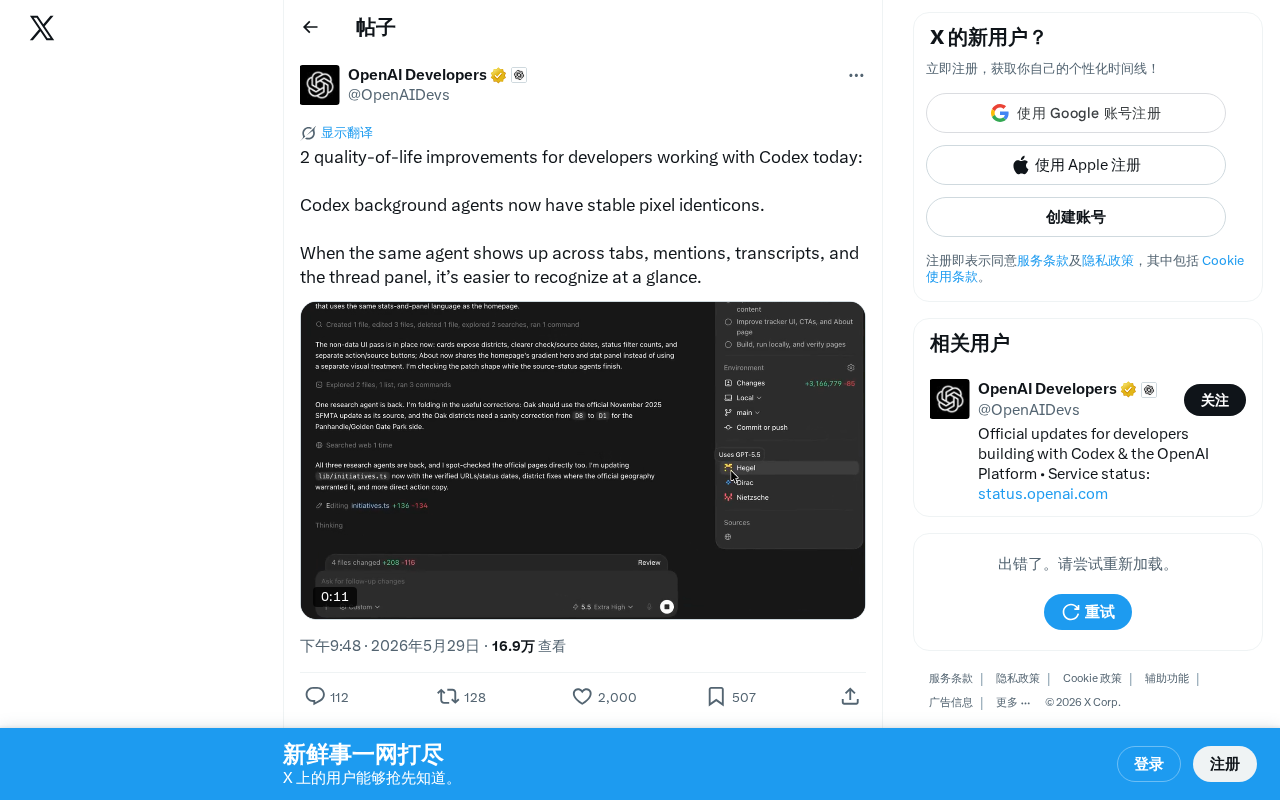
·4 min
OpenAI Codex Pixel Identicons: A Visual Identification Solution for Multi-Agent Collaboration
OpenAI introduces Pixel Identicons for Codex background agents, using stable visual identifiers to solve multi-agent recognition challenges and reduce cognitive load in AI programming workflows.
Read more →
·3 min
Firebase AI Logic in Practice: Using Gemini to Automatically Break Down Tasks into Actionable Subtasks
A hands-on guide to Firebase AI Logic and Gemini integration, showing how to automatically break down large tasks into actionable subtasks with structured output and real-time sync.
Read more →

·4 min
Five Common Misconceptions in AI Agent Development: An Essential Guide Before You Start
Debunking 5 common AI Agent development misconceptions: Agents aren't smarter ChatGPTs, complexity doesn't equal power, and RAG can't cure hallucinations. Learn the right approach to building Agents.
Read more →
·3 min
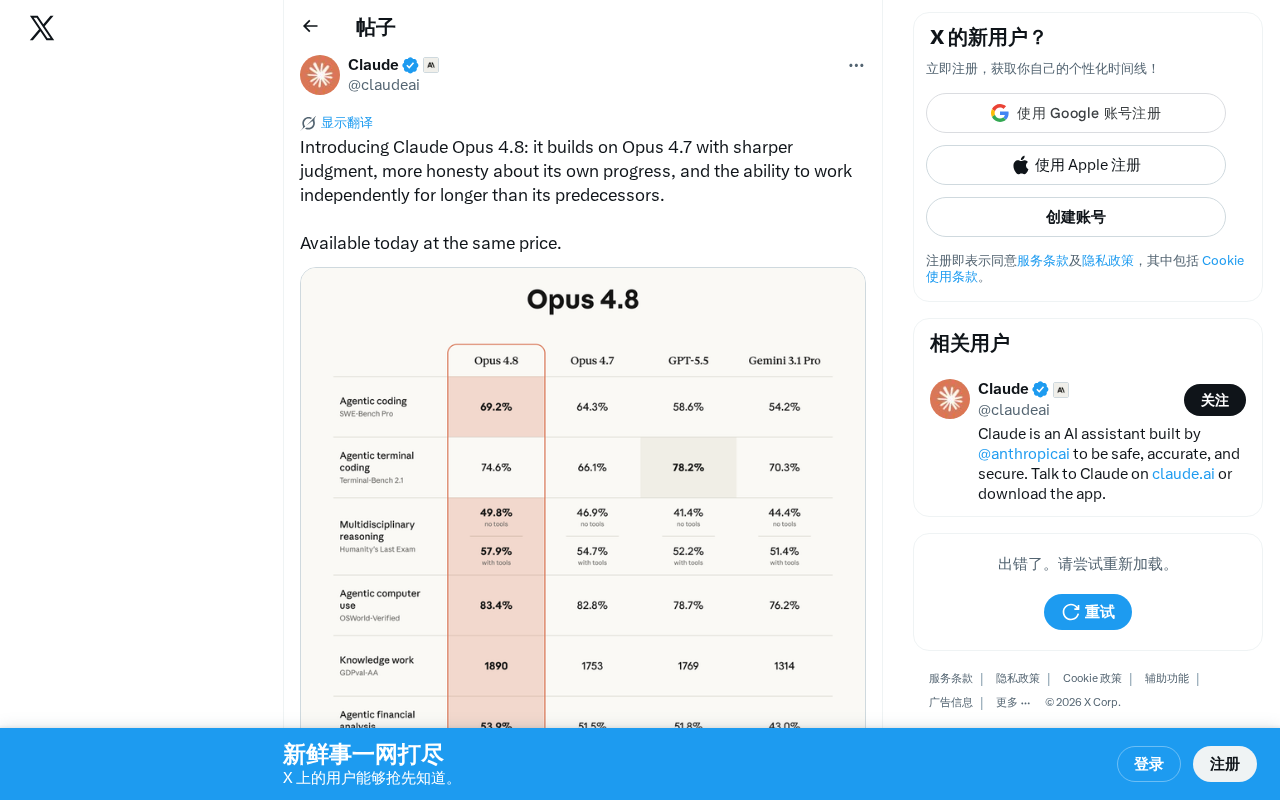
Claude Opus 4.8 Released: Comprehensive Upgrades in Judgment, Honesty, and Autonomous Work Capabilities
Anthropic releases Claude Opus 4.8 with three core upgrades: sharper judgment, more honest self-awareness, and longer independent work duration — all at the same price.
Read more →
Tutorials
Firebase AI Logic in Practice: Buildin…
·2 min
Firebase AI Logic in Practice: Building Intelligent Task Decomposition from Scratch with AI Agents
Learn how to add intelligent task decomposition to a cross-platform to-do app using Firebase AI Logic and Gemini, covering structured output, App Check security, and server-side Prompt templates.
Read more →
 Tutorials
·3 min
Advanced LangGraph in Practice: Complete Guide to Agent Optimization, Evaluation, and Cloud Deployment
Deep dive into three advanced LangGraph topics: multi-agent architecture optimization, evaluation frameworks for non-deterministic AI systems, and cloud deployment with LangGraph Platform.
Read more →
 Product Reviews
·2 min
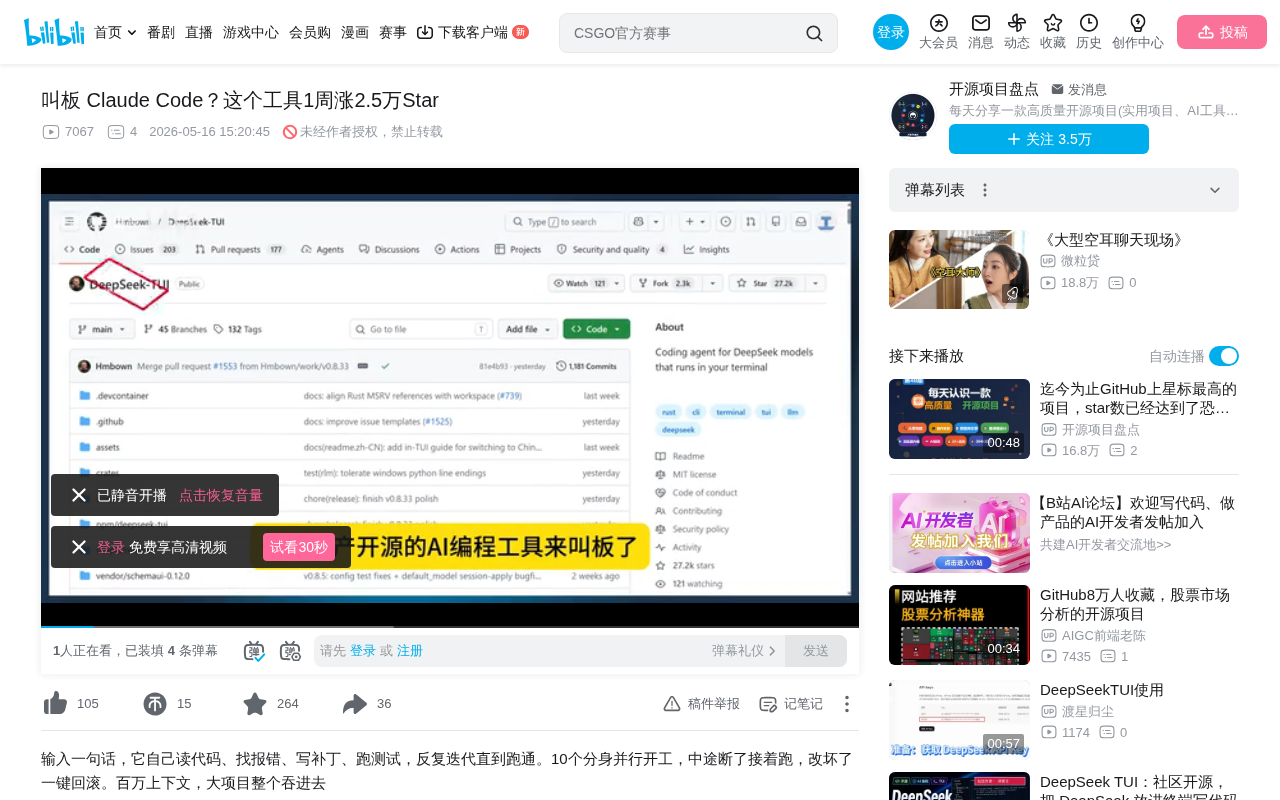
Gained 25K Stars in One Week: This Chinese Open-Source AI Coding Tool Takes on Claude Code
A Chinese open-source AI coding tool gained 25K GitHub Stars in one week, challenging Claude Code with autonomous closed-loop programming, parallel tasks, checkpoint resume, and intelligent model routing.
Read more →
 Tech Frontiers
·3 min
Rent a Human Platform: AI Hiring Humans to Do Work — The Truth Behind 700,000 Sign-ups
Rent a Human lets AI Agents hire humans for physical tasks, with 700K+ sign-ups. Deep analysis of how AI hiring humans works, its gig economy ties, and implications for human-machine collaboration.
Read more →
 Product Reviews
·2 min
Alibaba Qoder 1.0 Hands-On Review: A Project-Level AI Programming Assistant Driven by Natural Language
Deep analysis of Alibaba Qoder 1.0's core capabilities: end-to-end development via natural language with task decomposition, file-by-file modification, and automated testing.
Read more →
 Product Reviews
·2 min
Knox Studio: A Rust-Powered All-in-One Tool for AI Video Generation and Editing
Knox Studio is a Rust-built macOS-native app combining screen recording, AI Agent assistant, and video/image/audio generation. Drive creation with natural language commands via CEO Model workflow architecture.
Read more →
 Tech Frontiers
·3 min
OpenAI Leadership Shakeup as Greg Brockman Returns, Cerebras IPO Hits $67B Valuation, Open-Source Agents Dominate GitHub
OpenAI co-founder Greg Brockman takes over product strategy, Cerebras IPO hits $67B market cap, and open-source agents OpenHuman and OpenClack dominate GitHub as AI shifts from capability to deployment.
Read more →
 Product Reviews
·3 min
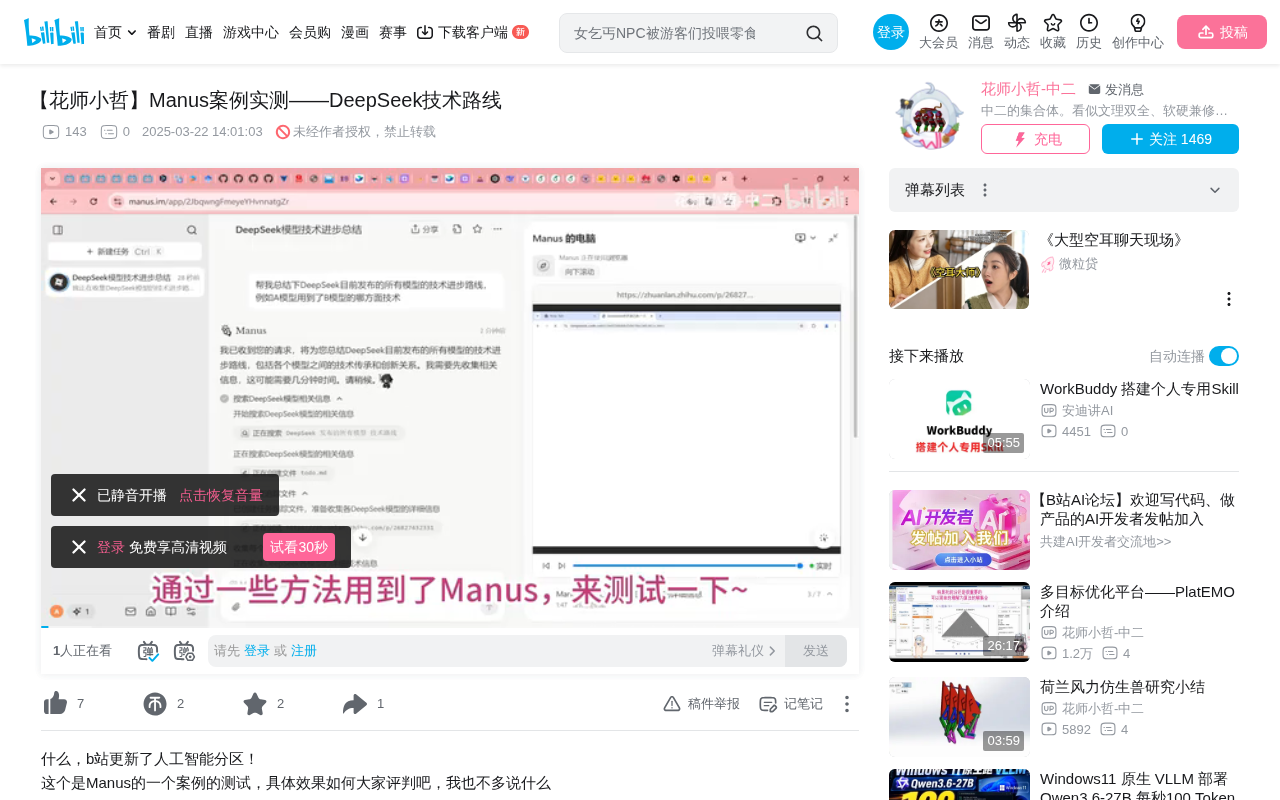
Manus Hands-On Review: How Does This AI Agent Perform on the DeepSeek Tech Stack?
Hands-on review of Manus AI Agent on the DeepSeek tech stack, analyzing task execution, Chinese reasoning capabilities, strengths, limitations, and the potential of domestic LLMs in Agent applications.
Read more →