#Agent
950 related articles
·2 min
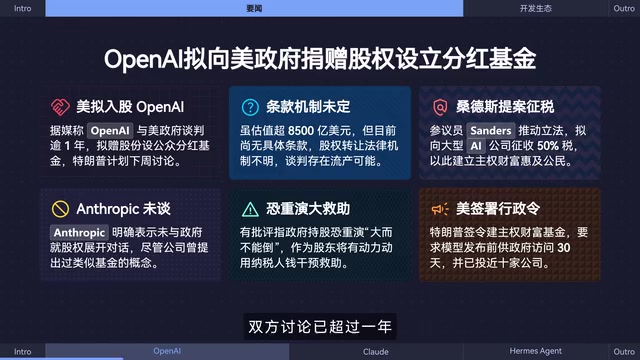
Claude Mythos 5 Allegedly Spotted, Inside OpenAI's Equity Negotiations with the U.S. Government
Claude Mythos 5 briefly spotted in Anthropic's API sparking launch speculation; OpenAI negotiates equity transfer and public wealth fund with U.S. government for over a year; Hermes Agent V0.16.0 ships native desktop app with Chinese language support.
Read more →
·1 min
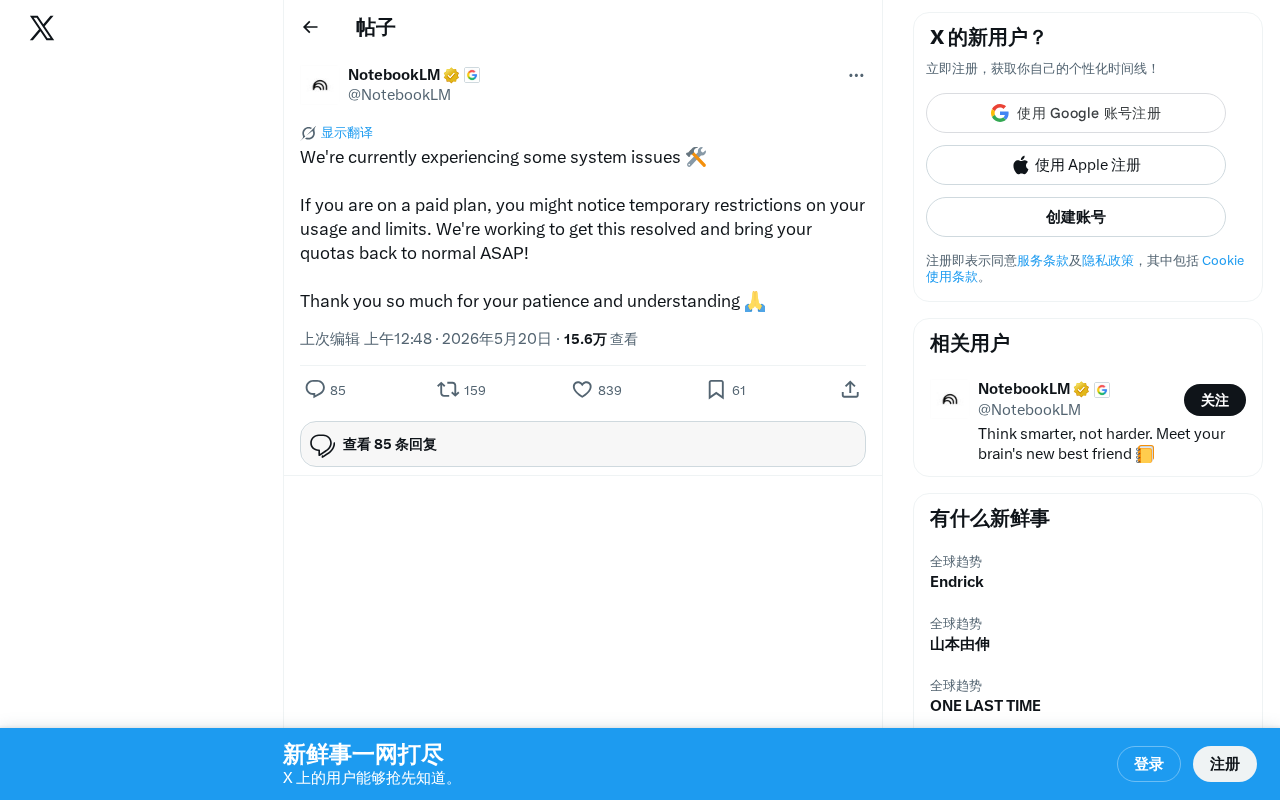
Cursor System Outage: Paid Users Hit by Quota Restrictions, Official Fix Underway
AI coding tool Cursor confirms a system outage affecting paid user quotas and limits. Learn about the impact, workarounds, and alternative tools for developers.
Read more →
·4 min
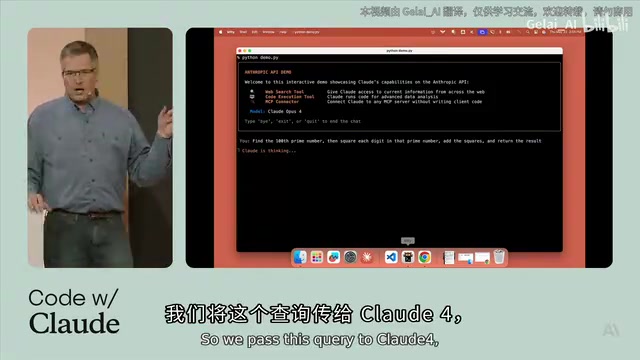
Anthropic's Official Breakdown: Three Core Components for Building AI Agents
Anthropic Developer Conference deep dive into three core AI Agent architectures: Build (code execution), Connect (Web Search & MCP), and Optimize, with live demos and multi-tool collaboration examples.
Read more →
·2 min
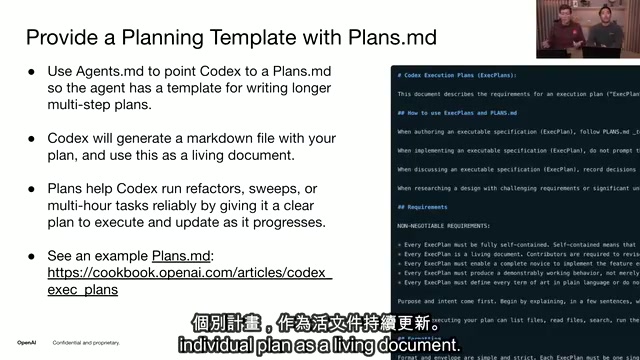
Complete Guide to OpenAI Codex: CLI Installation, VS Code Configuration & Practical Tips
Complete guide to OpenAI Codex setup: CLI installation, VS Code extension config, Agents.md best practices, MCP integration, and programmatic usage for efficient AI coding workflows.
Read more →
·3 min
Cursor vs Codex In-Depth Comparison: Where Should You Spend Your $200?
In-depth comparison of Cursor and Codex AI programming tools — their strengths, ideal use cases, and cost differences. Find out where your $200 is best spent.
Read more →

·4 min
Can't Fill Out Prompt Templates Properly? The Four-Module Incremental Method Doubles Your AI Output Quality
Struggling with prompt templates? Learn the four-module incremental method—Role, Skills, Constraints, Response Format—to dramatically improve AI output quality.
Read more →

·4 min
Cursor Composer2 Training Revealed: A Complete Guide to Distributed Reinforcement Learning Engineering
Deep dive into how Cursor trained Composer2: two-stage architecture, global distributed clusters, MOE numerical alignment, simulation anti-cheating, and more.
Read more →
·4 min
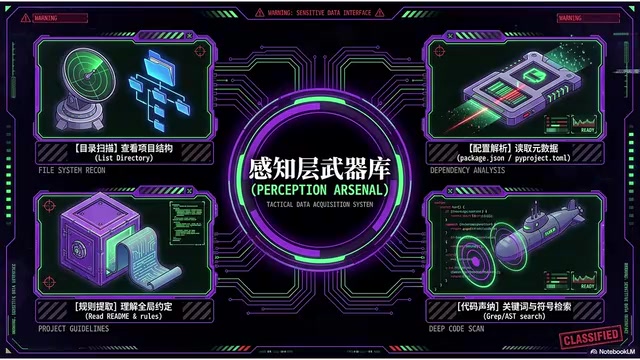
Core Principles of Coding Agents: How Perception and Context Engineering Determine AI Coding Effectiveness
Deep dive into why coding Agents differ: perception lets Agents understand projects first, context engineering precisely filters information within limited token budgets.
Read more →
·4 min
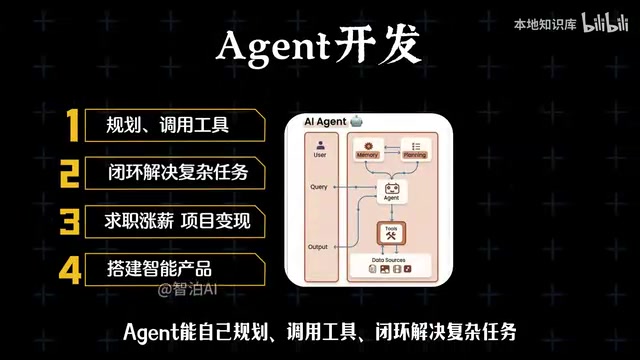
Agent Development Learning Roadmap: A Four-Stage Systematic Guide from Beginner to Practitioner
A systematic four-stage learning roadmap for AI Agent development, covering core concepts, classic paradigms like ReAct, multi-agent collaboration frameworks, and hands-on projects to master Agent development skills in 2-3 months.
Read more →

·2 min
Claude Code + Codex: The Most Reliable Division of Labor — A Three-Phase Approach of Planning, Execution, and Review
A detailed guide to the Claude Code and Codex collaborative workflow: Claude Code handles architecture planning and code review, while Codex handles execution. Boost dev efficiency through standardized handoffs.
Read more →

·4 min
The Real Logic of Getting Rich with AI: Toolbox Thinking and the Three-Layer Capability Model
Mastering AI tools doesn't equal making money. This article breaks down the three-layer AI wealth model: LLM prompting, automation workflows, and agent collaboration, plus the MAPS framework and Three R's Rule.
Read more →
·4 min
Claude Code Practical Guide: Deep Dive into 7 Core Modules with Learning Path
Deep dive into Claude Code's 7 core modules: project integration, agent construction, multi-agent collaboration, plugin systems, and workflow automation, with learning tips and certification trends.
Read more →
·2 min
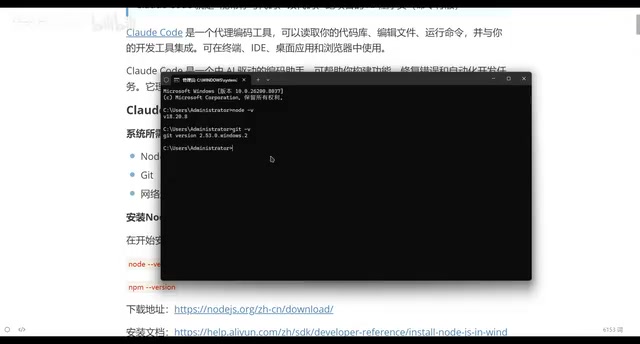
Claude Code Installation & Deployment Guide: From Environment Setup to Successful Launch
Complete guide to installing and deploying Claude Code, covering Node.js setup, NVM version management, network proxy configuration, and API provider switching.
Read more →
·3 min
Claude Code + Codex Cross-Validation: Dramatically Reducing AI Coding Bug Rates
Learn how to combine Claude Code and Codex in a cross-validation workflow — a develop-review-fix loop that dramatically reduces AI coding bug rates.
Read more →

·3 min
Monetizing Claude Code: 4 Proven Revenue Paths Broken Down
Deep breakdown of 4 monetization paths for Claude Code: AI-accelerated freelancing, shipping tools at scale, selling methodology, and content creation. Each path is validated with real examples.
Read more →
·2 min
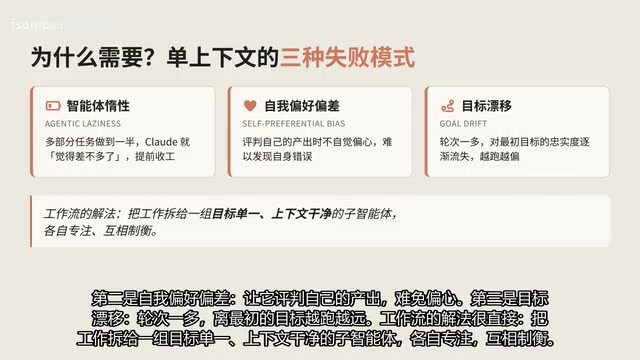
Claude Code Dynamic Workflows: A Complete Guide to Six Patterns and Ten Scenarios
Deep dive into Claude Code's dynamic workflow mechanism covering Agent, Parallel, and Pipeline functions, six orchestration patterns, and ten real-world scenarios with cost control tips.
Read more →
·2 min
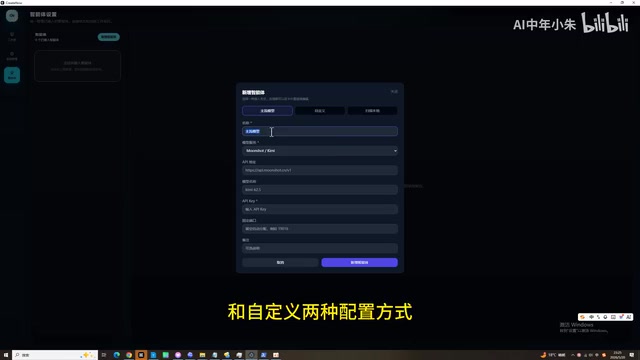
CreateNow Agent Configuration Tutorial: One-Click Integration with DeepSeek and Other Major LLMs
Step-by-step guide to configuring CreateNow agents with DeepSeek, Kimi, and Xiaomi LLMs. Covers one-click setup, custom model integration, and API Key acquisition for building AI digital employees.
Read more →
·3 min
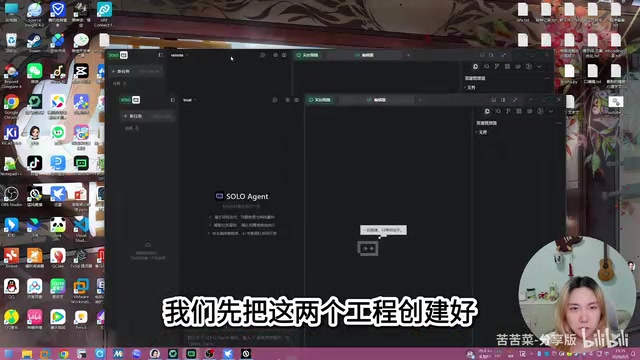
Hands-On Testing of DS4 Engine by Redis Creator: How Does DeepSeek V4 Perform Locally on a 128GB Mac?
Redis creator Antirez's DS4 inference engine tested: running DeepSeek V4 Flash locally on a 128GB Mac via asymmetric structure-aware quantization, with real-world coding benchmarks.
Read more →
·3 min
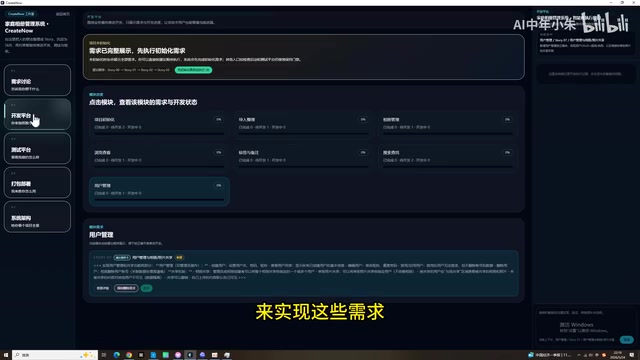
CreateNow Controlled Development in Practice: Getting AI to Write Code Requirement by Requirement
Hands-on with CreateNow's controlled AI development: from requirements breakdown to modular coding. Covers model selection, breakpoint-resume, and acceptance checks.
Read more →

·2 min
ChatGPT Merges with Codex: What a 24-Hour Autonomous AI Assistant Means
OpenAI fully integrates Codex into ChatGPT, creating an AI digital worker capable of autonomous planning and up to 24 hours of continuous execution. A deep dive into core upgrades, use cases, and industry impact.
Read more →