#LangGraph
80 related articles
 Product Reviews
·3 min
6 Developer Tools Roundup: AI Coding Cost Tracking, Agent Virtual File Systems, and More
Roundup of 6 developer tools: CodeBurn for AI coding token cost tracking, Mirage virtual file system for Agents, Boring SSH tunnel manager, PeerTrace file tree renderer, DataTab font-based data visualization, and Flu TypeScript Agent framework.
Read more →
 Tutorials
·2 min
AI Agent Team Automating Short-Video Production: A Complete Workflow from Raw Material to Publishing
Learn how multiple AI Agents form a collaborative team to automate short-video production end-to-end—from material mining and script generation to video packaging and cross-platform RPA publishing.
Read more →
 Deep Dives
·4 min
Is Context Engineering the Core of Agent Development? A Deep Dive into Architecture and Practical Solutions
Deep dive into context engineering as the core of Agent development, covering five context modules, four pain points, and dynamic assembly solutions including compression, hybrid retrieval, multi-Agent architecture, and state machine control.
Read more →
 Tutorials
·2 min
LangChain 1.0 Complete Guide: Architecture, Core Modules, and Learning Path
Deep dive into LangChain 1.0's three-layer architecture (LangChain, LangGraph, Deep Agents), core components like Models, Tools, and Memory, plus a complete learning path from semantic search to multi-agent collaboration.
Read more →
 Tutorials
·3 min
LangGraph + MCP in Practice: A Deep Dive into Agent Architecture and the MCP Protocol
Deep dive into MCP (Model Context Protocol) core principles and practical applications, covering agent capabilities, MCP architecture, ERP integration, and building agents with LangGraph.
Read more →
 Tutorials
·3 min
LangGraph + MCP in Practice: A Deep Dive into Agent Architecture and the MCP Protocol
Deep dive into the MCP protocol's core principles and practical applications, covering agent capabilities, MCP architecture, ERP integration, and building agents with LangGraph.
Read more →
 Tutorials
·1 min
Getting Started with Agent Development: 3 Agent Types × 8 Core Mechanisms Fully Explained
A complete breakdown of AI Agent development: 3 agent types (autonomous, collaborative, orchestration-based), 8 core mechanisms, a 5-stage learning path, and framework selection guidance.
Read more →
 Tutorials
·1 min
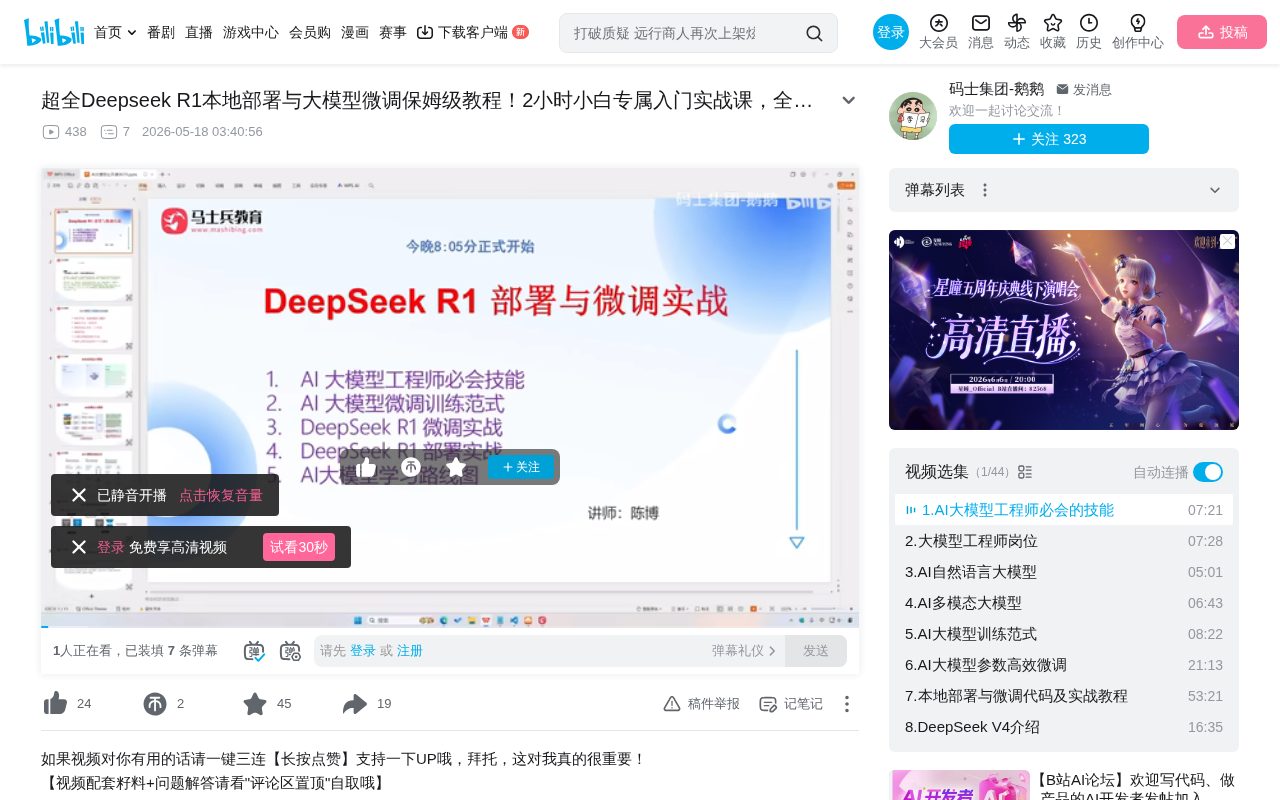
Essential Skills for LLM Engineers: A Complete Guide to Application Development and Fine-Tuning
A systematic guide to LLM engineer core skills covering RAG, Agent app development and SFT, RLHF fine-tuning, with clear learning paths for different backgrounds.
Read more →
 Tutorials
·3 min
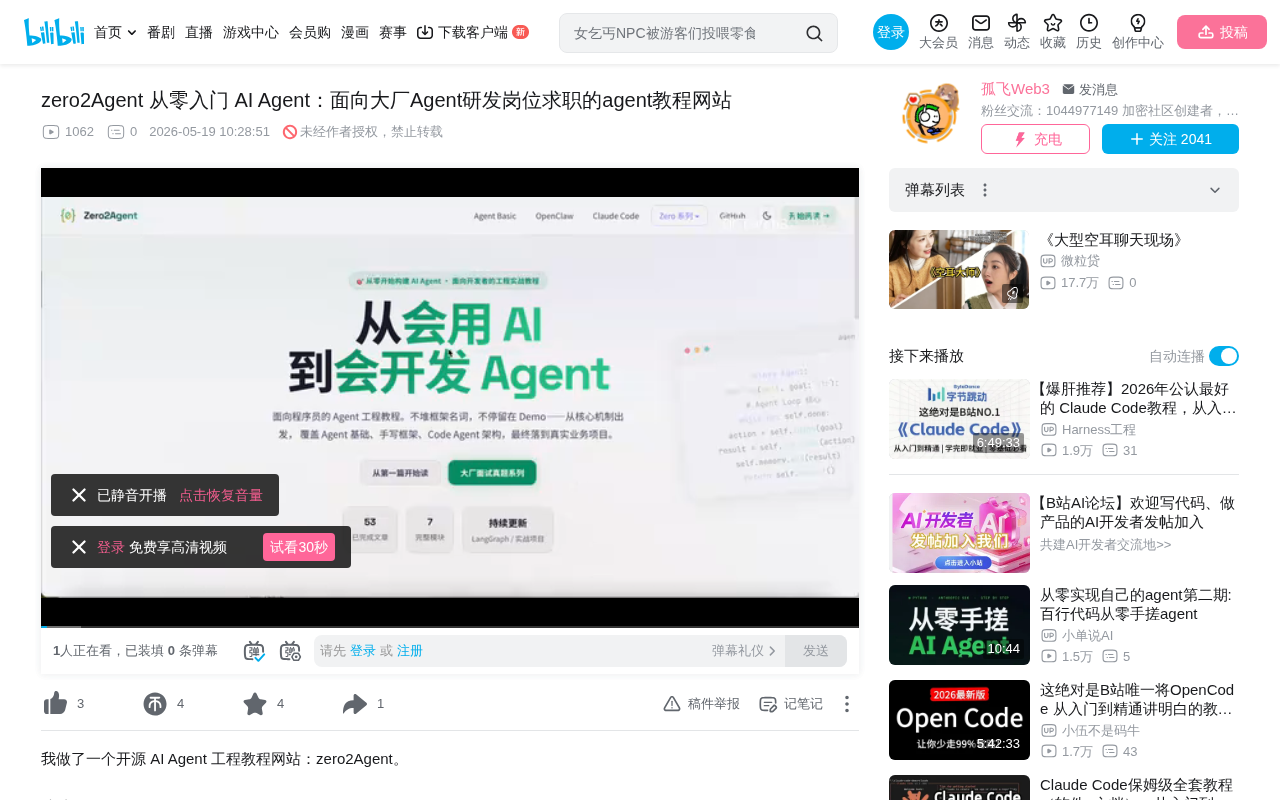
Zero2Agent: An Open-Source Job Interview Prep Tutorial for Agent Engineer Positions at Top Tech Companies
Zero2Agent is an open-source interview prep tutorial covering Agent fundamentals, LangGraph/Claude Code analysis, interview question banks, and coding practice tools for landing Agent engineer roles at top tech companies.
Read more →
 Tutorials
·3 min
Building an Automated Money-Making System with AI Agents: A Multi-Agent Hands-On Tutorial
Learn how to build a full-pipeline automated money-making system using Multi-Agent architecture, covering Customer Service Agent, Cashier Agent, Delivery Agent setup, workflow orchestration, RAG knowledge bases, and MCP tool calling.
Read more →
 Industry Insights
·2 min
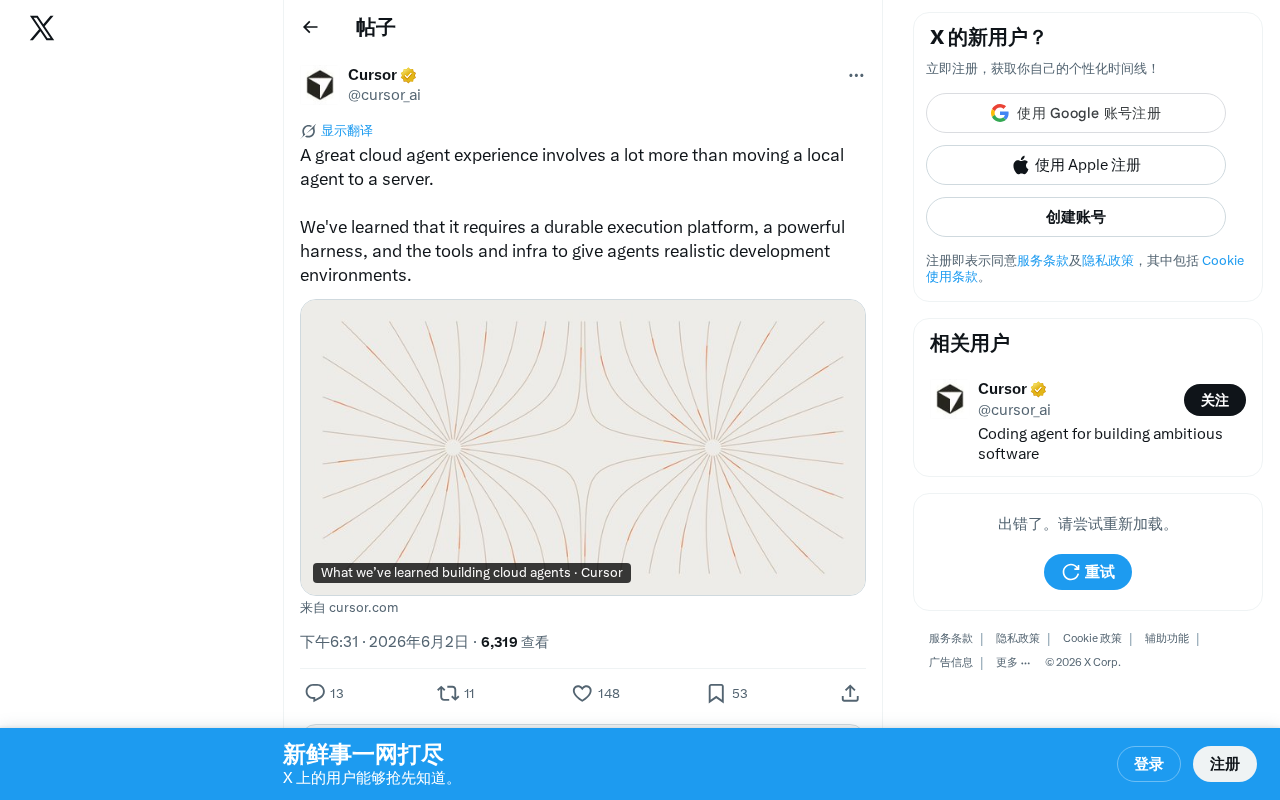
Cloud AI Agent Architecture Design: Far More Than Moving Local Agents to a Server
Building cloud AI Agents requires entirely new architectural thinking. This article analyzes three core infrastructure components—durable execution platforms, execution frameworks, and dev environment tools—to help teams avoid common pitfalls when migrating from local to cloud.
Read more →
 Tutorials
·3 min
Frontend AI Full-Stack Development in Practice: Building Multimodal Applications with PNPM MonoRepo Architecture
A practical guide to frontend AI full-stack development covering PNPM MonoRepo architecture, TurboRepo build optimization, and LangChain multimodal applications with Ollama local model deployment.
Read more →
 Tutorials
·3 min
Hermes Orchestrating DeepSeek + MiniMax Dual-AI Collaborative Coding: A From-Scratch Project Test
Testing Hermes agent coordinating DeepSeek V4 and MiniMax 2.7 for collaborative coding: PDF export in 9 minutes, RSS service built from scratch in Nim language.
Read more →
 Tutorials
·3 min
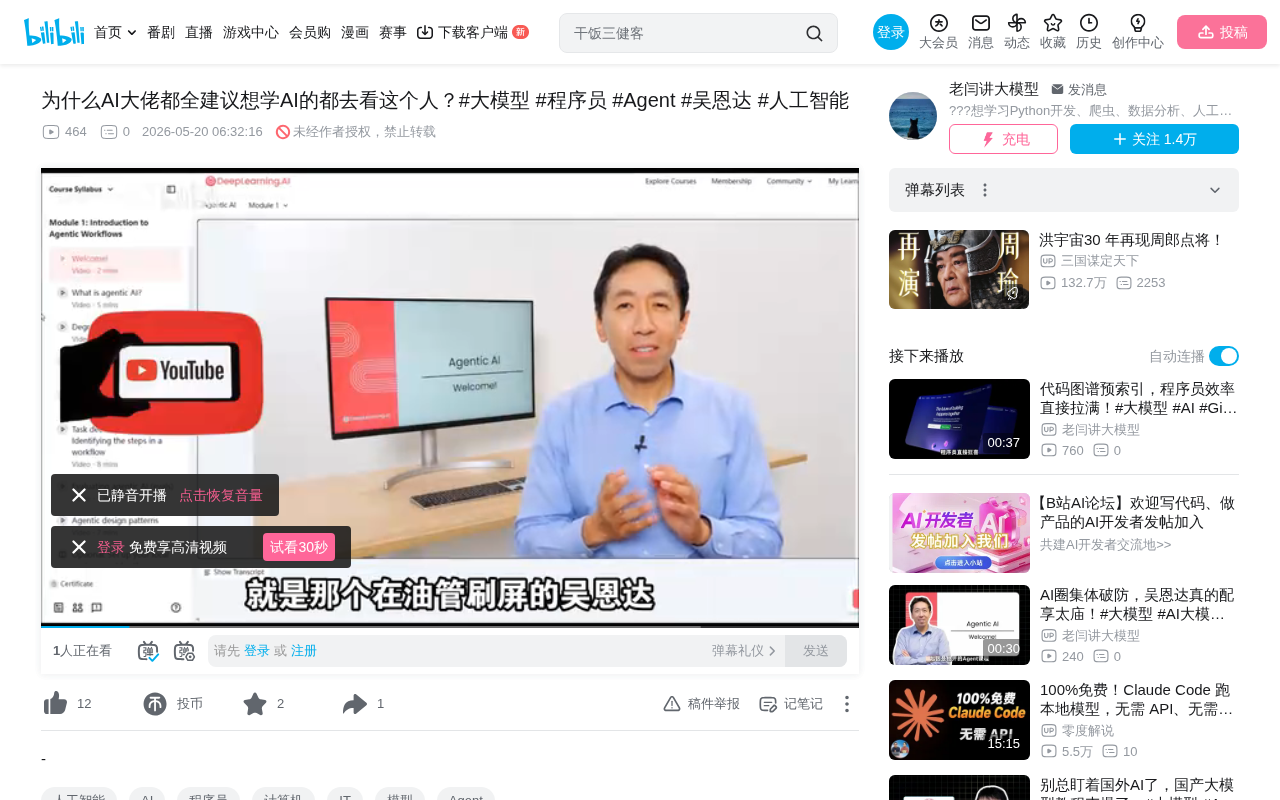
Andrew Ng's Agent AI Course Fully Explained: Why It's Taking the Tech World by Storm
Deep dive into why Andrew Ng's Agent AI course went viral, covering the five-module agent architecture breakdown, course highlights, target audience, and learning tips for developers.
Read more →
 Tutorials
·3 min
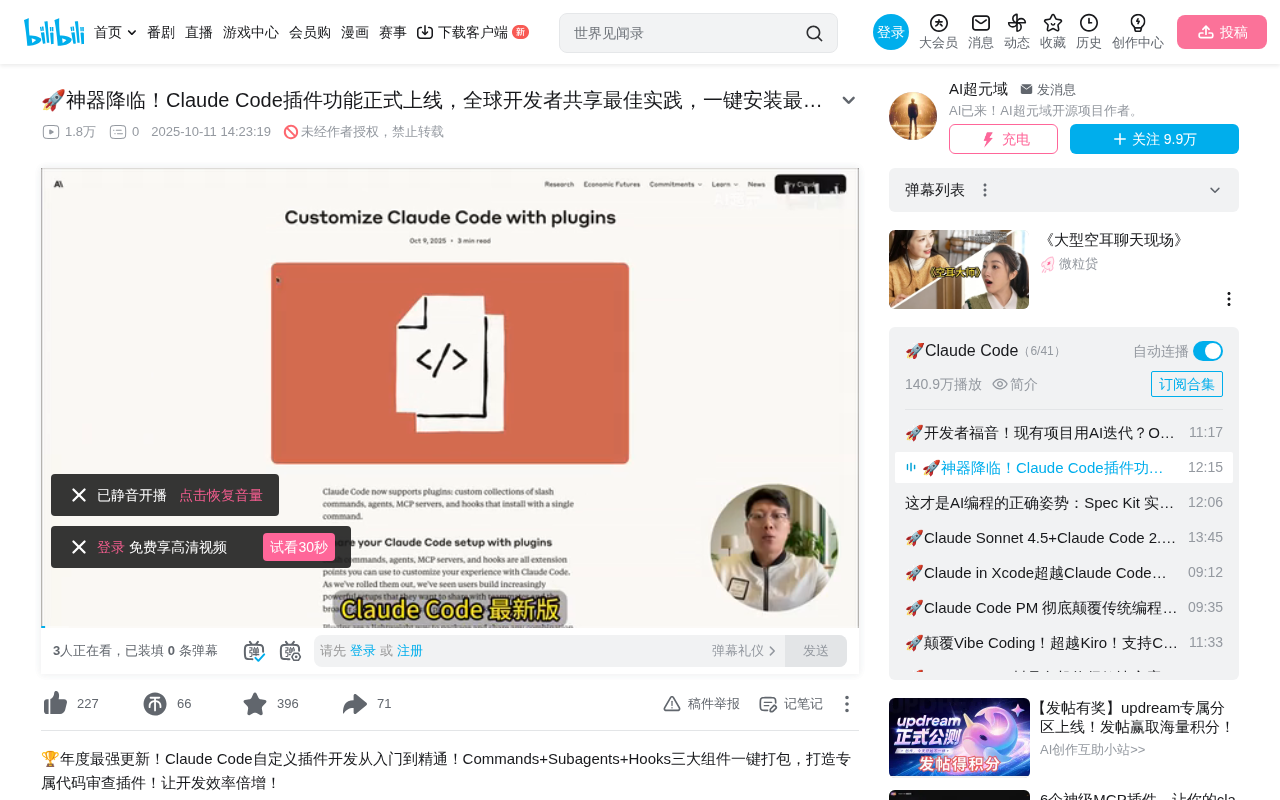
Claude Code Plugin System Explained: Four Core Components Building an Extensible Development Platform
Deep dive into Claude Code 2.0.14's plugin system covering Slash Commands, Sub-agents, MCP integration, and Hooks—with demos on one-click plugin installation and custom code review plugin creation.
Read more →
 Tutorials
·3 min
Getting Started with Spring AI Alibaba: The Go-To Framework for Java Developers Integrating LLMs
A deep dive into Spring AI Alibaba's core positioning and advantages, helping Java developers quickly understand how to integrate LLMs through this framework.
Read more →
 Tutorials
·3 min
LangChain Unified Interface in Practice: A Guide to Avoiding Model Invocation Pitfalls
A detailed comparison of LangChain's two model invocation approaches, focusing on init_chat_model unified interface usage and tips for avoiding DeepSeek V4 Pro Thinking Mode pitfalls in Agent scenarios.
Read more →
 Tutorials
·3 min
Can You Really Transition to AI/LLM in Three Months? A Deep Dive into the Learning Roadmap
Deep dive into a popular 3-month AI/LLM transition roadmap: from Python basics and Prompt engineering to LangChain, RAG, Agents, and hands-on projects, with realistic time estimates and pitfall warnings.
Read more →
Tutorials
Is Context Engineering the Core of Age…
·2 min
Is Context Engineering the Core of Agent Development? A Deep Dive into a High-Frequency Interview Question
Deep dive into a top LLM interview question: Is context engineering the core of Agent development? Covers five context modules, four pain points, and advanced solutions.
Read more →
Tutorials
35 Lines of Prompts Let Codex Auto-Opt…
·3 min
35 Lines of Prompts Let Codex Auto-Optimize Your Workflow — Reposted by OpenAI's President
An OpenAI employee used just 35 lines of prompts to have Codex analyze 30 days of work history, identify repetitive tasks, and generate reusable automated Skills. Combined with screen reading and long-term memory, Codex is becoming a proactive workflow optimization agent.
Read more →