#automation
360 related articles
·3 min
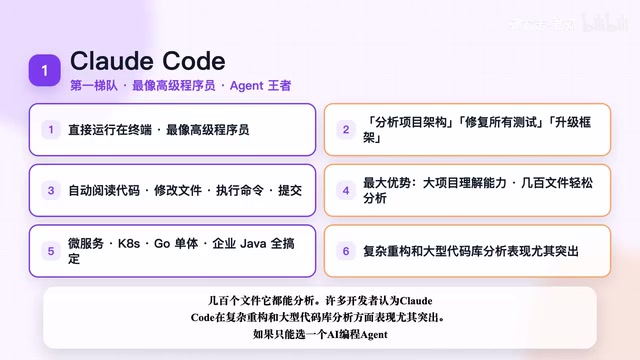
Six AI Coding Tools Compared: Claude Code and Cursor Lead the Pack
In-depth comparison of six AI coding tools in 2026: Claude Code, Cursor, Codex, Trae, Qoder, CodeBuddy. Analyzed across Agent capabilities, IDE experience, and team collaboration with scenario-based recommendations.
Read more →

·3 min
Roo Code Deep Dive: A Guide to the Multi-Model AI Coding Assistant for VS Code
Deep dive into Roo Code (formerly Roo Cline) VS Code extension: multi-AI backend switching, auto-diff code review, terminal command execution, and Architect Mode explained with practical tips.
Read more →
·2 min
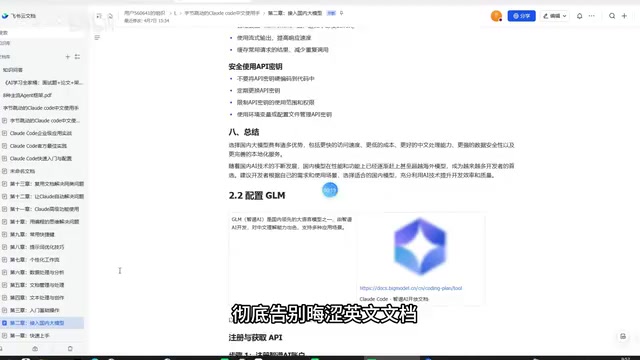
Claude Code Chinese Tutorial: A Complete Guide from Installation to Real-World Applications
A detailed Chinese practical guide for Claude Code covering installation, domestic model integration, code development, copywriting, data analysis, and more to help you master this AI programming tool.
Read more →

·2 min
Anthropic Sales Rep Builds AI Tools with Claude, Transforms from Account Executive to GTM Architect
Anthropic account exec Jared built Clasps, an AI email tool using Claude and RAG architecture, saving 2-3 hours daily and transforming into a GTM Architect.
Read more →
·2 min
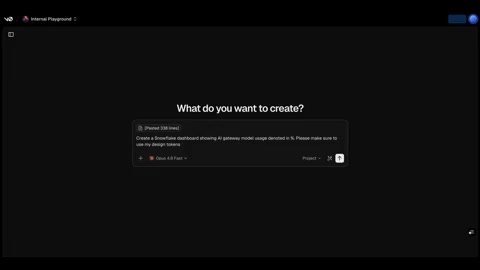
v0 Snowflake Integration Enters Public Preview: Generate Data Dashboards with Natural Language
Vercel's v0 announces public preview of Snowflake integration, enabling users to connect data sources and auto-generate professional dashboards using natural language prompts.
Read more →
·3 min
AI Agent Development Tutorial: A Practical Guide from Zero to One-Person Company
A systematic guide to AI Agent development covering the three-stage learning path, core tech stack including LLM, RAG, and LangChain, plus how to build a one-person company through automated Agent workflows.
Read more →

·1 min
Claude Code for Test Development in Practice: An AI Programming Workflow That Doubles Your Efficiency
A practical guide to Claude Code for test development: auto-generating test scripts, Plan Mode workflows, MCP + Playwright integration, and Subagent parallel tasks to build systematic AI-assisted workflows.
Read more →

·3 min
Hermes Agent Hands-On Review: An AI Efficiency Revolution for Indie Game Developers
Indie game developer reviews Hermes Agent vs OpenClaude: intelligent context compression, real-time Memory, remote control via Telegram, and practical use cases in game dev, social media, and email.
Read more →
·2 min
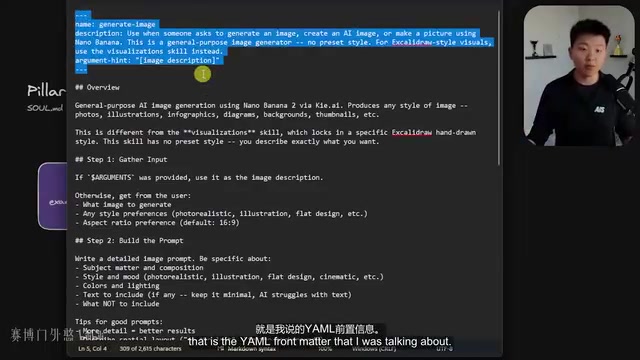
Hermes Agent in Practice: A Complete Guide from VPS Deployment to Telegram Integration
A detailed guide to deploying Hermes Agent on VPS with Docker, integrating Telegram Bot, configuring scheduled tasks, and scaling with multi-agent strategies.
Read more →
·2 min
Anthropic London Developer Conference: Claude Model Upgrades, Enterprise Agent Platform, and Developer Tools Fully Evolved
Anthropic's first London Code with Claude event unveiled Opus 4.7, Mythos, Cloud Managed Agents, Claude Code Routines, and more for AI-assisted development.
Read more →
Deep Dive into the Three AI Programmin…
·3 min
Deep Dive into the Three AI Programming Frameworks: The Right Way to Do Specification-Driven Development
Deep dive into the three frameworks of Specification-Driven Development (SDD) for AI programming: Blueprint, Execution Flow, and Change Records — solving the problem of AI code going off the rails.
Read more →
·3 min
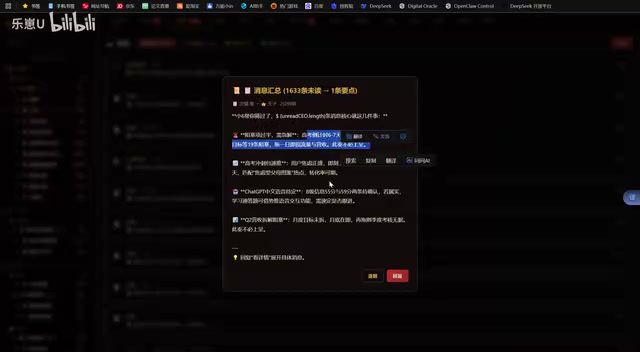
Vibe Coding in Practice: A Junior Student Uses Cursor to Build a Multi-Agent System with 51 AI Officials Based on the Three Departments and Six Ministries Framework
A junior student uses Cursor and Vibe Coding to build a multi-agent system with 51 AI officials modeled on China's Three Departments and Six Ministries, featuring task distribution, approval workflows, and Token cost visualization.
Read more →
·2 min
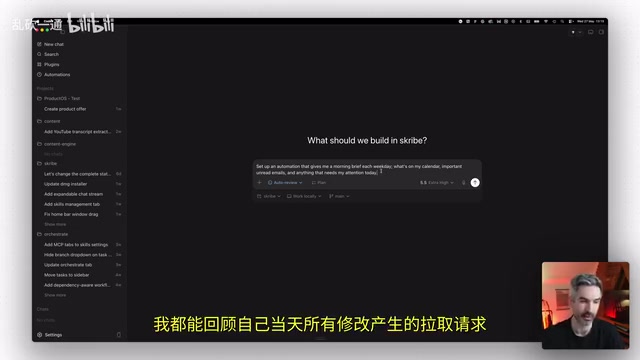
AI Super App Showdown: A Comprehensive Comparison of Cursor, Codex, Claude, and Anti-Gravity
In-depth comparison of four AI Super Apps — Cursor, Codex, Claude Desktop, and Anti-Gravity — across 11 dimensions to help you find the best AI dev tool.
Read more →
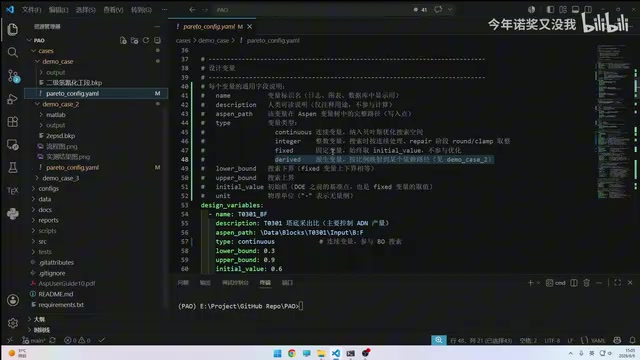
·4 min
PAO Project in Practice: Bayesian Optimization-Driven Aspen Plus Automated Simulation Tutorial
Learn how the PAO project integrates Bayesian optimization with Aspen Plus via YAML configuration for automated multi-objective chemical process optimization.
Read more →
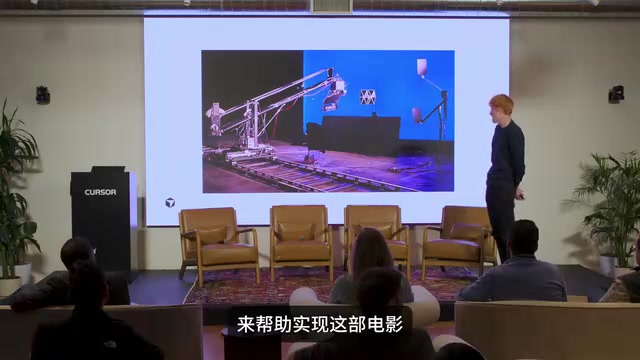
·3 min
Cursor Internal Data: 75% of Code Generated by AI, Engineers Transforming into Agent Managers
Cursor reveals internal data: enterprise AI-generated code surges from 15% to 75%, Agent requests grow 15x YoY, and 30% of PRs are completed entirely by Agents. Engineers are becoming Agent managers.
Read more →
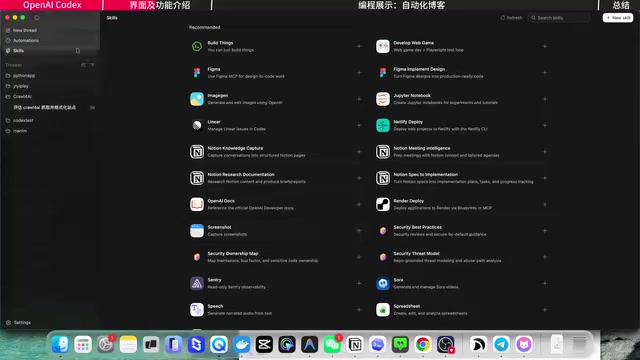
·4 min
OpenAI Codex Desktop Experience: A Zero-to-Hero Guide for AI Programming
A detailed hands-on experience with OpenAI Codex Desktop, covering interface features and real-world examples. Free users can try it now with parallel tasks and natural language programming.
Read more →
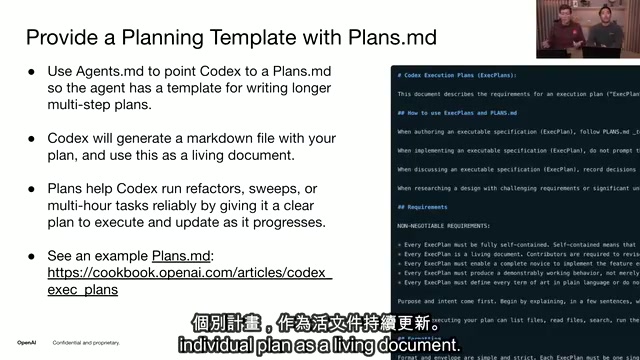
·2 min
Complete Guide to OpenAI Codex: CLI Installation, VS Code Configuration & Practical Tips
Complete guide to OpenAI Codex setup: CLI installation, VS Code extension config, Agents.md best practices, MCP integration, and programmatic usage for efficient AI coding workflows.
Read more →
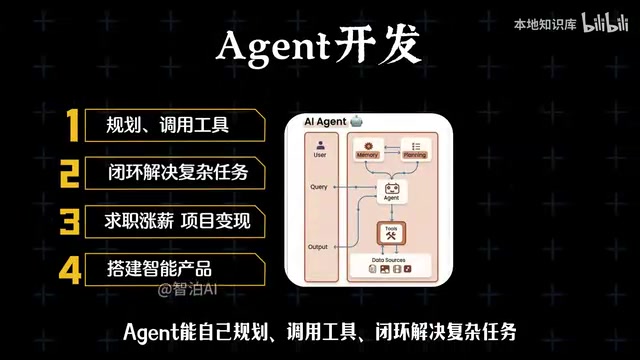
·4 min
Agent Development Learning Roadmap: A Four-Stage Systematic Guide from Beginner to Practitioner
A systematic four-stage learning roadmap for AI Agent development, covering core concepts, classic paradigms like ReAct, multi-agent collaboration frameworks, and hands-on projects to master Agent development skills in 2-3 months.
Read more →

·4 min
The 8 Core Modules of Prompt Engineering: A Complete Guide from Fundamentals to Advanced Techniques
A systematic breakdown of the 8 core modules of prompt engineering, covering fundamentals, CoT, Few-shot, prompt security, and real-world AI applications.
Read more →

·4 min
The Real Logic of Getting Rich with AI: Toolbox Thinking and the Three-Layer Capability Model
Mastering AI tools doesn't equal making money. This article breaks down the three-layer AI wealth model: LLM prompting, automation workflows, and agent collaboration, plus the MAPS framework and Three R's Rule.
Read more →