#feedback loop
143 related articles

·3 min
Google CEO Pichai Admits AI Coding Gap, Details Catch-Up Strategy and AGI Outlook
Google CEO Sundar Pichai admits Google lags in AI coding, details its catch-up strategy involving data flywheels, addresses Gemini controversies, and shares his evolving views on AGI.
Read more →

·3 min
Google CEO Admits Gemini Lags in Coding: Lacking an Entry Point Is Just the Surface — What's the Real Problem?
Google CEO Pichai admits Gemini lags behind Cursor and Claude Code in AI coding, blaming lack of product entry points. But the real issues are failed product experience, lost developer trust, and ecosystem advantages that haven't converted to competitiveness.
Read more →
·3 min
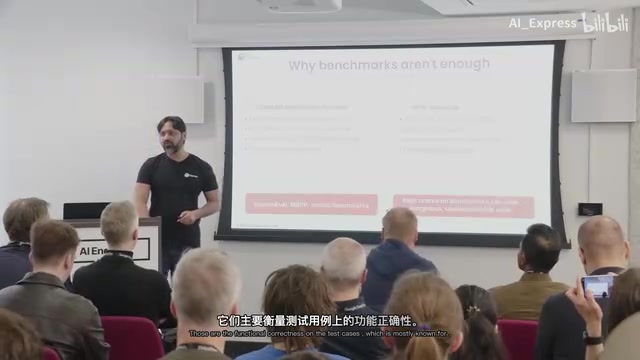
Sonar Tests Code Quality Across 53 LLMs: Claude Has the Most Security Vulnerabilities, GPT-5 Code Volume Surges 5x
Sonar evaluates 53+ LLMs on 4,444 Java tasks: Claude has the highest security vulnerability density at 300/million lines, GPT-5 code volume surges 5x to 1.2M lines. Deep analysis of real-world code quality.
Read more →
·3 min
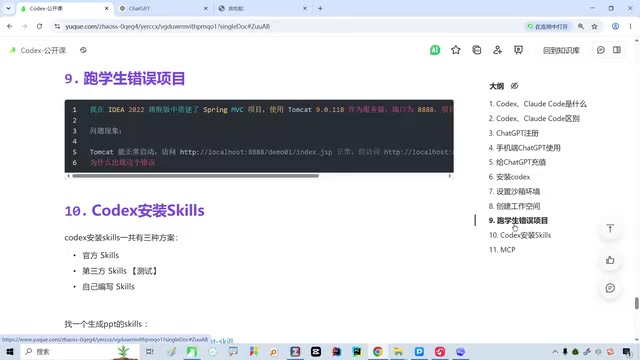
Codex Complete Tutorial: From Registration and Installation to Hands-On Practice
Complete Codex tutorial from zero: ChatGPT registration, Codex installation, sandbox setup, Skills & MCP advanced features, plus hands-on Snake game and Spring MVC debugging examples.
Read more →

·4 min
Claude Code Skill Mechanism Explained: Progressive Loading & Practical Creation Guide
Deep dive into Claude Code's Skill mechanism: progressive loading principles, differences from CLAUDE.md/MCP, four creation methods, and advanced features.
Read more →

·3 min
Fired 6 Times, He Achieved 95% Profit Margins with Digital Products — Here's How
Indie developer Marc Lou was fired 6 times before pivoting to digital products, achieving $1.5M+ annual revenue with 95% profit margins. Learn his business model, pricing strategy, and AI marketing tactics.
Read more →
·2 min
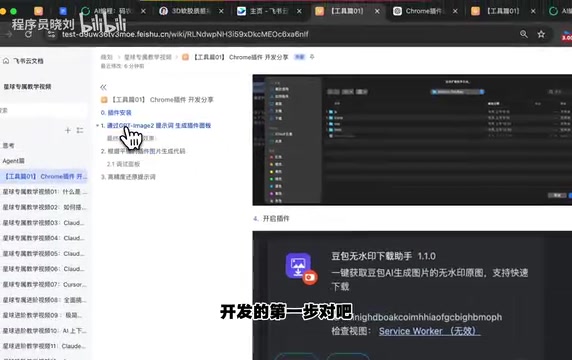
AI-Powered Chrome Extension Development: A Complete Methodology from UI Design to Debugging
A proven methodology for AI-powered Chrome extension development: design UI panels with AI, generate code from mockups, and debug efficiently using the extension console.
Read more →
·2 min
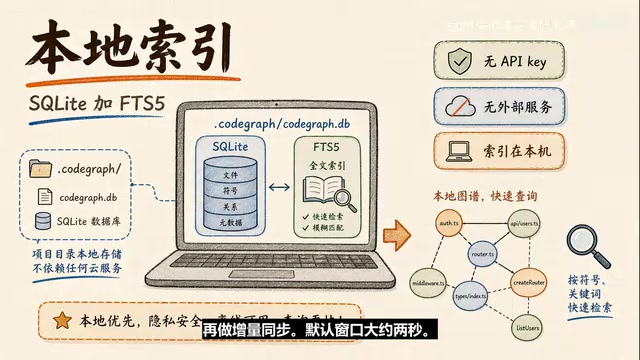
CodeGraph: Give Your Coding Agent a Code Map, Save 47% Tokens
CodeGraph is an open-source project with ~40K GitHub stars that uses Tree-sitter to build a local queryable code map, helping Claude Code and Cursor reduce 47% token usage and 58% tool calls.
Read more →
·2 min
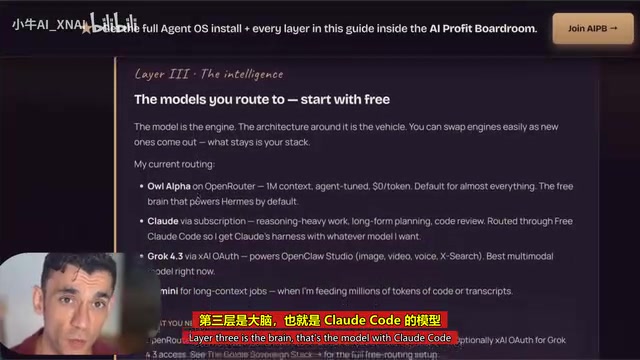
Claude Code's Seven-Layer Architecture: A Complete Guide to Building an AI Operating System from a Chat Tool
A detailed guide to Claude Code's seven-layer architecture including memory, agent, and feedback loop layers, plus five pitfalls to avoid and four expert tips for building your AI operating system.
Read more →
·4 min
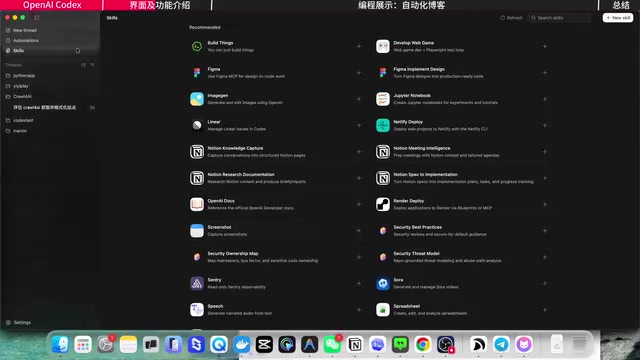
OpenAI Codex Desktop Experience: A Zero-to-Hero Guide for AI Programming
A detailed hands-on experience with OpenAI Codex Desktop, covering interface features and real-world examples. Free users can try it now with parallel tasks and natural language programming.
Read more →

·2 min
Gamified Learning with NotebookLM: Activate Your Notes Using the Sherlock Holmes Deduction Method
Google NotebookLM launches a Sherlock Holmes notebook template, turning passive note review into interactive deduction games. Learn how the Deduce-Uncover-Prove method enables gamified learning.
Read more →
·4 min
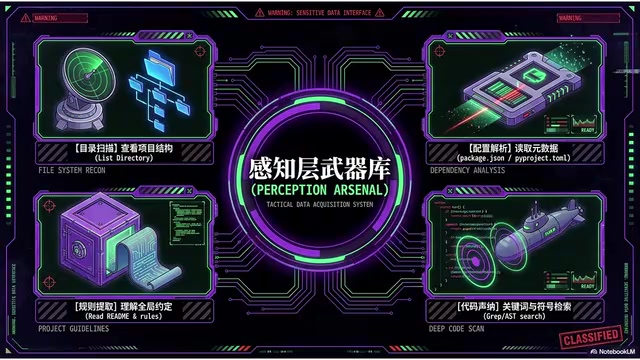
Core Principles of Coding Agents: How Perception and Context Engineering Determine AI Coding Effectiveness
Deep dive into why coding Agents differ: perception lets Agents understand projects first, context engineering precisely filters information within limited token budgets.
Read more →
·3 min
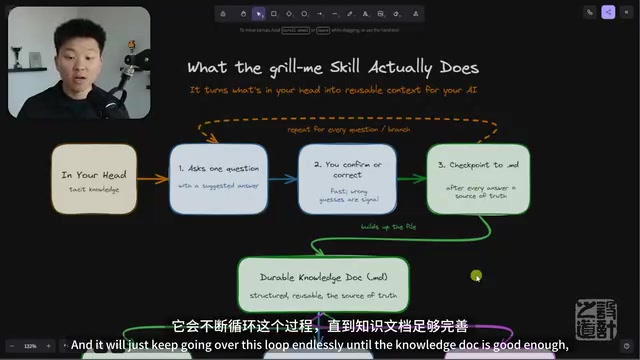
Grill Me Skill: Let AI Interrogate You to Rapidly Extract Tacit Knowledge and Boost Project Efficiency
Learn how the Grill Me skill uses AI-driven systematic questioning to extract tacit knowledge, with checkpoint mechanisms to optimize context quality and boost first-iteration success from 70% to 90%.
Read more →
·4 min
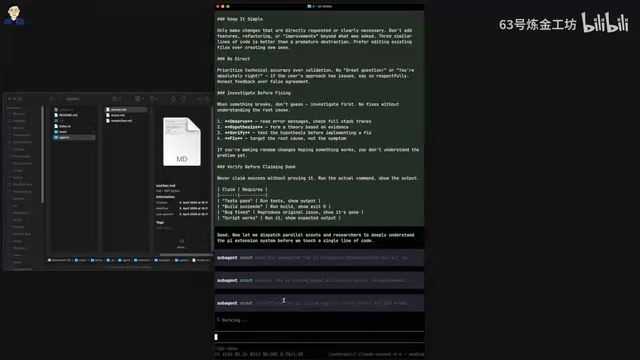
Pi Coding Agent Deep Configuration Guide: A Complete Breakdown of Custom Tools, Sub-Agents, and the Skill System
A complete Pi Coding Agent configuration guide refined over two months, covering custom tools, sub-agents, persistent memory, security, and skill systems.
Read more →
·3 min
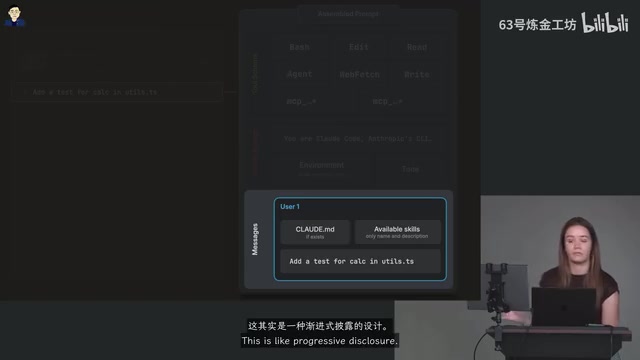
Deep Dive into How Claude Code Works: Prompt Assembly, Permission Control, and the Skills Mechanism
Deep dive into Claude Code internals: stateless model principles, four-layer prompt assembly, Agentic Loop execution, permission control, and reusable Skills workflow templates for agentic engineering.
Read more →

·2 min
Codex vs Claude Code In-Depth Comparison: How Frontend and Backend Developers Should Choose
In-depth comparison of Codex vs Claude Code across pricing, stability, and capability focus—analyzing differences in frontend UI and backend logic development with workflow recommendations.
Read more →

·4 min
Self-Study Guide to AI Agent Development: A Complete Path from Zero to Production
A practical self-study roadmap for AI Agent development: covering core skills, common pitfalls, phased learning plans, and interview prep to help developers go from concept collectors to builders.
Read more →

·3 min
Vibe Coding for Absolute Beginners: Let AI Be Your Personal Programmer
A beginner's guide to Vibe Coding: learn the core philosophy, set up Miniconda virtual environments, and use natural language to let AI write code for you — no programming experience required.
Read more →
·3 min
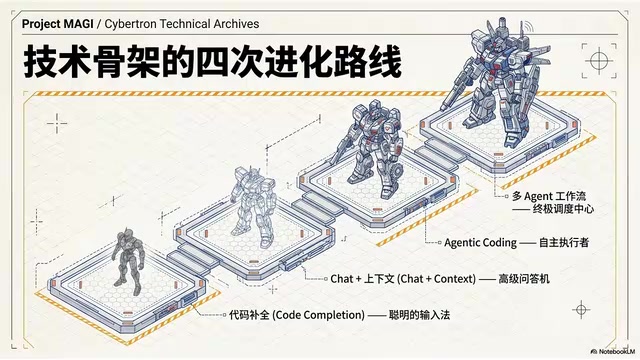
The Four Stages of AI Coding Tool Evolution: From Code Completion to Multi-Agent Collaboration
A deep dive into the four stages of AI coding tool evolution: from code completion and chat Q&A to Agentic Coding and multi-Agent collaboration, explaining the design logic behind Claude Code, Cursor, and Codex.
Read more →
·2 min
Six Major AI Events in One Day: OpenAI False Bans, Anthropic Pause Call, Grok Tops Arena
Six major AI events decoded: OpenAI bug falsely bans Pro users, Anthropic calls for frontier model pause, DeepSeek quality drops, Grok tops image arena, ChatGPT hits 1B MAU, WeChat tests AI payments.
Read more →