#feedback loop
143 related articles
·3 min
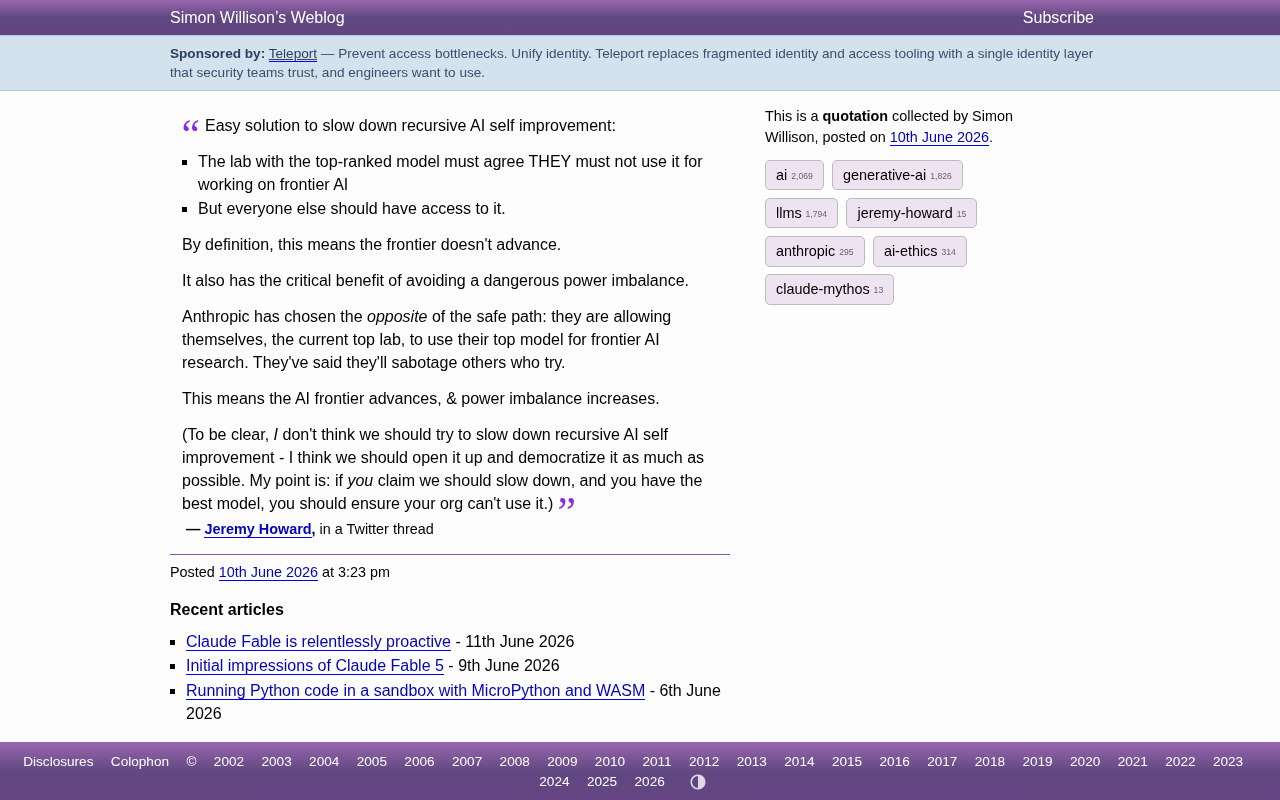
Jeremy Howard Takes Aim at Anthropic: The Power Monopoly Paradox Behind AI Safety Narratives
fast.ai founder Jeremy Howard challenges Anthropic's AI safety strategy: using the strongest models for frontier research while restricting others. Is safety rhetoric just a competitive moat?
Read more →
·4 min
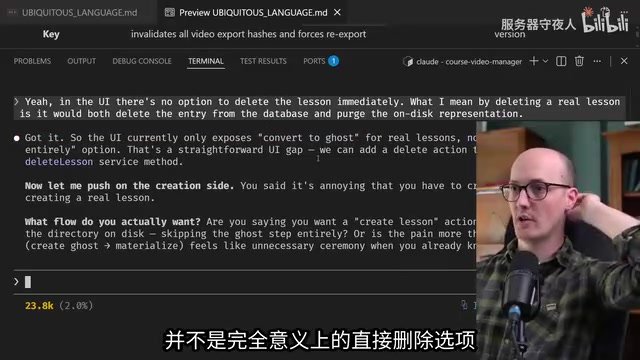
Claude Code Workflow in Practice: From Requirement Grilling to AFK Agent Auto-Coding
A detailed walkthrough of building real features with Claude Code: Grill Me requirement interrogation, auto-generated PRDs, AFK agent coding, and QA iteration loops with DDD and TDD strategies.
Read more →
·2 min
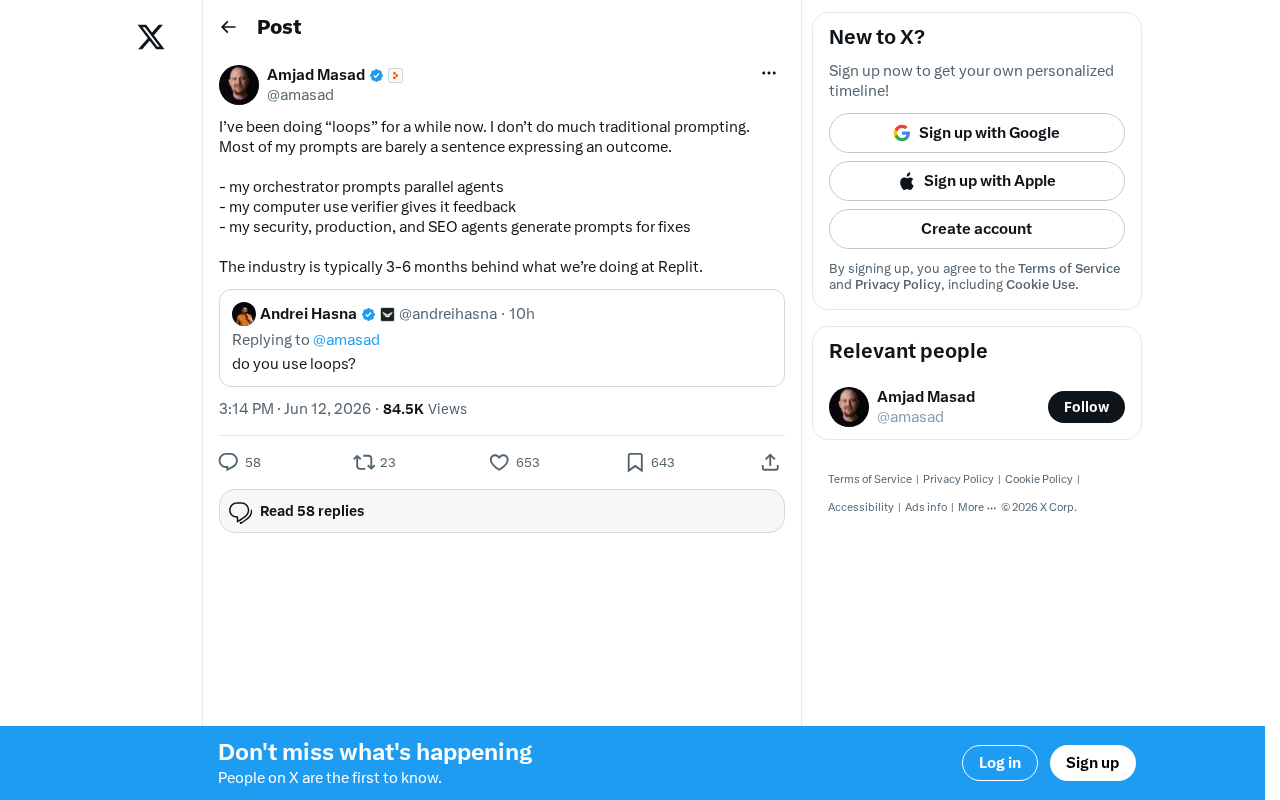
Replit's AI Loops Workflow Explained: Multi-Agent Collaboration Replaces Prompt Engineering
Deep dive into Replit's AI Loops workflow: how orchestrators, parallel agents, and Computer Use Verifiers build automated closed-loop systems through multi-agent collaboration.
Read more →
·4 min
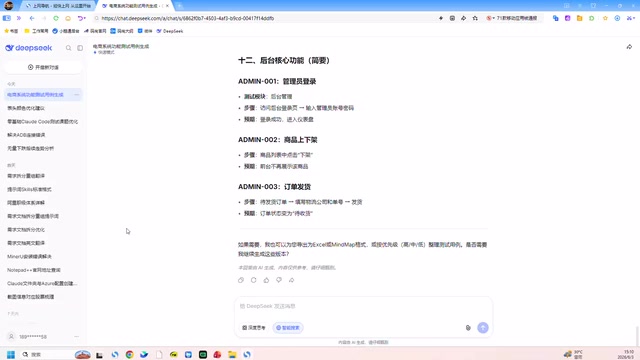
Claude Code + Skills: A Practical Guide to AI-Powered Test Case Generation
Learn how to use Claude Code + Skills to auto-generate enterprise-grade test cases. Covers AI Agent vs LLM differences, the four core capabilities, and the complete workflow from requirements to test cases.
Read more →

·3 min
Headroom: The Open-Source Compression Tool That Cuts AI Agent Token Costs by 10x
Headroom is an open-source token compression tool by a Netflix engineer that achieves 60%-95% token savings for AI coding tools through intelligent category-based compression.
Read more →
·4 min
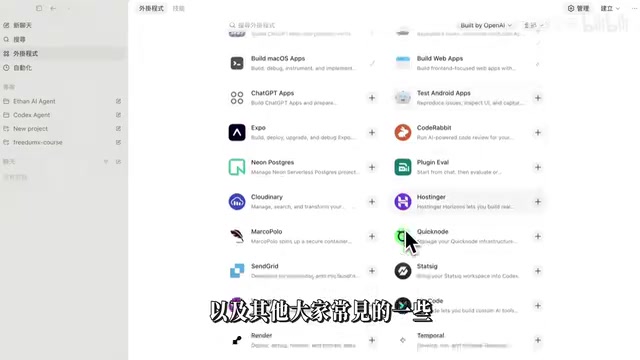
The Complete Guide to Codex Super Agent: From Installation to Multi-Task Parallel Execution
A complete guide to OpenAI's Codex desktop app: installation, Plugins, Skills, Agent.md setup, and multi-task parallel execution for the ultimate AI Agent.
Read more →
·3 min
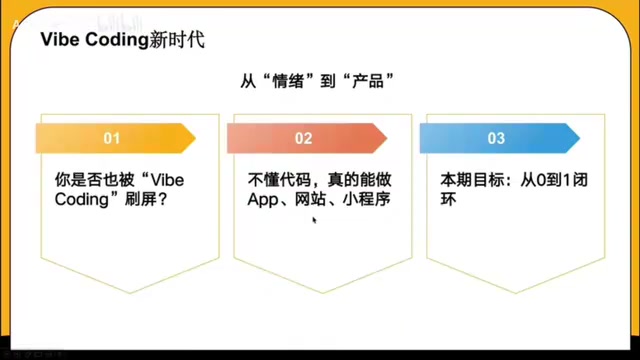
Vibe Coding Tutorial for Beginners: Three Steps from Idea to Product Launch
A complete Vibe Coding guide: use natural language to drive AI for product development — from ideation and PRD generation to UI design and code implementation. Build launchable products with zero coding skills.
Read more →
·4 min
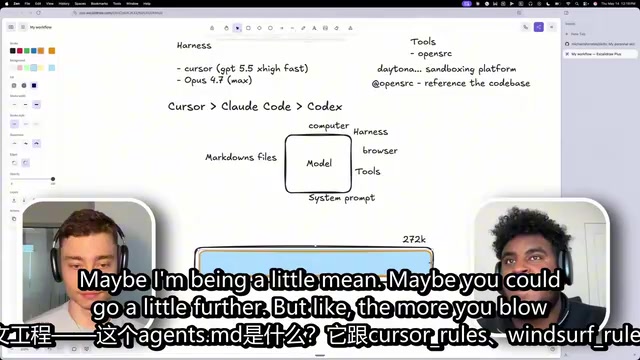
The Complete AI Agent Engineering Tech Stack: A Practical Guide to 100x Development Efficiency
Deep dive into the AI agent engineering stack: from Cursor framework, model selection to context engineering and automated review loops — a complete workflow guide to achieving 100x development efficiency.
Read more →
·2 min
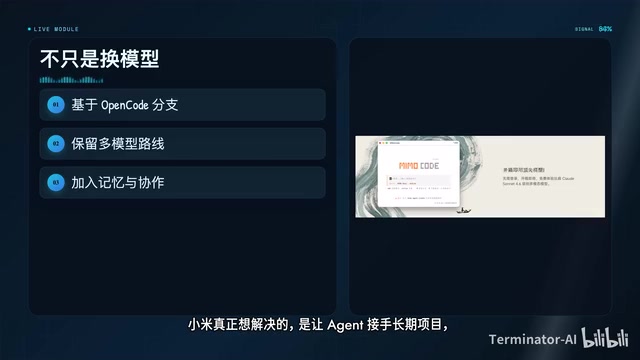
Xiaomi MiMo Code Goes Open Source: How Cross-Session Memory Is Changing AI Programming Collaboration
Xiaomi's MiMo Code is an open-source terminal programming Agent with cross-session memory and multi-Agent collaboration. Explore its memory system, self-evolution mechanism, and how it differs from Claude Code.
Read more →
·3 min
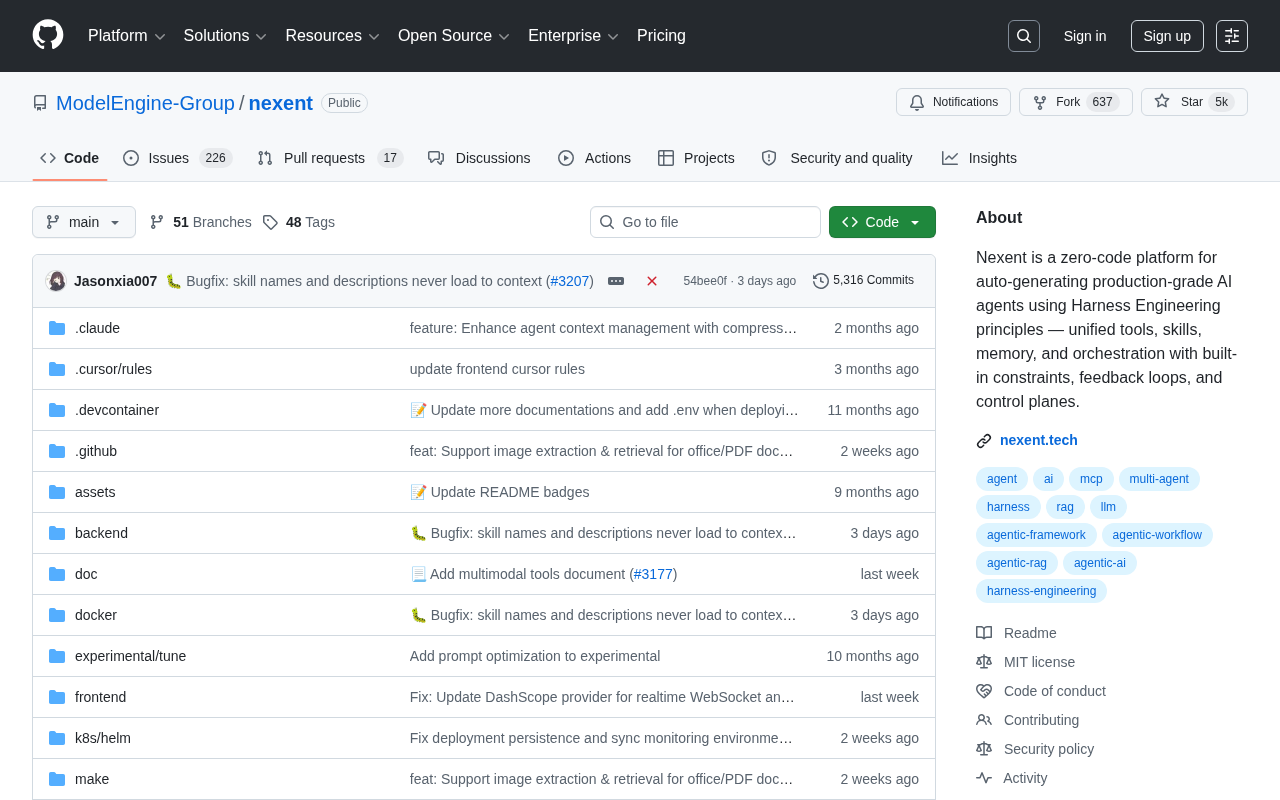
Nexent Open-Source Platform: Zero-Code Auto-Generation of Production-Grade AI Agents
Deep dive into Nexent's open-source platform for zero-code production-grade AI Agent generation, covering Harness Engineering, built-in controls, use cases, and comparisons with AutoGen and CrewAI.
Read more →
Claude Code Creator Reveals: How AI Pr…
·3 min
Claude Code Creator Reveals: How AI Programming Boosts Engineering Efficiency by 200%
Anthropic's Claude Code creator Boris Cherny shares AI programming practices: 90% of code written by AI, 200% engineer productivity gain, new hires productive in 2 days.
Read more →
·3 min
Claude Code Loop Patterns in Practice: Community Insights and Best Practices
Explore Boris Cherny's Claude Code loop patterns with community insights on /loop commands, test-driven loops, multi-agent collaboration, and best practices to avoid loop divergence.
Read more →
·3 min
Deep Dive into Google I/O 2025's Three Major Android Developer Productivity Updates
Deep dive into Google I/O 2025's three major Android productivity announcements: Android CLI stable release, Android Skills expansion, and Android Bench model evaluations for the Agentic Development era.
Read more →
·2 min
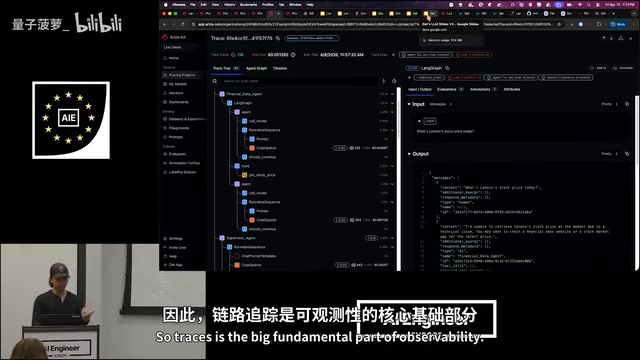
LLM Observability & Eval in Practice: A Complete Guide to Monitoring and Evaluating Large Models in Production
A deep dive into LLM observability, evaluation systems, and experimentation loops for production AI. Covers OpenTelemetry, trace monitoring, five eval signal types, four scope levels, and automated improvement flywheels.
Read more →
·1 min
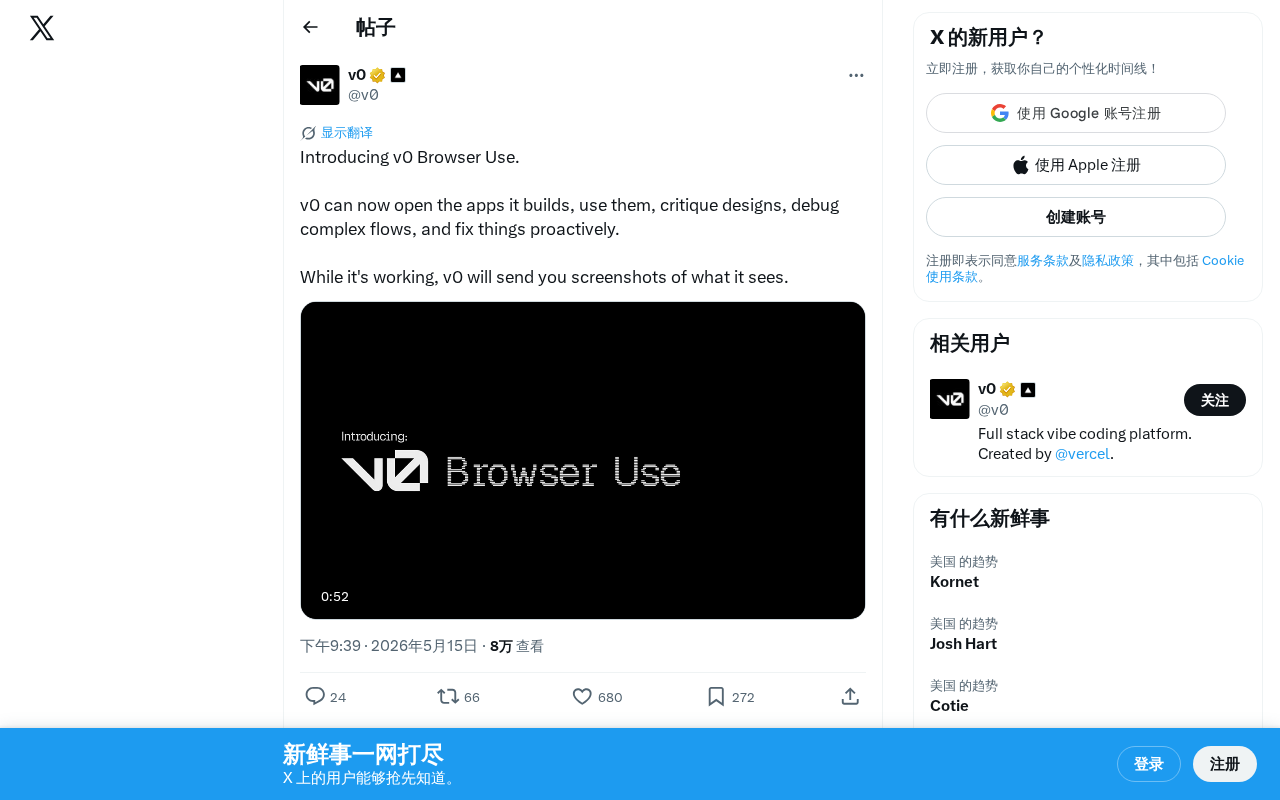
Vercel v0 Launches Browser Use: AI Autonomously Opens Apps to Debug and Fix Bugs
Vercel v0 launches Browser Use: AI can now autonomously open apps, simulate user actions, evaluate designs, and proactively fix bugs — a key leap from code generator to full-stack dev partner.
Read more →
·4 min
Harness Engineering: A New Software Development Paradigm Where Humans Steer and AI Agents Execute
OpenAI engineer Ryan Lopopolo introduces Harness Engineering — a methodology where humans build constraint systems and AI agents handle all code implementation.
Read more →
·2 min
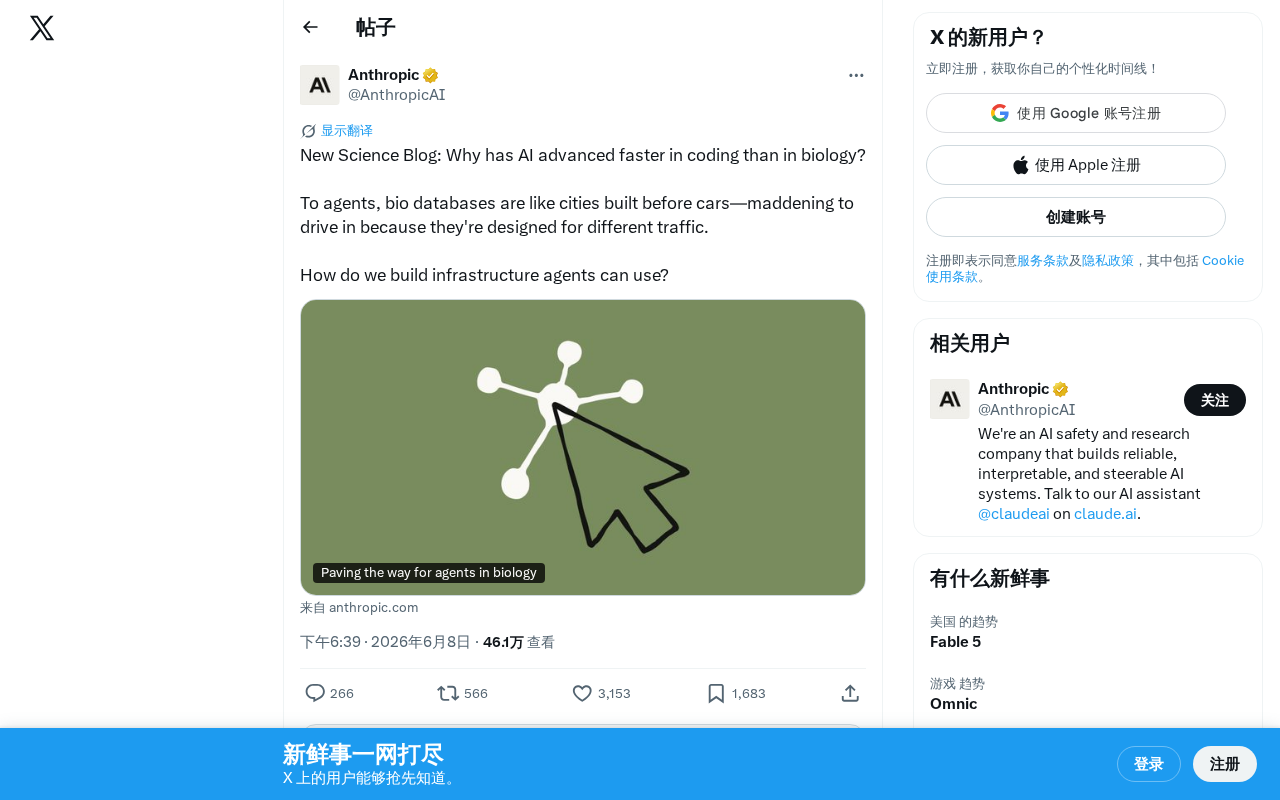
AI Coding Far Outpaces Biology: Infrastructure Determines How Fast AI Gets Deployed
Why is AI racing ahead in coding but struggling in biology? This article analyzes the structural infrastructure gap and explores how to build Agent-friendly scientific data platforms.
Read more →

·3 min
Codex Powers Hedge Fund: Economic Analysis Cut from 2 Days to 30 Minutes
Balyasny Asset Management adopts OpenAI Codex and o3/4o models, cutting economic analysis from 2 days to 30 minutes with 97% daily active AI adoption.
Read more →
·4 min
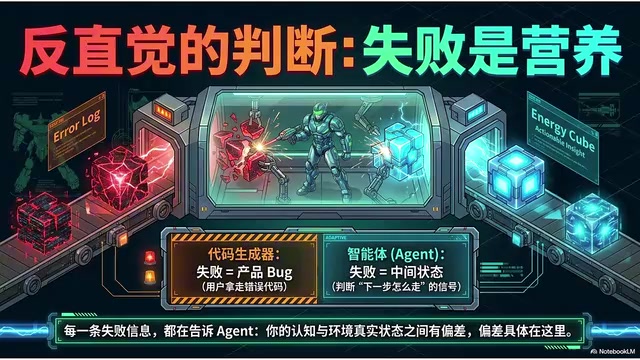
Feedback Loops in Coding Agents: How Failure Becomes Fuel for Fixes
Deep dive into coding Agent feedback loops: how AI tools turn errors and test failures into correction signals. Covers context management, root cause analysis, death loop avoidance, and more.
Read more →
·2 min
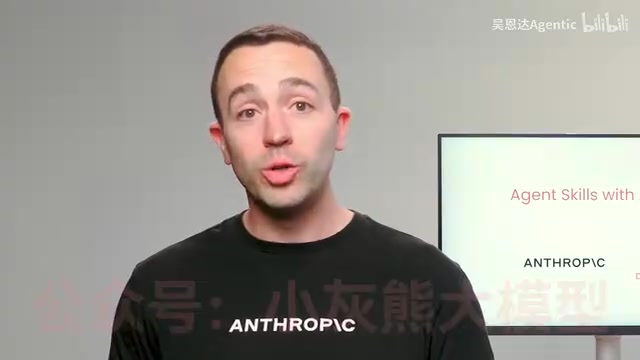
Andrew Ng's Agent Skills Tutorial: A Complete Guide to Teaching AI Agents New Skills
A deep dive into Andrew Ng and Anthropic's Agent Skills course: how to empower AI agents like Claude Code with new capabilities through standardized skill files, progressive loading, and MCP integration.
Read more →