#human-AI collaboration
81 related articles
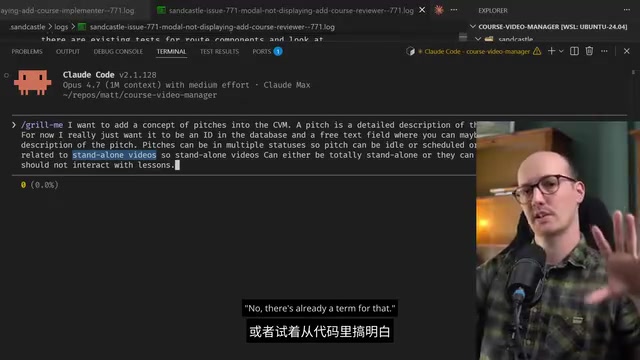
·4 min
Grill With Docs: Doubling AI Programming Collaboration Efficiency with a Unified Language
From Grill Me to Grill With Docs: applying DDD's Ubiquitous Language to solve terminology drift and context loss in AI programming for efficient cross-session collaboration.
Read more →
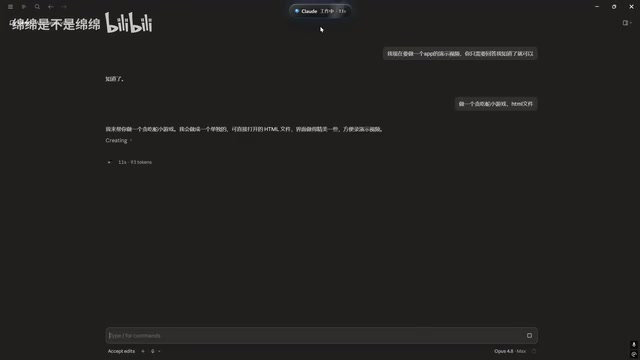
·2 min
Claude Code Desktop Status Capsule: An Open-Source Widget for Real-Time AI Coding Status Monitoring
An open-source desktop status capsule that monitors Claude Code's idle, working, and completed states in real time, with multi-conversation management, memos, and music control for developers.
Read more →
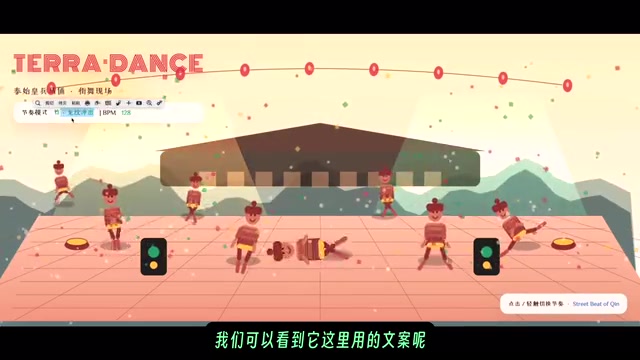
·3 min
GPT-5.2 Codex vs Opus 4.5 Hands-On: A Comprehensive Comparison of Coding Ability, Speed, and Developer Experience
Hands-on comparison of GPT-5.2 Codex vs Opus 4.5 across frontend generation, physics simulation, 3D scenes, and code refactoring, with practical selection advice.
Read more →
Deep Dive into the Three AI Programmin…
·3 min
Deep Dive into the Three AI Programming Frameworks: The Right Way to Do Specification-Driven Development
Deep dive into the three frameworks of Specification-Driven Development (SDD) for AI programming: Blueprint, Execution Flow, and Change Records — solving the problem of AI code going off the rails.
Read more →
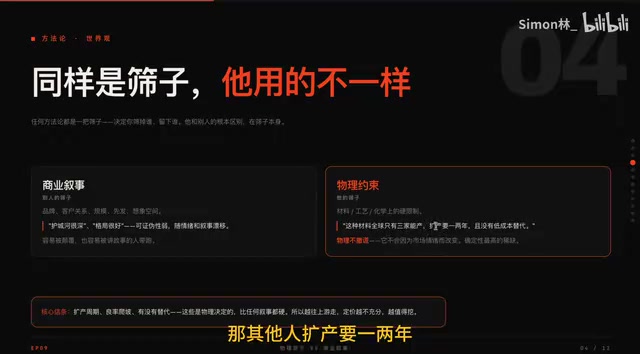
·4 min
Deconstructing the Serenity Methodology: An Investment Research Framework from Market Leaders to Physical Bottlenecks
Deep breakdown of anonymous trader Serenity's methodology: drilling from market leaders along supply chains, using four hard conditions to identify physical chokepoints, and building a repeatable pipeline with Claude Code.
Read more →
·4 min
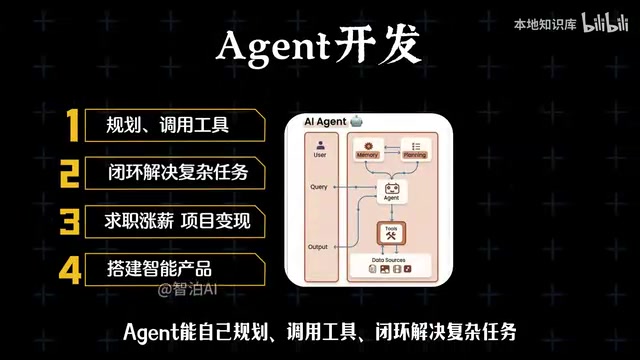
Agent Development Learning Roadmap: A Four-Stage Systematic Guide from Beginner to Practitioner
A systematic four-stage learning roadmap for AI Agent development, covering core concepts, classic paradigms like ReAct, multi-agent collaboration frameworks, and hands-on projects to master Agent development skills in 2-3 months.
Read more →
·3 min
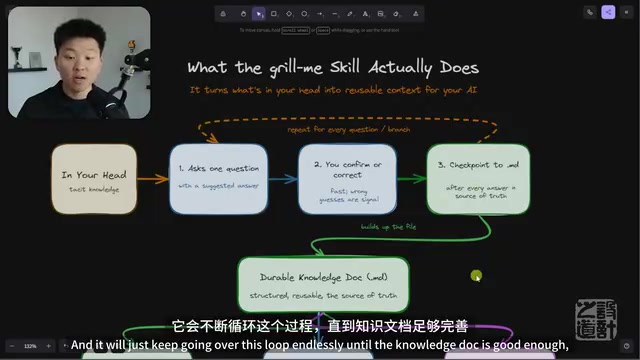
Grill Me Skill: Let AI Interrogate You to Rapidly Extract Tacit Knowledge and Boost Project Efficiency
Learn how the Grill Me skill uses AI-driven systematic questioning to extract tacit knowledge, with checkpoint mechanisms to optimize context quality and boost first-iteration success from 70% to 90%.
Read more →
·3 min
Andrew Ng's AI Prompting Guide: Four Key Gaps Between Beginners and Experts
Andrew Ng's AI prompting methodology reveals four core gaps between beginners and experts: deep thinking, sufficient context, neutral questioning, and iterative writing. Applicable to ChatGPT, Claude, Gemini, and all major AI tools.
Read more →

·2 min
ChatGPT Merges with Codex: What a 24-Hour Autonomous AI Assistant Means
OpenAI fully integrates Codex into ChatGPT, creating an AI digital worker capable of autonomous planning and up to 24 hours of continuous execution. A deep dive into core upgrades, use cases, and industry impact.
Read more →
Pi Coding Agent Deep Configuration Gui…
·4 min
Pi Coding Agent Deep Configuration Guide: A Complete Breakdown of Custom Tools, Sub-Agents, and the Skill System
A complete Pi Coding Agent configuration guide refined over two months, covering custom tools, sub-agents, persistent memory, security, and skill systems.
Read more →
Trae + Claude Code + DeepSeek: A Low-C…
·2 min
Trae + Claude Code + DeepSeek: A Low-Cost AI Programming Combo Explained
A detailed guide to the Trae, Claude Code, and DeepSeek AI programming combo — just 20 RMB/week in API costs. Covers setup steps, practical tips, and layered collaboration strategies.
Read more →
Claude Code Can't Remember Your Progre…
·2 min
Claude Code Can't Remember Your Progress? Build a Progress Skill to Fix It
Learn how to build a progress Skill for Claude Code using skill.md files to save and restore development progress across sessions, solving the context loss problem.
Read more →
Getting Started with Claude Code: Inst…
·2 min
Getting Started with Claude Code: Installation, Setup, and Hands-On AI Programming
A complete guide to Claude Code: installation, setup, and comparison with Cursor, Copilot, and Trae. Learn how its full-project context understanding and auto-debugging make it a top AI coding tool.
Read more →
Claude Code Tutorial: Complete Guide f…
·2 min
Claude Code Tutorial: Complete Guide from Installation to Real-World Projects
A complete guide to Claude Code covering installation, configuration, alternative model setup, code generation, bug fixing, and non-programming productivity use cases for beginners.
Read more →
Claude Code vs ByteDance Codex: A Guid…
·2 min
Claude Code vs ByteDance Codex: A Guide to Chinese Learning Resources and Choosing the Right Tool
Compare Claude Code and ByteDance Codex: their positioning, core capabilities, and use cases. Includes Chinese learning resource recommendations and beginner path selection guide for AI programming.
Read more →
AI Agent Productivity Guide for Develo…
·3 min
AI Agent Productivity Guide for Developers: Practical Methods to Automate 84% of Non-Coding Work
Developers spend 84% of their time on non-coding tasks. Learn how to use AI Agents to automate Jira tickets, tech docs, and multi-project management with Claude Code and Tmux workflows.
Read more →
Learning AI Agent Development from Scr…
·3 min
Learning AI Agent Development from Scratch: A Beginner's Path and Monetization Guide
A comprehensive guide to AI Agent development for beginners, covering low-code platforms, LangChain framework, and monetization strategies for building and deploying intelligent agents.
Read more →
Codex Beginner's Guide: Lessons Learne…
·3 min
Codex Beginner's Guide: Lessons Learned from 660 Million Tokens of Real-World Usage
Deep dive into OpenAI Codex Agent's core features, Skill ecosystem, context compression, and project-level Harness management tips from 660M tokens of real-world usage.
Read more →
·2 min
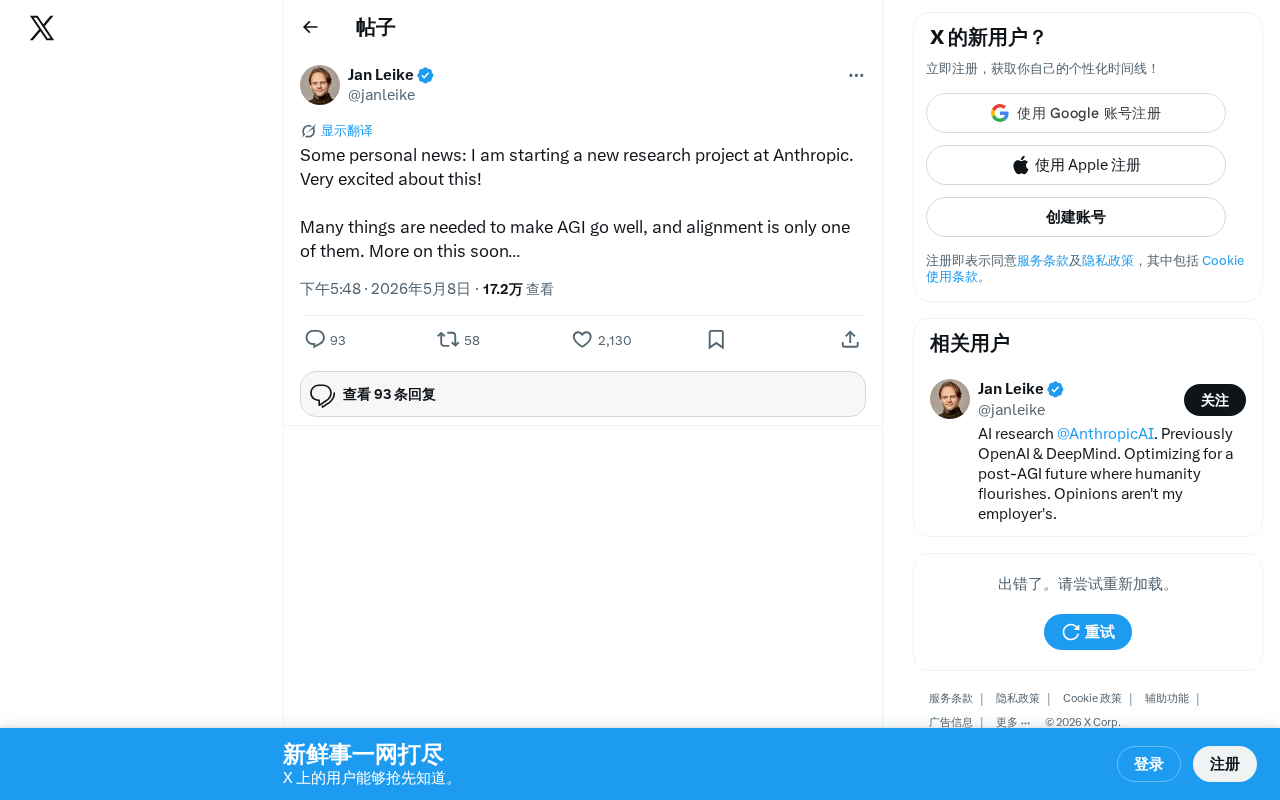
Jan Leike Launches New Research Project at Anthropic: Alignment Is Only Part of AGI Safety
Former OpenAI Superalignment lead Jan Leike announces a new research project at Anthropic, stating AGI safety goes far beyond alignment alone.
Read more →
·2 min
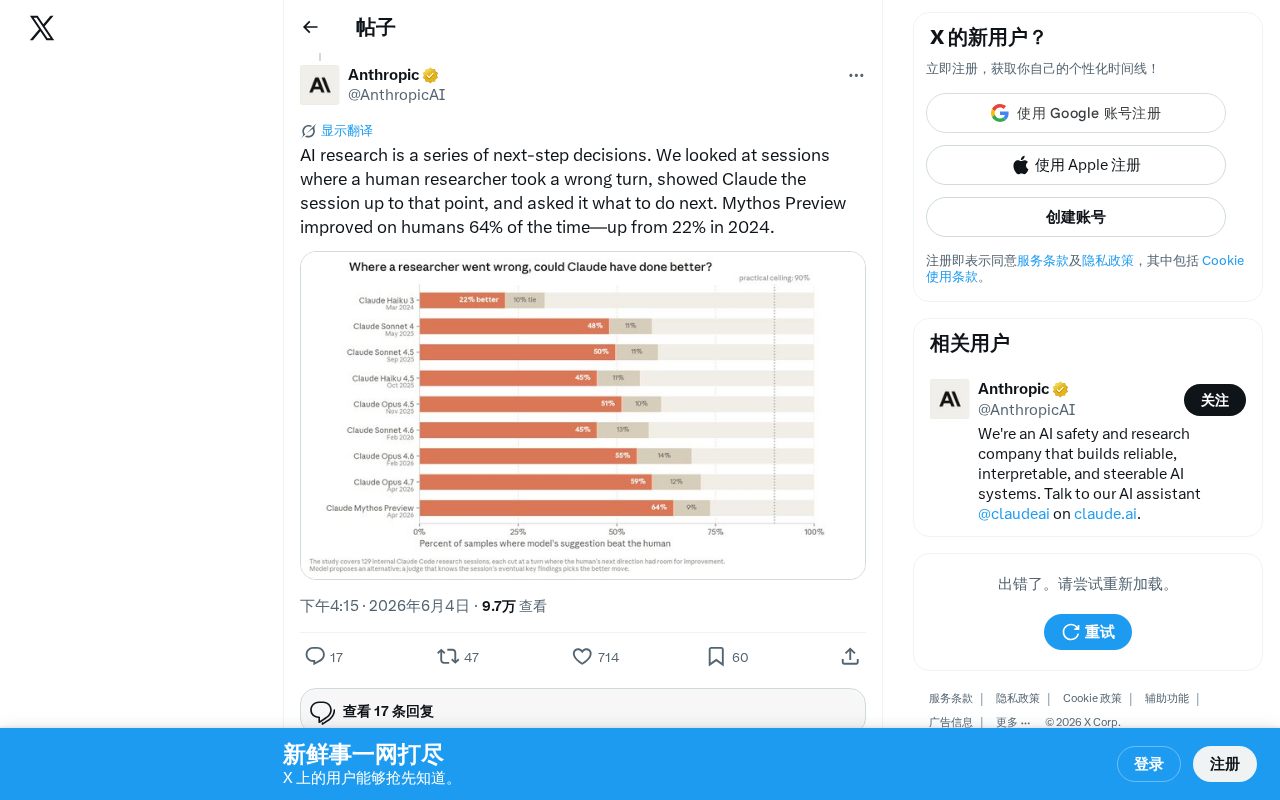
What It Means That Claude Mythos Preview Outperforms Human Researchers in 64% of Research Decisions
Anthropic's Claude Mythos Preview outperforms human researchers in 64% of research decisions, up from 22%. Analyzing this breakthrough's impact on AI-assisted research and human-AI collaboration.
Read more →