#human-in-the-loop
62 related articles
Product Reviews
Claude Code 2.0 Complete Breakdown: Ch…
·3 min
Claude Code 2.0 Complete Breakdown: Checkpoint Rollback, Context Visualization, and Other Core Features Explained
Deep dive into Claude Code 2.0's core features: checkpoint rollback, context window visualization, usage tracking, native VS Code extension, and MCP server integration, with comparisons to Cursor and Codex.
Read more →
Tutorials
Getting Started with LangChain: Core C…
·3 min
Getting Started with LangChain: Core Concepts and Hands-On Guide for LLM and Agent Development
A systematic guide to LangChain's core features, covering LLM vs. Agent concepts, unified interface design, multi-provider support, environment setup, and hands-on code examples for AI app development.
Read more →
Product Reviews
Amazon Kiro In-Depth Review: How Spec …
·3 min
Amazon Kiro In-Depth Review: How Spec Mode Redefines AI Programming
In-depth review of Amazon's AI programming tool Kiro, detailing Spec Mode's three-phase structured workflow (Requirements → Design → Implementation), comparing it with Cursor, plus a full hands-on build of an expense tracking system.
Read more →
 Deep Dives
·4 min
MCP Apps Deep Dive: AI Tools Move from Text Exchange to Interactive Collaboration
Deep analysis of MCP Apps: how Anthropic and OpenAI's official MCP extension enables AI tools to return interactive UIs, solving the context gap with Human-in-the-Loop collaboration.
Read more →
Tutorials
PyCharm AI Assistant Deep Dive: Local …
·2 min
PyCharm AI Assistant Deep Dive: Local Completion, Edit Mode & Practical Tips
Explore PyCharm AI Assistant's new features: free local AI completion, cloud-powered generation, Chat & Edit modes, and context management tips for Python developers.
Read more →
 Tutorials
·3 min
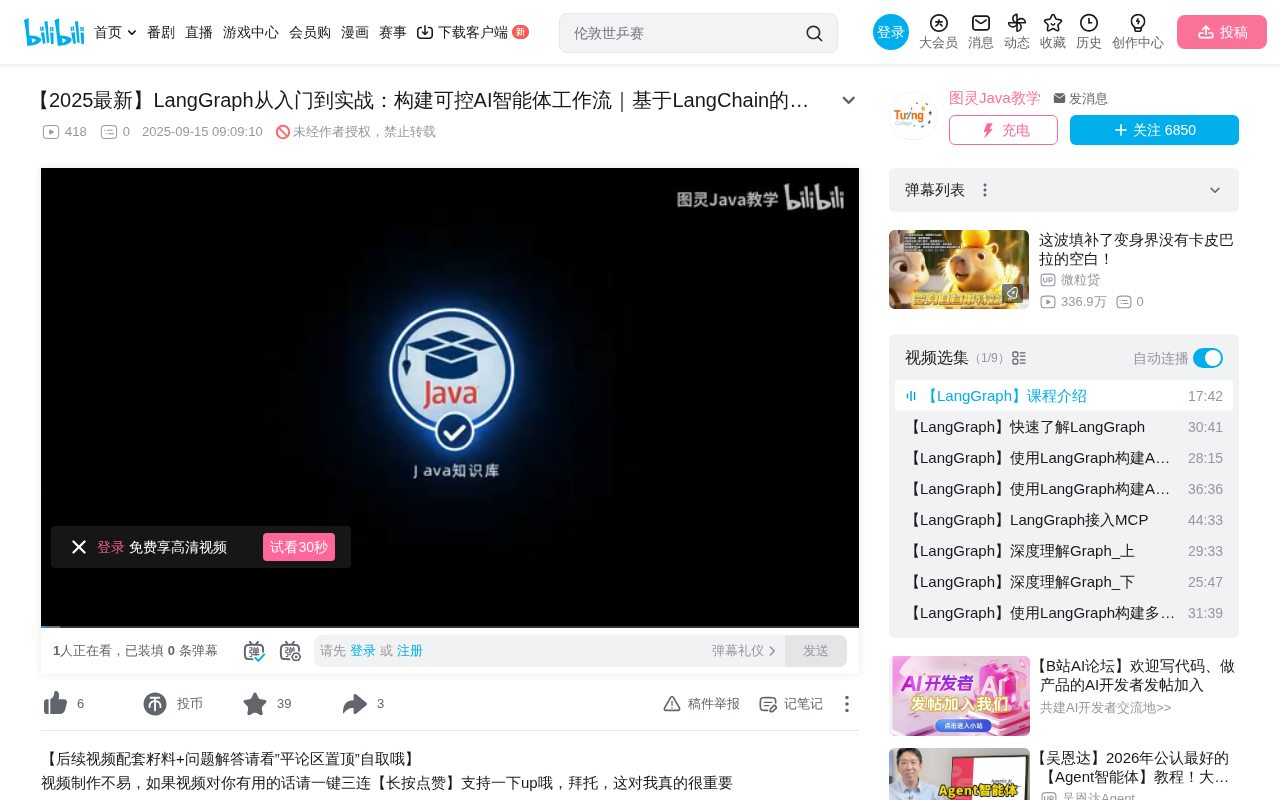
LangGraph Multi-Agent Architecture: Graph Structure Principles and Enterprise-Level Implementation Guide
Deep dive into LangGraph's core graph structure design, single and multi-agent collaboration patterns, MCP protocol integration, and Time Travel fault-tolerance, with enterprise-level hybrid multi-agent architecture implementation.
Read more →
 Product Reviews
·3 min
WaLiCode v0.2.0: Indie AI IDE Adds Multi-Project Chat and Task Decomposition
Indie developer releases AI IDE WaLiCode v0.2.0 with multi-project chat, task decomposition mode, and Ollama local model support, addressing pain points in mainstream AI IDEs.
Read more →
 Tutorials
·3 min
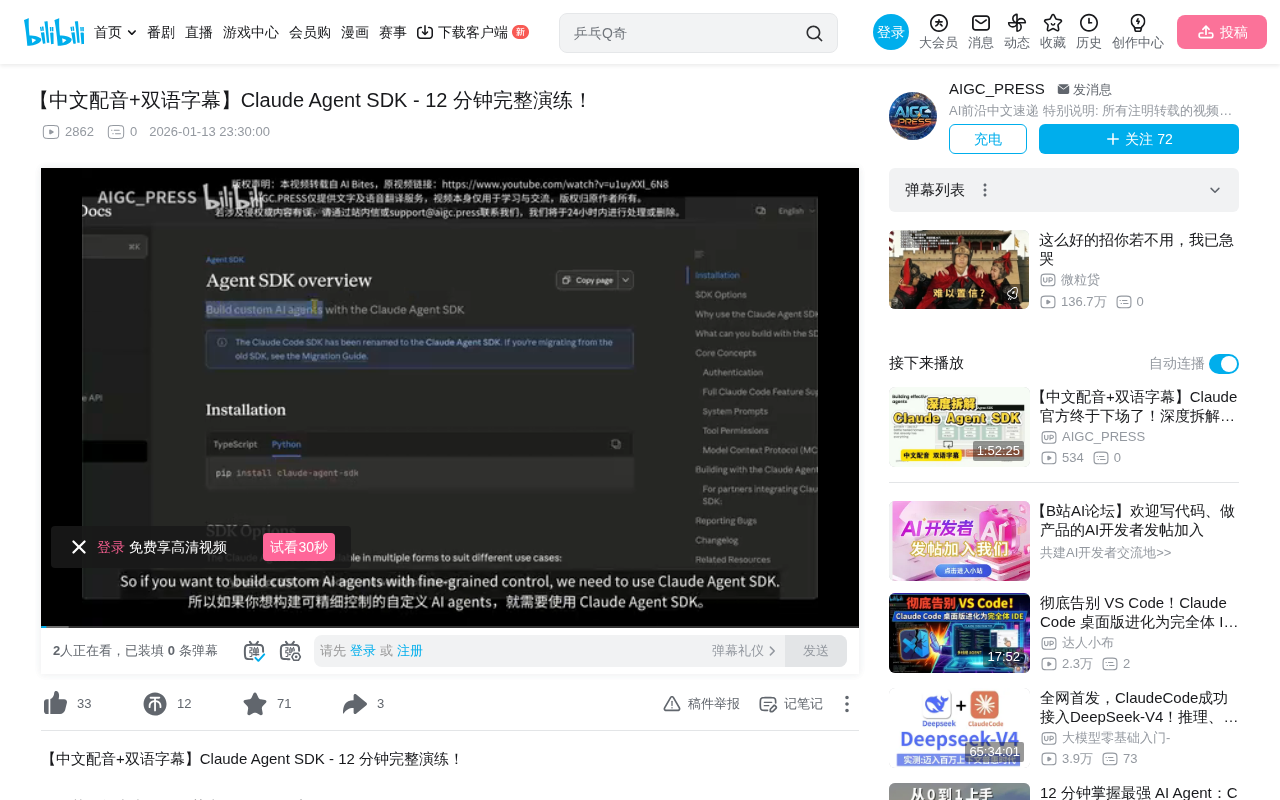
Claude Agent SDK Python in Practice: Custom Tools, Multi-Turn Conversations & Hooks Security Control
A deep dive into Claude Agent SDK for Python: Query basics, custom Tools with MCP Server, CloudSdkClient multi-turn sessions, and Hooks security control with full code examples.
Read more →
 Tutorials
·2 min
LangGraph vs LangChain: How to Choose Your Agent Development Framework
In-depth comparison of LangGraph vs LangChain: controllability, extensibility, and FastAPI-powered performance. Covers storage, enterprise private deployment, and migration guidance for agent developers.
Read more →
 Product Reviews
·3 min
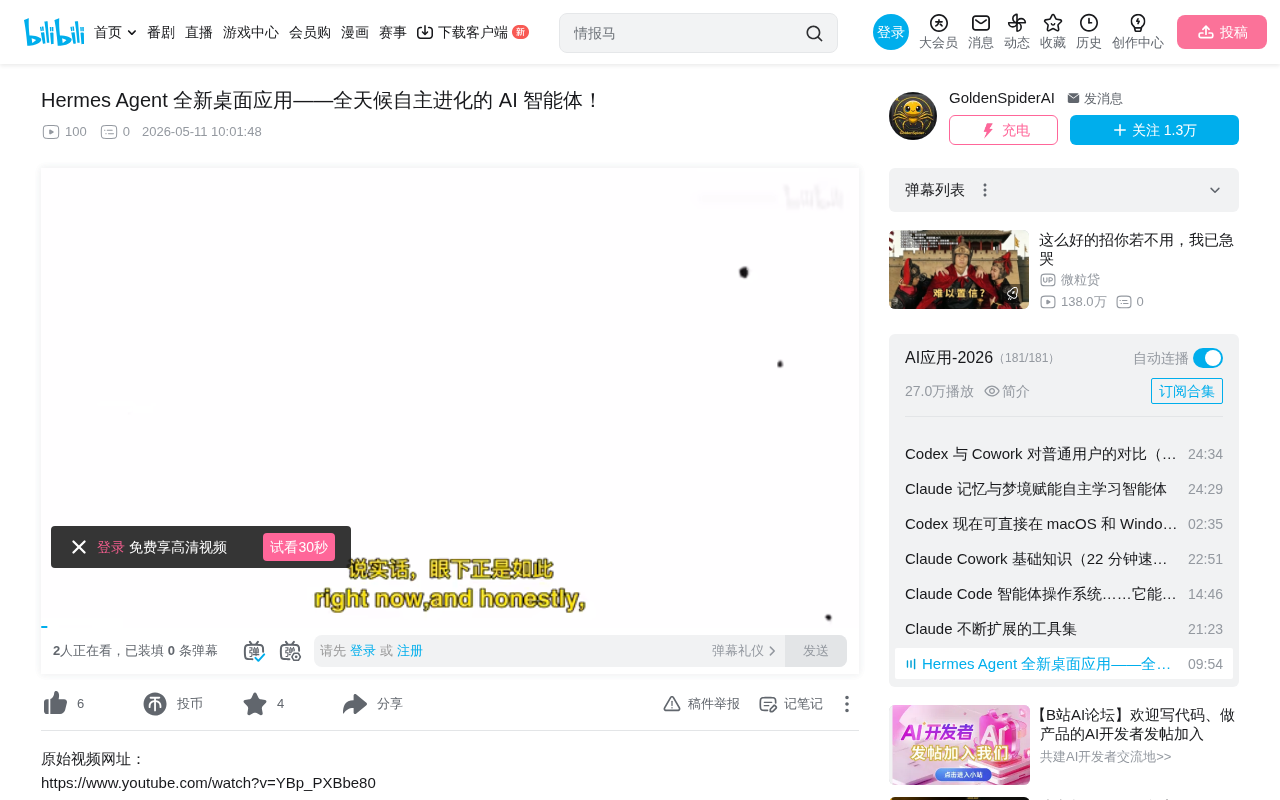
Hermes Agent Desktop App: The Self-Evolving Open-Source AI Agent
Deep dive into Hermes Agent desktop app: closed-loop learning, persistent cross-session memory, multi-agent management, and tool integration. Discover how this open-source AI agent self-evolves to become a true productivity powerhouse.
Read more →
 Industry Insights
·2 min
Enterprise Agent Implementation Guide: From Digital Foundations to Intelligent Transformation
How can enterprises truly implement AI Agents? This guide covers digital foundations, AI strategy, building logic shifts, and implementation paths for successful Agent deployment.
Read more →
 Deep Dives
·2 min
Agents Need Control Flow, Not More Prompts
Why do longer Prompts make AI Agents less stable? This article explains the control flow first architecture, replacing natural language control flow with code orchestration to boost multi-step reliability from 40% to over 90%.
Read more →
 Tutorials
·3 min
Enterprise Multi-Agent Development: Low-Code Platforms vs. Hand-Written Code — An In-Depth Comparison
In-depth comparison of two enterprise multi-agent development approaches: low-code platforms like Dify vs. hand-written code with LangGraph. Covers efficiency, flexibility, security, and prompt injection defense strategies.
Read more →
Product Reviews
Trae SOLO 2.0 Deep Dive: Generating a …
·3 min
Trae SOLO 2.0 Deep Dive: Generating a ChatGPT Website with a Single Sentence — How Well Does It Work?
Hands-on test of Trae SOLO 2.0's zero-code development: generating a ChatGPT-like website from a single sentence. Detailed review of requirements generation, auto-correction, UI quality, and backend limitations.
Read more →
Product Reviews
Codex CLI vs Cursor Hands-On Compariso…
·2 min
Codex CLI vs Cursor Hands-On Comparison: How to Choose Between Saving Money and Free
In-depth comparison of OpenAI Codex CLI vs free Cursor across speed, interaction, and cost. Reveals Codex's design logic and maturity gaps to help developers choose wisely.
Read more →
Tutorials
Three Key Features of Gemini CLI Expla…
·2 min
Three Key Features of Gemini CLI Explained: Hooks, Skills, and Plan Mode Make AI Coding Truly Controllable
Deep dive into Google Gemini CLI's three core features: Hooks intercept security risks, Skills reuse team knowledge, and Plan Mode enforces think-before-code workflows.
Read more →
 Industry Insights
·2 min
OpenAI Codex Powers a Self-Improving Tax AI Agent: A New Paradigm for Closed-Loop Evolution
OpenAI and Thrive Holdings launch a Codex-based Tax AI with closed-loop self-improvement: error tracing, auto-fixing, and test validation. A deep dive into this new AI Agent evolution paradigm.
Read more →
Tutorials
Codex Getting Started Guide: Dual-Chan…
·2 min
Codex Getting Started Guide: Dual-Channel Setup with DeepSeek (China) and ChatGPT (Global)
A detailed guide to OpenAI Codex's six core capabilities with dual setup options: DeepSeek for China-based users and ChatGPT for global access.
Read more →
 Deep Dives
·4 min
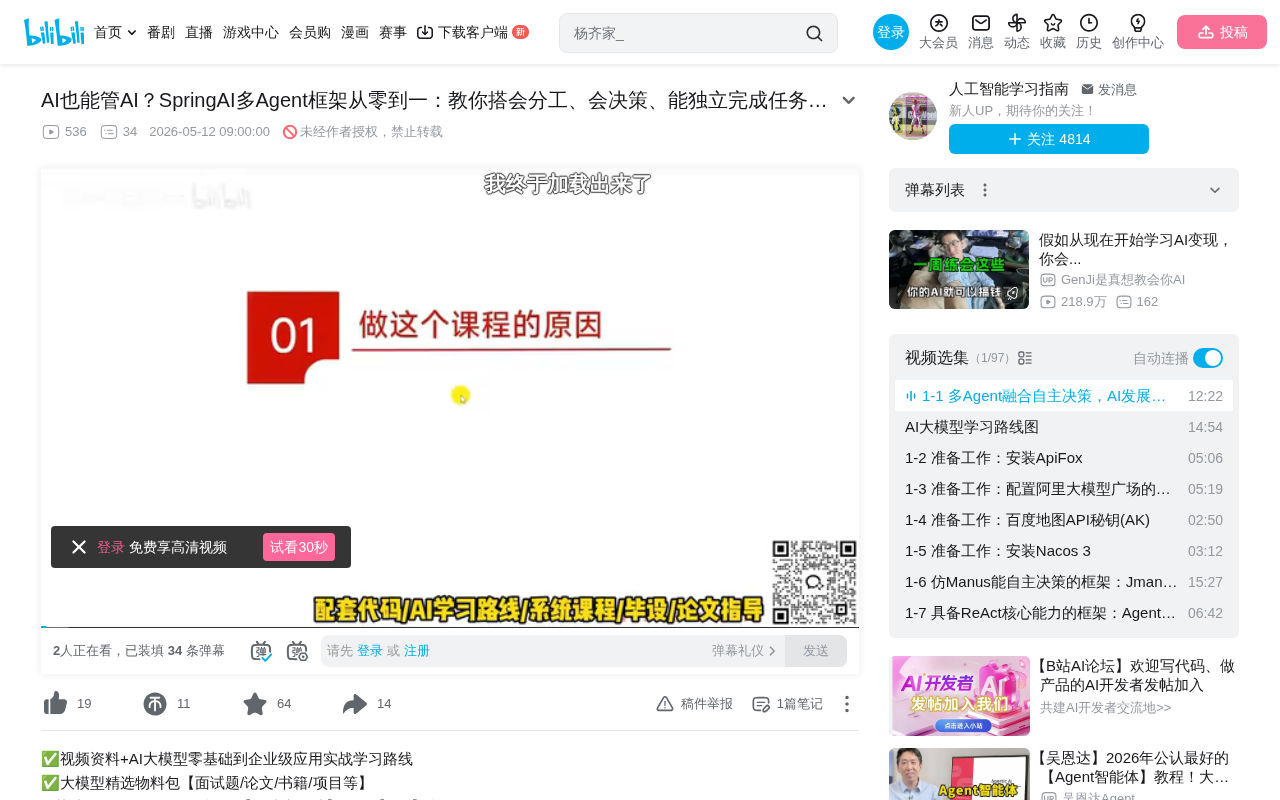
The Four Stages of AI Agent Evolution: A Complete Guide from Copilot to Multi-Agent Collaboration
Deep dive into the four stages of AI Agent evolution: Chat, Copilot, Agent, and Agentic AI. Covers ReAct framework, Spring AI stack, and multi-Agent architecture design for 2025.
Read more →
 Product Reviews
·3 min
How to Choose an AI Agent Framework in 2026? Pros and Cons of Four Leading Solutions
Compare four leading AI Agent frameworks in 2026: Coze, AutoGen, CrewAI, LangChain, and AutoGen Studio — covering coding requirements, private deployment, and commercialization.
Read more →