#large language model
958 related articles
·3 min
GPT-5.2 Codex vs Opus 4.5 Hands-On: A Comprehensive Comparison of Coding Ability, Speed, and Developer Experience
Hands-on comparison of GPT-5.2 Codex vs Opus 4.5 across frontend generation, physics simulation, 3D scenes, and code refactoring, with practical selection advice.
Read more →
Deep Dive into the Three AI Programmin…
·3 min
Deep Dive into the Three AI Programming Frameworks: The Right Way to Do Specification-Driven Development
Deep dive into the three frameworks of Specification-Driven Development (SDD) for AI programming: Blueprint, Execution Flow, and Change Records — solving the problem of AI code going off the rails.
Read more →
·3 min
Vibe Coding in Practice: A Junior Student Uses Cursor to Build a Multi-Agent System with 51 AI Officials Based on the Three Departments and Six Ministries Framework
A junior student uses Cursor and Vibe Coding to build a multi-agent system with 51 AI officials modeled on China's Three Departments and Six Ministries, featuring task distribution, approval workflows, and Token cost visualization.
Read more →
·2 min
How to Connect Codex to DeepSeek Models: Free Switching via CC Switch
Learn how to connect OpenAI Codex to DeepSeek models via CC Switch, enabling free switching between DeepSeek and GPT with complete setup and routing guide.
Read more →
·2 min
AI Coding Dependency: As Tools Get Stronger, Are Developers Getting Weaker?
Exploring the capability anxiety behind AI coding tool dependency. Analyzing the paradox of short-term efficiency vs. long-term skills, with strategies for developers to stay competitive in the AI era.
Read more →
·4 min
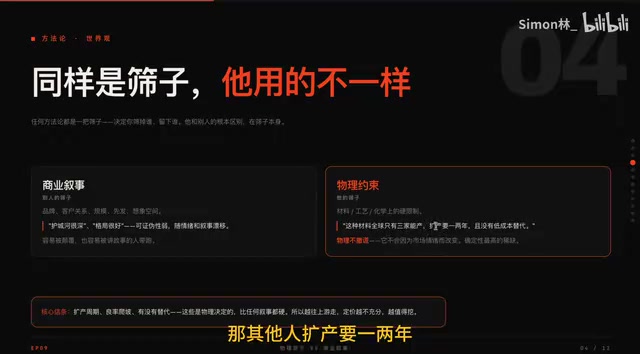
Deconstructing the Serenity Methodology: An Investment Research Framework from Market Leaders to Physical Bottlenecks
Deep breakdown of anonymous trader Serenity's methodology: drilling from market leaders along supply chains, using four hard conditions to identify physical chokepoints, and building a repeatable pipeline with Claude Code.
Read more →
·2 min
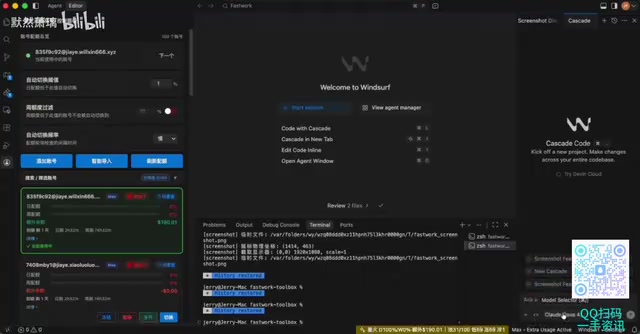
SparkWinShape Tutorial: A Detailed Guide to Windsurf Unlimited Multi-Instance Account Switching Tool
Detailed guide to SparkWinShape tool's core features and tutorial, including Windsurf auto account switching, multi-instance setup, probe detection, compliance risks, and alternatives.
Read more →
·1 min
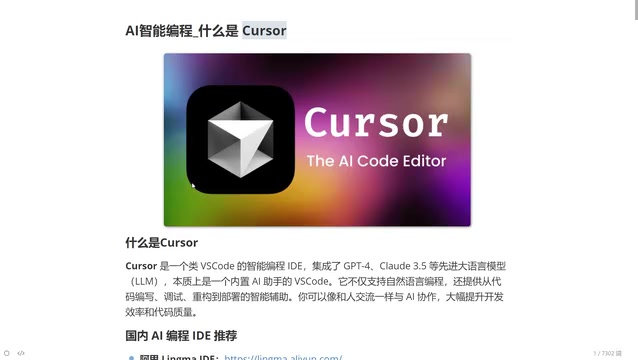
Cursor AI Programming Tool: A Complete Guide — Write High-Quality Code Even with Zero Experience
A deep dive into Cursor AI programming tool's core features, advantages over traditional IDEs, and target users. Learn how this AI-native IDE boosts coding efficiency for developers at all levels.
Read more →
·4 min
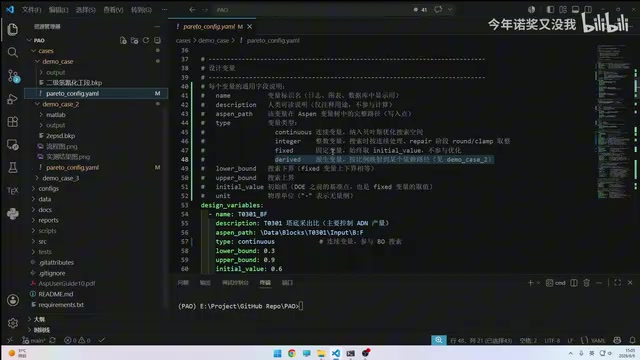
PAO Project in Practice: Bayesian Optimization-Driven Aspen Plus Automated Simulation Tutorial
Learn how the PAO project integrates Bayesian optimization with Aspen Plus via YAML configuration for automated multi-objective chemical process optimization.
Read more →
·3 min
Cursor Internal Data: 75% of Code Generated by AI, Engineers Transforming into Agent Managers
Cursor reveals internal data: enterprise AI-generated code surges from 15% to 75%, Agent requests grow 15x YoY, and 30% of PRs are completed entirely by Agents. Engineers are becoming Agent managers.
Read more →
·4 min
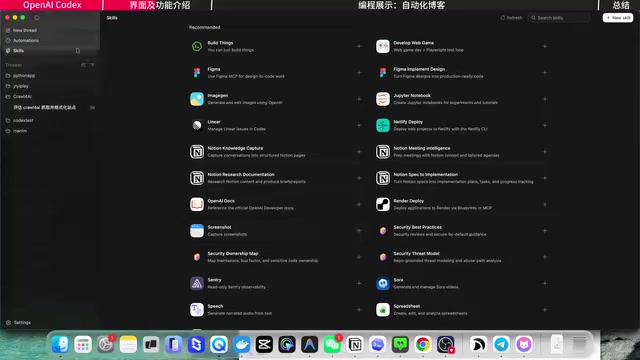
OpenAI Codex Desktop Experience: A Zero-to-Hero Guide for AI Programming
A detailed hands-on experience with OpenAI Codex Desktop, covering interface features and real-world examples. Free users can try it now with parallel tasks and natural language programming.
Read more →
·2 min
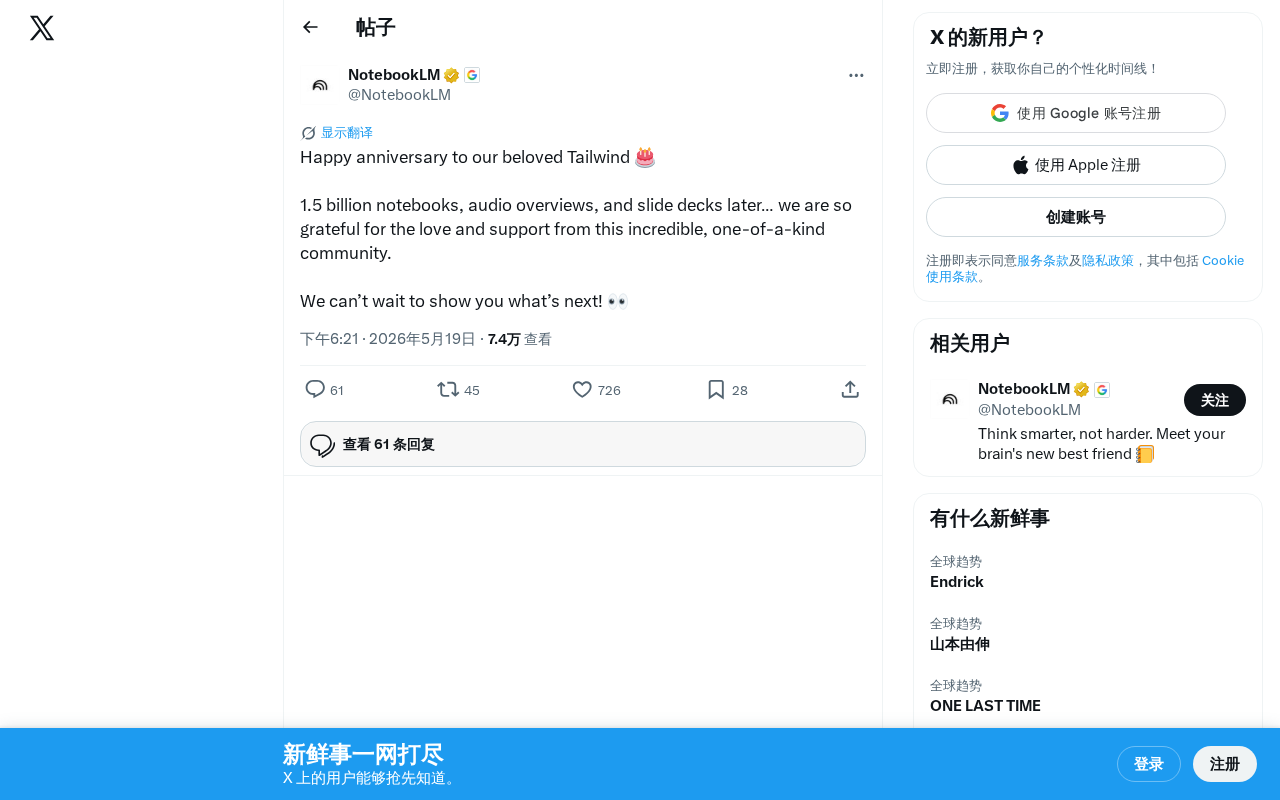
NotebookLM Anniversary Data Revealed: The Source-Driven AI Revolution Behind 1.5 Billion Notebooks
Google NotebookLM celebrates its anniversary with 1.5 billion notebooks, audio overviews, and slides created. A deep dive into its source-driven AI design, core features, and future direction.
Read more →
·2 min
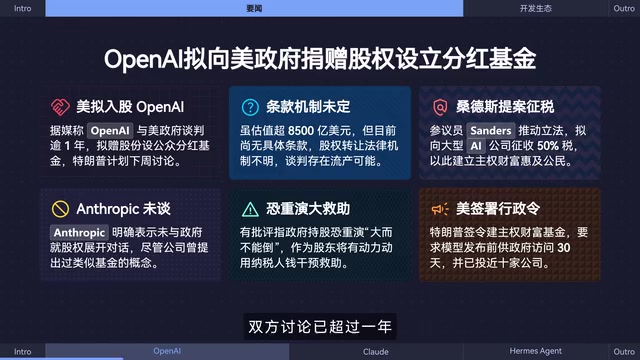
Claude Mythos 5 Allegedly Spotted, Inside OpenAI's Equity Negotiations with the U.S. Government
Claude Mythos 5 briefly spotted in Anthropic's API sparking launch speculation; OpenAI negotiates equity transfer and public wealth fund with U.S. government for over a year; Hermes Agent V0.16.0 ships native desktop app with Chinese language support.
Read more →
·2 min
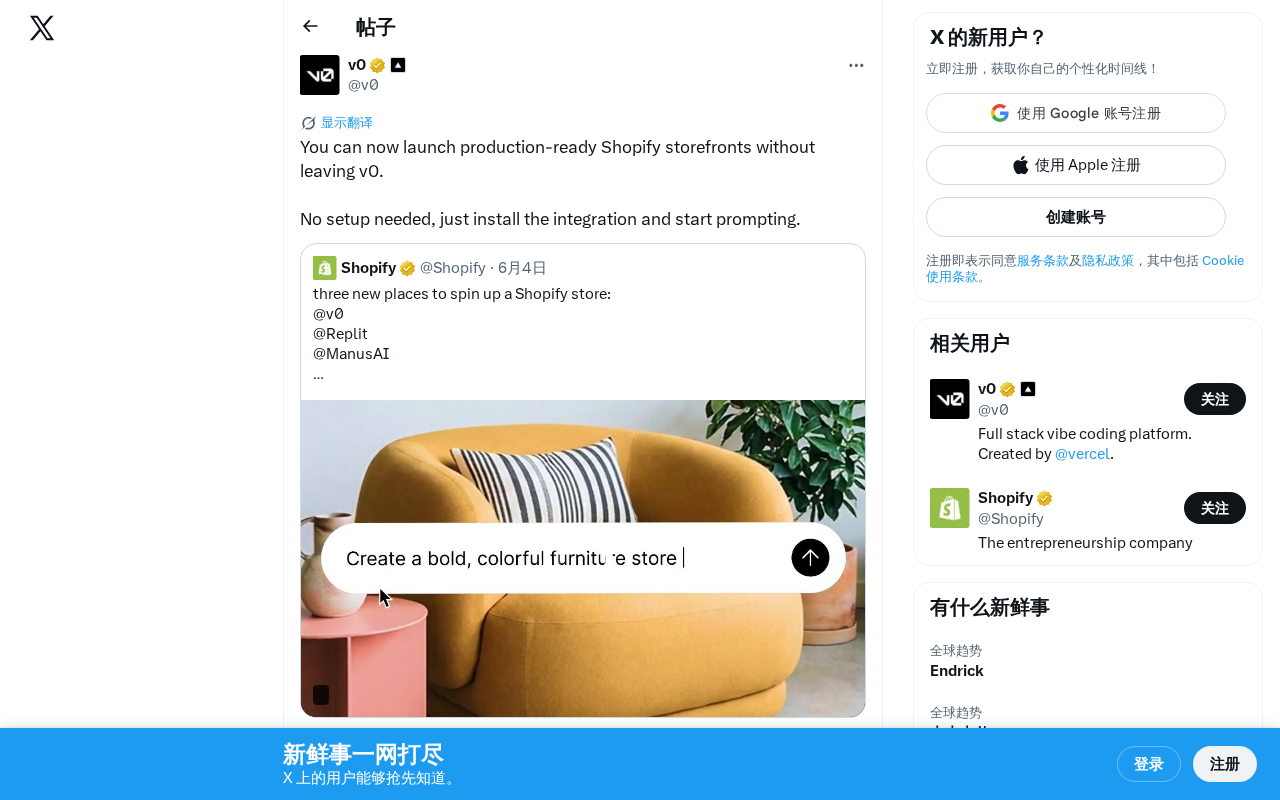
v0 Integrates with Shopify: AI Conversations Generate Production-Grade E-Commerce Websites
Vercel's AI tool v0 announces deep Shopify integration, enabling users to generate production-ready e-commerce storefronts via natural language prompts.
Read more →
·1 min
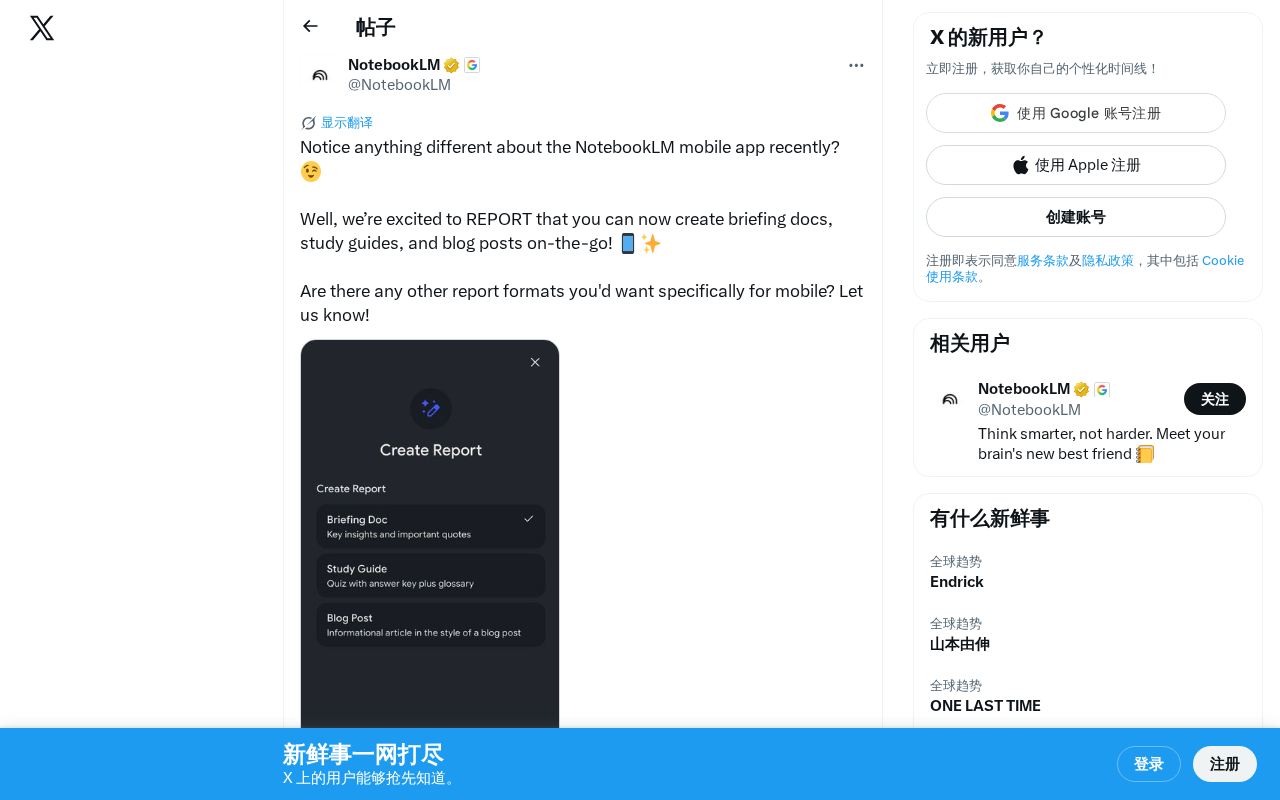
NotebookLM Mobile Adds Report Generation: Briefing Docs, Study Guides, and Blog Posts
Google NotebookLM mobile update adds three report generation features: Briefing Docs, Study Guides, and Blog Posts, letting users create professional documents from notes on the go.
Read more →
·1 min
Cursor System Outage: Paid Users Hit by Quota Restrictions, Official Fix Underway
AI coding tool Cursor confirms a system outage affecting paid user quotas and limits. Learn about the impact, workarounds, and alternative tools for developers.
Read more →
·2 min
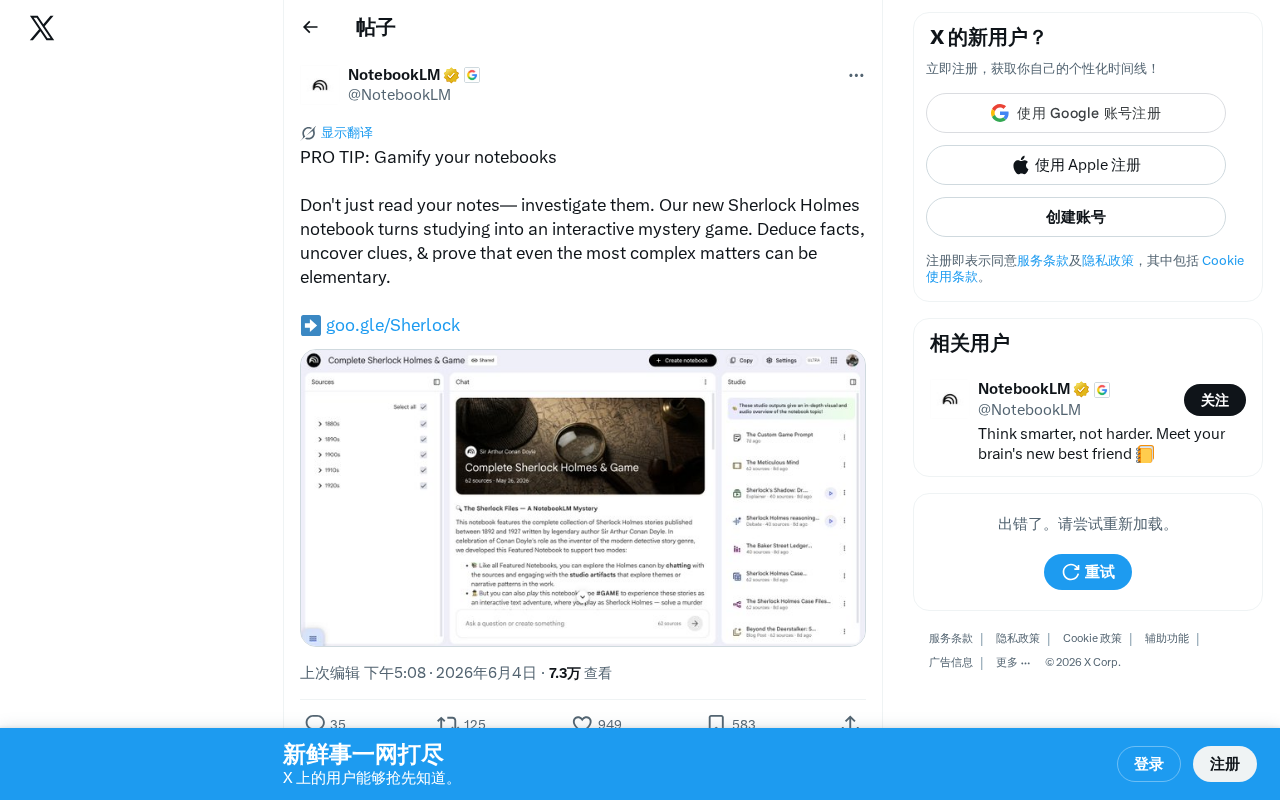
Gamified Learning with NotebookLM: Activate Your Notes Using the Sherlock Holmes Deduction Method
Google NotebookLM launches a Sherlock Holmes notebook template, turning passive note review into interactive deduction games. Learn how the Deduce-Uncover-Prove method enables gamified learning.
Read more →
·4 min
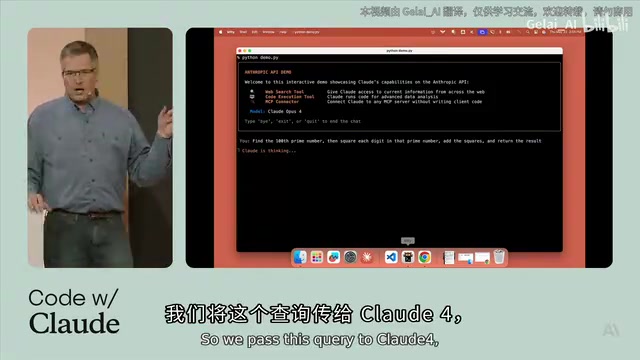
Anthropic's Official Breakdown: Three Core Components for Building AI Agents
Anthropic Developer Conference deep dive into three core AI Agent architectures: Build (code execution), Connect (Web Search & MCP), and Optimize, with live demos and multi-tool collaboration examples.
Read more →
·4 min
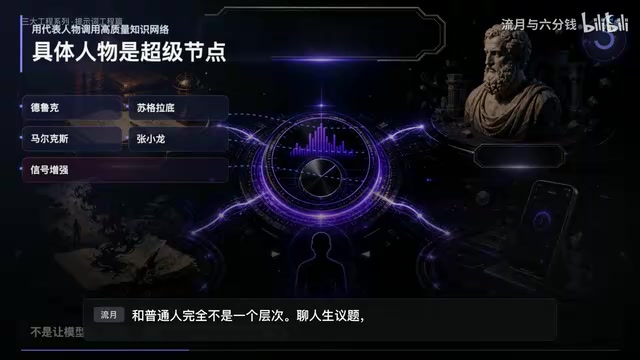
Can't Fill Out Prompt Templates Properly? The Four-Module Incremental Method Doubles Your AI Output Quality
Struggling with prompt templates? Learn the four-module incremental method—Role, Skills, Constraints, Response Format—to dramatically improve AI output quality.
Read more →
·4 min
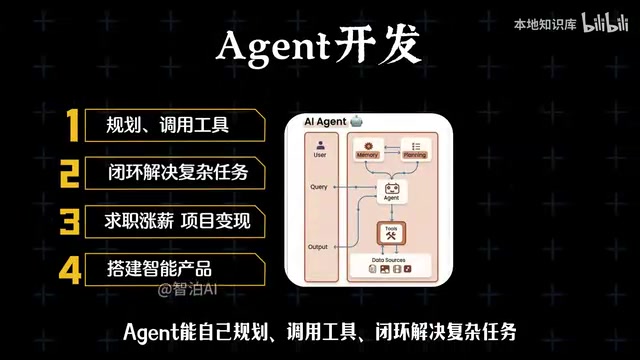
Agent Development Learning Roadmap: A Four-Stage Systematic Guide from Beginner to Practitioner
A systematic four-stage learning roadmap for AI Agent development, covering core concepts, classic paradigms like ReAct, multi-agent collaboration frameworks, and hands-on projects to master Agent development skills in 2-3 months.
Read more →