#semantic retrieval
43 related articles

·2 min
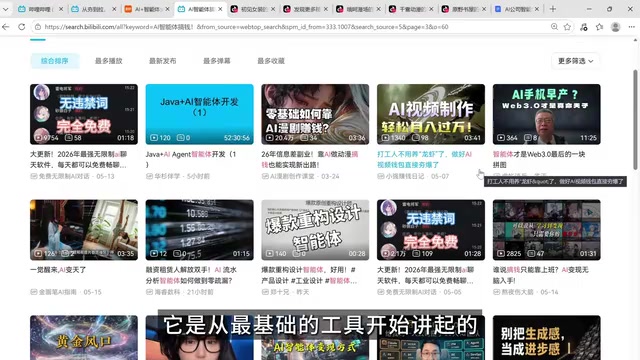
Anthropic Sales Rep Builds AI Tools with Claude, Transforms from Account Executive to GTM Architect
Anthropic account exec Jared built Clasps, an AI email tool using Claude and RAG architecture, saving 2-3 hours daily and transforming into a GTM Architect.
Read more →
·3 min
AI Agent Development Tutorial: A Practical Guide from Zero to One-Person Company
A systematic guide to AI Agent development covering the three-stage learning path, core tech stack including LLM, RAG, and LangChain, plus how to build a one-person company through automated Agent workflows.
Read more →
Codex Systematic Tutorial: From Beginn…
·2 min
Codex Systematic Tutorial: From Beginner to Enterprise-Level AI Engineering
In-depth guide to Codex AI programming tool: environment setup, Rules system, MCP protocol integration, multi-Agent collaboration, and enterprise RAG customer service project for complete AI engineering deployment.
Read more →
AI Agent Development Learning Roadmap:…
·4 min
AI Agent Development Learning Roadmap: A Complete Four-Stage Plan from Zero to Production
A systematic AI Agent development learning roadmap covering LLM API calls, ReAct framework, memory mechanisms, and multi-agent collaboration across four stages with timeline and project suggestions.
Read more →
The Four Stages of AI Coding Tool Evol…
·3 min
The Four Stages of AI Coding Tool Evolution: From Code Completion to Multi-Agent Collaboration
A deep dive into the four stages of AI coding tool evolution: from code completion and chat Q&A to Agentic Coding and multi-Agent collaboration, explaining the design logic behind Claude Code, Cursor, and Codex.
Read more →

·2 min
Cosmos Unified Agents Platform: A New Paradigm for AI Agent Collaboration Through Shared Context and Memory
Deep dive into how the Cosmos Unified Agents Platform solves multi-AI Agent collaboration challenges through shared context and memory mechanisms, and its positioning in enterprise multi-Agent orchestration.
Read more →
·2 min
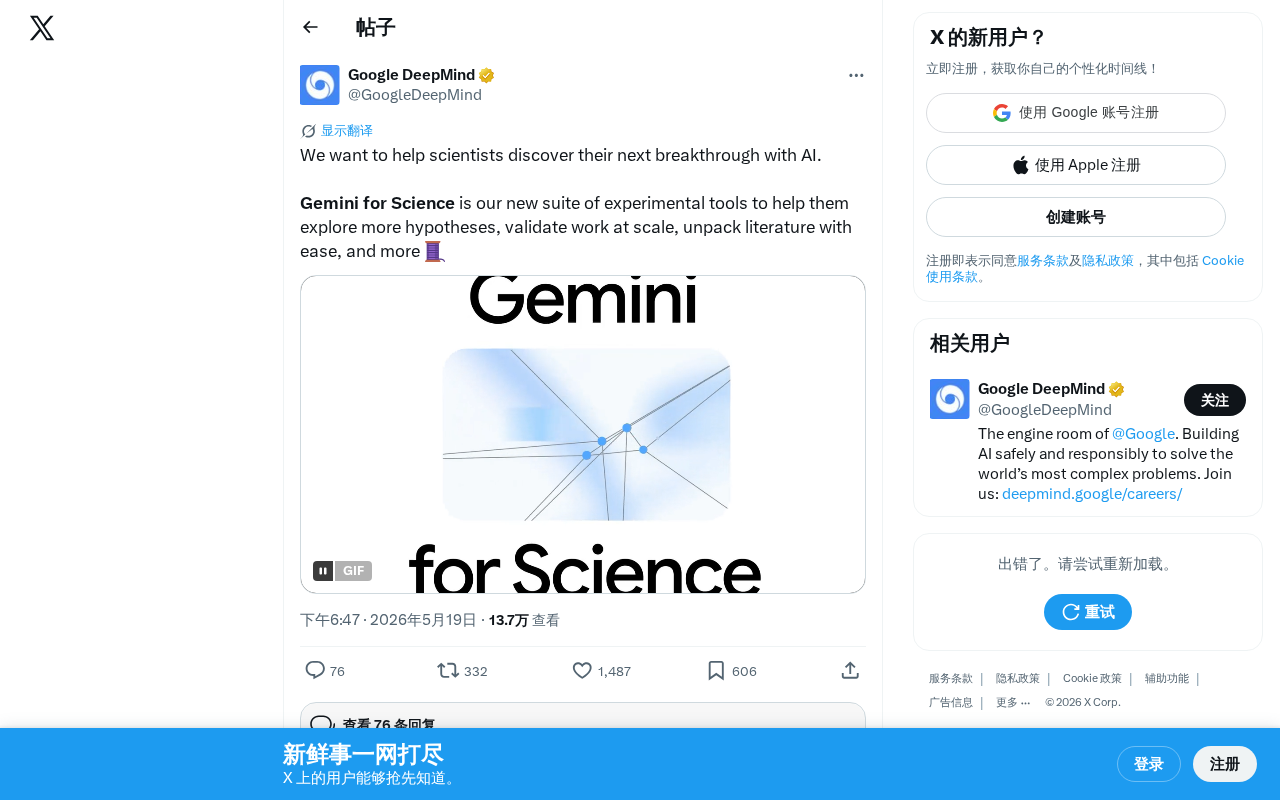
Google Gemini for Science: A Detailed Look at the Experimental AI Toolkit Empowering Scientific Research
Google officially releases Gemini for Science, an experimental AI toolkit for researchers covering hypothesis exploration, large-scale validation, and literature interpretation to accelerate scientific discovery.
Read more →
·2 min
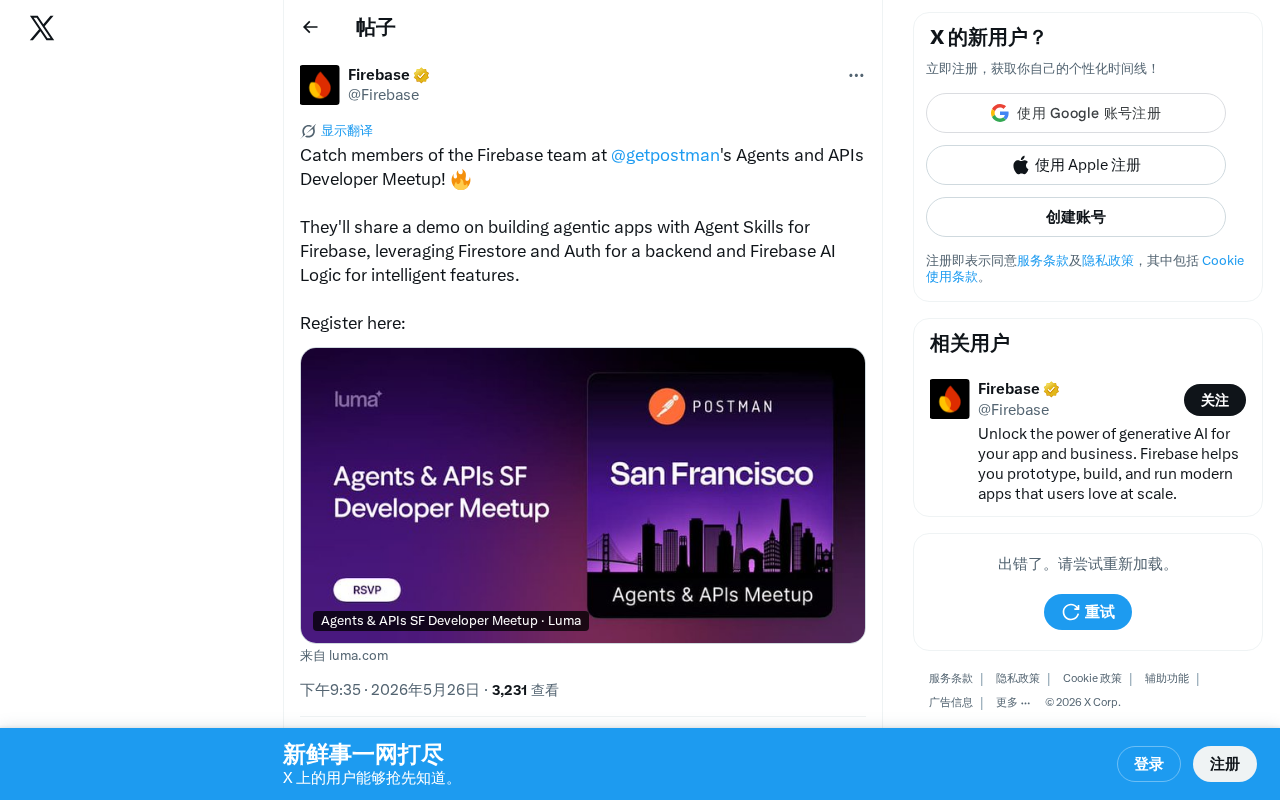
Firebase Agent Skills Explained: An All-in-One AI Agent Development Solution
Deep dive into Firebase Agent Skills architecture covering Firestore data backend, Firebase Auth, and AI Logic — three core components for building AI agent apps.
Read more →
·3 min
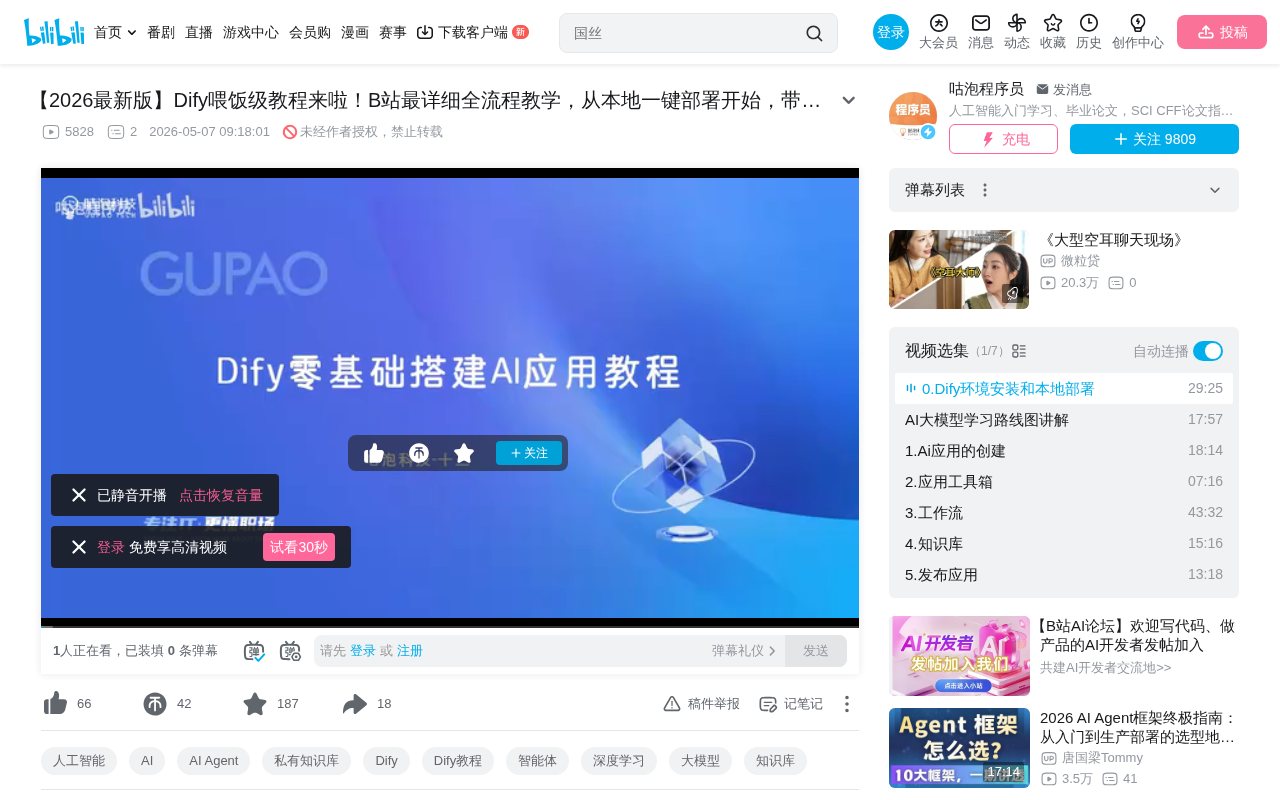
Dify Local Deployment Tutorial: A Beginner's Guide Using Virtual Machine + BT Panel
Step-by-step Dify local deployment guide using VMware, Ubuntu, BT Panel, and Docker. Perfect for beginners with zero Linux experience to set up this open-source AI development platform.
Read more →
 Deep Dives
·3 min
Deep Dive into How OpenClaw (Open-Source Crayfish) AI Agent Works
Deep analysis of OpenClaw AI Agent internals: System Prompt, tool calling, SubAgents, Skill system, memory, and Context Engineering explained.
Read more →
 Tutorials
·3 min
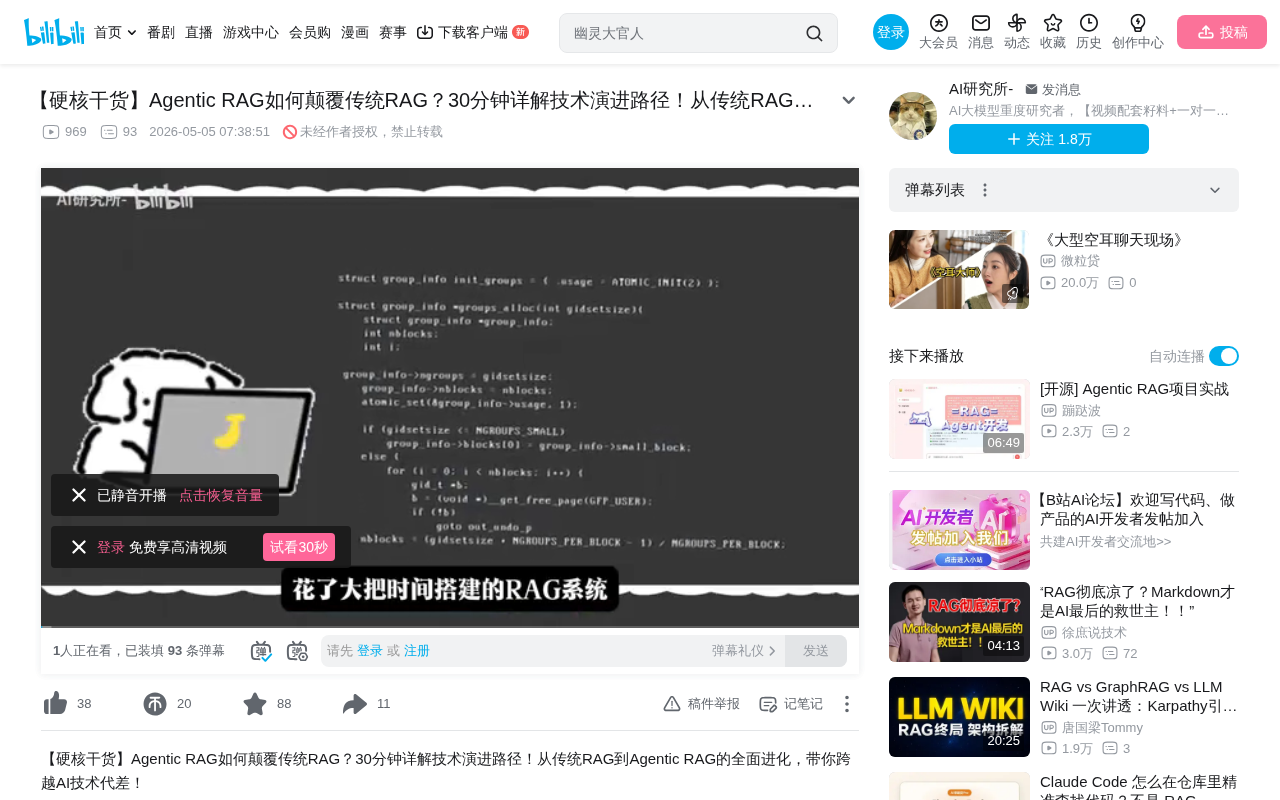
From Traditional RAG to Agentic RAG: Core Principles and Implementation Guide
Deep dive into the technical differences between traditional RAG and Agentic RAG, covering offline/online pipeline principles, tool-based autonomous decision mechanisms, and a LangGraph-based Agentic RAG implementation via the ChatBox open-source project.
Read more →
 Tutorials
·3 min
Enterprise RAG Project in Practice: A Complete Guide from Principles to Deployment
Complete guide to enterprise RAG projects covering principles, LangChain implementation, data processing, retrieval optimization, evaluation, and cloud deployment for AI knowledge base applications.
Read more →
 Product Reviews
·4 min
OpenClaw vs Hermes: In-Depth Comparison and Selection Guide for Open-Source AI Agent Frameworks
In-depth comparison of OpenClaw and Hermes open-source AI Agent frameworks covering architecture, memory systems, auth, plugins, and channel distribution to guide developer selection.
Read more →
 Deep Dives
·4 min
Is Context Engineering the Core of Agent Development? A Deep Dive into Architecture and Practical Solutions
Deep dive into context engineering as the core of Agent development, covering five context modules, four pain points, and dynamic assembly solutions including compression, hybrid retrieval, multi-Agent architecture, and state machine control.
Read more →
 Tutorials
·2 min
LangChain 1.0 Complete Guide: Architecture, Core Modules, and Learning Path
Deep dive into LangChain 1.0's three-layer architecture (LangChain, LangGraph, Deep Agents), core components like Models, Tools, and Memory, plus a complete learning path from semantic search to multi-agent collaboration.
Read more →
 Tutorials
·3 min
Building an Automated Money-Making System with AI Agents: A Multi-Agent Hands-On Tutorial
Learn how to build a full-pipeline automated money-making system using Multi-Agent architecture, covering Customer Service Agent, Cashier Agent, Delivery Agent setup, workflow orchestration, RAG knowledge bases, and MCP tool calling.
Read more →
 Research
·4 min
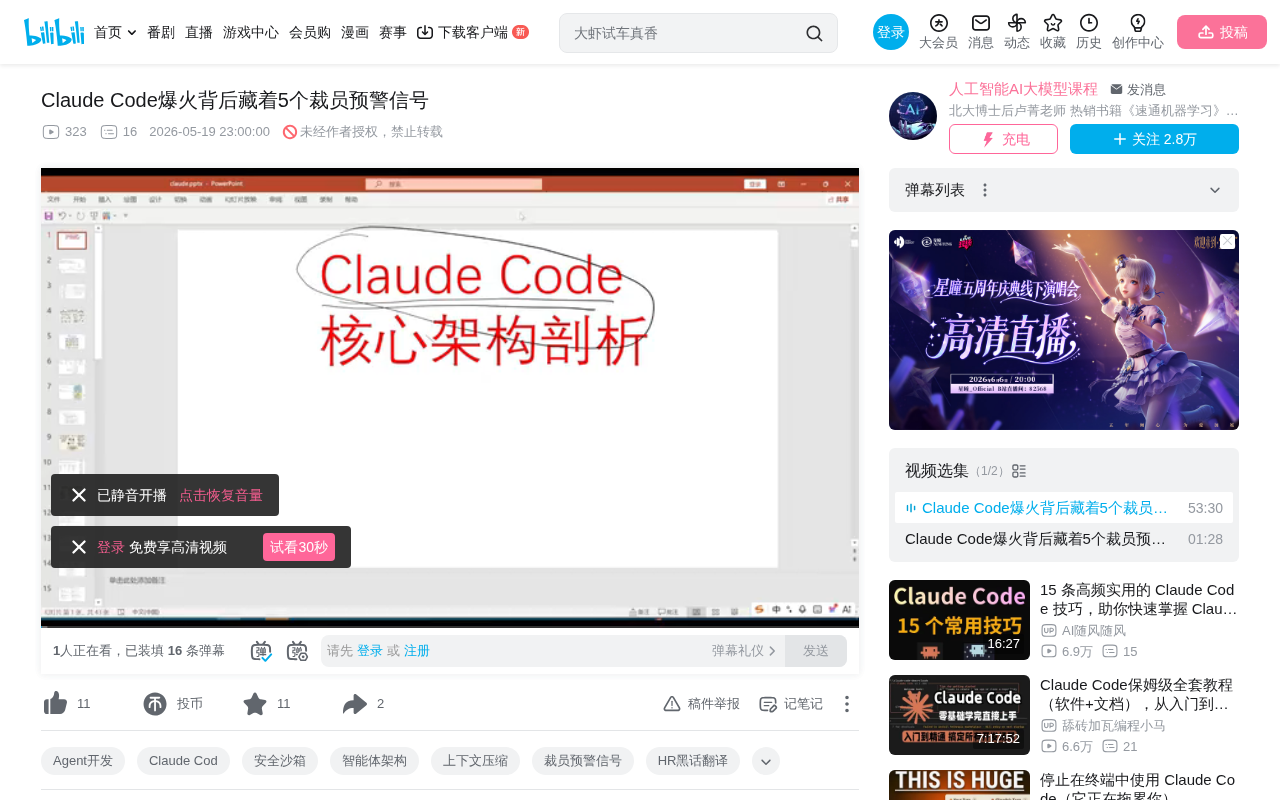
Deep Dive into Claude Code's Open-Source Architecture: The Design Philosophy Behind 510,000 Lines of Code
Deep analysis of Claude Code's open-source architecture: dual-loop design, 7-step tool pipeline, 4-layer token compression, memory systems, and multi-agent collaboration patterns.
Read more →
 Tutorials
·4 min
Practical Guide to Building a Local AI Knowledge Base with Qwen3.5 + RAGFlow + Ollama
Step-by-step guide to building a local RAG knowledge base using RAGFlow, Ollama, and LM Studio with Docker, covering Embedding model deployment and network troubleshooting for private AI Q&A.
Read more →
 Industry Insights
·4 min
Deep Dive into Claude Code's Open-Source Architecture: Six Core Design Principles and Engineering Practices Revealed
Deep analysis of Claude Code's open-source architecture: six core design principles including dual-loop mechanism, seven-step tool pipeline, four-layer token compression, multi-agent collaboration, and memory systems.
Read more →
 Tutorials
·3 min
Can You Really Transition to AI/LLM in Three Months? A Deep Dive into the Learning Roadmap
Deep dive into a popular 3-month AI/LLM transition roadmap: from Python basics and Prompt engineering to LangChain, RAG, Agents, and hands-on projects, with realistic time estimates and pitfall warnings.
Read more →