#DEEP DIVE
326 related articles
·4 min
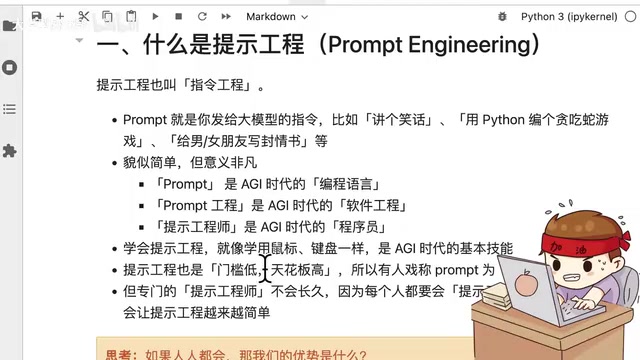
Core Methodology of Prompt Engineering: A Systematic Deep Dive from Principles to Practice
A deep dive into prompt engineering principles and core methodology. Master three keys to high-quality prompts: specific, rich, and unambiguous. Learn tuning techniques and advanced programming integration.
Read more →
·2 min
Claude Code: The Ultimate Beginner's Guide — A Deep Dive into the Open-Source Project That Hit 33K Stars in 3 Days
Deep dive into the viral Claude Code manual on GitHub (33K+ Stars): slash commands, memory system, MCP protocol, Hooks plugins, and how to build a full AI dev team.
Read more →
·3 min
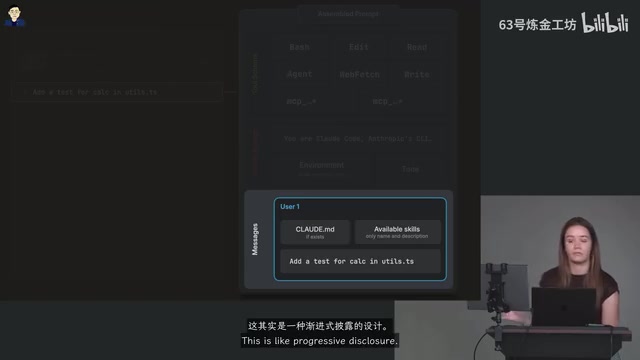
Deep Dive into How Claude Code Works: Prompt Assembly, Permission Control, and the Skills Mechanism
Deep dive into Claude Code internals: stateless model principles, four-layer prompt assembly, Agentic Loop execution, permission control, and reusable Skills workflow templates for agentic engineering.
Read more →
·2 min
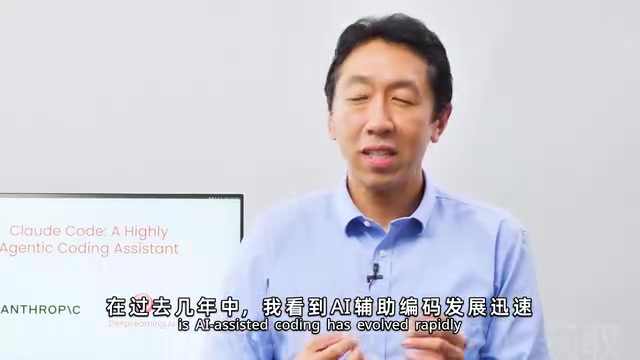
Claude Code Complete Tutorial: Best Practices from Architecture to Parallel Development
DeepLearning.ai and Anthropic's joint Claude Code course covers architecture, parallel development, and MCP server integration. From RAG chatbots to Figma-to-code workflows, master AI coding assistant best practices.
Read more →
·3 min
Trae Agent Deep Dive: Hands-On Review of ByteDance's Open-Source AI Coding CLI Tool
Deep dive into ByteDance's open-source Trae Agent—a free MIT-licensed AI coding CLI tool. Covers installation, core features, run modes, and real-world performance vs Claude Code and Gemini CLI.
Read more →
·2 min
Will AI Coding Replace Programmers? A Deep Dive into Manufacturing vs. Internet Industry Differences
Will AI coding tools like Claude Code and Codex replace programmers? This analysis compares replacement risks across internet and manufacturing industries with practical career advice.
Read more →

·4 min
AI Agent Core Architecture Explained: A Deep Dive into the Four Key Modules — Perception, Brain, Action, and Memory
Deep dive into AI Agent architecture: explore the four core modules — Perception, Brain, Action, and Memory — covering RAG, tool calling, Chain of Thought, and more.
Read more →

·2 min
MCP Protocol Deep Dive: The Core Mechanism Behind Claude Code's External Tool Connections
Deep dive into the MCP protocol's architecture, server types, scope modes, and context window optimization strategies for configuring Claude Code's external tool connections.
Read more →
·2 min
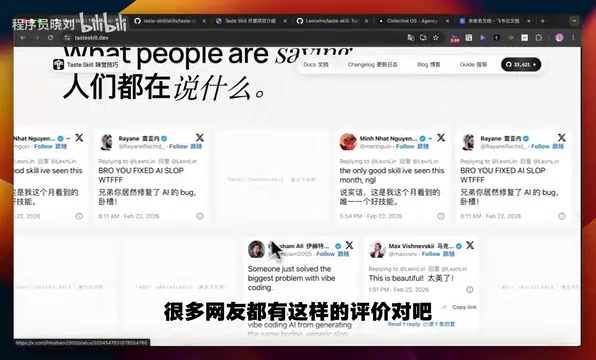
Taste-Skill: A Deep Dive into the AI Aesthetic Prompt Project with 33K GitHub Stars
Taste-Skill is a 33K-star GitHub project that embeds aesthetic rules into AI prompts, helping Claude Code, Cursor, and other AI tools generate better-looking UI.
Read more →
·3 min
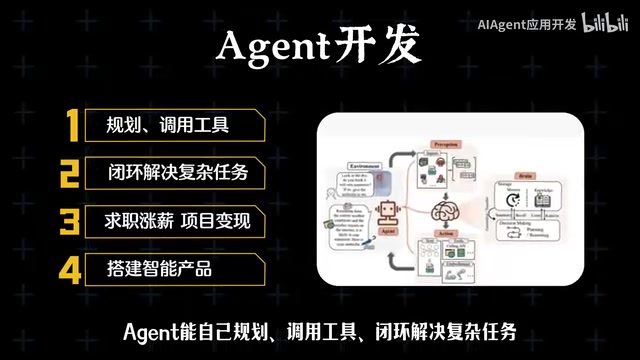
AI Agent Development Learning Roadmap: A Complete Four-Stage Guide from Beginner to Practitioner
A systematic AI Agent development learning roadmap covering core concepts, ReAct/CoT paradigms, multi-agent collaboration, and hands-on projects across four stages.
Read more →

·4 min
Self-Study Guide to AI Agent Development: A Complete Path from Zero to Production
A practical self-study roadmap for AI Agent development: covering core skills, common pitfalls, phased learning plans, and interview prep to help developers go from concept collectors to builders.
Read more →
·3 min
LangChain from Beginner to Agent Development: A Complete Learning Path for LLM Application Development
A systematic guide to LangChain LLM application development, covering environment setup, core components (RAG, Chain, Memory), and Agent development to help developers master LLM app building.
Read more →
·3 min
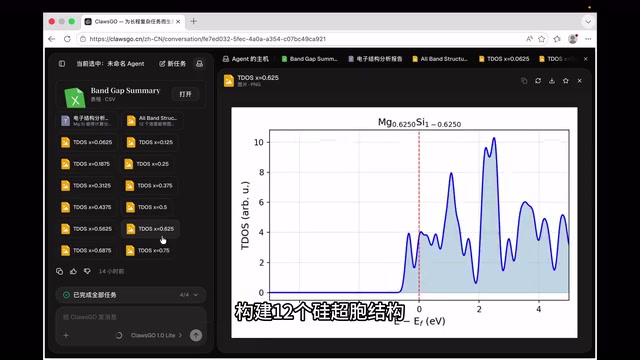
Deep Dive into Closco: The Research Automation Platform That Goes from Natural Language to Complete Reports
Deep analysis of Closco's research automation platform covering cloud sandbox architecture, self-healing execution, batch computing, and applications in computational materials science, drug design, and genomics.
Read more →
·2 min
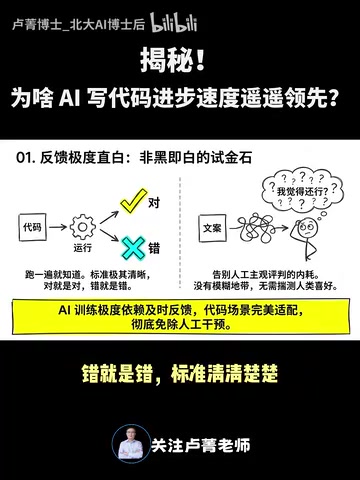
Why Is AI Progressing Fastest in Coding? A Deep Dive into Four Structural Advantages
AI coding advances faster than writing or image generation due to four structural advantages: instant feedback, GitHub's natural high-quality data, unified quantifiable standards, and perfect fit for reinforcement learning.
Read more →
·3 min
The Complete Vibe Coding Tool Landscape: From Cursor to CodeBuddy — How to Choose Among Nine Leading Tools
Compare 9 leading Vibe Coding tools — Cursor, CodeBuddy, Codex, Trae & more. Find the best AI coding assistant for beginners to pro developers.
Read more →
·2 min
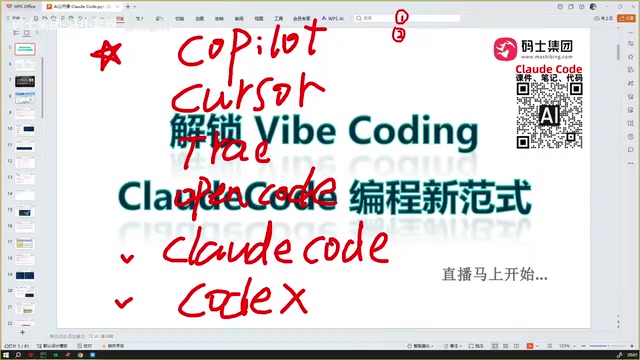
The Complete Guide to Claude Code: A Practical Deep Dive into AI Programming from Beginner to Expert
Deep dive into Claude Code's core strengths, Prime mode, and interrogative programming. Compare with Cursor and Copilot, analyze AI coding in 0-to-1 vs 1-to-100 scenarios.
Read more →

·3 min
vLLM Deep Dive: How PagedAttention Enables High-Throughput LLM Inference
Deep dive into vLLM's core technologies for high-throughput LLM inference, including PagedAttention memory management, continuous batching, distributed deployment, and comparisons with TensorRT-LLM.
Read more →

·2 min
Cherry Studio: A Deep Dive into the Open-Source AI Productivity Tool with Unified Access to 300+ LLMs
Deep dive into Cherry Studio, an open-source AI client supporting 300+ LLMs including OpenAI, Claude, and Gemini, with autonomous agents and pre-built assistants. Nearly 47K GitHub Stars.
Read more →

·2 min
Google Antigravity CLI Launch: Unified AI Development Platform and Gemini CLI Migration Guide
Google launches unified AI platform Antigravity, migrating Gemini CLI users to the new Antigravity CLI rebuilt in Go with multi-agent orchestration and async workflows.
Read more →

·2 min
New Gemini macOS Feature: Double-Tap Command Key to Analyze Screen Content
Google launches screen-awareness for Gemini macOS: double-tap Command keys to attach active window content to AI conversations, enabling context-aware help without screenshots.
Read more →