#MCP
314 related articles
 Tutorials
·3 min
SDD (Specification-Driven Development) in Practice: AI Programming Methodology from Cursor to Claude Code
Deep dive into SDD (Specification-Driven Development) methodology covering Cursor and Claude Code in practice—from intelligent data querying to enterprise compliance platforms across four progressive projects.
Read more →
 Tutorials
·2 min
Two MCP Plugins Combined: Solving Claude Code's Memory Loss Problem in Large Projects
Claude Code loses memory on large projects? Learn how Cloud Context and Context Mode MCP plugins combine vector-indexed retrieval with 98% compression to solve context window overflow.
Read more →
 Deep Dives
·3 min
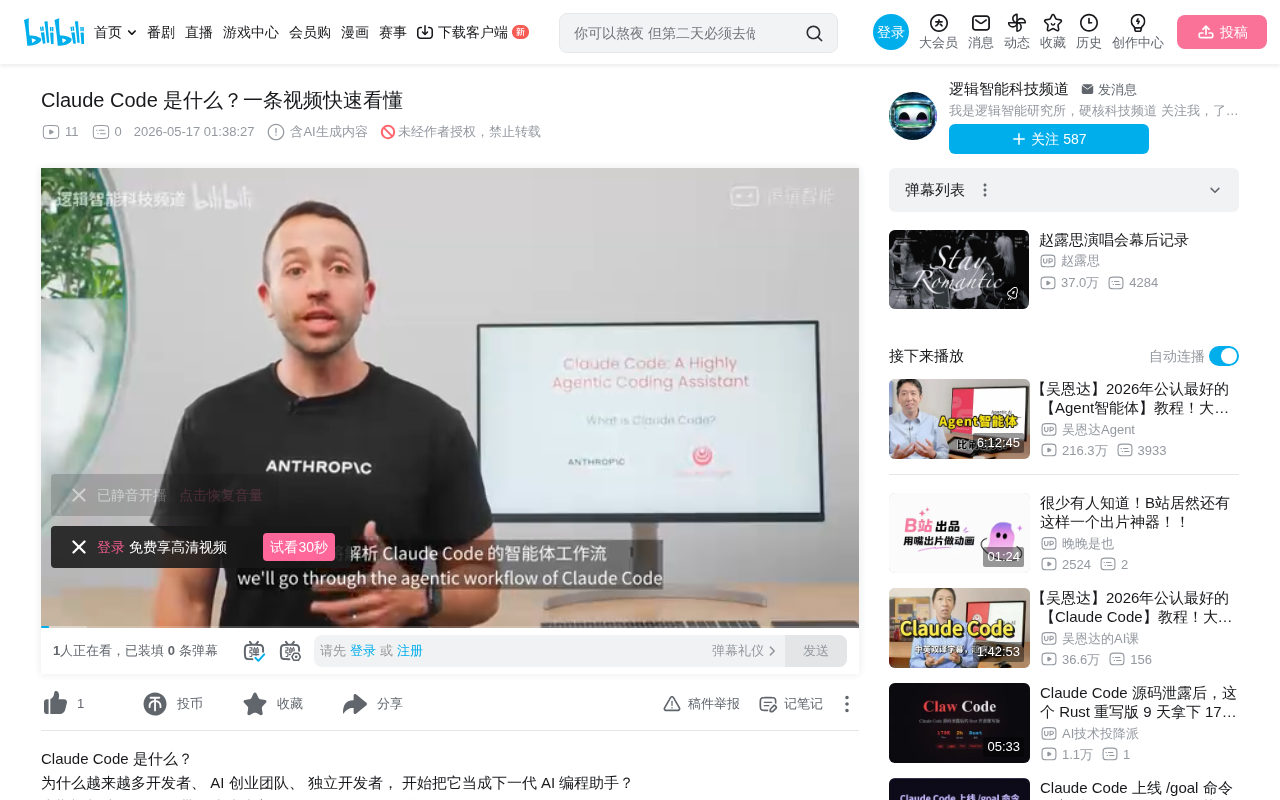
How Claude Code Works: Inside the Agentic Programming Tool
Deep dive into Claude Code's core mechanisms including tool calling, agentic search, memory systems, and MCP protocol extensions. Learn how this CLI agent tool autonomously plans and executes complex development tasks.
Read more →
 Tutorials
·2 min
Getting Started with Claude Code MCP: Connecting External Tools and Context Management Practices
A detailed guide to MCP (Model Context Protocol) in Claude Code, covering server setup, three scope configurations, context window optimization, CLI alternatives, and Skills best practices.
Read more →
 Product Reviews
·2 min
AgentMemory: An Open-Source Solution for Giving AI Coding Assistants Permanent Memory
AgentMemory is an open-source persistent memory layer supporting memory sharing across 16 AI coding tools including Claude Code and Cursor. 95.2% retrieval accuracy, ~1900 tokens per session, local SQLite storage with zero privacy concerns.
Read more →
 Product Reviews
·3 min
Claude Code v2.1.143 Update: Plugin Dependency Chain Management & Background Session State Persistence
Claude Code v2.1.143 brings intelligent plugin dependency chain management, background session model parameter persistence, Agent mode parameterized configuration, and critical Windows/macOS bug fixes.
Read more →
 Tutorials
·2 min
Practical Guide to Claude Code Context Management: compact, clear, and context Commands Explained
Detailed guide to Claude Code context window management: /compact, /clear, and /context commands with usage scenarios and optimization tips for AI coding productivity.
Read more →
 Product Reviews
·3 min
6 Developer Tools Roundup: AI Coding Cost Tracking, Agent Virtual File Systems, and More
Roundup of 6 developer tools: CodeBurn for AI coding token cost tracking, Mirage virtual file system for Agents, Boring SSH tunnel manager, PeerTrace file tree renderer, DataTab font-based data visualization, and Flu TypeScript Agent framework.
Read more →
 Tutorials
·2 min
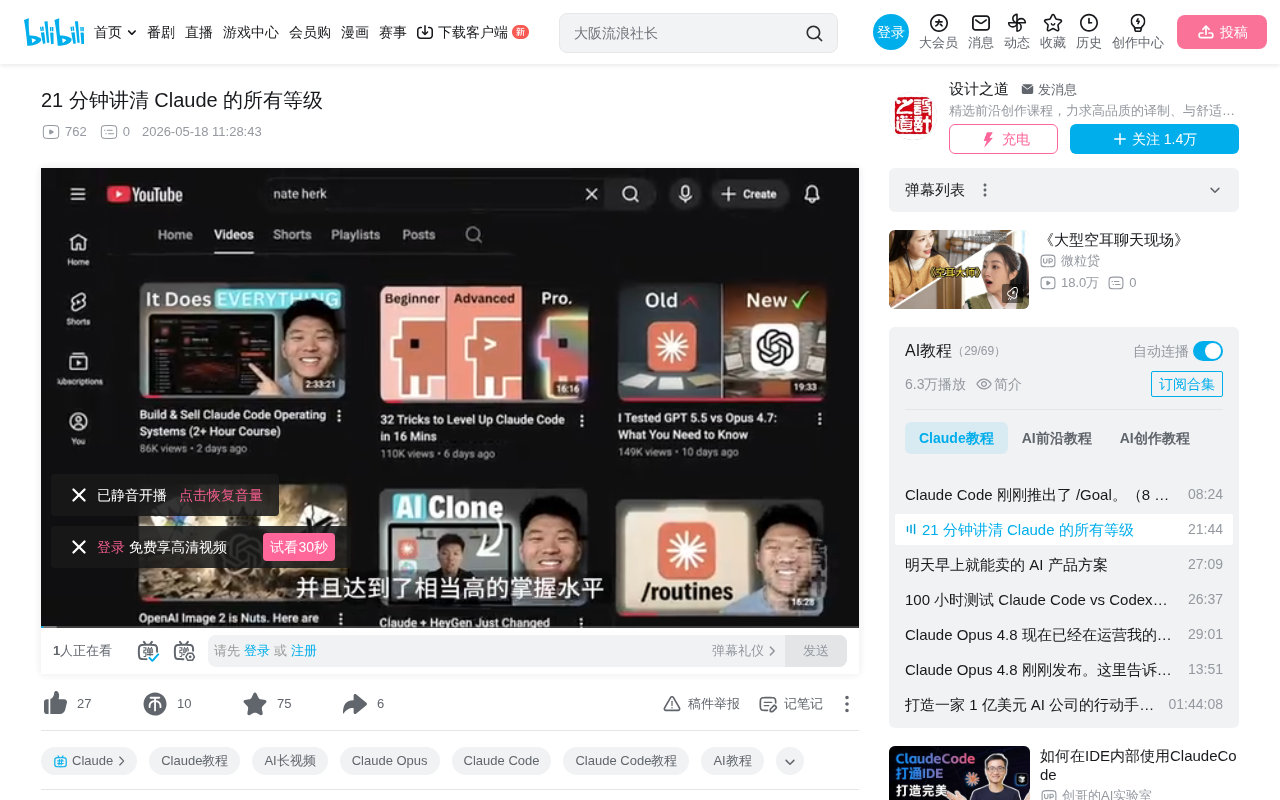
Five Mastery Levels of Claude: From Basic Q&A to Architect-Level Autonomous Systems
Based on 400+ hours of hands-on experience, a systematic breakdown of five progressive Claude mastery levels: from basic Q&A to architect-level autonomous systems with specific methods for each.
Read more →
 Tutorials
·3 min
Connecting Claude Code to TradingView: A Practical Guide to AI-Powered Trading Analysis
Learn how to connect Claude Code to TradingView desktop via an open-source project for AI-powered chart reading, technical analysis reports, and automated PineScript coding with full setup guide.
Read more →
 Tutorials
·2 min
Building AI Agents on Kinoviz for Vector Animation: System Capabilities and AI Collaboration in Practice
Explore building AI Agents on Kinoviz for automated vector animation, analyzing the division between system and AI capabilities, and applications in logo animation and data visualization.
Read more →
 Tutorials
·4 min
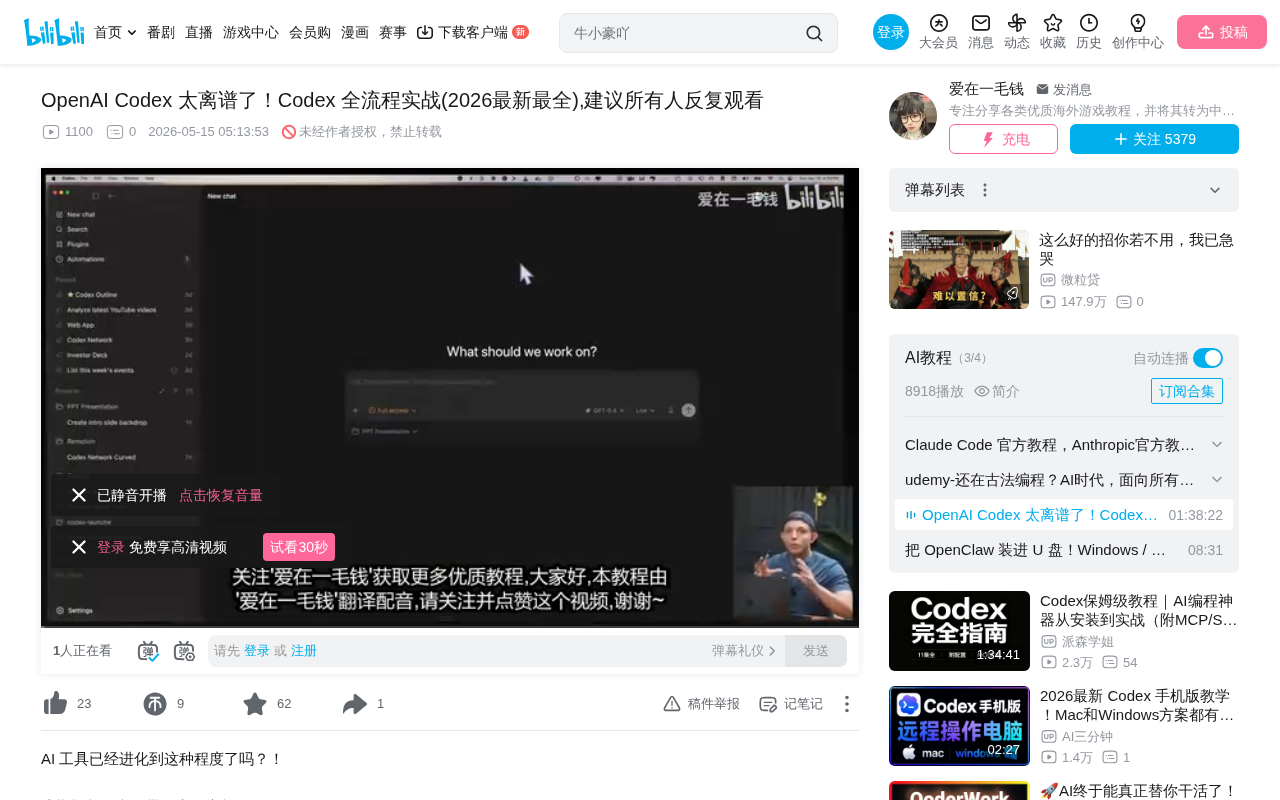
OpenAI Codex in Practice: A Complete Workflow for Advancing 6 Projects Simultaneously
A detailed guide to OpenAI Codex desktop app's multitasking workflow, covering iOS development, web deployment, design integration, video production, investor decks, and social media automation.
Read more →
 Tutorials
·3 min
AI-Assisted APP Reverse Engineering in Practice: IDA MCP Automates Reverse Analysis
Learn how AI combined with IDA MCP automates APP reverse engineering—from locating encrypted parameters to AI-generated Python code, dramatically lowering the barrier to security research.
Read more →
 Tutorials
·3 min
Deep Dive into ByteDance's Codex Chinese Manual: A Complete Guide Across Ten Chapters
Deep analysis of ByteDance's Codex Chinese manual covering environment setup, MCP workflows, Skills encapsulation, and multi-Agent collaboration across ten chapters for developers.
Read more →
 Tutorials
·3 min
DeepSeek Multi-Agent Matrix + UE5.8 Official MCP: A Collaborative Development Workflow in Practice
A complete workflow for collaborative UE5 development using DeepSeek multi-Agent matrix and UE5.8 official MCP, covering pure C++ architecture, agent roles, cache optimization, and automated code review.
Read more →
 Product Reviews
·3 min
Hermes Agent Deep Dive: Installation & Practical Guide to the Self-Learning AI Framework
Deep dive into Hermes Agent's core mechanisms: learning loops, three-layer memory system, and self-evolving Skills. Includes comparison with Claude Code and OpenCode, plus a complete installation guide.
Read more →
 Product Reviews
·3 min
Local Claude Code Hands-On: How Well Does a Terminal Agent Make PPTs?
Hands-on test of local Claude Code with MiniMax 2.7 for creating pitch deck PPTs, exploring its precise file history rollback mechanism vs. Cursor's rollback pain points.
Read more →
 Product Reviews
·3 min
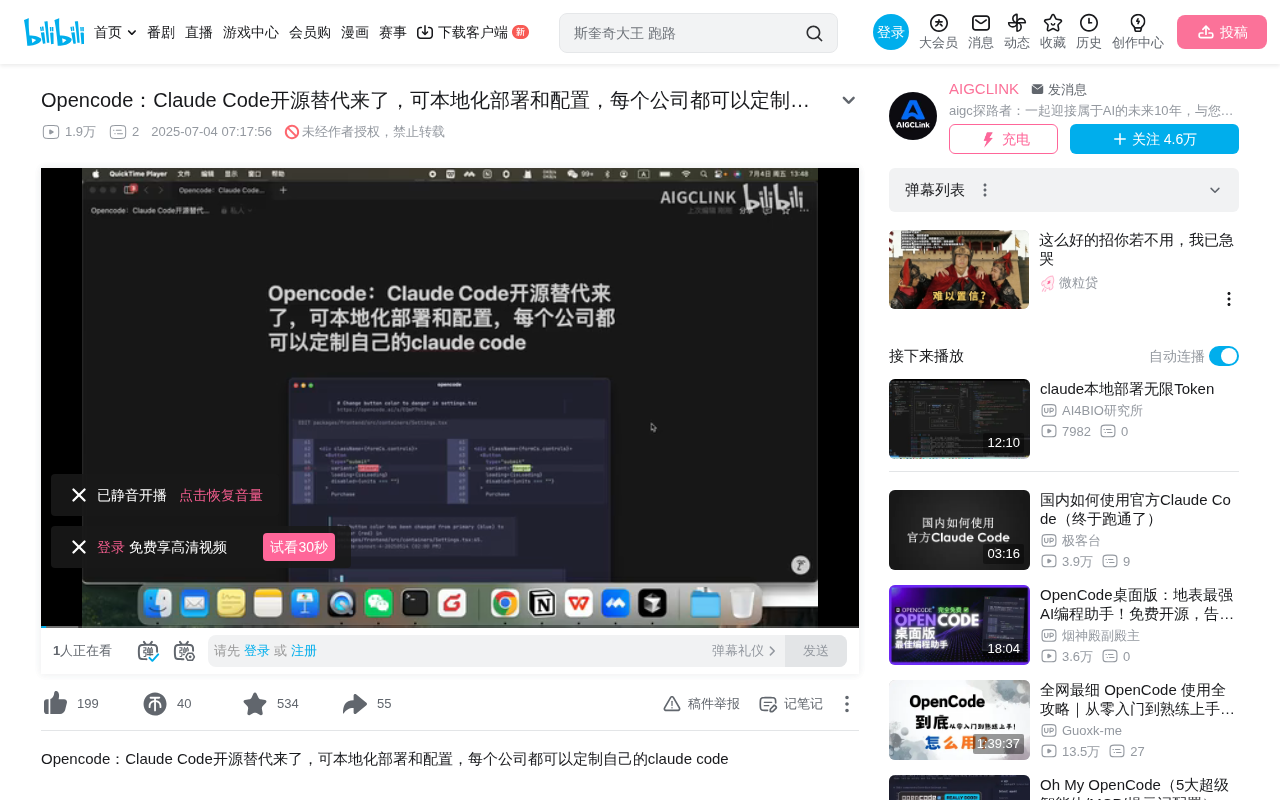
OpenCode: A Detailed Guide to the Open-Source Claude Code Alternative with Local Deployment Support
A deep dive into OpenCode, an open-source AI coding assistant supporting local private deployment, multi-model switching, and client-server architecture as a complete Claude Code alternative.
Read more →
 Tutorials
·2 min
Claude Code Reverse-Engineered & Open-Sourced: Local Deployment Guide and Domestic Model Integration
Developers successfully reverse-engineered Claude Code's full source and open-sourced it, supporting local deployment, third-party model integration, and MCP tool invocation.
Read more →
 Tech Frontiers
·2 min
Google AI Studio Now Directly Connects to Gmail/Drive/Sheets for One-Stop AI App Development
Google AI Studio adds direct connectivity to Gmail, Google Drive, and Google Sheets, enabling developers to build, test, and share AI apps connected to Google Workspace in one place.
Read more →