#Multi-Agent system
135 related articles
·2 min
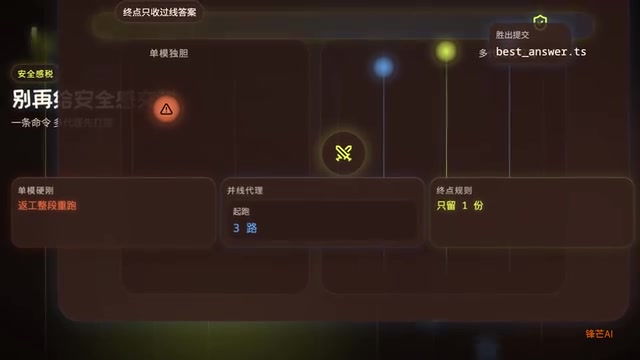
Duel Agents: Multi-AI Agent Competition Mechanism That Automatically Selects the Most Cost-Effective Coding Solution
Duel Agents uses multi-model parallel competition and recursive task decomposition as a routing layer before tools like Claude Code, automatically selecting the most cost-effective AI coding result with claimed 70% savings.
Read more →

·3 min
Hermes Agent Hands-On Review: An AI Efficiency Revolution for Indie Game Developers
Indie game developer reviews Hermes Agent vs OpenClaude: intelligent context compression, real-time Memory, remote control via Telegram, and practical use cases in game dev, social media, and email.
Read more →
·3 min
Vibe Coding in Practice: A Junior Student Uses Cursor to Build a Multi-Agent System with 51 AI Officials Based on the Three Departments and Six Ministries Framework
A junior student uses Cursor and Vibe Coding to build a multi-agent system with 51 AI officials modeled on China's Three Departments and Six Ministries, featuring task distribution, approval workflows, and Token cost visualization.
Read more →
·4 min
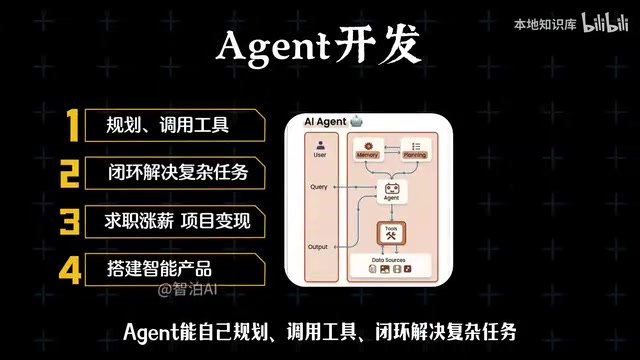
Agent Development Learning Roadmap: A Four-Stage Systematic Guide from Beginner to Practitioner
A systematic four-stage learning roadmap for AI Agent development, covering core concepts, classic paradigms like ReAct, multi-agent collaboration frameworks, and hands-on projects to master Agent development skills in 2-3 months.
Read more →
·4 min
Claude Code Practical Guide: Deep Dive into 7 Core Modules with Learning Path
Deep dive into Claude Code's 7 core modules: project integration, agent construction, multi-agent collaboration, plugin systems, and workflow automation, with learning tips and certification trends.
Read more →
·2 min
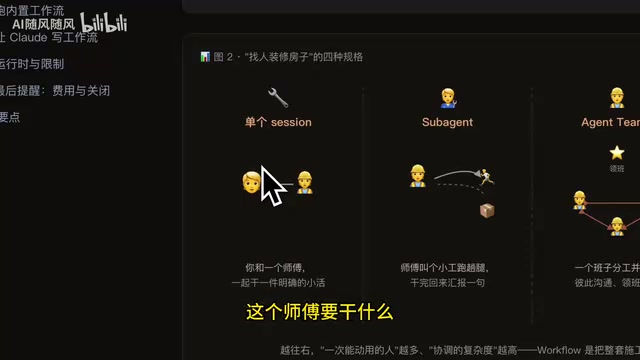
Claude Code Dynamic Workflows Explained: A Hands-On Guide to Sub-Agent Orchestration and Reuse
Learn how Claude Code Dynamic Workflows orchestrate sub-agents for parallel tasks. Compare four collaboration modes, enable workflows, and save them for reuse.
Read more →
·3 min
Claude Code Ultra Code in Practice: One Person Orchestrating 100+ Agents in Parallel Development
Learn how to use Claude Code's Ultra Code and Dynamic Workflow to orchestrate 100+ Agents in parallel, with Deep Research demos, token-saving tips, and workflow reuse methods.
Read more →

·2 min
Codex and Claude Code Multi-Agent Collaboration: A Practical Guide to Team-Based Workflows
Learn how to make Codex and Claude Code collaborate like a team. Use a cloud Agent orchestrator, shared project spaces, and clear task division to build a multi-AI Agent team workflow.
Read more →
·3 min
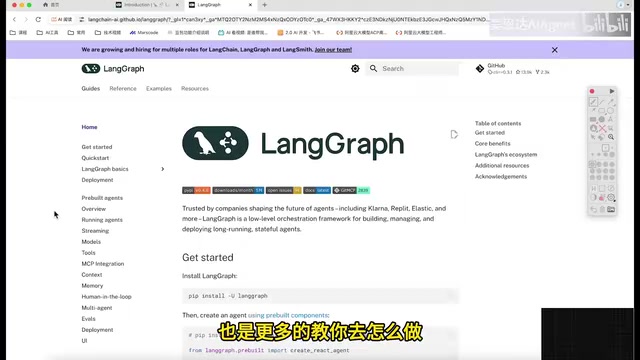
LangGraph Core Explained: Its Relationship with LangChain and Multi-Agent Orchestration Principles
Deep dive into LangGraph's core positioning, its relationship with LangChain, practical code comparisons of Chain vs Graph, understanding Agent essentials, and multi-agent orchestration design.
Read more →
·4 min
AI Agent Development Learning Roadmap: A Complete Four-Stage Plan from Zero to Production
A systematic AI Agent development learning roadmap covering LLM API calls, ReAct framework, memory mechanisms, and multi-agent collaboration across four stages with timeline and project suggestions.
Read more →
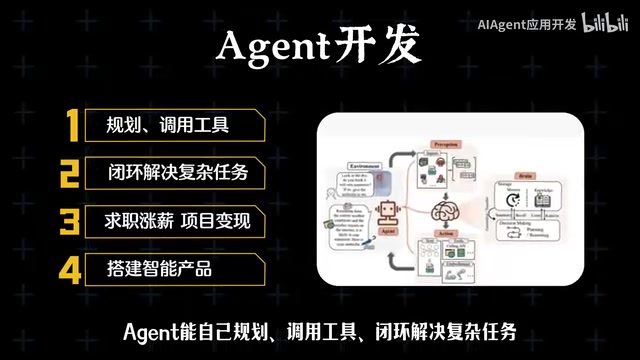
·3 min
AI Agent Development Learning Roadmap: A Complete Four-Stage Guide from Beginner to Practitioner
A systematic AI Agent development learning roadmap covering core concepts, ReAct/CoT paradigms, multi-agent collaboration, and hands-on projects across four stages.
Read more →

·4 min
Self-Study Guide to AI Agent Development: A Complete Path from Zero to Production
A practical self-study roadmap for AI Agent development: covering core skills, common pitfalls, phased learning plans, and interview prep to help developers go from concept collectors to builders.
Read more →
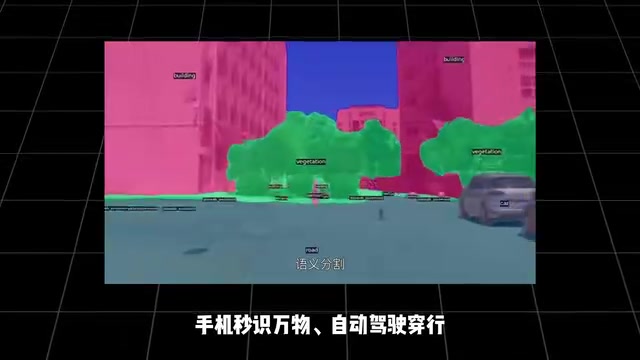
·3 min
LangChain from Beginner to Agent Development: A Complete Learning Path for LLM Application Development
A systematic guide to LangChain LLM application development, covering environment setup, core components (RAG, Chain, Memory), and Agent development to help developers master LLM app building.
Read more →
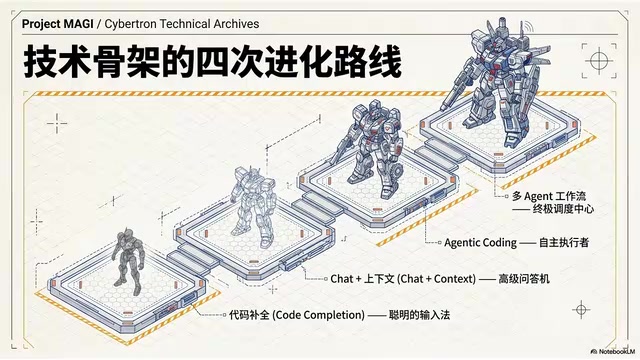
·3 min
The Four Stages of AI Coding Tool Evolution: From Code Completion to Multi-Agent Collaboration
A deep dive into the four stages of AI coding tool evolution: from code completion and chat Q&A to Agentic Coding and multi-Agent collaboration, explaining the design logic behind Claude Code, Cursor, and Codex.
Read more →

·4 min
AI Super Week: Hundred-Billion-Dollar Capital, the Agent Revolution, Safety Crises, and China's New Landscape
Deep analysis of AI Super Week's four themes: Alphabet's $80B raise and Anthropic's IPO ignite capital markets, OpenAI Codex drives the Agent work revolution, Florida's first AI lawsuit sounds safety alarms, and China's WeChat Agent charts a differentiated path.
Read more →

·2 min
Google Antigravity CLI Launch: Unified AI Development Platform and Gemini CLI Migration Guide
Google launches unified AI platform Antigravity, migrating Gemini CLI users to the new Antigravity CLI rebuilt in Go with multi-agent orchestration and async workflows.
Read more →

·2 min
Cosmos Unified Agents Platform: A New Paradigm for AI Agent Collaboration Through Shared Context and Memory
Deep dive into how the Cosmos Unified Agents Platform solves multi-AI Agent collaboration challenges through shared context and memory mechanisms, and its positioning in enterprise multi-Agent orchestration.
Read more →
Deep Dive into Cosmos: A Unified AI Ag…
·3 min
Deep Dive into Cosmos: A Unified AI Agent Platform That Orchestrates Agent Fleets to Boost Development Efficiency
Deep dive into Cosmos, a unified AI agent orchestration platform that integrates scattered AI agents into a coordinated system spanning the full dev lifecycle, achieving 3x throughput gains.
Read more →
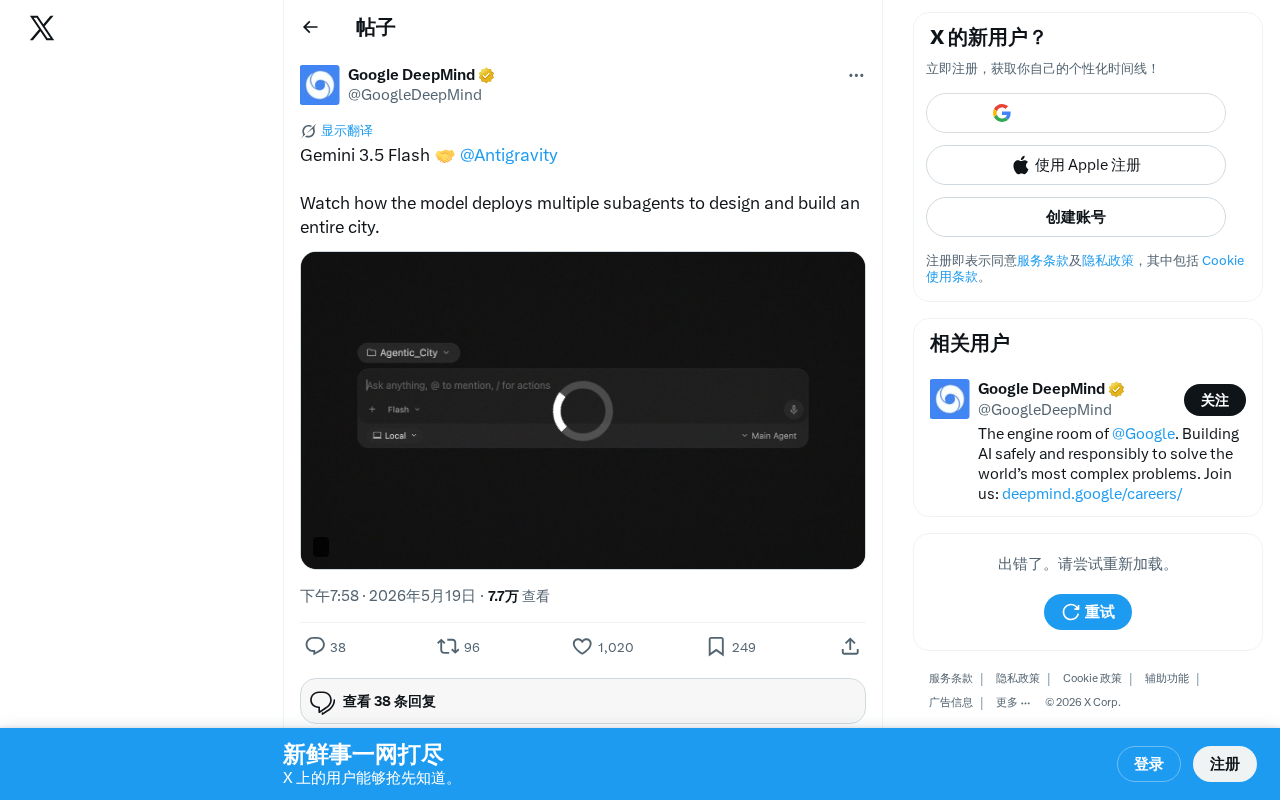
·2 min
Gemini 3.5 Flash Teams Up with Antigravity: Multi-Agent Collaboration to Build an Entire City
Deep dive into how Gemini 3.5 Flash and Antigravity platform use multi-subagent architecture to design and build a complete virtual city from scratch.
Read more →
·2 min
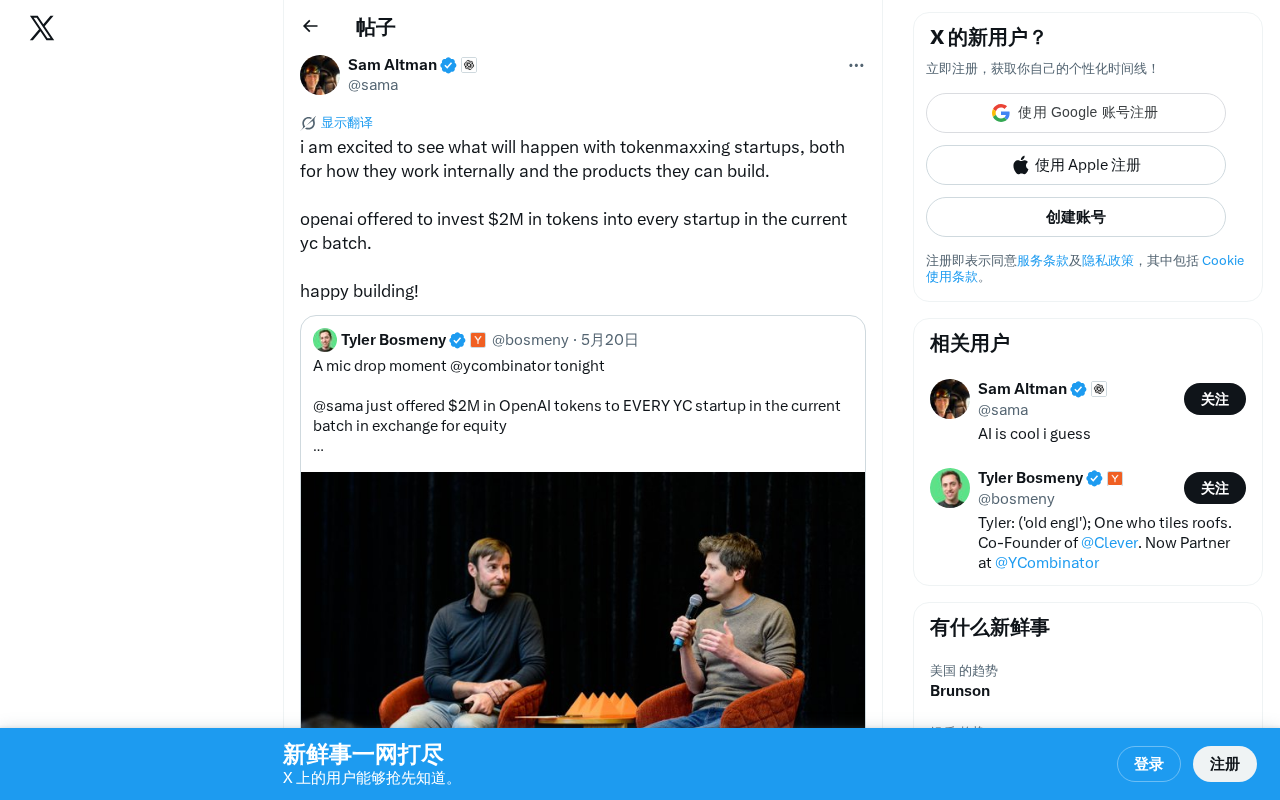
Tokenmaxxing: OpenAI Invests $2M in Tokens to YC Startups — A New AI Startup Paradigm Emerges
What is Tokenmaxxing? OpenAI provides $2M in Token credits to each YC startup, marking a fundamental shift in AI startup investment. Analysis of Token-as-capital, how Tokenmaxxing startups operate, and potential risks.
Read more →