#Multi-Agent system
135 related articles
·4 min
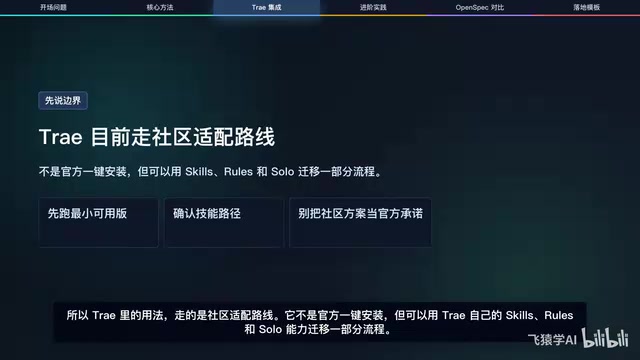
Superpowers: Installing Work Standards for Your AI Coding Assistant
How the Superpowers methodology constrains AI coding assistants through requirement clarification, task decomposition, TDD, and verification loops — with setup tips for Trae.
Read more →
·3 min
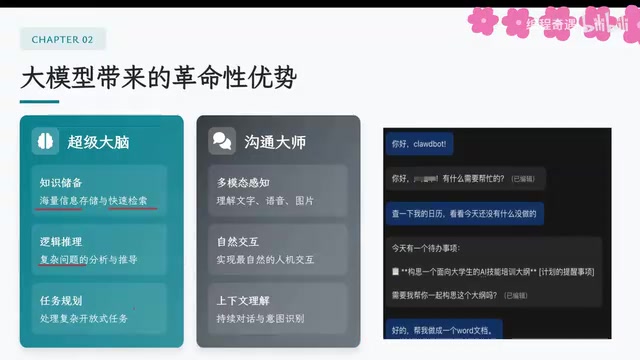
AI Agent Core Architecture Breakdown: From Concept to Enterprise-Grade Intelligent Agent Development
Deep dive into AI Agent architecture: perception, brain, and action modules. Covers RAG memory systems, tool calling mechanisms, Chain of Thought reasoning, and enterprise agent development roadmap.
Read more →
·3 min
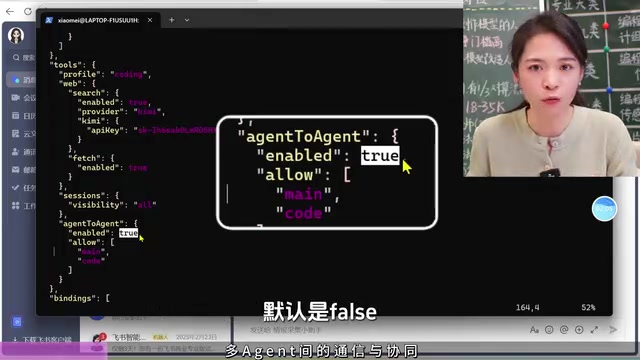
Multi-Agent Communication & Collaboration in Feishu: A Complete Guide to Configuration and Group Chat Orchestration
Learn how to configure Open Cloud for multi-Agent communication, including session_visibility, agent_to_agent toggle, and whitelist setup, plus Feishu group chat orchestration for AI team collaboration.
Read more →

·2 min
AI Agent Development Learning Path: A Practical Guide from Zero to Commercial Deployment
A complete AI Agent development learning path covering theory, frameworks, tool integration, and commercial deployment with real enterprise use cases.
Read more →
·3 min
Getting Started with AI Agent Development: A Detailed Three-Stage Learning Roadmap
A complete roadmap for learning AI Agent development from scratch, covering Python & LLM basics, five core skills, and hands-on RAG projects in 1-2 months.
Read more →

·3 min
Building AI Agents from Scratch: A Complete Beginner's Guide
Build AI Agents with zero coding experience! Learn prompt engineering, RAG knowledge bases, and workflow orchestration using no-code platforms like Coze and Dify, plus real monetization paths.
Read more →
·3 min
Getting Started with AI Agents: A Complete Learning Path from Zero to Production
A comprehensive guide to AI Agent architecture covering ReAct paradigm, multi-agent collaboration, RAG integration, and the planning-memory-tools framework, with a complete learning path from concepts to production deployment.
Read more →
·3 min
Xiaomi Open-Sources MiMo Code: Can an Infinite Memory Mechanism Solve AI Coding's Biggest Pain Point?
Xiaomi open-sources MiMo Code, an AI coding tool with infinite memory, multi-Agent collaboration, and Claude Code compatibility — solving context forgetting in large projects.
Read more →
·4 min
A Beginner's Guide to Deep Agents: The Complete Evolution from Basic Agents to Deep Agents
A systematic guide covering the evolution from traditional AI agents to Deep Agents, including core architectures, four development stages, technical features, and practical developer guidance.
Read more →
·3 min
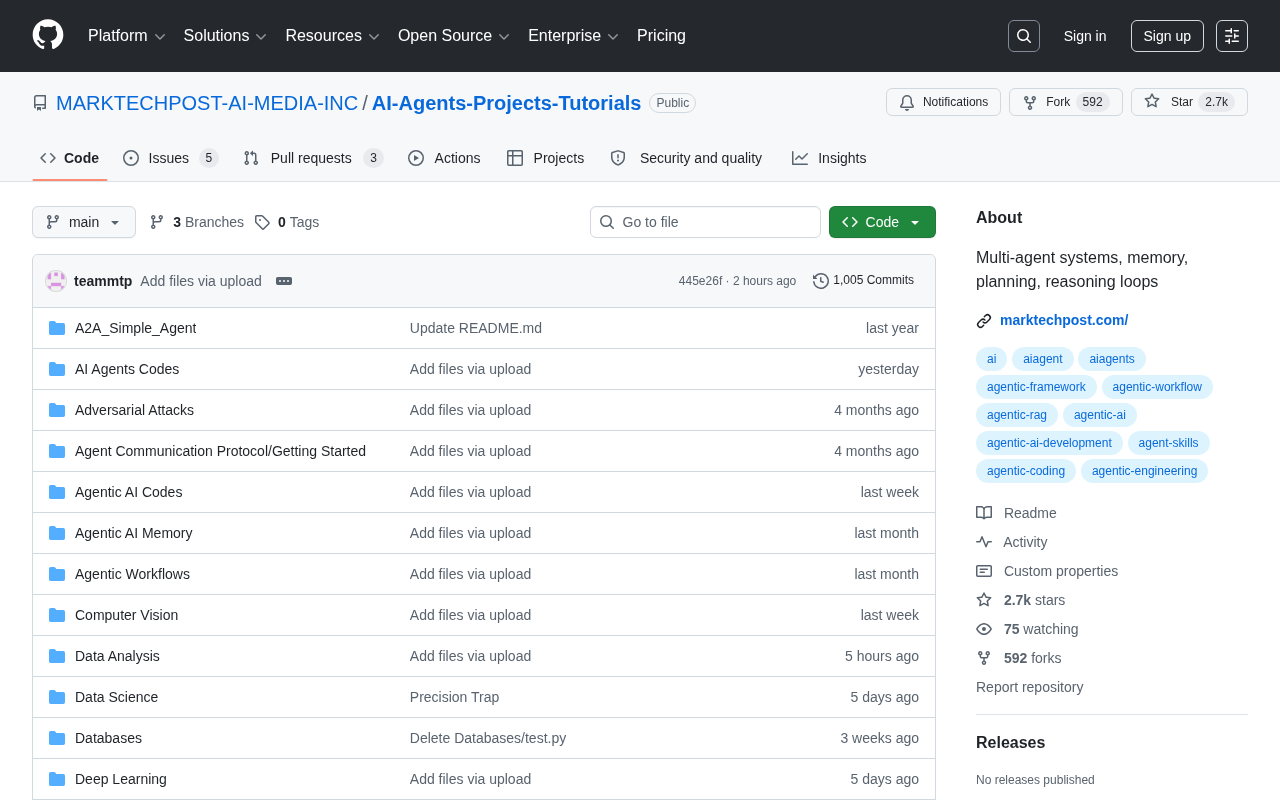
AI Agent Tutorial Collection: Complete Coverage of Multi-Agent, Memory, and Reasoning
Open-source AI Agent tutorial project with 2600+ GitHub Stars covering multi-agent systems, memory, planning, and reasoning loops via Jupyter Notebooks for hands-on learning.
Read more →
·3 min
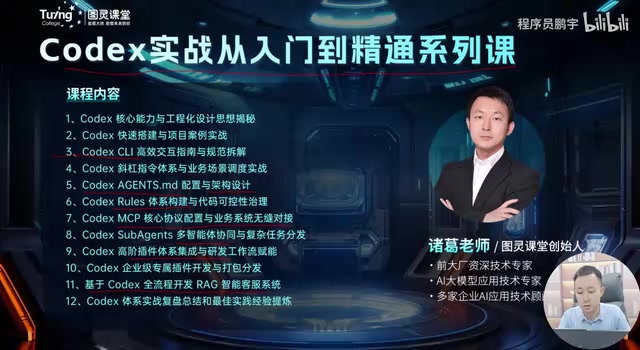
Codex and Claude Code Practical Guide: From Installation to Enterprise Project Deployment
In-depth analysis of OpenAI Codex covering installation, agents.md architecture, MCP protocol integration, multi-agent collaboration, and RAG customer service system development for enterprise use.
Read more →
·3 min
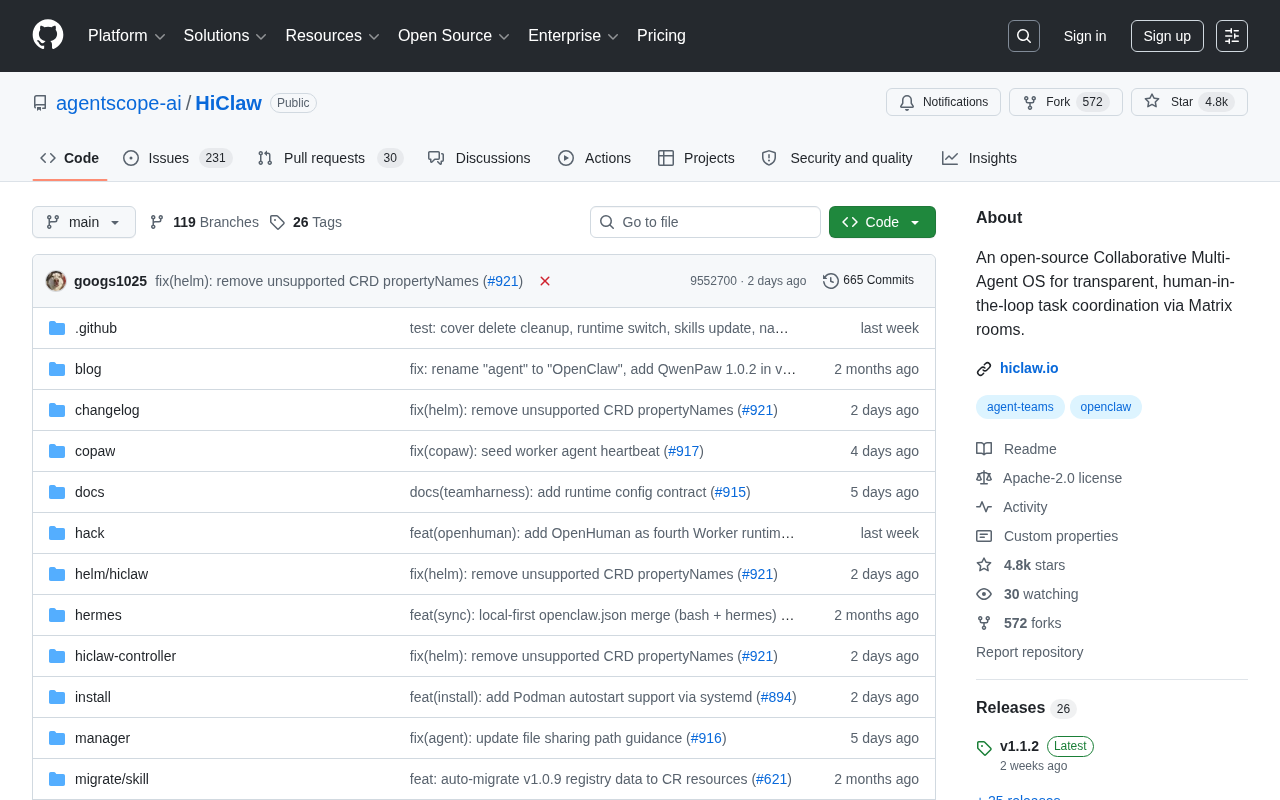
HiClaw Open-Source Multi-Agent Collaboration System: A New Paradigm for Human-AI Collaboration Based on the Matrix Protocol
Deep dive into HiClaw, an open-source multi-Agent OS built on the Matrix protocol for transparent, controllable human-AI task coordination with Human-in-the-Loop design.
Read more →
·1 min
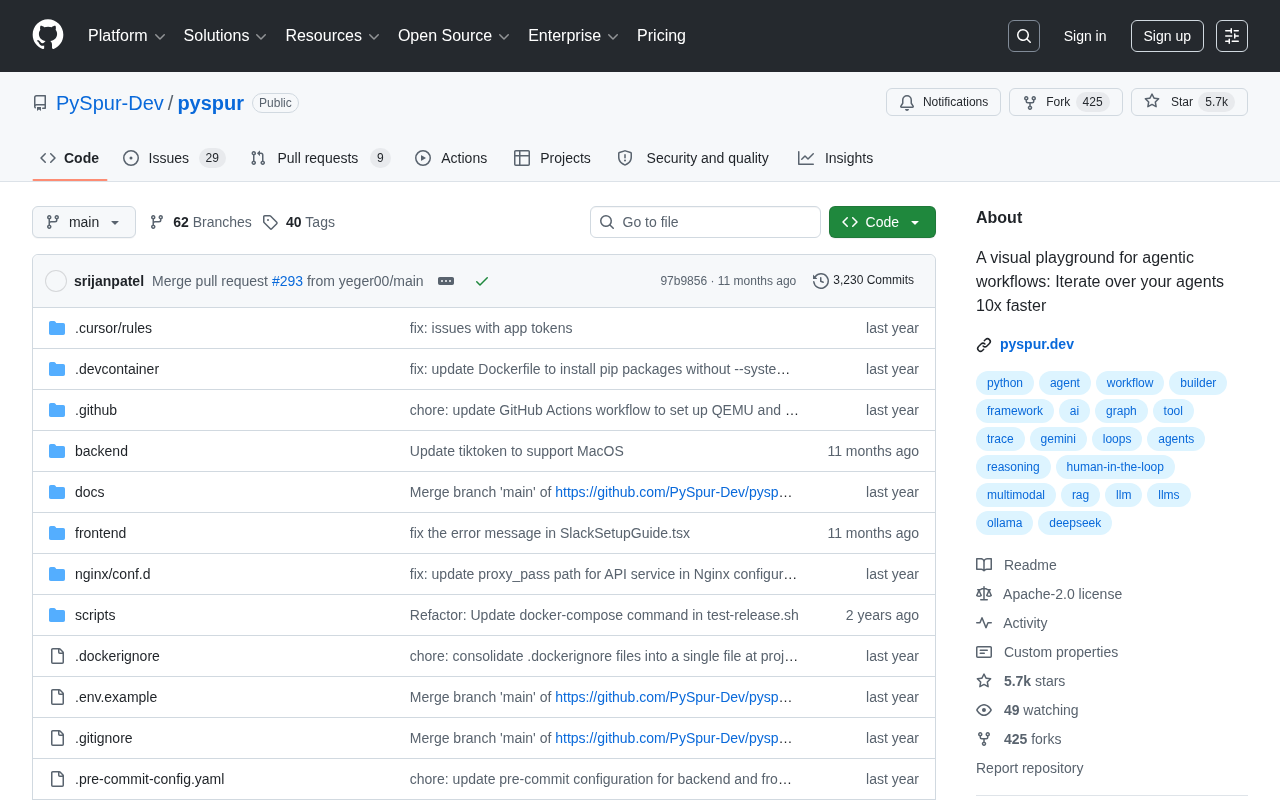
PySpur: A Deep Dive into the Open-Source Visual AI Agent Workflow Development Platform
An in-depth look at PySpur, the open-source visual AI Agent workflow platform, covering its core features, technical positioning, use cases, and comparisons with LangFlow and Dify.
Read more →
·3 min
CrewAI Multi-Agent Collaboration in Practice: A Complete Guide from Setup to API Service
A detailed guide to CrewAI multi-Agent collaboration covering core concepts, FastAPI service setup, and real-world comparisons of GPT-4o Mini, Qwen Max, and Llama 3.1.
Read more →
·2 min
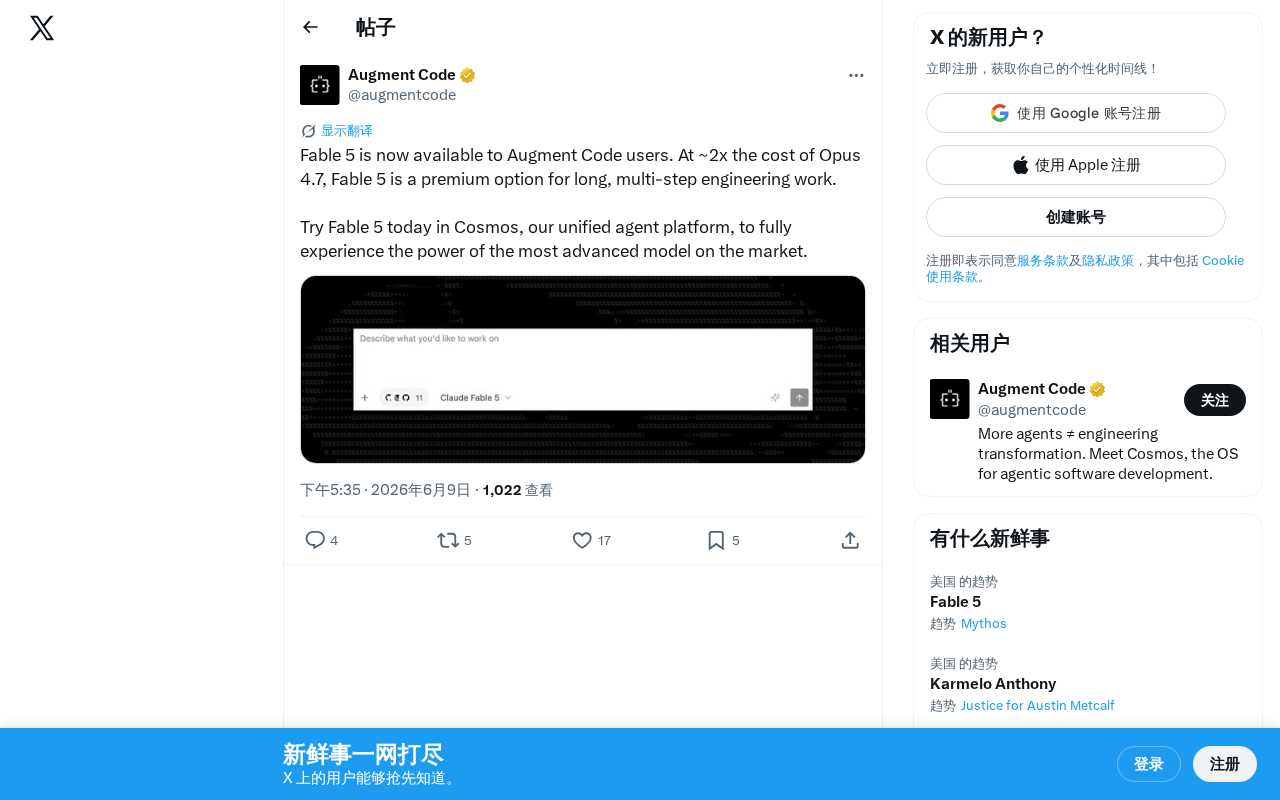
Fable 5 Lands on Augment Code: A Premium Coding Model Priced at 2x Claude Opus 4.7
Fable 5 launches on Augment Code's Cosmos platform, priced at ~2x Claude Opus 4.7, targeting long-chain multi-step engineering tasks. Analysis of its positioning, pricing, and market impact.
Read more →
·2 min
Integrating AI Agents into Project Management Tools: A Practical Upgrade from Chat Assistant to Task Execution
A developer upgraded their project management tool's AI from a simple chatbot to an intelligent Agent capable of data queries, document generation, and automated task execution using Function Calling.
Read more →
·3 min
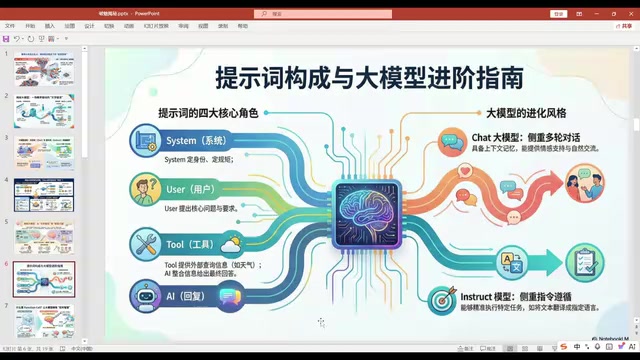
From Tokens to Agents: A Deep Dive into the Core Logic Behind AI's Key Concepts
A systematic breakdown of core AI concepts — Token, RAG, Agent, MCP, Function Call — tracing the evolution from probabilistic text prediction to autonomous agents.
Read more →
·3 min
GitHub Universe 2026 Returns: Officially Entering the AI Agent Era
GitHub Universe returns Oct 28-29, 2026 at Fort Mason Center, San Francisco, themed around the Agentic Era. From Copilot to AI Agents, GitHub leads software development into autonomous intelligence.
Read more →
·1 min
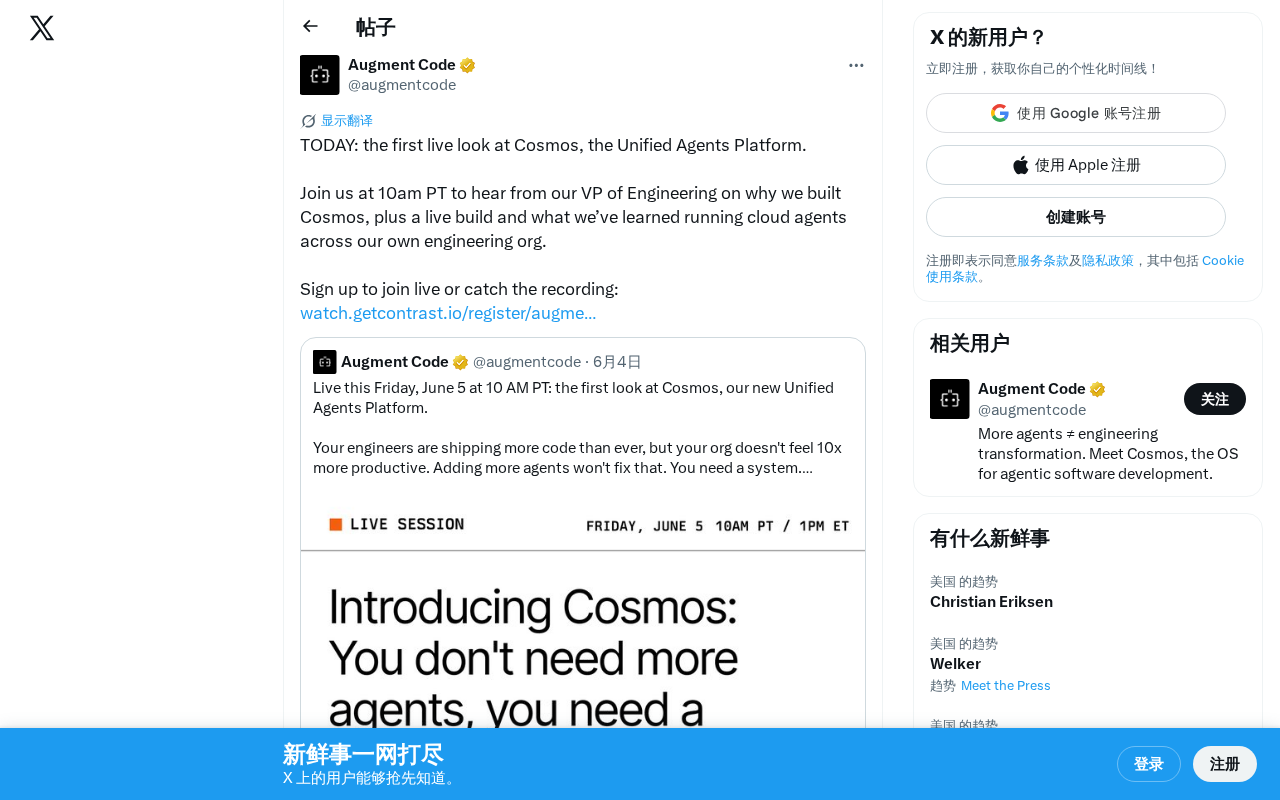
Cosmos Unified Agents Platform First Live Demo: A Platform-Level Solution for Multi-Agent Collaboration
Cosmos Unified Agents Platform gives its first live demo, detailing its design philosophy and cloud agent operations. Learn how it solves AI Agent fragmentation with unified multi-agent building, deployment, and management.
Read more →
·4 min
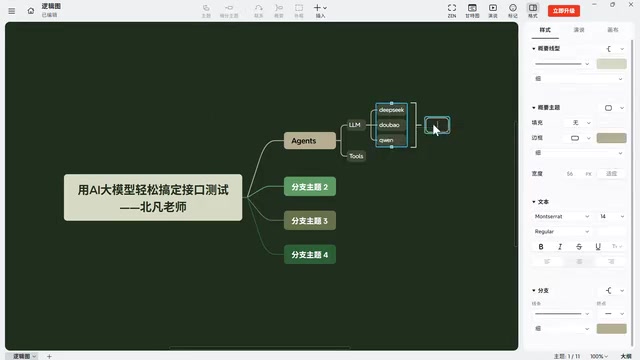
Agent Beginner's Guide: Architecture Principles and Practical Efficiency Tips
A deep dive into AI Agent principles, core architecture, and practical applications. Learn how Agents differ from LLMs and how to leverage Agent Skills to boost productivity.
Read more →