#Orchestrator
48 related articles
 Tutorials
·3 min
GenSpark's Six AI Agents in Action: A Complete Guide for Building a One-Person Company
A practical guide to GenSpark's six AI Agents: AI Developer for websites, AI Designer for visuals, AI Sheets for data, AI Slides for presentations, Workflow automation, and Claw mobile manager.
Read more →
 Product Reviews
·3 min
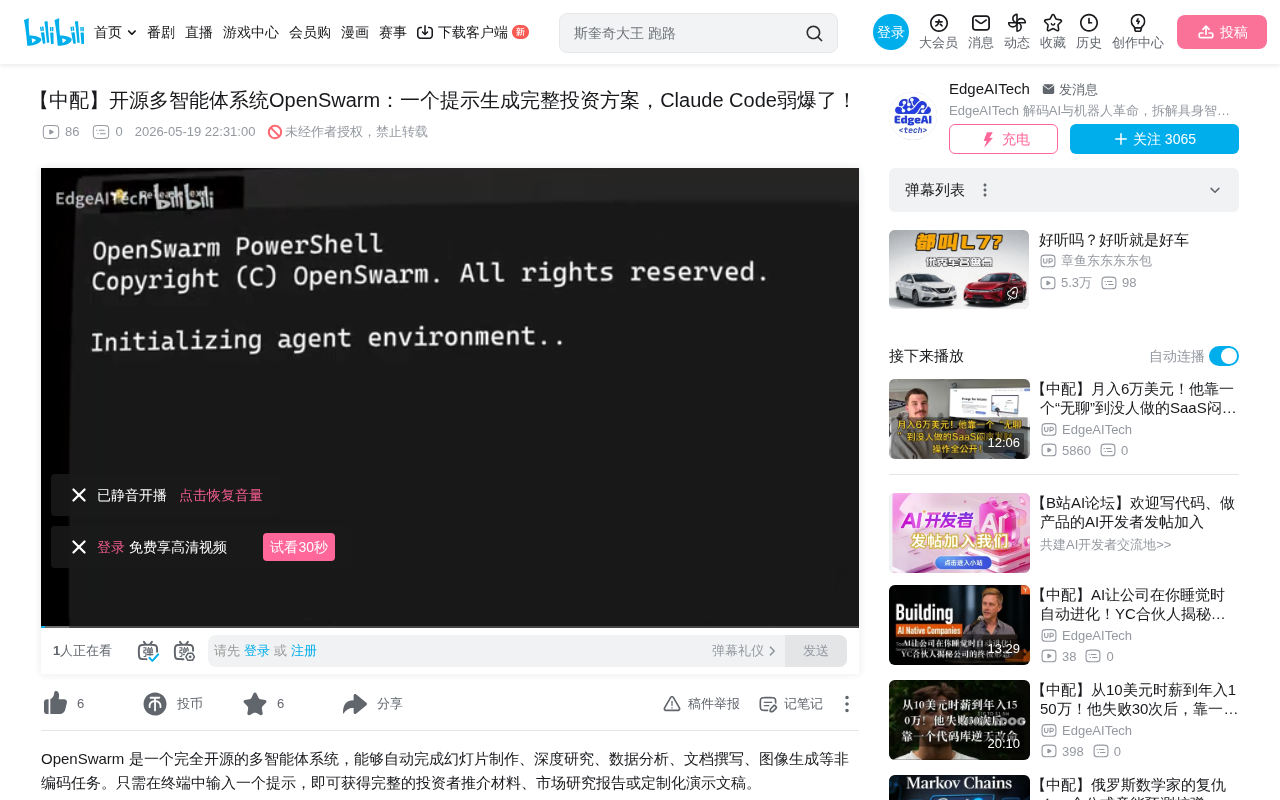
OpenSwarm Hands-On: Open-Source Multi-Agent System Generates Complete Investment Package from a Single Prompt
Deep dive into OpenSwarm, an open-source multi-agent system where 8 specialized agents collaborate to generate complete deliverables—research, charts, slides—from a single prompt.
Read more →
 Product Reviews
·4 min
BeMAD Open-Source Framework Hands-On: A 6-Hour Zero-to-Launch AI Full-Stack Development Experience
Deep dive into BeMAD, a GitHub open-source framework with 50+ guided workflows and 21 AI Agents that compressed WeChat Mini Program development from idea to launch into just 6 hours.
Read more →
Tutorials
Engineering Practices That Boosted Cla…
·4 min
Engineering Practices That Boosted Claude Code Skill Activation Rate from 25% to 90%
How Hooks+Skills+Commands+Agents work together in Claude Code to boost AI skill activation from 25% to 90%, with core config files and deployment guide.
Read more →
 Tech Frontiers
·3 min
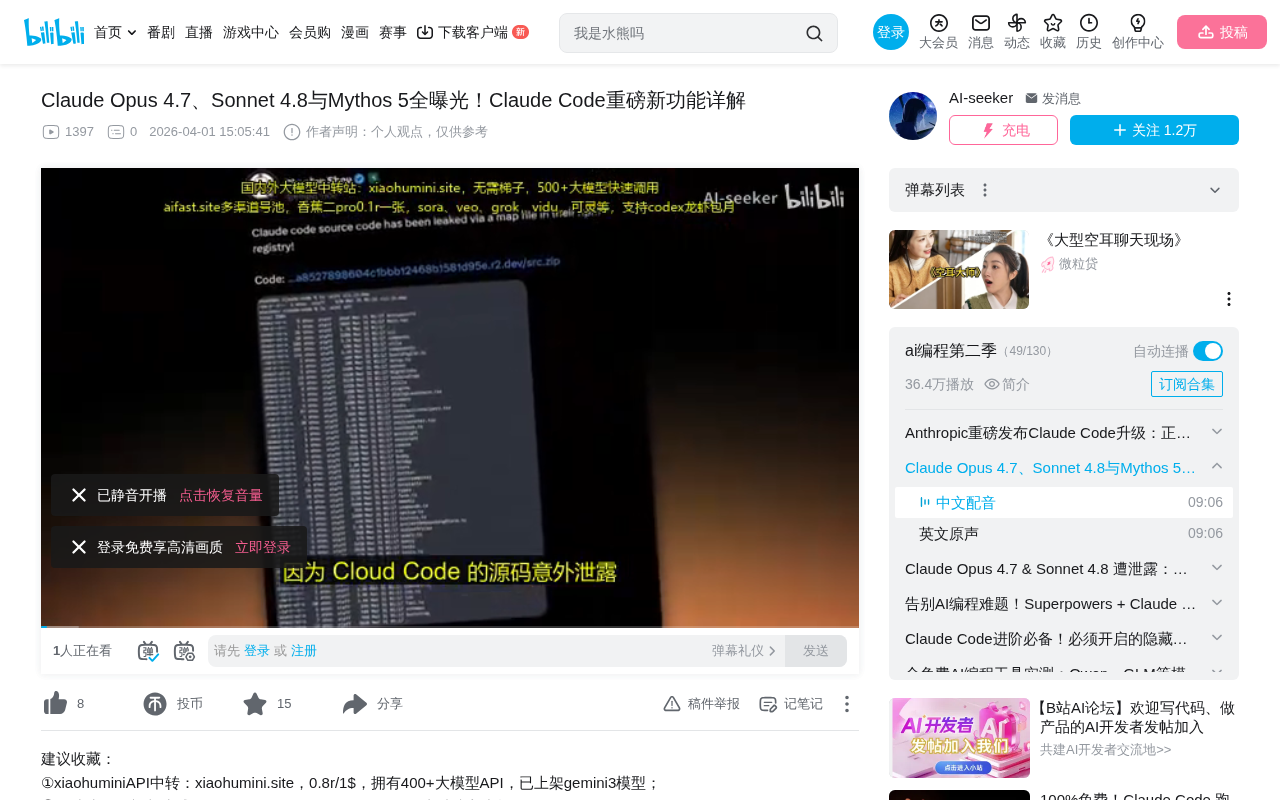
Claude Code Source Code Leak: Full Roadmap for Opus 4.7 and Mythos 5 Exposed
Anthropic suffers a major code leak exposing 500K+ lines of Claude Code source, unreleased Opus 4.7, Sonnet 4.8, Mythos 5 models, 44 hidden feature flags, and the full product roadmap.
Read more →
Deep Dives
Deep Dive into Cursor Skills: From Fun…
·4 min
Deep Dive into Cursor Skills: From Function Call to Practice
Deep dive into Cursor Skills' underlying principles, from Function Call and MCP protocol to Workflow Agent, with Spring AI Alibaba practical demo for any LLM.
Read more →
Tutorials
35 Lines of Prompts Let Codex Auto-Opt…
·3 min
35 Lines of Prompts Let Codex Auto-Optimize Your Workflow — Reposted by OpenAI's President
An OpenAI employee used just 35 lines of prompts to have Codex analyze 30 days of work history, identify repetitive tasks, and generate reusable automated Skills. Combined with screen reading and long-term memory, Codex is becoming a proactive workflow optimization agent.
Read more →
Product Reviews
Cursor 3.0 Deep Dive: The AI Agent Com…
·3 min
Cursor 3.0 Deep Dive: The AI Agent Command Center Rewritten in Rust
Cursor 3.0 abandons VS Code entirely, rewritten from scratch in Rust as an AI agent management platform. Deep dive into its three evolutions, Composer 2 controversy, parallel agent orchestration, and the paradigm shift from assisted to autonomous coding.
Read more →
Tutorials
Orchestrating AI Agents as State Machi…
·2 min
Orchestrating AI Agents as State Machines: Stop Being a Human Confirmation Button
Explore the next evolution of AI coding: applying CI/CD engineering practices to orchestrate Agents as state machines with YAML templates, Gates, and Dashboards for autonomous multi-Agent progression.
Read more →
Tutorials
Claude Code Source Code Study Guide: E…
·3 min
Claude Code Source Code Study Guide: Efficiently Mastering Core AI Agent Development Architecture
Learn AI Agent development from Claude Code's 510K lines of source code, covering Agent Loop, context compression, multi-Agent orchestration, and two efficient study methods.
Read more →
Tutorials
Zen MCP: An Open-Source Tool That Lets…
·2 min
Zen MCP: An Open-Source Tool That Lets Claude Orchestrate Multiple AI Models in Collaboration
Deep dive into Zen MCP, an open-source project that lets Claude Code orchestrate Gemini, O3, and other AI models via MCP protocol, with cost-reduction proxy setup guide.
Read more →
 Tech Frontiers
·2 min
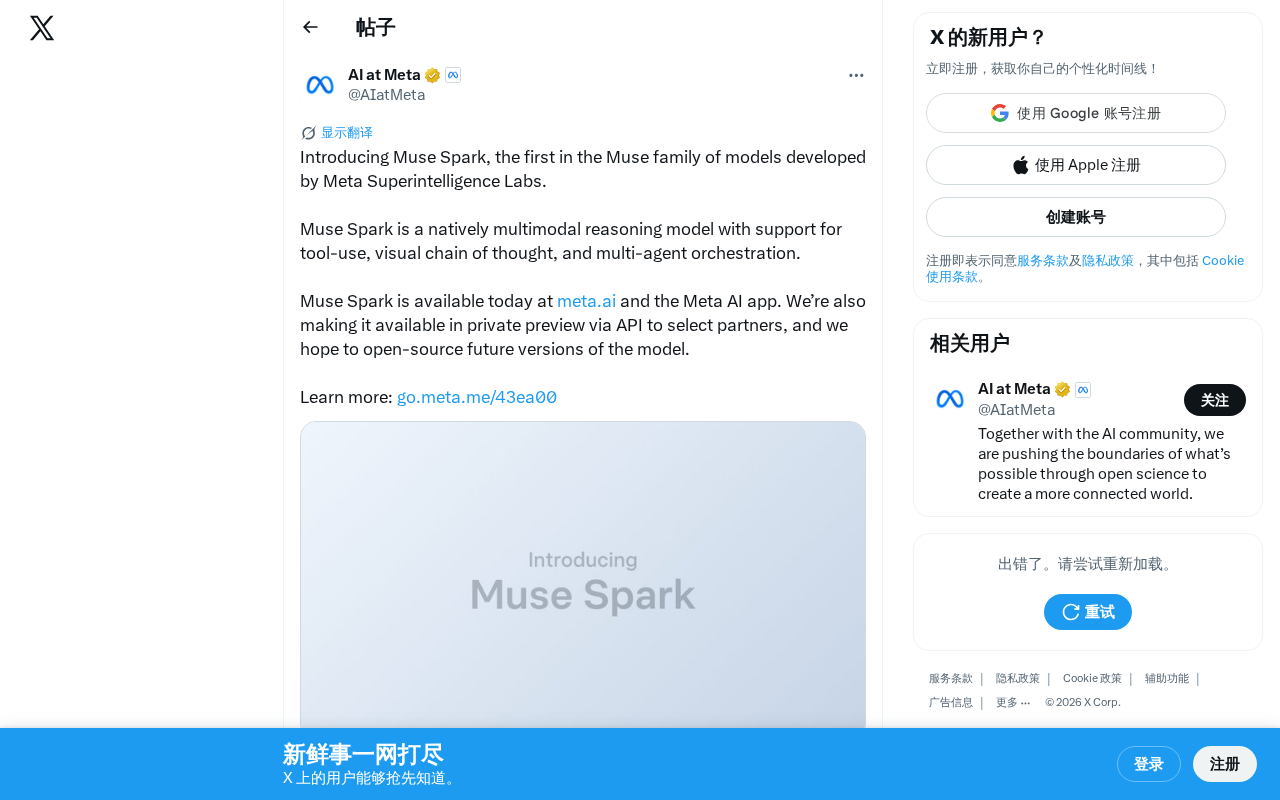
Meta Muse Spark Released: A Comprehensive Analysis of the Native Multimodal Reasoning Model
Meta Superintelligence Labs releases Muse Spark, a native multimodal reasoning model supporting visual chain of thought, tool-use, and multi-agent orchestration. Deep dive into its capabilities and competitive positioning.
Read more →
Tech Frontiers
Claude Opus 4.8 Deep Dive: Honesty Mat…
·2 min
Claude Opus 4.8 Deep Dive: Honesty Matters More Than Benchmarks
Claude Opus 4.8 core upgrade: code bug oversight rate reduced 4x, model becomes more honest. Covers Dynamic Workflows parallel orchestration, Claude Code quota reset, effort control, and upcoming Miscells model.
Read more →
Tutorials
Complete Tutorial: Using GPT to Automa…
·2 min
Complete Tutorial: Using GPT to Automatically Configure Claude Opus 4
Learn how to use GPT's high-intensity thinking mode to automatically configure Claude Opus 4.6/4.7 Max thinking mode in OpenCode, including proxy channel setup, API Key creation, and environment configuration.
Read more →
Tutorials
Cursor 2.0 in Practice: Vibe Coding Me…
·3 min
Cursor 2.0 in Practice: Vibe Coding Methodology & Guide to 10x Coding Efficiency
Deep dive into Cursor 2.0's Vibe Coding methodology with two real-world scenarios: full-stack site building and enterprise bug fixing using the Rules, Commands, Context architecture for 10x dev efficiency.
Read more →
Tutorials
Five Core Capabilities of GitHub Copil…
·2 min
Five Core Capabilities of GitHub Copilot's MCP Integration in JetBrains
Deep dive into GitHub Copilot's MCP integration in JetBrains IDEs: Agent Mode, Sampling model scheduling, MCP Prompts, Resources context injection, and Elicitation structured dialogue guidance.
Read more →
 Tutorials
·2 min
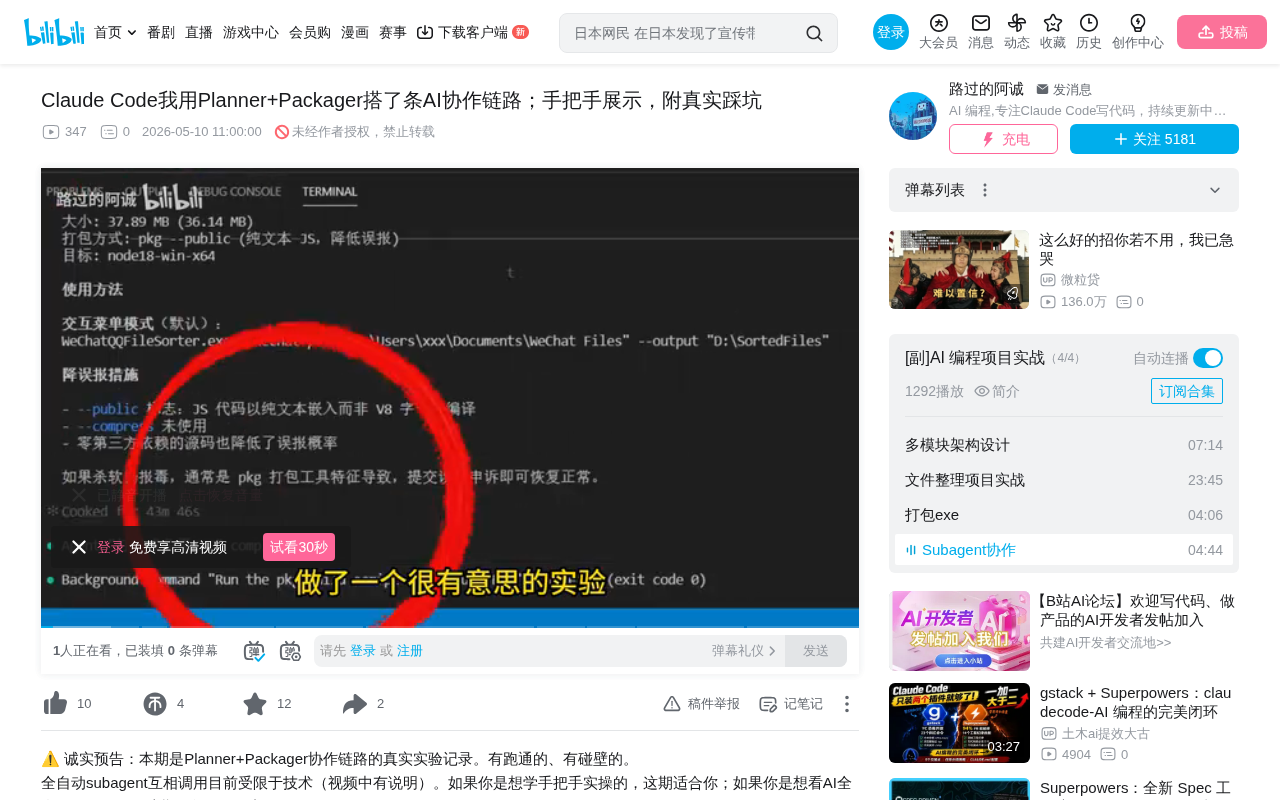
Claude Code Multi-Agent Collaboration in Practice: Subagent Division of Labor and a Lite TARS Concept
Explore Claude Code multi-Agent collaboration with Planner+Packager Subagents for semi-automated project iteration, plus a lite TARS orchestration concept revealing Agent inter-calling limits.
Read more →
 Product Reviews
·3 min
Cursor 3.0 Deep Dive: Rust Rewrite, In-House Model & Agent Orchestration Platform Fully Explained
Deep analysis of Cursor 3.0's three core upgrades: Rust rewrite leaving VS Code behind, in-house Composer 2 model with 86% cost reduction, and Agent Windows for multi-agent parallel development.
Read more →
 Deep Dives
·3 min
Single-Agent vs Multi-Agent: A Three-Step Decision Framework for Choosing the Right Architecture
Based on Anthropic's engineering practices, a detailed three-step decision framework for single-agent vs multi-agent architecture: bottleneck identification, technical feasibility, and business value filtering.
Read more →
 Deep Dives
·3 min
From Copilot to Agentic AI: Understanding AI's Evolution Through Four Stages
A systematic breakdown of AI's four-stage evolution from Chat Mode to Agentic AI, covering multi-agent architectures, ReAct framework, and MCP protocol.
Read more →