#ReAct
358 related articles
·1 min
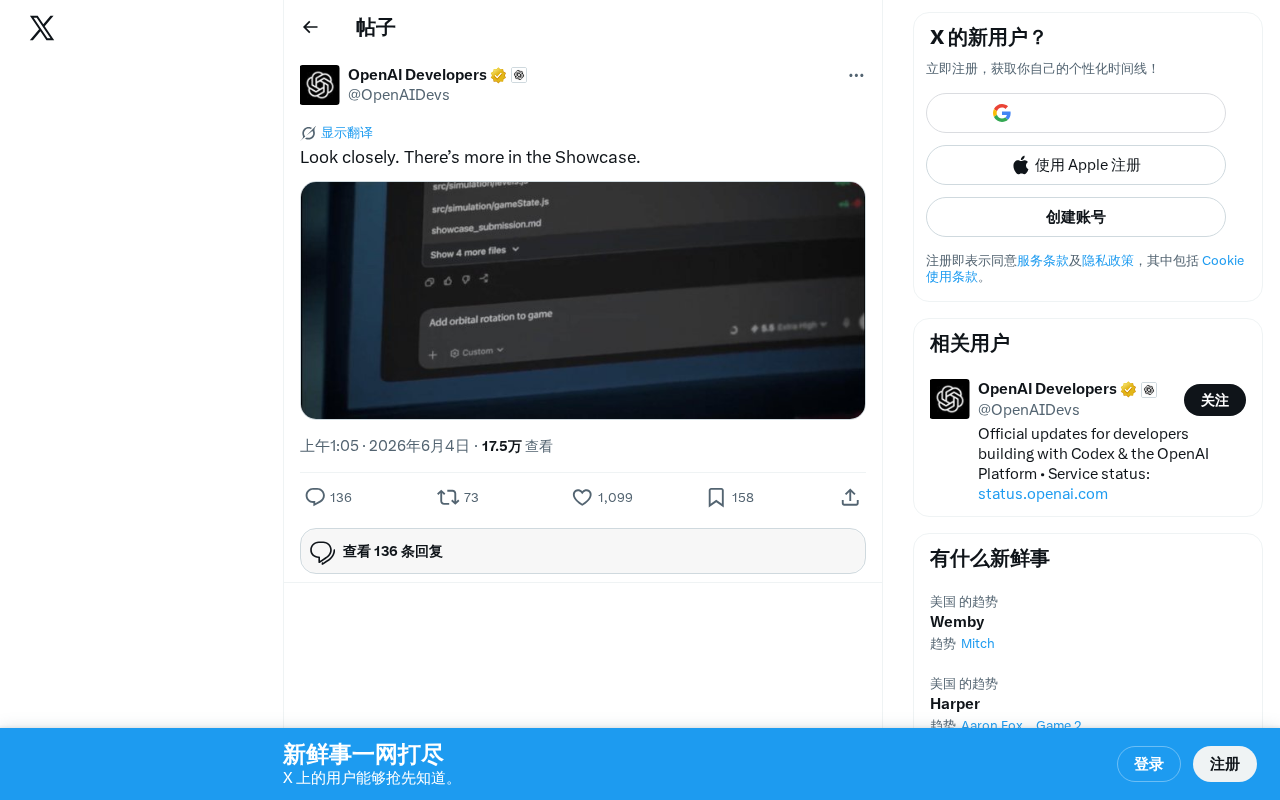
Hidden Gems in OpenAI's Showcase: A Deep Dive into the Mystery Teaser
OpenAI posted a cryptic tweet hinting at hidden features in its Showcase. This article analyzes possible directions, marketing strategy, and what to watch next.
Read more →

·2 min
ViBench: A Benchmark Designed Specifically for Evaluating AI Application Building Capabilities
Deep dive into ViBench, a benchmark addressing SWE-bench's gaps in evaluating AI application building through end-to-end generation, visual quality, and functional completeness.
Read more →
·2 min
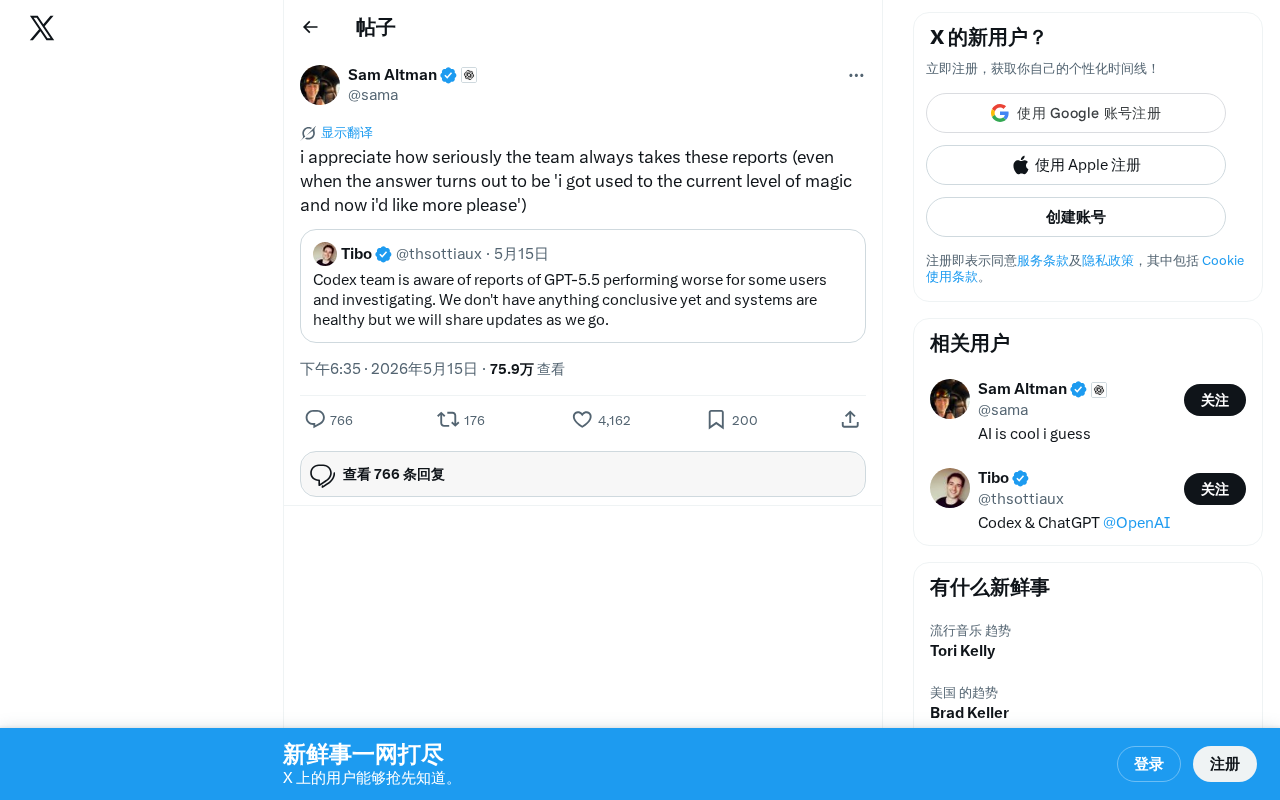
The "Magic Fatigue" Effect in AI Products: The Hidden Challenge of User Expectation Management
Exploring the "Magic Fatigue" effect in AI products: why users feel AI is getting dumber, how to distinguish real degradation from rising expectations, and strategies for managing user expectations.
Read more →
·2 min
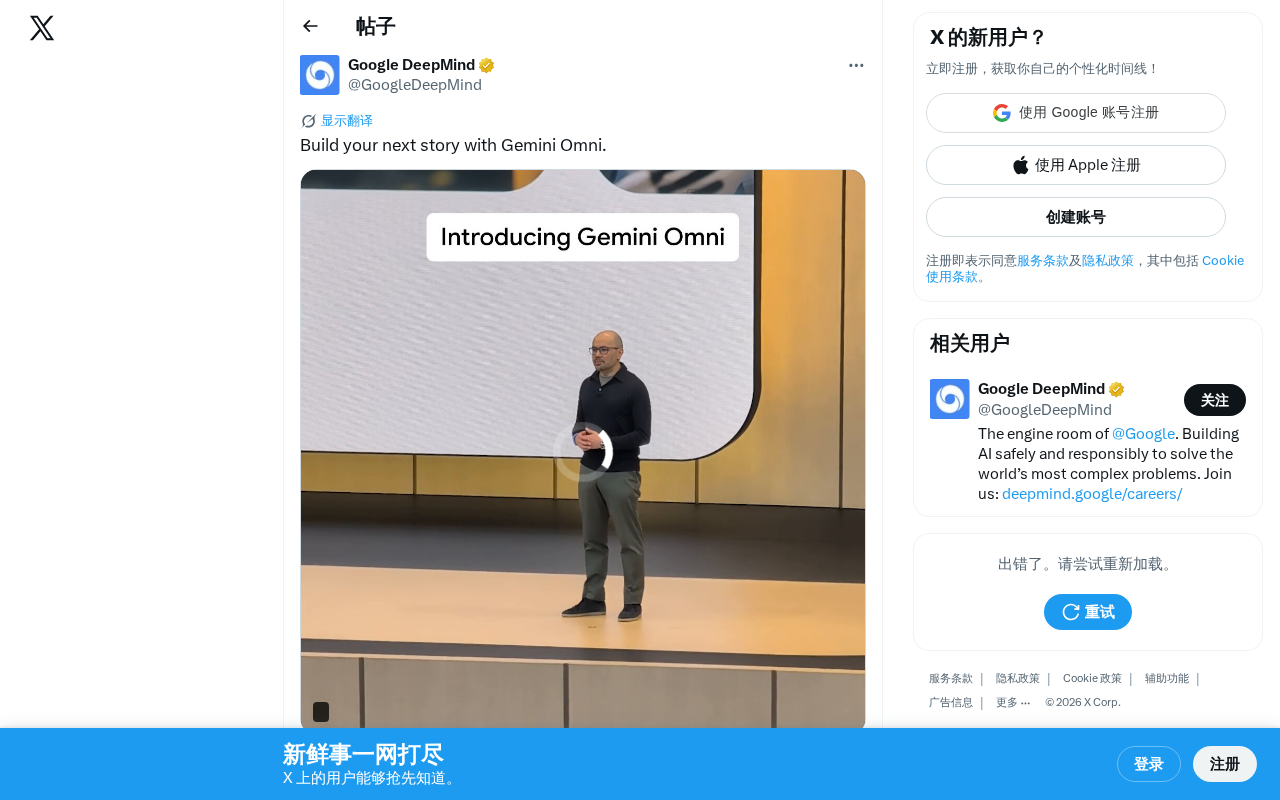
What Is Gemini Omni? A Deep Dive into Google's AI Story Creation Tool
Google launches Gemini Omni as a multimodal AI story creation tool. This article analyzes its core features, multimodal narrative capabilities, and differentiated advantages in AI-powered creative content generation.
Read more →
·2 min
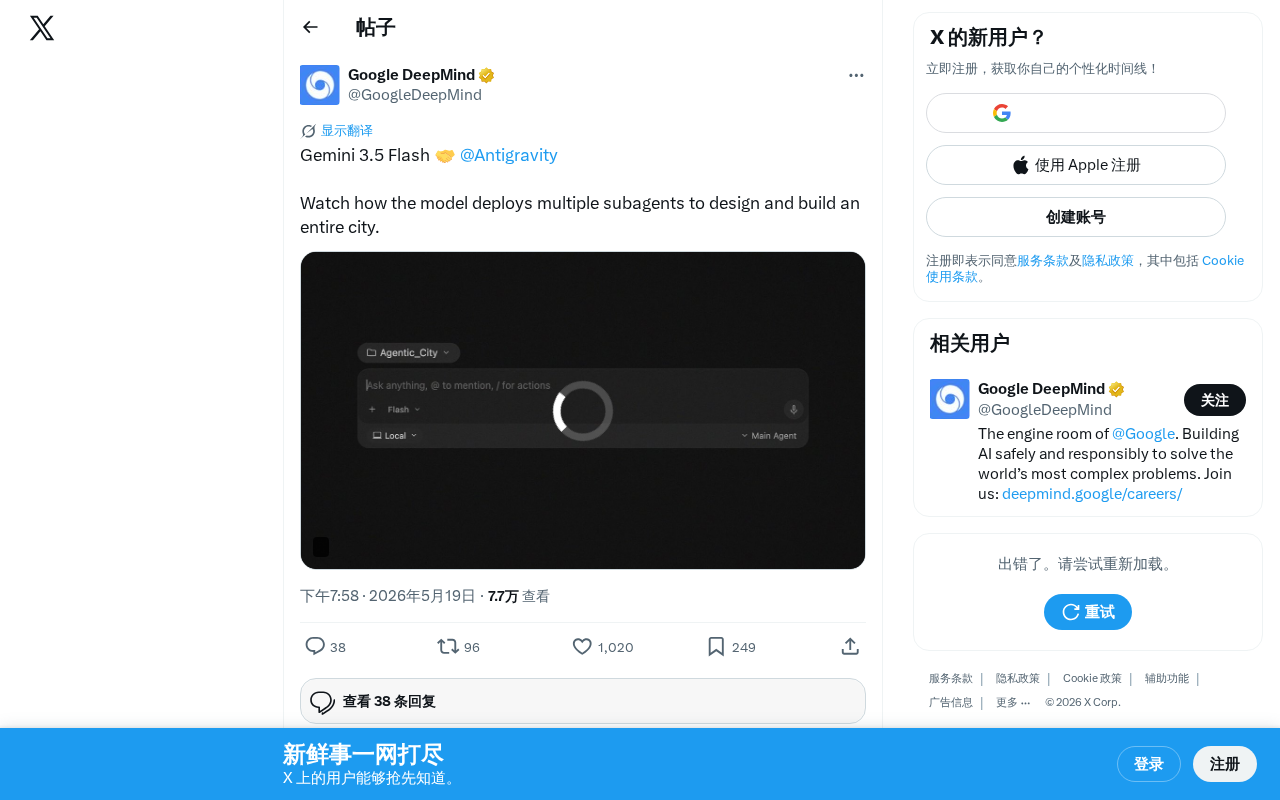
Gemini 3.5 Flash Teams Up with Antigravity: Multi-Agent Collaboration to Build an Entire City
Deep dive into how Gemini 3.5 Flash and Antigravity platform use multi-subagent architecture to design and build a complete virtual city from scratch.
Read more →

·3 min
Codex Hooks Explained: The Automation Powerhouse That Hijacks the Entire AI Workflow
Deep dive into Codex Hooks' six lifecycle hook types, covering configuration, local vs global hooks, and practical use cases like security interception and auto-summarization for full AI workflow control.
Read more →
·2 min
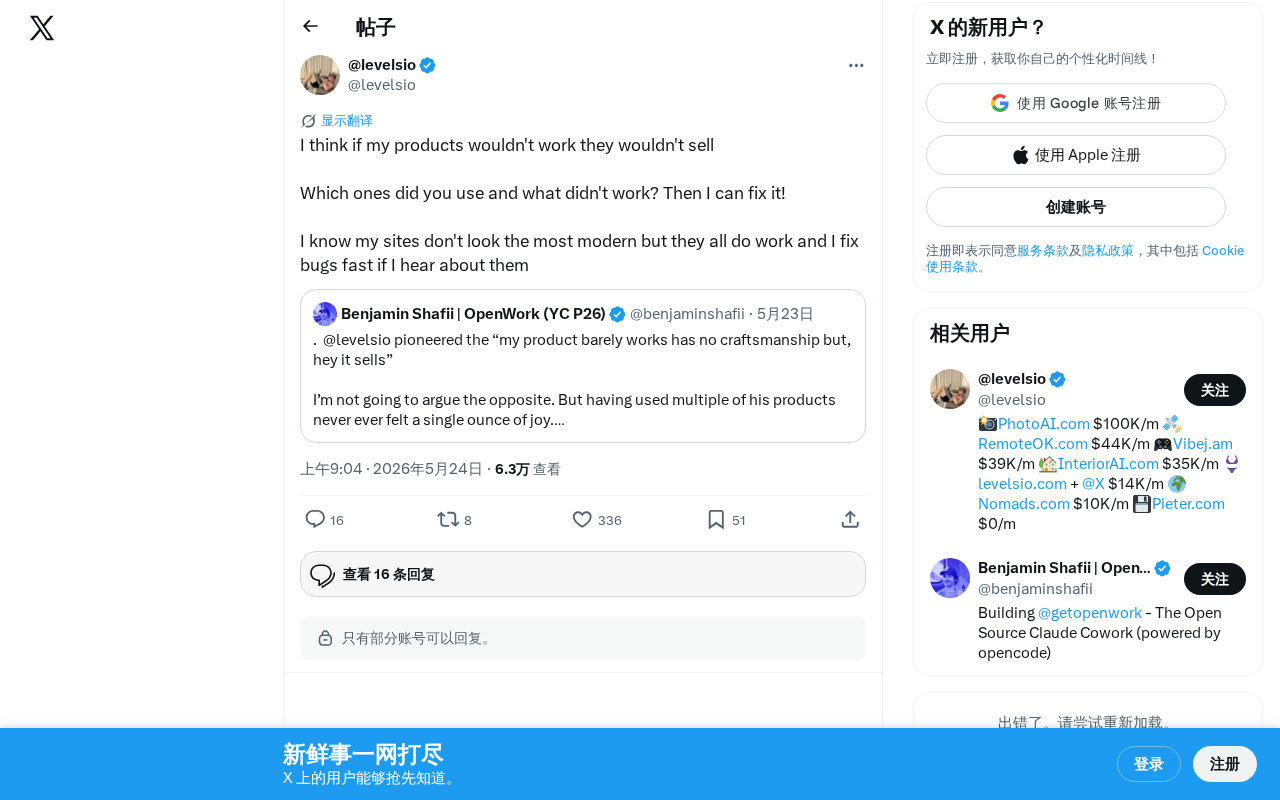
Do Sales Prove Your Product Is Good? A Product Quality Perspective for Indie Developers
An indie developer claims 'if my products wouldn't work they wouldn't sell.' Does this logic hold? We analyze the relationship between sales and quality, explore survivorship bias, and offer practical advice.
Read more →
·2 min
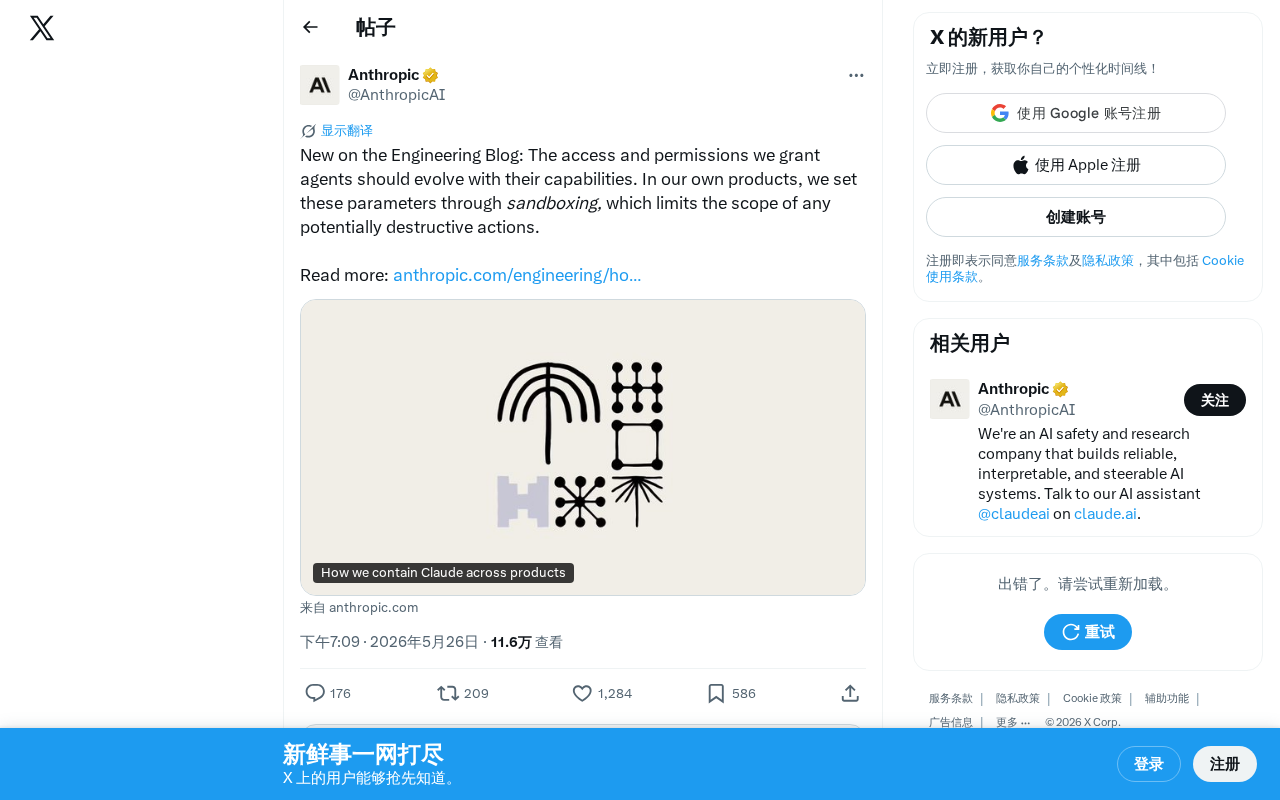
AI Agent Permission Management: How Sandboxing Mechanisms Limit Potentially Destructive Operations
An in-depth look at AI Agent sandboxing for permission management — how OpenAI uses execution isolation, resource limits, and progressive trust models to contain potentially destructive operations.
Read more →
·2 min
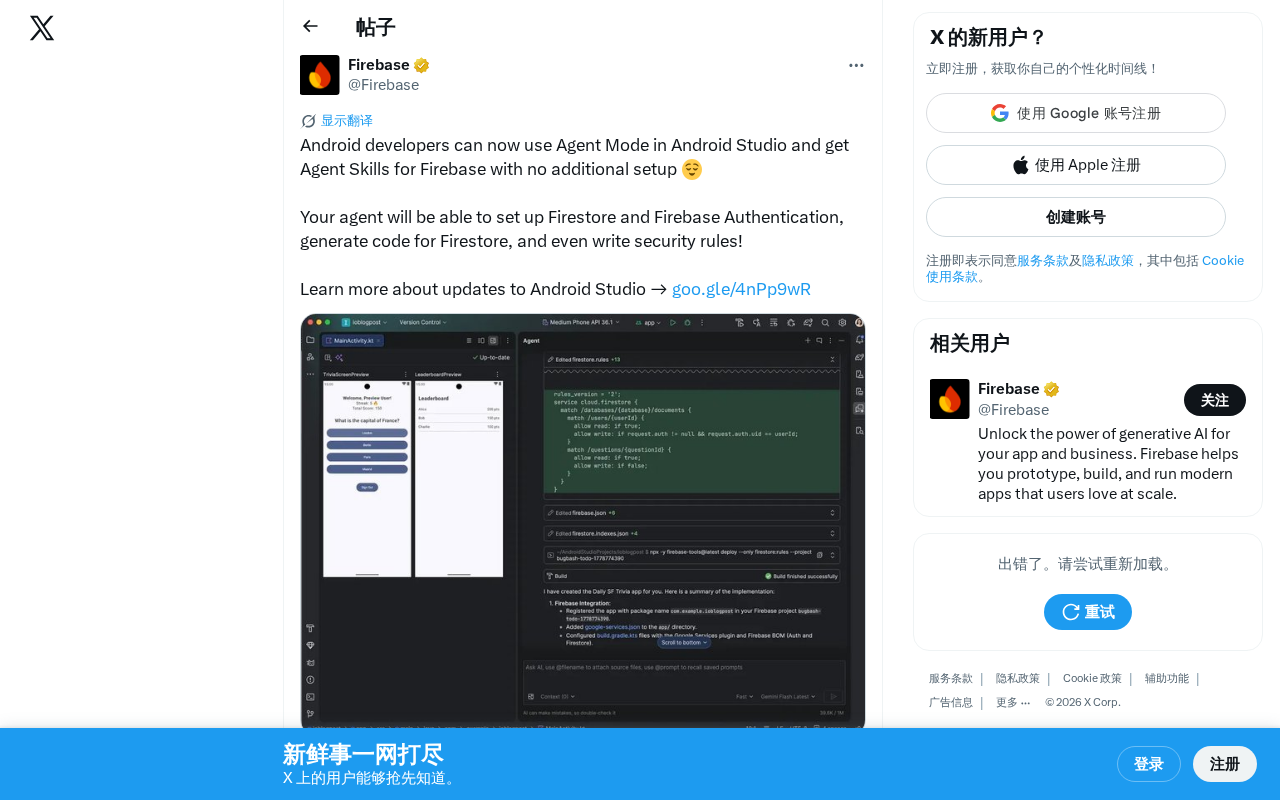
Android Studio Agent Mode Explained: A Guide to Zero-Configuration Firebase Integration
Android Studio now features Agent Mode with Firebase Agent Skills for zero-config setup. Learn about automated Firestore, Authentication, and security rules.
Read more →

·3 min
Europe's Extreme Heat Driving Tourists Away: Can Climate Tech Save the Tourism Industry?
Europe's summer heat and lack of AC are driving tourists away. Explore how climate tech — smart cooling, district cooling, and AI energy management — can help Europe's tourism industry adapt.
Read more →
·2 min
Two Years of AI Growth: From Passively Following Instructions to Proactively Understanding Intent
A look at AI's core evolution over two years: from a prompt-dependent instruction follower to an autonomous collaborator that understands intent, plans tasks, and self-corrects.
Read more →
·2 min
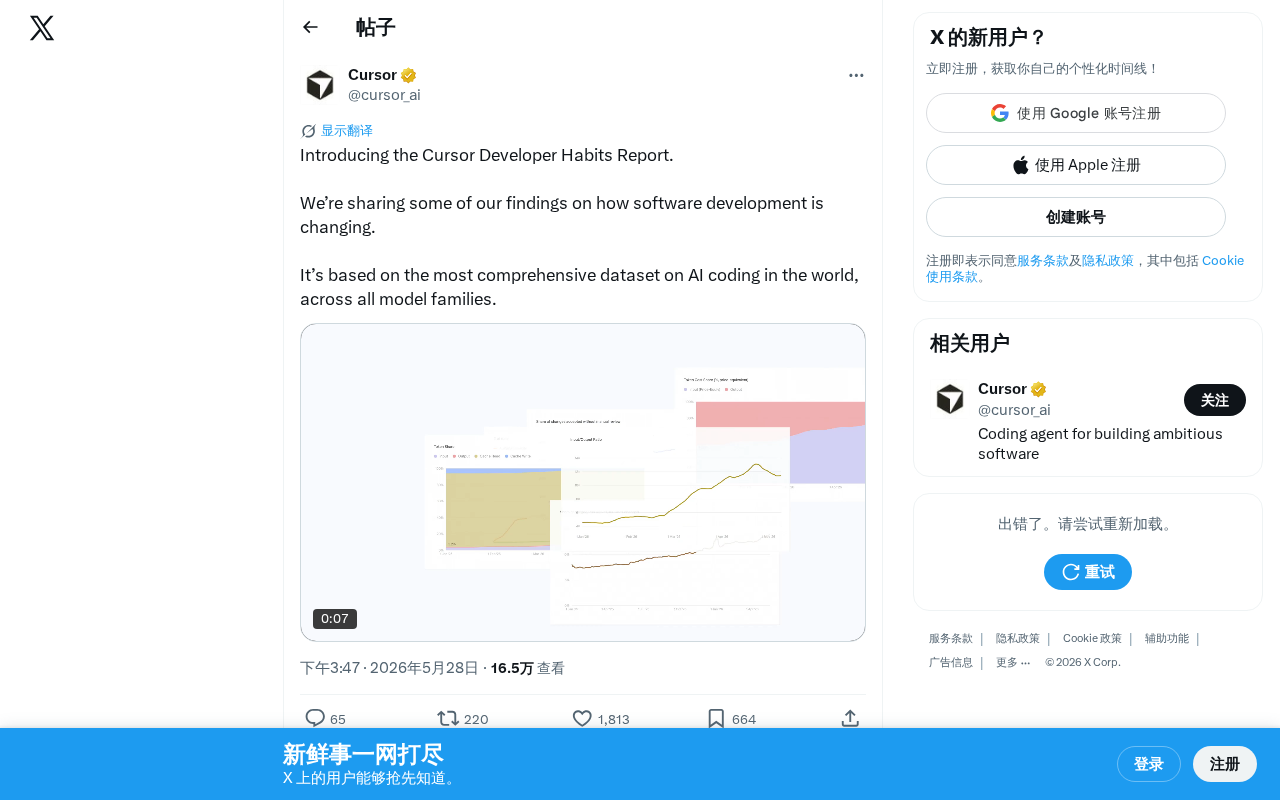
Interpreting Cursor's Developer Habits Report: AI Programming Is Reshaping Software Development
Cursor releases its Developer Habits Report based on the world's most comprehensive AI programming dataset. This article analyzes how AI is reshaping software development workflows and model strategies.
Read more →
·3 min
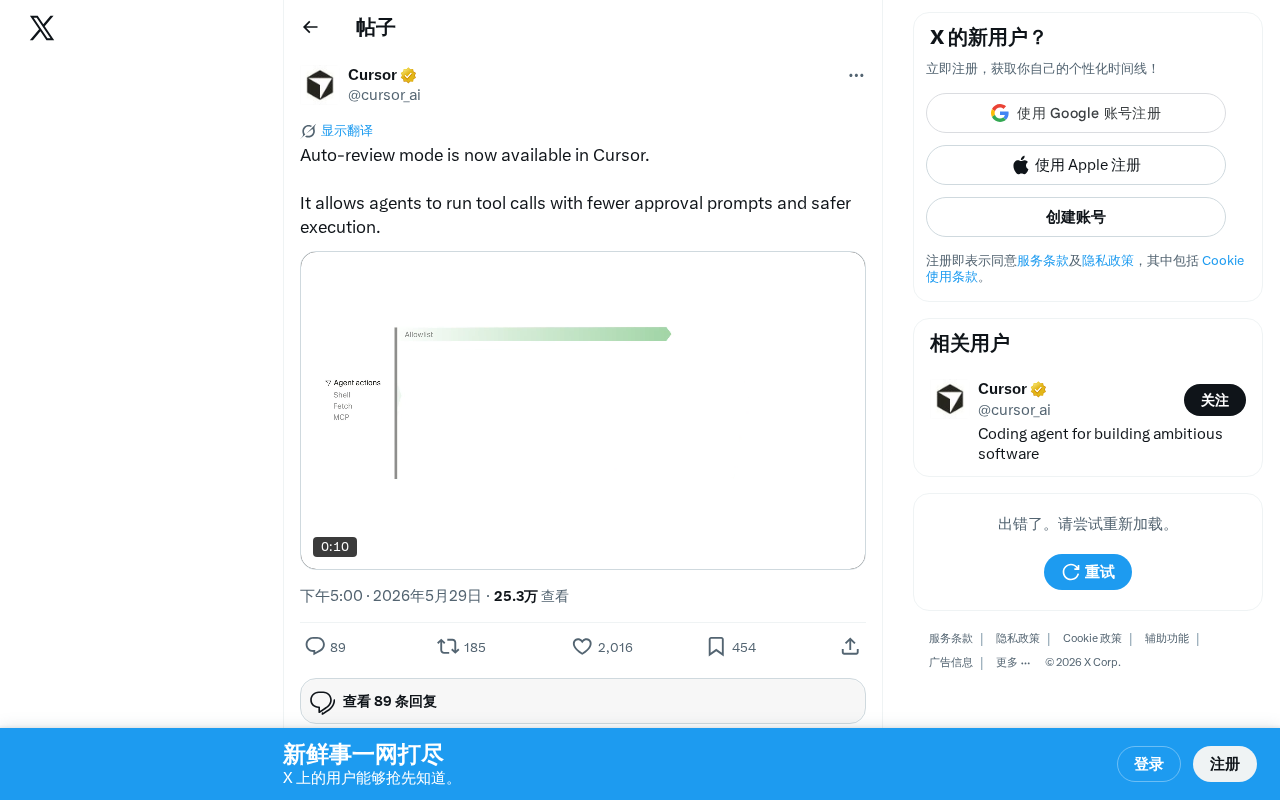
Cursor Auto-Review Mode Explained: Smart Tiered Approval for More Efficient AI Programming
Cursor launches Auto-review mode with smart risk assessment for tiered approval. Low-risk operations auto-approve while high-risk ones need manual confirmation.
Read more →
·2 min
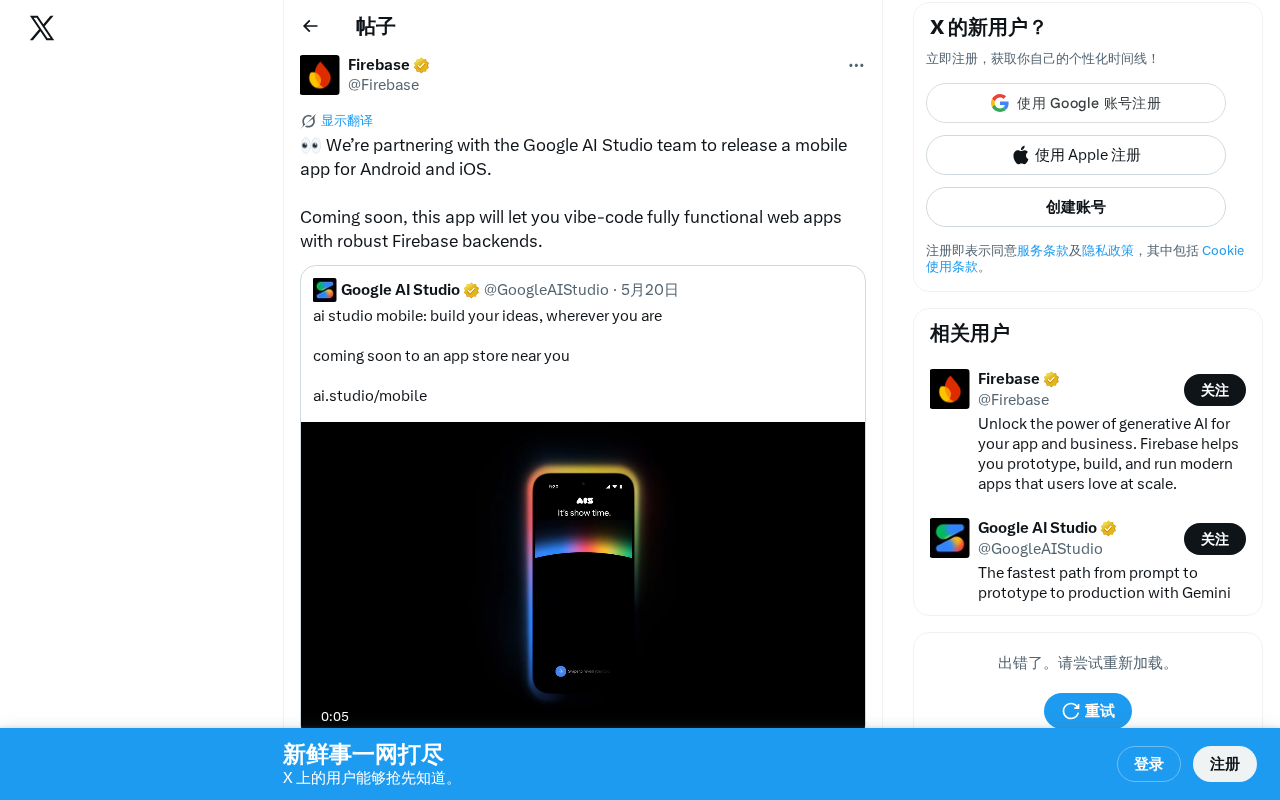
Google AI Studio Mobile App Coming Soon: Full Vibe Coding Development Workflow on Your Phone
Google AI Studio is launching Android and iOS mobile apps, enabling Vibe Coding on phones with Firebase backend integration for full build-to-deploy workflows.
Read more →
·2 min
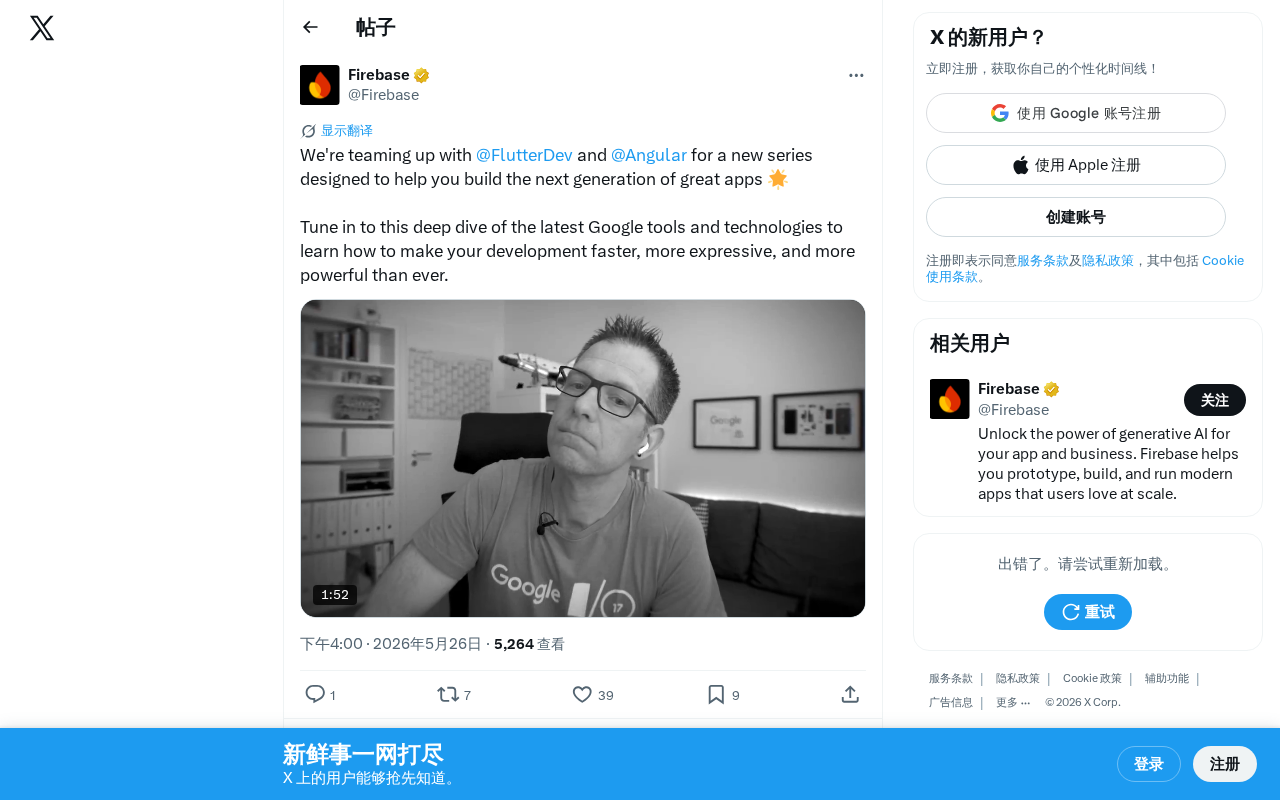
Google Teams Up with Flutter and Angular to Launch a New Generation of Developer Tool Series
Google officially teams up Flutter and Angular to launch a new developer series focused on faster development, more expressive UI, and more powerful features for next-gen cross-platform apps.
Read more →

·4 min
Five Common Misconceptions in AI Agent Development: An Essential Guide Before You Start
Debunking 5 common AI Agent development misconceptions: Agents aren't smarter ChatGPTs, complexity doesn't equal power, and RAG can't cure hallucinations. Learn the right approach to building Agents.
Read more →
·3 min
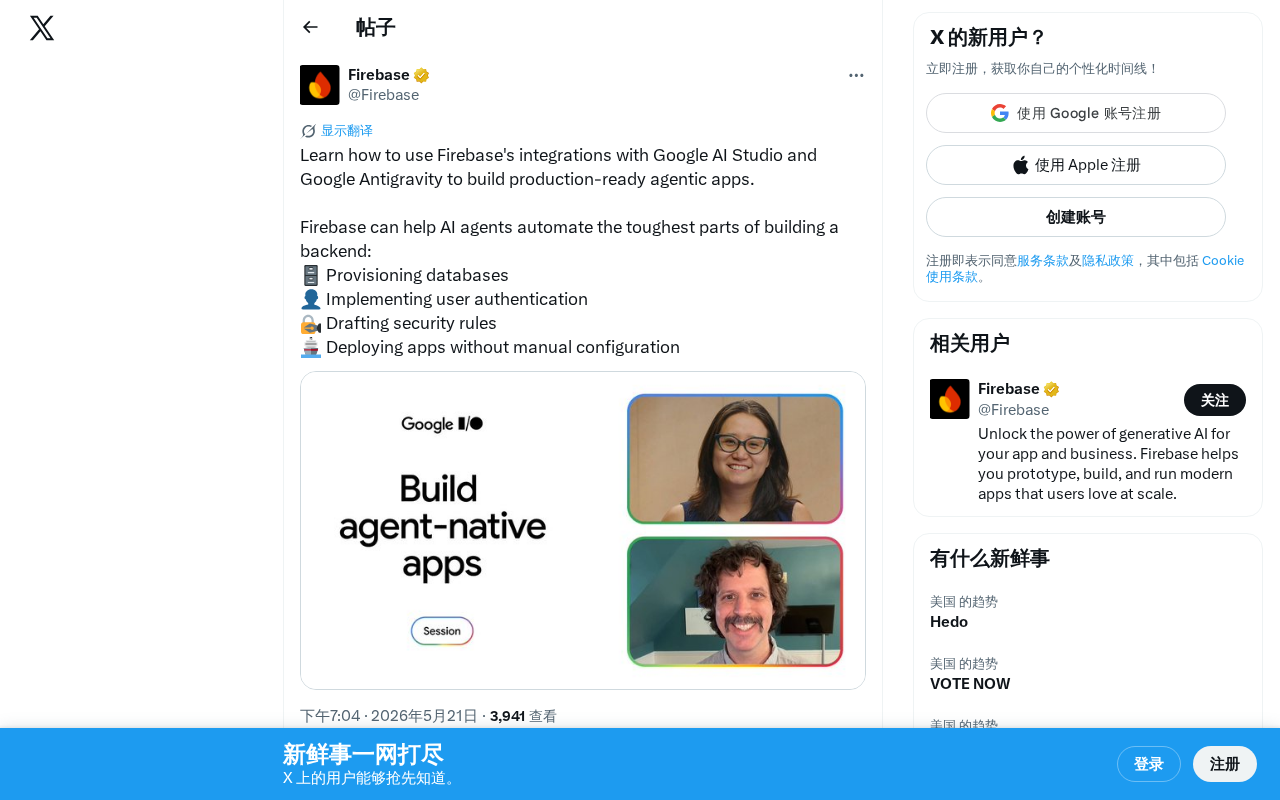
Firebase Integrates with AI Studio: Four Core Capabilities for Production-Grade Agent Applications
Deep dive into Google Firebase's integration with AI Studio, covering four core capabilities—database auto-configuration, authentication, security rules drafting, and zero-config deployment—for production-grade AI agent apps.
Read more →

·1 min
Claude Design: Anthropic's AI-Powered Design Prototyping and Exploration Tool
Claude Design is Anthropic's AI-driven design exploration tool focused on prototyping via natural language. Explore its positioning, philosophy, competitive landscape, and impact on designers.
Read more →

·4 min
7 Core Features of Hermes Agent Explained: The Real Reasons Users Are Abandoning OpenCore
Deep dive into Hermes Agent's 7 core features including Kanban multi-tasking, /goal deep execution, and multi-agent architecture, compared with OpenCore's stability and performance issues.
Read more →
 Tutorials
·4 min
Cursor + Codex Dual-IDE Collaboration: A Practical Methodology for Open-Source Project Customization
A complete methodology for open-source project customization based on real-world experience, detailing the Cursor+Codex dual-IDE workflow, seven-stage process, MVP validation, and AI source code reading techniques.
Read more →