#agent development framework
25 related articles
·4 min
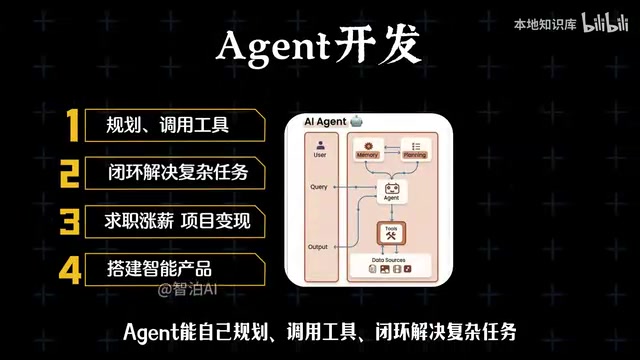
Agent Development Learning Roadmap: A Four-Stage Systematic Guide from Beginner to Practitioner
A systematic four-stage learning roadmap for AI Agent development, covering core concepts, classic paradigms like ReAct, multi-agent collaboration frameworks, and hands-on projects to master Agent development skills in 2-3 months.
Read more →
The Five-Tier Pyramid of IT Careers in…
·4 min
The Five-Tier Pyramid of IT Careers in the AI Era: Your Position Determines Your Career Ceiling
AI is reshaping IT careers into a five-tier pyramid from tool usage to self-developed models. Learn where you fit and how to maximize your career potential.
Read more →
Codex Systematic Tutorial: From Beginn…
·2 min
Codex Systematic Tutorial: From Beginner to Enterprise-Level AI Engineering
In-depth guide to Codex AI programming tool: environment setup, Rules system, MCP protocol integration, multi-Agent collaboration, and enterprise RAG customer service project for complete AI engineering deployment.
Read more →
AI Agent Development Learning Roadmap:…
·4 min
AI Agent Development Learning Roadmap: A Complete Four-Stage Plan from Zero to Production
A systematic AI Agent development learning roadmap covering LLM API calls, ReAct framework, memory mechanisms, and multi-agent collaboration across four stages with timeline and project suggestions.
Read more →
AI Agent Development Learning Roadmap:…
·3 min
AI Agent Development Learning Roadmap: A Complete Four-Stage Guide from Beginner to Practitioner
A systematic AI Agent development learning roadmap covering core concepts, ReAct/CoT paradigms, multi-agent collaboration, and hands-on projects across four stages.
Read more →
·4 min
5 Viable Paths to Making Money Independently with Python
5 proven paths to making money independently with Python: automation scripts, AI app development, quantitative trading, tool/course sales, and full-stack web services, with pricing references and practical tips.
Read more →
·3 min
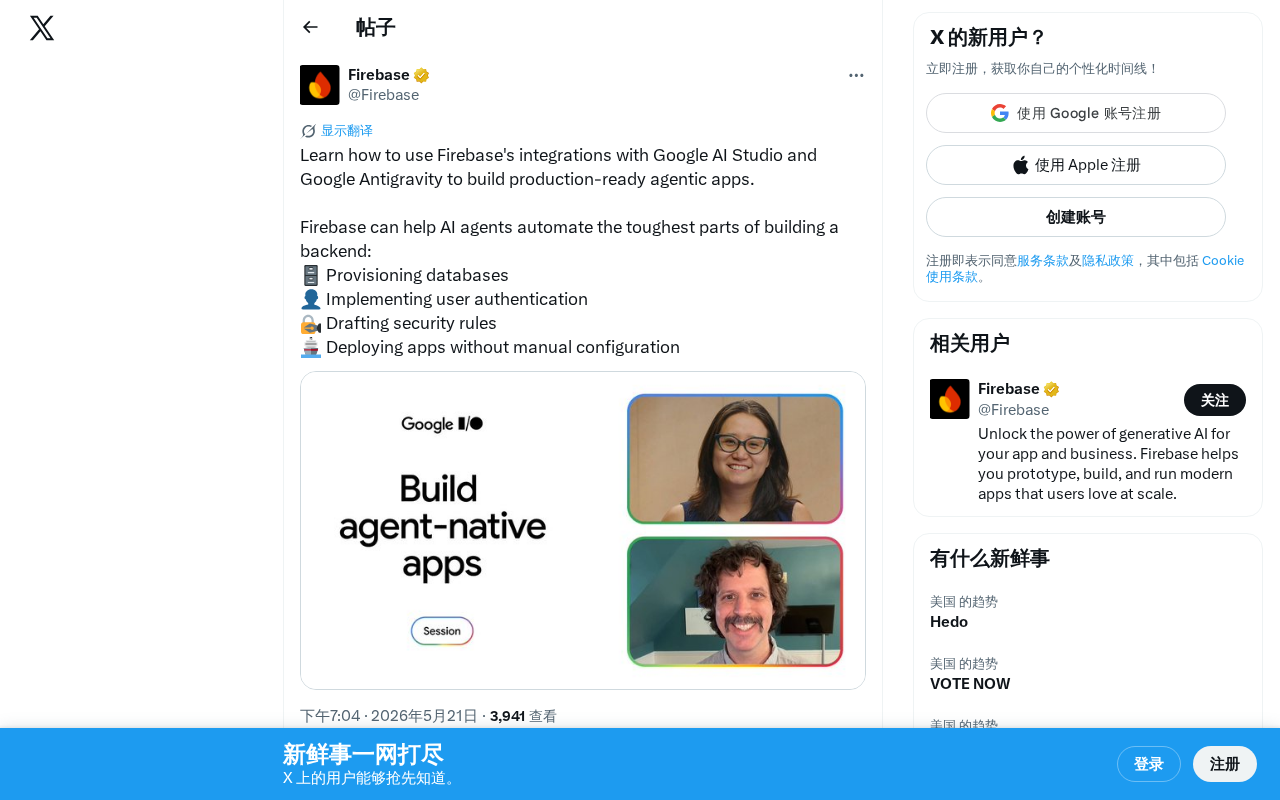
Firebase Integrates with AI Studio: Four Core Capabilities for Production-Grade Agent Applications
Deep dive into Google Firebase's integration with AI Studio, covering four core capabilities—database auto-configuration, authentication, security rules drafting, and zero-config deployment—for production-grade AI agent apps.
Read more →
 Tutorials
·3 min
Fully Automated Invoice Reimbursement with Local AI Agent: From Process Breakdown to Deployment
How to build a fully automated invoice reimbursement system with local AI Agents, covering OCR, info extraction, and form generation with MinerU+Qwen3+Qianwen Po.
Read more →
 Product Reviews
·4 min
Lark CLI: A Deep Dive into Feishu's Open-Source AI Agent Command-Line Tool
Lark CLI is Feishu's official open-source CLI tool designed for AI Agents, offering 200+ commands across 17 business domains with 24 structured Skills for messaging, docs, spreadsheets, calendars, and more.
Read more →
 Tutorials
·2 min
LangChain 1.0 Complete Guide: Architecture, Core Modules, and Learning Path
Deep dive into LangChain 1.0's three-layer architecture (LangChain, LangGraph, Deep Agents), core components like Models, Tools, and Memory, plus a complete learning path from semantic search to multi-agent collaboration.
Read more →
 Tutorials
·1 min
Getting Started with Agent Development: 3 Agent Types × 8 Core Mechanisms Fully Explained
A complete breakdown of AI Agent development: 3 agent types (autonomous, collaborative, orchestration-based), 8 core mechanisms, a 5-stage learning path, and framework selection guidance.
Read more →
 Tutorials
·3 min
Build an AI Agent with One Sentence Using Coze Programming: Complete WeChat Monetization Workflow Breakdown
Learn how to use Coze Programming to generate AI agents with one sentence, deploy them to WeChat via the Xiaowei Mini Program, and set up paid monetization in a complete four-step workflow.
Read more →
 Tutorials
·1 min
AI Agent Learning Roadmap: A Complete Guide from LLM Fundamentals to Enterprise-Level Project Implementation
A systematic AI Agent learning roadmap covering Python setup, Prompt Engineering, RAG, LangChain, multi-Agent collaboration, with enterprise medical consultation system case study and phased learning plan.
Read more →
 Expert Opinions
·3 min
The Salary Ceiling for Agent Engineers: Two Critical Dividing Lines
Agent engineer salary gaps hinge on two dividing lines: real production deployment experience and depth of foundational theory including deep learning, fine-tuning, and reinforcement learning.
Read more →
 Deep Dives
·4 min
AI Agents 101: Core Concepts, Technical Architecture, and How They Work
A beginner's guide to AI Agents: understand core concepts, the perception-decision-action loop, LLM, tool calling, memory systems, and RAG architecture explained from scratch.
Read more →
 Tutorials
·3 min
Andrew Ng's New Course: A Complete Guide to Building Database Agents
Deep dive into Andrew Ng's Building Your Own Database Agent course with Microsoft, covering LLM-SQL interaction, LangChain Agents, Function Calling, and RAG for tabular data.
Read more →
 Tutorials
·3 min
Hermes Agent Framework Practical Guide: Building AI Agents from Scratch
A detailed guide on ByteDance's Hermes Agent framework covering core features, deployment, custom tool development, and enterprise-grade AI Agent applications.
Read more →
Tutorials
LangGraph 0.5.3 + MCP Agent Developmen…
·2 min
LangGraph 0.5.3 + MCP Agent Development in Practice: Security Authentication & Deployment Guide
LangGraph 0.5.3 introduces MCP server security authentication and agent deployment solutions. Combined with Qwen3 models, it provides a complete production-grade AI agent development stack.
Read more →
Tutorials
AI Agent Learning Roadmap: From Beginn…
·3 min
AI Agent Learning Roadmap: From Beginner to Enterprise-Level Development in Three Months
A detailed three-month AI Agent learning roadmap covering LLM basics, ReAct paradigm, LangChain, memory mechanisms, tool calling, and multi-agent collaboration with practical project suggestions.
Read more →
 Tutorials
·3 min
Claude Agent SDK + LiteLLM + Local LLMs: Building a Zero-Cost AI Agent Platform
Learn how to redirect Claude Agent SDK API requests to local LLMs via LiteLLM Proxy, achieving zero-cost inference while retaining full agent framework capabilities.
Read more →